

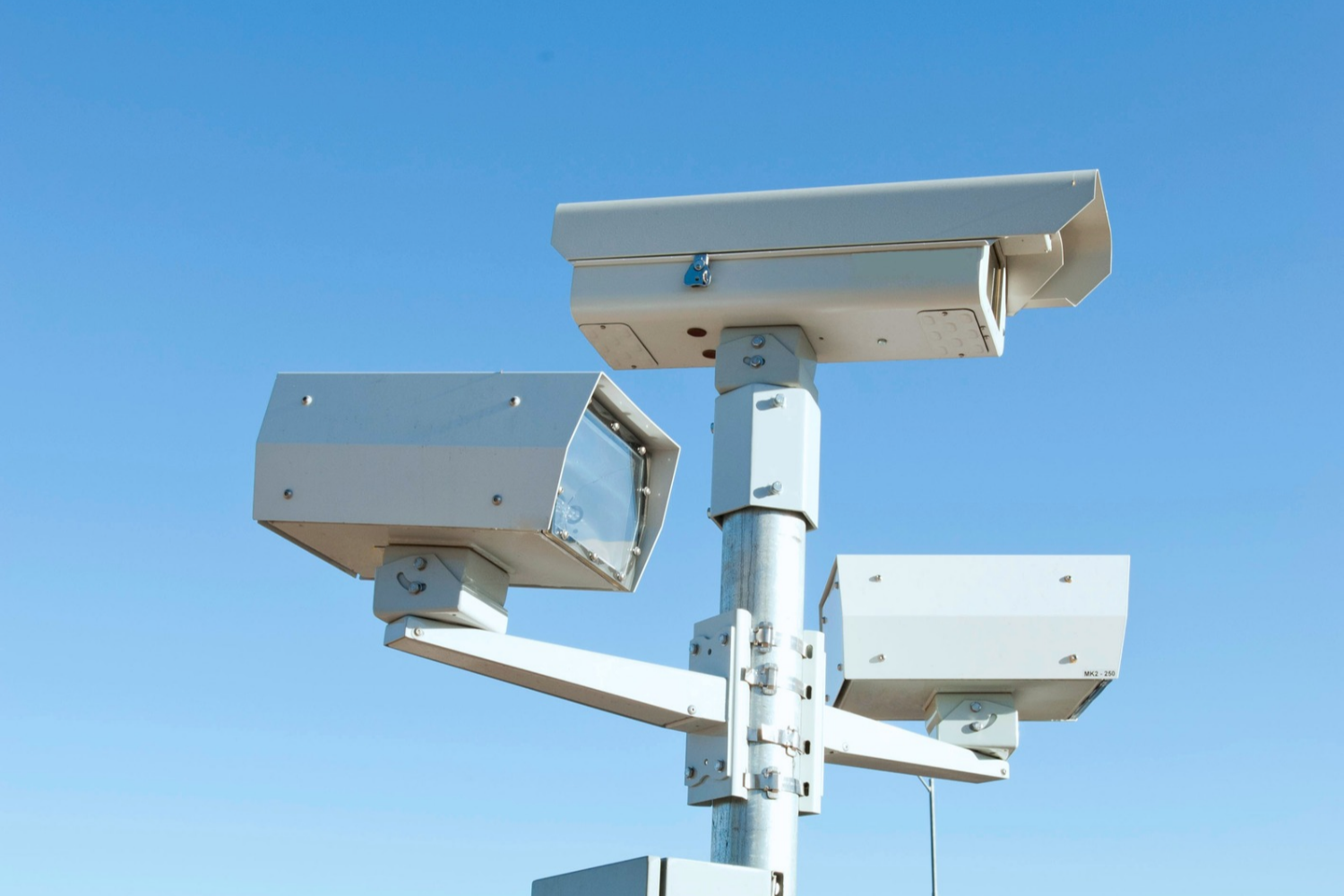

Arizona drivers are seeing more questions about speed cameras, red-light cameras, and photo radar tickets—especially now that photo safety cameras have returned to Phoenix.
If you receive a camera-generated notice in the mail, you may wonder: Do I have to pay a photo radar ticket in Arizona? Can I ignore it? What happens if I am formally served?
Arizona photo radar laws contain specific rules regarding mailed notices, formal service, warning signs, law-enforcement review, and how photo-enforcement systems can operate.
At The Law Office of Zayed Al-Sayyed, we believe Arizona drivers should understand how these laws work and why receiving an initial notice in the mail isn’t necessarily the same as being formally served with a traffic citation.
Are Speed Cameras Legal in Arizona?
Yes. Photo-enforcement systems can legally operate in Arizona when used in accordance with state law.
Under Arizona law, a photo-enforcement system generally involves a radar unit or sensor connected to a camera or recording device for detecting potential speeding or traffic-control violations.
However, state law establishes restrictions on where and how these systems may operate.
For example, Arizona law restricts the use of photo enforcement on state highways for identifying violations of speed restrictions and certain traffic-control requirements.
Local jurisdictions may operate qualifying photo-enforcement programs on local roadways.
Are There Speed Cameras in Phoenix in 2026?
Yes.
The City of Phoenix Photo Safety Program currently uses 17 speed-monitoring cameras at locations throughout Phoenix.
Phoenix brought the cameras back on February 23, 2026, initially beginning with a 30-day warning period. According to the City, citations for speeding violations began on March 25, 2026.
Some cameras rotate between Phoenix roadways with histories of speed-related crashes, while additional cameras are used in 15-mph school zones.
For Phoenix drivers, this makes understanding Arizona speed camera laws particularly important.
What Happens When a Speed Camera Catches You in Arizona?
A camera capturing an alleged violation doesn’t automatically mean that the camera company gets to decide whether you committed a traffic violation.
Under A.R.S. § 28-1602, a law-enforcement agency must review the evidence recorded by the photo-enforcement system before a citation is issued.
Arizona law also states that a photo-enforcement company cannot determine whether the underlying traffic violation occurred for purposes of issuing a citation.
This requirement puts the decision to issue a citation in the hands of law enforcement rather than solely with the private company operating the equipment.
Do You Have to Respond to a Photo Radar Ticket in Arizona?
This is where Arizona’s photo radar laws can become confusing.
There is an important distinction between a notice of violation and a formally served traffic complaint.
Under A.R.S. § 28-1602, if a person receives a qualifying notice of violation in the mail, the person does not have to:
- Identify who is shown in the photograph; or
- Respond to the notice of violation.
The notice itself must tell the recipient that it is not a court-issued document and that the recipient is under no obligation to identify the person or respond.
However, that doesn’t necessarily mean the alleged violation goes away.
Arizona law also requires the notice to warn recipients that failing to respond may lead to official service, potentially resulting in an additional service fee.
Is a Mailed Photo Radar Notice the Same as Being Served?
No. This is one of the most important distinctions Arizona drivers should understand.
Arizona law defines a “notice of violation” as a notice issued by a municipality or photo-enforcement company that is not a uniform traffic ticket and complaint.
Formal service is different.
A case can progress beyond the initial notice, and authorities may attempt to formally serve the person with the traffic complaint.
Once formal service occurs, drivers should not assume that the rules applying to an initial mailed notice continue to apply in exactly the same way.
Can You Ignore a Photo Radar Ticket in Arizona?
Searches for “Can I ignore a photo radar ticket in Arizona?” frequently produce conflicting advice.
The answer depends heavily on what you’ve actually received.
If you receive the qualifying initial notice of violation described under A.R.S. § 28-1602, Arizona law states that you aren’t required to respond to that notice or identify the person in the photograph.
But ignoring the initial notice does not guarantee the matter will disappear.
Authorities may pursue formal service. Once someone has been properly served with a traffic complaint, ignoring the case can create additional legal and financial problems.
Before deciding what to do, determine whether the document is simply a notice of violation or whether an actual traffic complaint has been formally served.
How Can You Be Served With a Photo Radar Ticket in Arizona?
Arizona law permits formal service through legally recognized procedures.
A.R.S. § 28-1602 also establishes an alternative service procedure for photo-enforcement cases.
Alternative service must include:
- Certified mail;
- An additional copy sent through regular mail;
- Notice posted on the front door of the person’s residence or business; and
- If present and accessible, notice posted on the residence’s garage door.
Service under this provision becomes complete when the mailing receipt and proof of posting are filed with the court having jurisdiction over the violation.
This is why attempting to simply avoid someone who might be serving a photo radar citation isn’t necessarily an effective strategy.
Can a Photo Radar Ticket Suspend Your Arizona Driver’s License?
Arizona law provides a specific protection for citations served using the alternative-service procedure described above.
Under A.R.S. § 28-1602, a person’s driving privileges may not be suspended or revoked as a result of a citation served through that particular alternative-service procedure.
That does not mean every photo-enforcement citation can be ignored without consequences.
Different consequences may apply depending on how the citation was served, the alleged traffic violation, what happens in court, and whether required court obligations are satisfied.
Does Arizona Require Warning Signs for Speed Cameras?
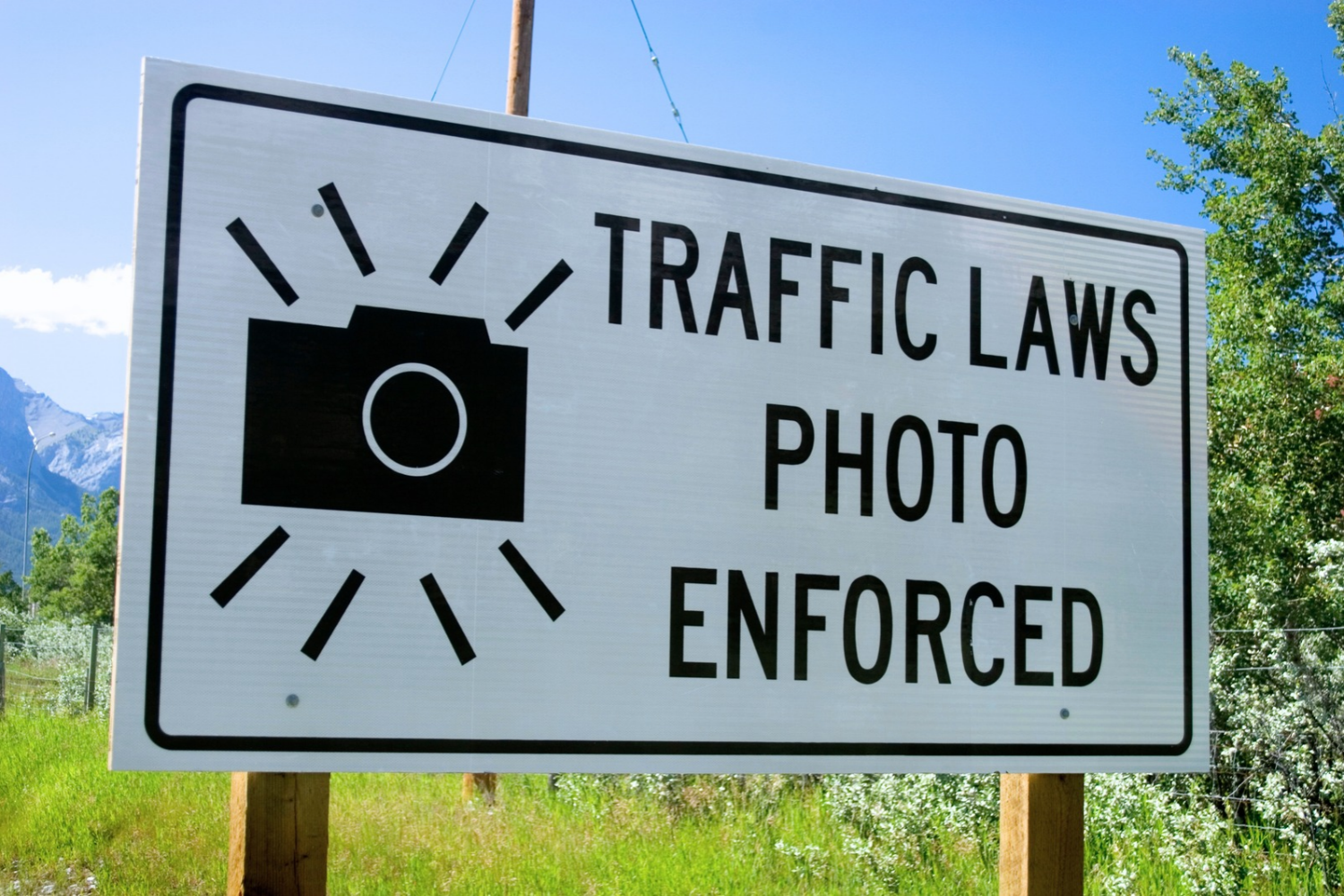
Arizona law establishes signage requirements for many photo-enforcement locations.
Under A.R.S. § 28-1204, local authorities and state agencies using qualifying photo-enforcement systems generally must adopt standards notifying motorists that photo enforcement is present and operating.
The law generally requires at least two warning signs before a photo-enforcement system.
One must generally be located approximately 300 feet before the camera, and a sign clearly stating the speed limit must be positioned between the warning signs.
Arizona law also provides that a court may dismiss a citation if required standards and specifications weren’t in effect while the photo-enforcement system was operating.
There are exceptions to these requirements, including provisions involving certain mobile photo-enforcement vehicles.
How Close Can a Speed Camera Be to a Speed Limit Change?
Arizona also regulates where certain photo-enforcement systems can be placed.
Under A.R.S. § 28-1203, a photo-enforcement system generally cannot be placed within 600 feet of a posted speed-limit change.
There is an exception for areas around qualifying school crossings.
This is another detail that may become relevant when evaluating the circumstances surrounding a camera-generated speeding citation.
Can You Fight a Photo Radar Ticket in Arizona?
Depending on the circumstances, a driver may be able to contest an Arizona photo radar citation.
Potential issues can include:
- Whether the person cited was actually driving;
- Whether legally required procedures were followed;
- Whether service was properly completed;
- Whether required warning signs were present;
- Whether the camera was properly positioned;
- Whether the evidence supports the alleged violation; and
- Whether other factual or legal defenses apply.
Every traffic case is different, so the viability of a defense depends on the facts surrounding the alleged violation.
What If Someone Else Was Driving My Car?
This is another common issue with automated enforcement.
A vehicle may be registered to one person while someone else was driving at the time the camera captured the alleged violation.
For the qualifying initial mailed notice, A.R.S. § 28-1602 specifically states that the recipient does not have to identify the person shown in the photograph.
However, the situation may change as a case proceeds through the court system. Vehicle owners should carefully determine what type of notice or citation they have received before responding.
Are Red-Light Cameras Legal in Arizona?
Arizona’s photo-enforcement statutes aren’t limited to speeding.
Photo enforcement can also involve alleged failures to obey a traffic-control device, which can include red-light violations where a qualifying local photo-enforcement program is operating.
The same distinction between an initial notice and formal court proceedings can therefore be important when dealing with red-light camera cases.
Phoenix Photo Radar Tickets in 2026
The issue has become especially relevant in Phoenix.
According to the City of Phoenix, the current Photo Safety Program has 17 cameras, including cameras that rotate through roadways with histories of speed-related crashes and cameras used in school zones.
The City states that recorded events are reviewed by Phoenix Police, which determines whether a citation should be issued.
Phoenix also states that people receiving citations are notified by mail, not by email, text message, or telephone.
Drivers can review current camera information directly through the City of Phoenix Photo Safety Program.
Injured in an Arizona Car Accident? Contact Us Today
If you were injured in a car accident involving speeding, a red-light violation, or another negligent driver, The Law Office of Zayed Al-Sayyed is here to help. Our Phoenix personal injury team can review your case, explain your legal options, and help you pursue the compensation you may be entitled to receive.
Call (602) 952-9937 today to schedule your consultation.
Frequently Asked Questions About Arizona Photo Radar Laws
Do I have to pay a photo radar ticket in Arizona?
It depends on the document and status of the case. Arizona law distinguishes between an initial notice of violation and a formally served traffic complaint. A qualifying initial notice isn’t a court-issued document, and A.R.S. § 28-1602 says the recipient isn’t required to respond to that notice.
Can I ignore a speed camera notice in Arizona?
Arizona law states that recipients aren’t obligated to respond to a qualifying initial notice of violation. However, failing to respond can result in authorities pursuing formal service and potentially adding service costs.
Do I have to tell them who was driving?
For the qualifying initial notice described under A.R.S. § 28-1602, the recipient does not have a duty to identify the person shown in the photograph.
Are speed cameras active in Phoenix?
Yes. Phoenix’s current Photo Safety Program began operating in February 2026, with citations beginning March 25, 2026.
Does Arizona require warning signs before photo radar cameras?
Arizona law generally requires warning signage for qualifying photo-enforcement systems, although statutory exceptions apply.
Can a speed camera be placed immediately after the speed limit changes?
Generally, no. A.R.S. § 28-1203 prohibits placing a photo-enforcement system within 600 feet of a posted speed-limit change, except for qualifying school-crossing areas.
Can I contest an Arizona photo radar citation?
Depending on the circumstances, you may be able to contest a citation. Issues involving identification, evidence, signage, camera placement, service, and other procedural requirements may be relevant.
Speak With The Law Office of Zayed Al-Sayyed
Arizona photo radar laws are more complicated than simply asking whether you have to “pay or ignore” a camera ticket.
The type of document you received, whether you’ve been formally served, the location of the camera, required signage, and the circumstances surrounding the alleged violation can all matter.
With photo safety cameras operating again throughout Phoenix in 2026, Arizona motorists should understand their rights and responsibilities before responding to a camera-generated traffic violation.
If you have questions following a serious traffic collision, motorcycle accident, pedestrian accident, or other injury-causing crash in Phoenix, The Law Office of Zayed Al-Sayyed can help you understand your legal options and determine the next steps in your personal injury claim.
This article is provided for general informational purposes only and does not constitute legal advice.