


 by Zayed Al-Sayyed
How Long Does a Lyft Accident Settlement Take? (Arizona 2026 Guide)
If you were injured in a Lyft accident in Phoenix or anywhere in Arizona, one of the most common questions is how long it will take to receive a settlement. The answer depends on several factors, including the severity of your injuries, how clear liability is, and how many insurance companies are involved. Lyft accident claims are typically more complex than standard car accident cases because they involve multiple insurance policies, app-based liability rules, and corporate coverage layers, all of which can impact the timeline.
In general, a Lyft accident settlement can take anywhere from a few months to over a year. Simple cases involving minor injuries and clear fault may resolve in a matter of months, while more complex claims often take six months or longer. If there are disputes over who caused the accident, or if injuries require ongoing medical treatment, the process can extend significantly. In cases that proceed to litigation, it is not uncommon for timelines to reach one to two years or more before a final resolution is reached.
Another important factor is that insurance companies are required to respond within a relatively short timeframe, often around 30 to 40 days after a claim is filed. However, this initial response is only the beginning of the process. After that, there is a period of investigation, evidence gathering, and negotiation, which can take several additional months. Because Lyft accident claims often involve multiple insurers, delays are common as each company evaluates liability and attempts to limit its financial exposure.
Typical Lyft Accident Settlement Timeline
While every case is different, most settlements follow a general timeline based on the complexity of the claim.
- Minor injury cases: A few months
- Moderate injury cases: 6 to 12 months
- Serious or disputed cases: 1 year or longer
- Cases that go to trial: 1 to 2+ years
The more complex the case, the longer it typically takes to reach a fair settlement.
What Affects How Long Your Case Takes
 Several key factors can either speed up or delay your Lyft accident settlement.
- Severity of injuries and length of medical treatment
- Disputes over fault or liability
- Number of parties and insurance policies involved
- Insurance company delays or negotiation tactics
- Whether the case settles or proceeds to litigation
In most cases, it is important not to rush the process. Settling too early—before the full extent of your injuries is known—can result in accepting less compensation than you deserve.
Why Lyft Accident Cases Take Longer
Lyft accident claims are more complex than traditional auto accident cases because liability depends on the driver’s app status at the time of the crash. Coverage may come from the driver’s personal insurance, Lyft’s commercial policy, or another driver’s insurance. This layered system often leads to disputes over which policy applies and how much coverage is available.
Additionally, insurance companies frequently negotiate aggressively and may delay claims in an effort to reduce payouts. In many cases, multiple rounds of negotiation are required before a fair settlement is reached. While most cases settle without going to trial, the negotiation process itself can take several months.
When Will You Receive Your Settlement?
Once a settlement is reached, payment is typically issued within a few weeks. However, finalizing paperwork, resolving medical liens, and processing the claim can still cause minor delays. This is why having proper legal guidance can help ensure the process moves as efficiently as possible.

Speak With a Phoenix Lyft Accident Lawyer
If you were injured in a Lyft accident, understanding the timeline of your case is important—but so is making sure you recover full compensation. Rushing a settlement can cost you, especially in cases involving serious injuries or long-term care.
The Law Office of Zayed Al-Sayyed helps Phoenix accident victims navigate complex rideshare claims, handle insurance negotiations, and pursue maximum compensation.
Call today for a consultation:
(602) 952-9937
Frequently Asked Questions
How long does a Lyft settlement usually take?
Most Lyft accident settlements take between a few months and over a year, depending on the complexity of the case.
Why do Lyft accident claims take longer?
They involve multiple insurance policies, liability disputes, and negotiation processes that extend the timeline.
Can I speed up my settlement?
You can help by seeking medical treatment quickly, documenting evidence, and working with an attorney, but complex cases still take time.
Do most Lyft accident cases go to court?
No. The majority of cases settle out of court, but negotiations can still take several months.
When do I get paid after settlement?
Most settlements are paid within a few weeks after the agreement is finalized, although processing times may vary.
 by Zayed Al-Sayyed
How Long After a Dog Bite Can You Make a Claim in Arizona?
 Dog bites can cause serious injuries, emotional trauma, and unexpected medical expenses. If you or a loved one has been bitten by a dog in Arizona, one of the most important questions you may have is: How long do you have to file a claim? Understanding the legal deadline for filing a dog bite claim is critical because waiting too long could prevent you from recovering compensation.
In Arizona, the law gives victims a limited amount of time to take legal action after a dog attack.
Arizona Statute of Limitations for Dog Bite Claims
In Arizona, the statute of limitations for most personal injury claims, including dog bite cases, is two years from the date of the injury. This means that victims generally have two years from the day the dog bite occurred to file a lawsuit against the dog owner or responsible party.
If you fail to file your claim within this two-year period, the court will typically dismiss your case, and you may lose the right to seek compensation for your injuries. Because of this strict deadline, it is important to speak with a dog bite lawyer as soon as possible after the incident.
Why Arizona Dog Bite Laws Are Important
 Arizona has some of the strictest dog bite liability laws in the country. Under Arizona law, a dog owner is usually responsible if their dog bites someone who is lawfully in a public or private place, regardless of whether the dog has bitten someone before.
This means victims do not necessarily have to prove that the dog owner knew the dog was dangerous. If the dog bite occurred and caused injury, the owner may be legally responsible for the damages.
Why You Should Not Wait to File a Dog Bite Claim
Although Arizona allows up to two years to file a dog bite claim, waiting too long can hurt your case. Evidence can disappear, witnesses may forget details, and medical documentation can become harder to gather.
Taking action quickly can help strengthen your claim and improve your chances of recovering compensation for:
- Medical expenses
- Emergency treatment and hospital bills
- Lost wages
- Pain and suffering
- Permanent scarring or disability
The sooner you begin the legal process, the easier it is to preserve evidence and build a strong case.
Exceptions That May Affect the Filing Deadline
While the two-year statute of limitations applies in most dog bite cases, there may be limited exceptions that affect the filing deadline. Some situations that could impact the timeline include:
Cases Involving Minors
If the victim is under the age of 18, the statute of limitations may be paused until the child reaches adulthood.
Unknown Dog Owner
If the dog owner cannot initially be identified, the timeline may be affected depending on the circumstances of the case.
Because every situation is different, speaking with an attorney can help determine exactly how much time you have to file your claim.
What to Do After a Dog Bite in Arizona
If you have been bitten by a dog, taking the right steps immediately after the attack can help protect your health and your legal rights.
Important steps include:
- Seek medical treatment right away.
- Report the dog bite to local animal control or authorities.
- Take photos of your injuries and the location of the incident.
- Collect contact information from witnesses.
- Speak with a dog bite attorney about your legal options.
These actions can help document the incident and support your claim.
Speak With an Arizona Dog Bite Lawyer
 Dog bite injuries can be painful and life-changing, leaving victims with medical bills, emotional trauma, and lasting scars. Understanding your legal rights and the timeline for filing a claim is an important first step toward recovering compensation.
If you or a loved one was injured in a dog attack, speaking with a dog bite lawyer can help you understand your options and ensure your claim is filed before the legal deadline.
Victims in Phoenix, Gilbert, Scottsdale, Chandler, Mesa, Glendale, Peoria, Tempe, and across Arizona have the right to pursue compensation for injuries caused by a negligent dog owner. Taking action early can help protect your case and improve your chances of a successful outcome.
Injured by a dog bite in Arizona? Contact Zayed Al-Sayyed today for a free consultation. Call (602) 952-9937 to discuss your case and learn how we can help you pursue the compensation you deserve.
Frequently Asked Questions About Arizona Dog Bite Claims
How long do I have to file a dog bite claim in Arizona?
In most cases, Arizona law gives dog bite victims two years from the date of the attack to file a personal injury lawsuit. Missing this deadline may prevent you from recovering compensation.
Can I file a claim if the dog has never bitten anyone before?
Yes. Arizona follows a strict liability rule for dog bites, which means the dog owner may be responsible even if the dog has never shown aggressive behavior or bitten someone before.
What compensation can I recover after a dog bite?
Dog bite victims may be eligible to recover compensation for medical expenses, lost wages, pain and suffering, emotional distress, scarring, disfigurement, and future medical treatment related to the injury.
Do I need to report a dog bite in Arizona?
Yes. It is generally recommended that dog bites be reported to local animal control or law enforcement authorities. Reporting the incident creates an official record that may support your claim.
What should I do immediately after a dog bite?
You should seek medical attention, report the attack, take photographs of your injuries, gather witness information, and consult with a dog bite attorney as soon as possible.
Can a child file a dog bite claim in Arizona?
Yes. Children who are injured by dog bites may have legal rights to compensation. Arizona law may extend the filing deadline for minors, making it important to speak with an attorney about the specific circumstances of the case.
What if the dog bite happened on private property?
You may still have a valid claim if you were lawfully on the property when the bite occurred. Arizona dog bite laws often protect individuals who are legally present on private property.
Can I recover compensation if I was partially at fault?
Potentially. While every case is unique, Arizona’s comparative negligence laws may affect the amount of compensation available. An attorney can evaluate how fault may impact your claim.
How much is a dog bite case worth?
The value of a dog bite claim depends on factors such as the severity of the injury, medical expenses, lost income, permanent scarring, emotional trauma, and long-term effects of the attack.
Do I need a lawyer for a dog bite claim?
While you are not required to hire an attorney, working with an experienced dog bite lawyer can help protect your rights, gather evidence, negotiate with insurance companies, and maximize your potential compensation.
How much does it cost to hire a dog bite lawyer?
Most personal injury attorneys handle dog bite cases on a contingency fee basis, meaning you typically pay nothing upfront and attorney fees are only collected if compensation is recovered.
How do I get started with a dog bite claim?
The best first step is to schedule a free consultation with an attorney. Contact Zayed Al-Sayyed at (602) 952-9937 to discuss your dog bite case and learn about your legal options.
 by Zayed Al-Sayyed
4 Laws that Affect Arizona Truck Accident Claims
Over 12,000 commercial vehicle accidents happen every year in Arizona. If you’ve been a victim of an 18-wheeler accident, there are ways to seek compensation. When you hire a truck accident lawyer in Phoenix, there are four laws they use to defend your case.
To win your case, you need a seasoned lawyer to help you navigate the complexities of injury law. Learn about these four laws and how a lawyer can help in this article.
Why You Need a Truck Accident Lawyer in Phoenix to Prove Liability
The foundation of any claim is “fault.” In Arizona, this is governed by negligence laws, but commercial cases add a layer called Vicarious Liability.
The Doctrine of Respondeat Superior
This law holds the trucking company responsible for the driver’s errors. Because truck drivers often have limited assets, whereas the trucking company has significant insurance policies. Under the legal doctrine of Respondeat Superior, an employer is held legally responsible for their employees’ actions.
Vicarious Liability
This means the company is liable for the driver’s negligence even if the company itself wasn’t present at the scene. If the driver was speeding or driving recklessly while within their scope of employment, the company is on the hook.
Multi-Party Negligence
Trucking companies operate massive supply chains. Often, the driver isn’t the only one who made a mistake. Proving liability frequently involves investigating several third-party actors.
Cargo Loaders
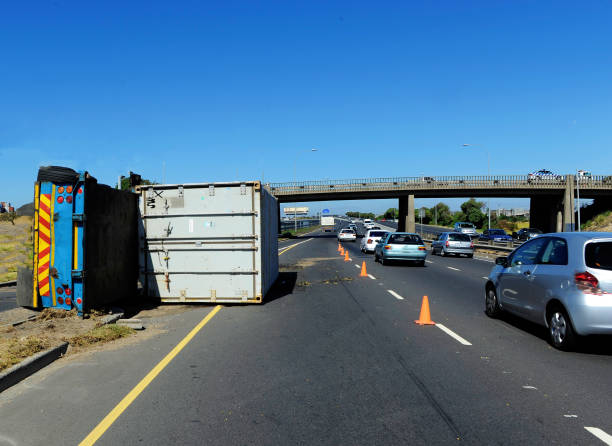
If a trailer is overloaded or the weight is distributed unevenly, it can cause it to “jackknife” or rollover. If a separate logistics company loaded its trailer, it may be liable for the cargo shift that led to a loss of control.
Maintenance Contractors
Many fleets outsource their repairs. If a repair was made by an independent contractor, and an accident was caused by a tire blowout or brake failure, a commercial vehicle accident lawyer will look at the maintenance logs. If a mechanic signed off on repairs that failed, they become the primary defendant in your claim.

Parts Manufacturer
Yes, even the parts manufacturer for an 18-wheeler can be held liable for an accident. Something as simple as a defective steering column can shift liability to the company that manufactured it.
Negligence Per Se
In most cases, you have to prove that the other person was being careless. But in a truck vehicle accident, if the driver violates a specific law, your lawyer uses a law called Negligence Per Se to presume they were negligent.
This prevents you from having to argue about whether the driver was careful enough. Because your lawyer can prove they broke the law by driving for 14 hours straight, for example, it establishes fault in the eyes of the law.
Why A Truck Accident Attorney is The Key to Disappearing Evidence
In big cases involving an 18-wheeler, it’s not uncommon for evidence to “disappear.” A truck accident lawyer will immediately issue a Letter of Spoliation to prevent the trucking company from destroying critical data, including:
Electronic Logging Device—Could be used to prove the driver violated “Hours of Service” (HOS) regulations and worked while fatigued.
Event Data Recorder—Records speed, braking patterns, and throttle position seconds before impact.
Maintenance History—Reveals if the company knowingly sent a dangerous vehicle onto I-10 or I-17.
Important Point:
Arizona follows a Pure Comparative Fault system. This means even if you were 10% at fault, you can still recover 90% of your damages—but the trucking company’s legal team will still fight to shift blame onto you as much as possible. That’s why it’s so important to connect with an attorney who specializes in commercial accident law for your case.

How Insurance Companies Try to Devalue Your Claim
After a crash, it’s pretty common to get a phone call from an insurance adjuster who seems incredibly kind and helpful. Don’t be fooled. Their job is to protect the trucking company and its insurance’s bank account, not yours. They’re following a strategy known as the “Three D’s”: Delay, Deny, and Defend.
What to Watch Out For:
The Friendly Recorded Statement
The adjuster may ask you to tell them your side of the story on record. They are looking for you to say something innocent. Even something like, “I’m doing okay today,” can be used against you in court.
The Lowball Quick-Cash Offer
They could offer you a paycheck within days of your 18-wheeler accident. It may seem like a good lump sum, but before you seek treatment for your injuries, it often is far less than what you need to pay for treatment. Once you sign the settlement paperwork, you can never seek more compensation.
Blaming You
Arizona is a Comparative Fault state, as we covered earlier, which means the insurance company can trick you into admitting you were even 10% responsible for the accident, and they’ll slash your payout by that much.
Why Time Matters for Your Case
In Arizona, the clock starts ticking on your case the moment the collision happens. While you might hear that you have “plenty of time,” truck accidents have much stricter hidden deadlines than a standard car accident.
For government trucks, for example, you have 180 days from the date of your accident to file a claim with the state, city, or county. If you miss that window, you won’t have the right to sue the government over the accident.
For accidents involving private trucking companies, Arizona law gives you two years to file a lawsuit. Keep in mind, however, most evidence for big-truck vehicle accidents disappears within weeks of the accident.
The bottom line: Don’t wait to contact a truck accident attorney about your incident. Act fast for the best chance of full compensation.
Don’t Let the Clock Run Out on Your Justice
By hiring a truck accident lawyer in Phoenix early, you level the playing field. Your attorney acts as your shield, handling aggressive insurance adjusters on your behalf.
If you’ve been involved in a commercial truck accident, we want to help. Contact our law firm and start building a case that gives you a chance at compensation for your case.
 by Zayed Al-Sayyed
How Much is My Dog Bite Case Worth? Understanding Arizona Settlements
The average dog bite settlement Arizona victims get is between $10,000 for minor injuries, up to $100,000 or $250,000 for serious cases.
How do you find out what your dog bite case is worth?
When you or a loved one is bitten by a dog, the aftermath is a blur of emergency rooms, police reports, and painful recovery. Once the shock wears off, the question becomes, who is going to pay for all of this, and what compensation can I expect for it?
That’s why we created a guide that breaks down the “dollar logic” behind Arizona settlements, so you can understand what goes into the valuation of your claim.
Economic Damages—The Fallout of an Average Dog Bite
When calculating the value of a dog bite case in Chandler, we begin with “Economic Damages.” These are objective, out-of-pocket financial losses that have a clear paper trail, receipts, invoices, and pay stubs.
Current and Future Medical Expenses
The first major in your compensation is the cost of healthcare. In the East Valley, medical care is high-quality, but it is also expensive.
- The initial ER Visit—A visit to an emergency department like Dignity Health—Chandler Regional Medical Center for wound cleaning, imaging, and stitches can easily range from $5,000 to $15,000 depending on the severity of the laceration.
- Follow-up care—This includes specialist visits, physical therapy to regain mobility in a bitten limb, and medications to prevent infections.
- Future expenses—Your claim should anticipate the costs of treatments you need in six months to a year from now.
Lost Wages and Diminished Earning Capacity
If your injuries prevent you from working, that’s another factor to consider in your compensation.
Direct income loss—This includes the hours you missed immediately following the attack and the time taken off for medical appointments.
Beyond the paycheck—We also calculate the value of used sick leave, vacation days (PTO), and missed bonuses or commissions.
Long-term impact—If you are a specialized professional in the Chandler tech corridor and nerve damage in your hand prevents you from performing your job, you may be entitled to “Loss of Earning Capacity.”
The Cost of Future Scar Revision Surgery
Scarring is the highest “hidden” cost in a dog bite case. Initial stitches close the wound, but they rarely leave the skin looking like it did before.
The Surgical Reality
For many victims, especially children, the initial scar is just the start. Plastic surgeons often recommend waiting 6 to 12 months for a scar to “mature” before performing revision surgery.
The Price Tag
In the Phoenix and Chandler area, a single surgical scar revision procedure can cost between $3,000 to $15,000, with more complex surgeries exceeding $30,000.
Additionally, some dog bites require a series of treatments, not just a single surgery.
Non-Economic Damages from Dog Bites
While economic damages cover your bills, non-economic damages offer compensation to you for the human cost of the attacks. These are considered intangible losses that don’t have receipts. Here’s what that looks like:
Pain, Suffering, and Emotional Distress
In Arizona, the law recognizes that a dog attack causes more than physical punctures. It causes mental and emotional trauma that can last a lifetime.
Invisible injuries—We regularly help clients seek compensation for Post-Traumatic Stress Disorder (PTSD), severe anxiety around animals, night terrors, and depression.
How Pain and Suffering are Calculated in Arizona
 There is no standard price for emotional trauma in Arizona; insurance companies and attorneys use one or two methods to reach a fair number. Here’s what those methods are:
The Multiplier Method
This is the most common approach. We take your total “Hard Costs” (medical bills and lost wages) and multiply them by a number between 1.5 and 5. If your medical bills are $10,000 and the trauma was severe, a multiplier of 3 would result in $30,000 for pain and suffering.
The Per Diem Method
This puts a dollar amount to every day you live with the pain, from the date of the attack until you reach “Maximum Medical Improvement” (MMI).
Why There Are No Caps in Arizona
The average dog bite settlement in Arizona has no legal cap on non-economic damages. The Arizona Constitution actually protects your right to recover full compensation for your suffering. This means that if you faced a particular vicious attack or permanent life changes as a result, your settlement doesn’t have an arbitrary ceiling.
How to Prove Pain and Suffering
-Mental health records—Seek counseling early to document the psychological impact.
-Daily journaling—Keep a log of your pain levels and anxiety or “triggers” you experience.
-Witness testimony—Statements from friends or family in Chandler who have seen how your attack changed your daily behavior.

Factors that Influence Your Settlement
Insurance Policy Limits
In Chandler and throughout Arizona, homeowners’ or renters’ insurance policies carry average liability limits between $100,000 and $500,000. This is typically the “ceiling” for your recovery. While your damages may exceed this, collecting behind the policy often requires identifying additional assets or “umbrella” policies common in higher-end East Valley neighborhoods.
The Impact of Permanent Disfigurement
Scars in visible areas, such as the face, neck, or hands, command a significantly higher settlement than hidden injuries. Arizona juries recognize the lifelong psychological toll that disfigurement puts a person under, and they award compensation accordingly.
A Dog Bite Damages Checklist
A dog bite compensation calculator should look at the following factors before producing a number.
- Ambulance and ER Intake
- Specialists (Nerve Specialists, Plastic Surgeons, Consultations, etc.)
- Mental Health Counseling
- Lost Wages & Bonuses
- Damaged Property (Phones, torn clothing)
Get Your Free Case Value Assessment
Don’t settle for less than your recovery is worth. If you’ve been injured in Chandler or anywhere in Arizona, our team gets to the “Dollar Logic” of your case and helps you hold insurance companies accountable.
We get you started with a Free Evaluation to help you determine the true value of your medical bills, lost wages, and future needs.
Call 602-952-9937 today or fill out the form, you pay nothing unless we win.
 by Zayed Al-Sayyed
Is it worth suing for a dog bite?
Were you bitten by a dog in Arizona? Under A.R.S. § 11-1025, Arizona is a strict liability state for dog bites someone in a public place or lawfully on private property, regardless of a dog’s prior behavior. This is in contrast to other states. In Arizona, you don’t have to prove a dog was vicious before the bite.
But who and how do you sue if you were bitten by a dog? Who does a dog bite lawyer in Arizona sue on your behalf?
In most cases, a lawsuit is handled by the dog owner’s homeowner’s insurance. Let’s explore how Arizona’s dog bite law works and what you need to know about it before you sue.
Arizona’s Strict Liability Laws Explained
Arizona does not have a ‘one-free-bite’ rule. Instead, the state has a strict liability law that holds dog owners responsible for their dog’s very first bite.
However, strict liability under A.R.S. § 11-1025 only applies to victims who are either in a public place or lawfully on private property.
For example, if you are a delivery driver dropping off a package to a home in Ocotillo and get bitten by a dog, or if you are a guest invited to a backyard BBQ in South Chandler and sustain a bite, the owner is liable.
What Is Considered A Dog Bite Under A.R.S. § 11-1025?
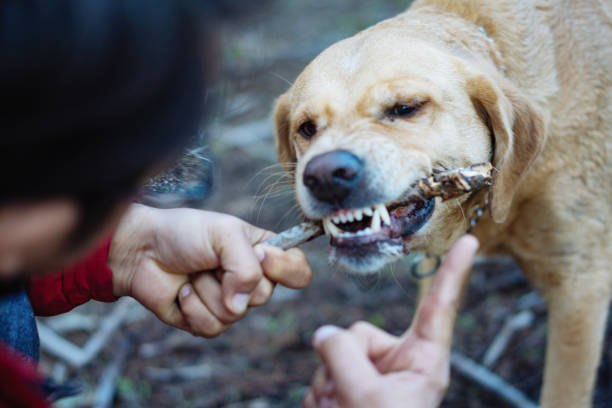
Strict liability under Arizona law requires that for an owner to be held liable for a dog bite, the dog’s teeth must make contact with the skin.
Another area to consider is that homeowners can claim that you provoked their dog, leading to the bite. However, petting or walking by a dog’s food bowl are examples that would not fall under provocation under Arizona law.
Calculating the “Worth” of Your Case
Tangible Costs—Medical Bills and Lost Wages
In Chandler, even a simple visit to the emergency room can lead to financial shock.
For example, initial treatment at a facility like Dignity Health—Chandler Regional Medical Center can range from $3,500 to $8,000 just for wound cleaning and stitches.
Other medical expenses could include:
- Infection prevention—if the dog’s vaccination history is unknown, rabies protocols or IV antibiotics can add thousands to the bill.
- Lost wages—This isn’t just missing a single day of work. If you work with your hands, you can suffer nerve damage and could be out of work for weeks.
Intangible Costs—Pain, Suffering, and PTSD
 An Arizona dog bite lawyer also recommends calculating the intangible costs of a dog bite. Obviously, there is no receipt for pain, suffering, or ongoing PTSD, which causes many insurance companies to overlook it. That doesn’t mean you can’t seek compensation for it in certain circumstances.
If you hire a lawyer, they’ll determine the damages associated with things like pain and suffering depending on the facts and circumstances of your case in order to account for the emotional toll.
For children or even adults who struggle with a phobia of dogs after a dog bite, counseling could be required. Professional Counseling at a place like the East Valley could cost upwards of $250 per session.
Let’s face it, no one deserves to spend the rest of their lives looking over their shoulders every time they walk through their neighborhood. Compensation is reasonable for the lifelong suffering of that level.
Long-Term Fallout Including Scarring and Reconstructive Surgery
If a dog bite leads to scarring and reconstructive surgery, it could be the most significant part of your claim.
Plastic surgeon’s fee for a simple scar revision can start at $3,500, without the costs associated with facility fees. However, complex facial reconstruction can easily exceed $10,000-$50,000. Insurance companies want to settle now, but scars can take 12 months to “mature.”
Most lawyers recommend you have a consultation with a plastic surgeon to determine the future cost of repairs before settling your lawsuit.
Any dog bite case you take up in Arizona should factor in all aspects of compensation, from plastic surgery to psychological therapy. A dog bite injury lawyer can help determine what to pursue in your case.

Why Time is Not on Your Side in Arizona
There is an Arizona dog bite statute of limitations. If you are bitten by a dog, there are two specific timelines to keep in mind.:
The 1-Year Statute of Limitations for Statutory Claims
In Arizona, you actually have two different “clocks” running at the same time. One is better than the other. Here’s how it breaks down.
The Strict Liability Clock (1 Year)
Under A.R.S. § 12-541, any liability created by statute, which includes Arizona’s famous strict liability for dog bites, must be filed within one year.
The Negligence Clock (2 Years)
You have two years to sue for negligence under Arizona law. However, the burden of proof is higher under this law. You are required to prove the owner was negligent or previously knew the dog was vicious.
Important: if you miss the one-year deadline, your case is going to be much more difficult to win. You effectively go from a slam dunk case to a significant uphill climb to win. So, don’t wait to take action on your dog bite case.
Steps to Take to Protect Your Right to Compensation
These steps are the first place to start your case and protect your right to compensation in a dog bite case.
- Call Maricopa County Animal Care & Control to report the bite
- Take Photos—Photograph the wounds before they’re bandaged and treated
- Identify any footage of the incident via neighbor ring cameras or eyewitnesses
- Save and don’t wash the clothing you were in when the incident occurred
- Speak with a dog bite lawyer in Arizona before signing any settlement agreement
- Create a medical paperwork trail by seeing a doctor
- Don’t give a recorded statement alone
Getting the Peace of Mind You Deserve
Getting bit by a dog is a terrifying, medically significant event. Compensation for the attack isn’t just about money. It’s about ensuring justice for you as a victim. You shouldn’t be burdened by the debt from an accident you weren’t responsible for.
Speak with an Experienced Arizona Dog Bite Attorney Today
Reach out to us for a free, no-obligation case review.
If we don’t win, you won’t pay a fee. Give us a call today at 602-952-9937.
 by Zayed Al-Sayyed
Common Causes of Truck Accidents in Arizona
Arizona, and the greater Phoenix metropolitan area see significant commercial traffic daily on major routes like I-10 and I-17. Accidents involving commercial trucks, due to their immense size and weight, are often catastrophic. Understanding the common causes of these collisions is essential for all drivers in the Grand Canyon State.
 If you or a loved one has been injured in a semi-truck accident, The Law Office of Zayed Al-Sayyed is dedicated to helping you understand your rights and the factors that may have contributed to your collision.
-
Driver Fatigue and Hours of Service Violations
One of the leading causes of truck accidents is driver fatigue. The pressure to meet tight delivery deadlines often results in drivers pushing past exhaustion, leading to impaired reaction times and judgment.
- The Problem: Despite strict federal Hours of Service (HOS) regulations designed to ensure adequate rest, violations are common. A fatigued driver poses a severe risk on Arizona’s highways, often leading to devastating, high-speed collisions.
-
Distracted Driving
A moment of inattention in a passenger car is dangerous; in a commercial truck, it can be lethal.
- Common Distractions: Texting, using a smartphone, eating, or interacting with in-cab technology all pull the driver’s focus from the road. Due to a truck’s expansive “no-zones” (blind spots), a distracted driver may not see a vehicle in an adjacent lane, resulting in a serious side-swipe or merging accident.
-
Speeding and Reckless Driving
Driving above the posted speed limit, or driving too fast for conditions, is a major factor in accidents. The physics of large trucks is unforgiving; a fully loaded semi-truck requires a much longer distance to stop than a standard passenger vehicle.
- Arizona Relevance: This is particularly critical during sudden weather events common in Arizona, such as severe monsoon rains, sudden dust storms (haboobs), or high winds, which drastically reduce visibility and traction.
-
Mechanical Failures and Negligent Maintenance
 Sometimes the fault lies not with the driver, but with the vehicle itself. Failure to conduct routine and mandatory maintenance can lead to disaster.
- Key Failures:
- Brake System Failure: A common issue given the stress on the system.
- Tire Blowouts: Exacerbated by the extreme heat of the Arizona summer.
- Defective Lighting: Reducing the truck’s visibility to other motorists at night.
When a trucking company cuts corners on maintenance, they may be held liable for resulting accidents.
-
Improper Cargo Loading
The way a commercial truck is loaded directly affects its stability and handling.
- The Danger: Overloaded trucks or cargo that is unsecured or unevenly distributed can cause the truck’s center of gravity to shift. This significantly increases the risk of rollovers on curves or highway ramps, and can lead to dangerous jackknife incidents.
-
Driving Under the Influence (DUI/DWI)
Impairment remains a significant safety hazard across the transportation industry. Operating a massive commercial vehicle while under the influence of alcohol, illegal substances, or even impairing prescription medication is a severe form of negligence that can destroy lives.
-
Negligence of Other Motorists
 It is vital to recognize that not every truck accident is the trucker’s fault. Many collisions are caused by passenger vehicle drivers who drive aggressively, tailgate, fail to yield right-of-way, or operate within the truck’s large blind spots (the “No-Zone”), creating an unavoidable situation for the truck driver.
Injured in a Truck Accident? We Can Help.
Determining the precise cause of a commercial truck accident requires a detailed and prompt investigation, including analysis of electronic logging devices (ELDs), driver logs, maintenance records, and potentially accident reconstruction.
If you or a loved one has been seriously injured in a collision involving a large truck in Chandler or anywhere in Arizona, do not face the powerful insurance companies alone. The Law Office of Zayed Al-Sayyed has the experience and dedication to investigate your case thoroughly, identify all liable parties, and fight tirelessly for the full compensation you need and deserve.
 by Zayed Al-Sayyed
What Is the Juliet Law in Arizona? Understanding the Close-in-Age Exemption
 In Arizona, the legal age of consent is 18, meaning individuals under this age cannot legally consent to sexual activity. However, Arizona recognizes that close-in-age relationships among teenagers and young adults may not warrant severe legal consequences. To address this, Arizona has enacted what is commonly referred to as the Juliet Law, officially known as the Romeo and Juliet Law. This law provides a legal defense for certain sexual conduct offenses involving minors and young adults who are close in age.
What Is the Juliet Law?
Arizona’s Juliet Law serves as a close-in-age exemption to statutory rape charges. It allows young individuals who are close in age to engage in consensual sexual activity without facing severe legal penalties. The law applies under specific conditions:
- Age of the Minor: The minor involved must be between 15 and 17 years old.
- Age of the Defendant: The defendant must be under 19 years old or attending high school and must be no more than 3 years older than the minor.
- Consensual Conduct: The sexual conduct must be consensual.
This exemption applies to offenses such as sexual conduct with a minor and aggravated luring of a minor for sexual exploitation.
Recent Legislative Changes
In 2024, Arizona’s legislature enacted House Bill 2242, which amended the Juliet Law. The changes include:
- Increased Felony Classification: Sexual conduct with a minor aged 15 or older is now classified as a Class 4 felony, up from a Class 6 felony.
- Mandatory Jail Time: Individuals convicted of this offense and placed on probation are now required to serve at least one year in jail.
These changes aim to address concerns about the age gap in relationships involving minors and young adults.
 Real-World Example
Consider the case of Amy, a 19-year-old high school senior, and her boyfriend Jake, a 17-year-old senior. If Amy engages in consensual sexual activity with Jake, she could potentially face charges of sexual conduct with a minor. However, under the Juliet Law, Amy may have a legal defense if she can demonstrate that the relationship was consensual and that the age difference was within the legal limits.
Frequently Asked Questions (FAQs)
Q: Does the Juliet Law apply to all sexual offenses involving minors?
A: No, the Juliet Law applies only to specific offenses, including sexual conduct with a minor and aggravated luring of a minor for sexual exploitation. It does not apply to other sexual offenses.
Q: Can the Juliet Law be used as a defense in all cases involving close-in-age relationships?
A: No, the Juliet Law is an affirmative defense, meaning the defendant must raise it in court. The court will then determine if the defense is applicable based on the specific circumstances of the case.
Q: How does the Juliet Law differ from the age of consent laws?
A: The age of consent laws set the minimum age at which an individual can legally engage in sexual activity. The Juliet Law provides an exemption to these laws for individuals who are close in age and engaged in consensual sexual conduct.
Q: What are the potential legal consequences if the Juliet Law does not apply?
A: If the Juliet Law does not apply, individuals may face serious legal consequences, including felony charges, imprisonment, and mandatory sex offender registration.
Arizona’s Juliet Law provides a legal defense for consensual sexual conduct between minors and young adults who are close in age. Understanding the specifics of this law is crucial for individuals who may find themselves in situations where the law could apply. If you or someone you know is facing charges related to sexual conduct with a minor, it is essential to consult with an experienced attorney to understand your rights and options.
For legal assistance or more information on Arizona’s Juliet Law, contact Zayed Al-Sayyed, a dedicated attorney committed to defending your rights.
 by Zayed Al-Sayyed
What Kind of Crime Is Most Common in Phoenix?
Understanding the prevalent types of crime in Phoenix is crucial for residents and visitors alike. In 2024, the city experienced a mix of property and violent crimes, with certain offenses occurring more frequently than others. As a seasoned attorney, Zayed Al-Sayyed provides an in-depth look at the most common crimes in Phoenix, offering context and legal insights.
-
Property Crimes: Larceny-Theft
 Larceny-theft stands out as the most common crime in Phoenix. This category encompasses a wide range of offenses, from shoplifting and purse snatching to grand theft and embezzlement. In 2024, there were approximately 19,796 reported cases of larceny-theft in the city.
Example: A resident’s bicycle is stolen from a secured apartment complex. While the theft is non-violent, it still constitutes larceny-theft under Arizona law.
-
Violent Crimes: Domestic Violence
 While violent crimes like homicides and robberies are concerning, domestic violence has emerged as a significant issue in Phoenix. In 2024, there were about 22,000 domestic violence-related calls made to Phoenix authorities, marking an uptick from previous years. (azfamily.com)
Example: A dispute between cohabitants escalates, leading to physical altercations. Such incidents often result in legal consequences, including restraining orders and potential criminal charges.
-
Other Notable Crimes
- Trespassing: With over 67,000 reported incidents in 2024, trespassing remains a prevalent issue in Phoenix. (azfamily.com)
- Suspicious Persons: Calls regarding suspicious individuals have increased, reflecting heightened community vigilance.
- Motor Vehicle Theft: Although not as prevalent as larceny-theft, vehicle theft continues to be a concern, with a notable number of incidents reported in 2024.
Recent Case Highlight
In a high-profile case from July 2024, Chase Scott Christman was sentenced to life in prison for the murders of three individuals at a Phoenix apartment. The crimes, committed during a robbery attempt, underscore the severe consequences of violent offenses. (apnews.com)
Frequently Asked Questions (FAQs)
Q1: How can I protect myself from becoming a victim of larceny-theft?
A1: Implementing preventive measures, such as securing personal belongings, installing security systems, and being vigilant in public spaces, can reduce the risk of theft.
Q2: What should I do if I’m involved in a domestic violence situation?
A2: It’s essential to seek immediate help. Contact local authorities, reach out to support organizations, and consult with legal professionals to understand your rights and options.
Q3: Are there any community programs addressing crime prevention in Phoenix?
A3: Yes, the City of Phoenix has initiated various community safety plans aimed at reducing crime rates and enhancing neighborhood safety. These programs focus on community engagement, law enforcement collaboration, and preventive measures. (phoenix.gov)
While Phoenix has seen a decline in certain crime rates, property crimes like larceny-theft and issues such as domestic violence remain prevalent concerns. Staying informed and proactive can help residents navigate and mitigate these challenges. For legal assistance or more information on crime-related matters, Zayed Al-Sayyed is here to help.
 by Zayed Al-Sayyed
Is Arizona a Right to Defend State? Understanding Stand Your Ground and Castle Doctrine Laws
If you ever find yourself in a situation where your safety—or the safety of your loved ones—is at risk, knowing your legal rights is crucial. Many people wonder, “Is Arizona a right to defend state?” The answer is yes: Arizona law provides strong protections for individuals defending themselves, their families, and their property.
Two legal principles are central to this protection: Stand Your Ground laws and the Castle Doctrine. As a top-rated personal injury and criminal defense attorney, Zayed Al-Sayyed explains how these laws work and what every Arizonan should know about self-defense.
Arizona Stand Your Ground Law Explained
 Arizona is a Stand Your Ground state, meaning you do not have a duty to retreat when faced with an imminent threat, provided you are lawfully present. This law applies both in public spaces and on your property.
For example, imagine you are walking in a parking lot and someone attempts to assault you. In Arizona, you are legally permitted to defend yourself with reasonable force, even if retreat is possible. The critical point is that the force used must be proportionate to the threat. Using deadly force is only justified if you reasonably believe it is necessary to prevent death or serious bodily harm.
According to Arizona Revised Statutes §13-404, a person is justified in using physical force in self-defense if they reasonably believe it is necessary to protect themselves from imminent harm.
Castle Doctrine in Arizona
The Castle Doctrine expands on Stand Your Ground protections for those defending themselves in their home, vehicle, or workplace. This law assumes that your home is your sanctuary, so you do not have to retreat if someone unlawfully enters your space.
Key points include:
- You may use reasonable or deadly force to prevent unlawful entry or protect against assault.
- There is no legal requirement to retreat in your own home.
- The law protects both homeowners and residents defending family members.
A well-known case highlighting the Castle Doctrine is State v. Gonzalez (2012), where a homeowner used force against an intruder attempting a burglary. The court upheld the homeowner’s right to self-defense under Arizona law.
For official resources, see the Arizona Judicial Branch overview of self-defense.
Examples of Arizona Self-Defense in Action
- Public Self-Defense: An individual is threatened at a gas station and uses force to stop the attacker. Stand Your Ground protections apply, provided the response was reasonable.
- Home Defense: A homeowner confronts an intruder in their garage and uses force to prevent harm. Castle Doctrine protections apply.
- Workplace Safety: An employee is threatened by an aggressor at work. Self-defense laws cover this scenario if the employee is lawfully present.
These examples illustrate that while Arizona law is protective, the reasonableness of the response is always a key factor in legal outcomes.
Important Limitations
 Arizona self-defense laws are protective but not absolute. Some limitations include:
- Excessive Force: Using more force than necessary may result in criminal charges.
- Initial Aggressor Rule: If you start the confrontation, you may lose Stand Your Ground protections.
- Illegal Situations: Force used during the commission of a crime is not protected.
Frequently Asked Questions (FAQs)
Q: Can I use a firearm under Arizona Stand Your Ground laws?
Yes, but only if you reasonably believe deadly force is necessary to prevent death or serious injury. Training and responsible use are essential.
Q: Do I have to retreat from an attacker in public?
No. Arizona’s Stand Your Ground law allows you to defend yourself without retreating if you are lawfully present.
Q: Does the Castle Doctrine cover vehicles?
Yes. Arizona law includes vehicles as part of the Castle Doctrine, protecting occupants from threats while inside.
Q: What should I do after using force in self-defense?
Contact an experienced attorney immediately. Document the incident, but avoid making statements to law enforcement without legal guidance. Zayed Al-Sayyed can help protect your rights.
Arizona is a right to defend state, providing strong legal protections through Stand Your Ground laws and the Castle Doctrine. Understanding your rights, the limits of self-defense, and how to act responsibly is crucial for your safety and legal protection.
If you are involved in a self-defense incident, criminal investigation, or personal injury situation, trust the expertise of Zayed Al-Sayyed, a top-rated attorney dedicated to defending your rights and guiding you through complex legal matters.
 by Zayed Al-Sayyed
Possession of Cocaine in Arizona: What You Need to Know
 Being charged with possession of cocaine in Arizona is a serious matter that requires immediate legal attention. At The Law Office of Zayed Al-Sayyed, PLLC, we aggressively defend individuals facing drug-related charges and work to protect their rights and future.
Cocaine Classification Under Arizona Law
Under Arizona Revised Statutes § 13-3408, cocaine is classified as a narcotic drug, and possession, use, sale, or transportation is considered a felony offense.
You can view the full statute here:
ARS § 13-3408 – Possession, Use, Administration, Acquisition, Sale, Manufacture or Transportation of Narcotic Drugs
Penalties for Cocaine Possession in Arizona
Penalties depend on the amount of cocaine involved, prior criminal history, and whether there was intent to sell. Below is a general overview:
| Charge Type | Felony Class | Possible Penalties |
| Possession for personal use | Class 4 felony | Up to 3.75 years in prison for a first-time offense; probation possible |
| Possession for sale / trafficking | Class 2 felony | Significantly higher prison terms |
| Fines | — | Minimum $2,000 or three times the value of the drug, whichever is greater |
Note: Felony convictions may lead to loss of civil rights, gun ownership restrictions, employment issues, and more.
 Threshold Amounts of Cocaine
Arizona uses “threshold amounts” to determine whether charges may escalate and probation eligibility:
- 9 grams of powdered cocaine
- 750 milligrams of cocaine base (e.g., crack)
Possession over these threshold amounts may result in more severe charges and reduced opportunities for probation.
Possible Defenses Against a Cocaine Possession Charge
A skilled criminal defense attorney may be able to challenge your case using one or more of the following strategies:
- Unlawful search and seizure (Fourth Amendment violations)
- Lack of knowledge or constructive possession
- Entrapment
- Eligibility under Proposition 200 (probation for qualifying first-time offenders)
- Diversion programs for non-violent offenders
Each case is unique, and identifying the strongest legal strategy depends on the circumstances of your arrest and the evidence presented.
Why You Need an Experienced Phoenix Criminal Defense Attorney
 Drug crimes involving cocaine can lead to life-changing consequences. You need a defense attorney who:
- Understands Arizona criminal justice procedures
- Knows how prosecutors handle drug charges
- Has a proven record of defending serious narcotics offenses
- Fights for case dismissal, reduced charges, or alternative sentencing when possible
At The Law Office of Zayed Al-Sayyed, we provide strategic, aggressive, and results-driven representation.
What to Do If You’ve Been Charged
If you or someone you know is facing cocaine possession charges:
- Do not speak to law enforcement without legal representation
- Contact a criminal defense lawyer immediately
- Preserve documents and evidence from the arrest
- Avoid posting anything related to the case on social media
Being charged does not mean you will be convicted. The earlier you involve an experienced attorney, the better your chances of achieving a favorable outcome.
Call The Law Office of Zayed Al-Sayyed, PLLC today for a free and confidential consultation.
Let our team fight to protect your future.
