


 بقلم زايد السيد
Arizona Bicycle Laws 2024
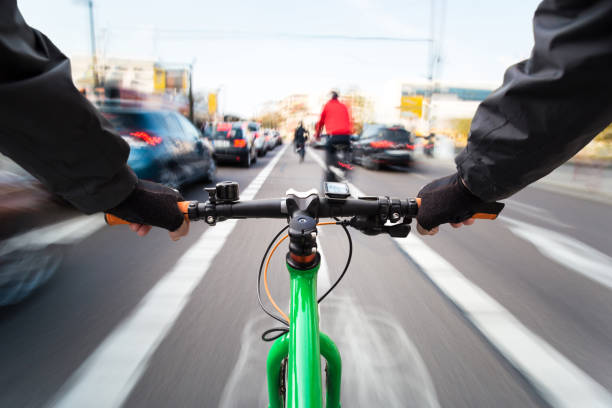 Bicycling is a popular outdoor activity in Arizona, from exercising to spending time with your family. Due to the climate in Arizona, bicycling can be a year-round activity. This makes it important to be aware of Arizona bicycle laws in 2024.
Whether you are a casual bike rider or an avid cyclist, we’ll cover everything you need to know about Arizona bicycle laws. Following the proper laws keeps both you and motorists safe, reducing the risk of serious accidents.
What is a Bicycle in Arizona?
According to Section 28-101(10), a bicycle is a device that is propelled by human power that a person rides on. This section further defines a bicycle as having two wheels that are more than sixteen inches in diameter. Arizona does classify racing wheelchairs, electronic assistant bikes with pedals, and tricycles as bicycles. Children’s bikes that contain small wheels are not considered bicycles.
Deciphering Arizona Bicycle Laws 2024
Arizona bicycle laws are outlined in Title 28 of the Arizona Revised Code. However, certain situations, like accidents, will draw in the state’s “common law.” Let’s go through some of the main Arizona bicycle laws.
Parent and Guardian Responsibility
Section 28-811 requires parents to make sure their children are following the laws any time they are riding bicycles on the highway or designated bicycle path.
Obeying Traffic laws
Arizona Section 28-812 makes it legal for bicycles to ride on traffic lanes if the cyclist follows the same laws as motorists. However, any traffic violations by cyclists will not result in the loss of license.
Bicycling Riding
Section 28-813 requires bicyclists to ride on a permanently affixed seat and avoid carrying more people than the bicycle is intended for. This means only one person can ride a bike at a time and riding on the handlebars is specifically prohibited.
Clinging to Vehicles
Arizona Section 28-814 makes it illegal to cling onto a moving vehicle.
 Bicycle Path Usage
Section 28-815 outlines that cyclists must ride on the right-hand curb or edge of the roadway. However, if the cyclist is keeping up with traffic, passes another vehicle traveling in the same direction, is preparing for a left turn, moves to the center lane to avoid a hazard, or the lane is too narrow to travel, the cyclist does not need to follow this rule.
Carrying Items
Arizona does allow bicyclists to carry items in a basket or bag on the bicycle under Section 28-816. Additionally, one hand can be used to carry items.
Upgrading Bicycle Equipment
Arizona Section 28-817 requires bicycles to have a brake. In addition, headlights for nighttime riding, read reflectors or lights, and sirens or whistles may also be required.
Electric Bicycles
Section 28-819 clarifies that electric bicycles and electric standup scooters are considered bicycles under Arizona law.
ملخص
Are you ready to take your bike out for a spin in Arizona? If so, it’s important to keep these laws in mind. If you are facing a bicycle-related incident, contact a qualified Arizona attorney right away. Our team at The Law Office of Zayed Al-Sayyed can help you work through your options.
 بقلم زايد السيد
Arizona Bicycle Helmet Laws
 Bicycling is a great way to enjoy the beautiful Arizona weather, spend time with families and friends, and get in your daily dose of exercise. However, before you put the pedal to the metal, it’s important that you’re aware of Arizona bicycle helmet laws.
Just like motorists have safety laws in place to prevent serious accidents, so do cyclists. In this article, we’ll cover the Arizona bicycle helmet laws you need to know to avoid an unexpected ticket and increase your safety.
Understanding Arizona Bicycle Helmet Laws
Arizona bicycle helmet laws date back to 1993, when Tucson required the use of helmets for cyclists under the age of 18. Soon after, other cities joined in the movement, with some jurisdictions expanding the laws to apply to motor scooters, off-road bikes, skateboards, and inline skates.
Some cities have advocated for changing legislation to require all cyclists, regardless of age, to wear a helmet, but these movements fell flat. Arizona state does not have any legislation in place requiring the use of helmets, but local jurisdictions may have other requirements Let’s explore some of the Arizona statutes in more detail.
 Arizona Section 28-813
This section of Arizona laws requires bike riders to use an affixed seat when riding. In addition, Arizona bike riders cannot carry more people than the bike is designed for. For example, you can’t have a passenger ride on the handlebars of the bike.
Arizona Section 28-814
Arizona Section 28-814 prohibits bike riders from attaching themselves to vehicles, such as holding on while the vehicle is in motion.
Arizona Section 28-815
This section outlines that there cannot be more than two riders side-by-side when on the road. This law is not applicable to bike paths.
Arizona Section 28-816
Similar to operating a motor vehicle, texting while riding a bike is not allowed. The cyclist must have at least one hand on the handlebar at all times. Local jurisdictions might have more defined laws in place for texting while riding a bike.
Arizona Section 28-817
 Riding a bike at night opens the door to added requirements under Section 28-817. For one, bicyclists must have a headlight that is visible from 500 feet attached to the front of the bike. In addition, the bike needs a reflector on the rear that is visible from 50 to 300 feet away. A light that emits red light on the rear is also required.
ملخص
Following these guidelines is required when riding a bike in Arizona. However, these aren’t the only laws that you might be subject to. Individual cities and municipalities might have expanded requirements for bike riders. Understanding all of the laws you are subject to helps you maintain compliance and protects you from serious accidents.
If you were involved in an Arizona bike accident, it’s important to reach out to a qualified attorney right away. Working with a professional ensures you are maximizing the likelihood of a positive outcome. Contact the team at The Law Office of Zayed Al-Sayyed today to schedule your free consultation.
 بقلم زايد السيد
ما هو قانون التقادم في حالات الانزلاق والسقوط في ولاية أريزونا؟
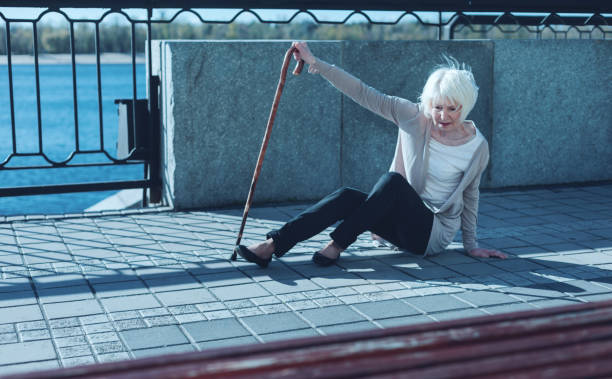 Were you involved in a slip and fall accident? Symptoms and side effects from slip and fall accidents can take a while to appear. This can leave you questioning, “What is the statute of limitations on a slip and fall in Arizona?”
Understanding the statute of limitations is important to bring a timely case forward. After all, if you are experiencing side effects as a result of a slip and fall accident, receiving damages can help pay for medical bills and lost wages. In this article, we’ll cover everything you need to know about the slip and fall statute of limitations.
ما هو قانون التقادم في حالات الانزلاق والسقوط في ولاية أريزونا؟
 According to ARS 12-542, wrongfully injured parties have two years to file a claim. This two-year period starts on the date of the incident. For example, if you fell on a mopped surface without the proper signage on December 31, 2024, you would have until December 31, 2026 to file a timely claim.
Filing a Slip and Fall Lawsuit on Someone’s Behalf
There are instances where you can file a slip and fall lawsuit on someone’s behalf. First, ARS 12-611 holds individuals and corporations liable when a slip and fall accident results in death. Wrongful death claims can be filed by surviving spouses, children, guardians, parents, and other representatives. Similarly, if a child is involved in a slip and fall accident, ARS 12-641 gives the parent the right to pursue personal injury legal action on behalf of the child.
How to Bring a Slip and Fall Lawsuit Forward
 Most slip and fall lawsuits seek damages as a result of a property owner’s negligence. To prove slip and fall liability, there are a few factors that must be identified. First, the party must be the rightful owner of the property where the slip and fall took place to be named as the defendant.
Next, there needs to be a hazard or defect on the property that the owner should have fixed. This hazard or defect is also what caused the accident and injuries. Finally, actual damage must have occurred from the slip and fall accident. These damages can be both physical and emotional. Remember, to abide by the statute of limitation rules, a slip and fall claim must be brought forward within two years of the incident date.
ملخص
Have you been involved in a slip and fall accident? Are you still within the statute of limitations? If so, contact The Law Office of Zayed Al-Sayyed today. We are the experts you need on your slip and fall case. Reach out today to schedule your free consultation.
 بقلم زايد السيد
ماذا تفعل بعد وقوع حادث في أريزونا؟
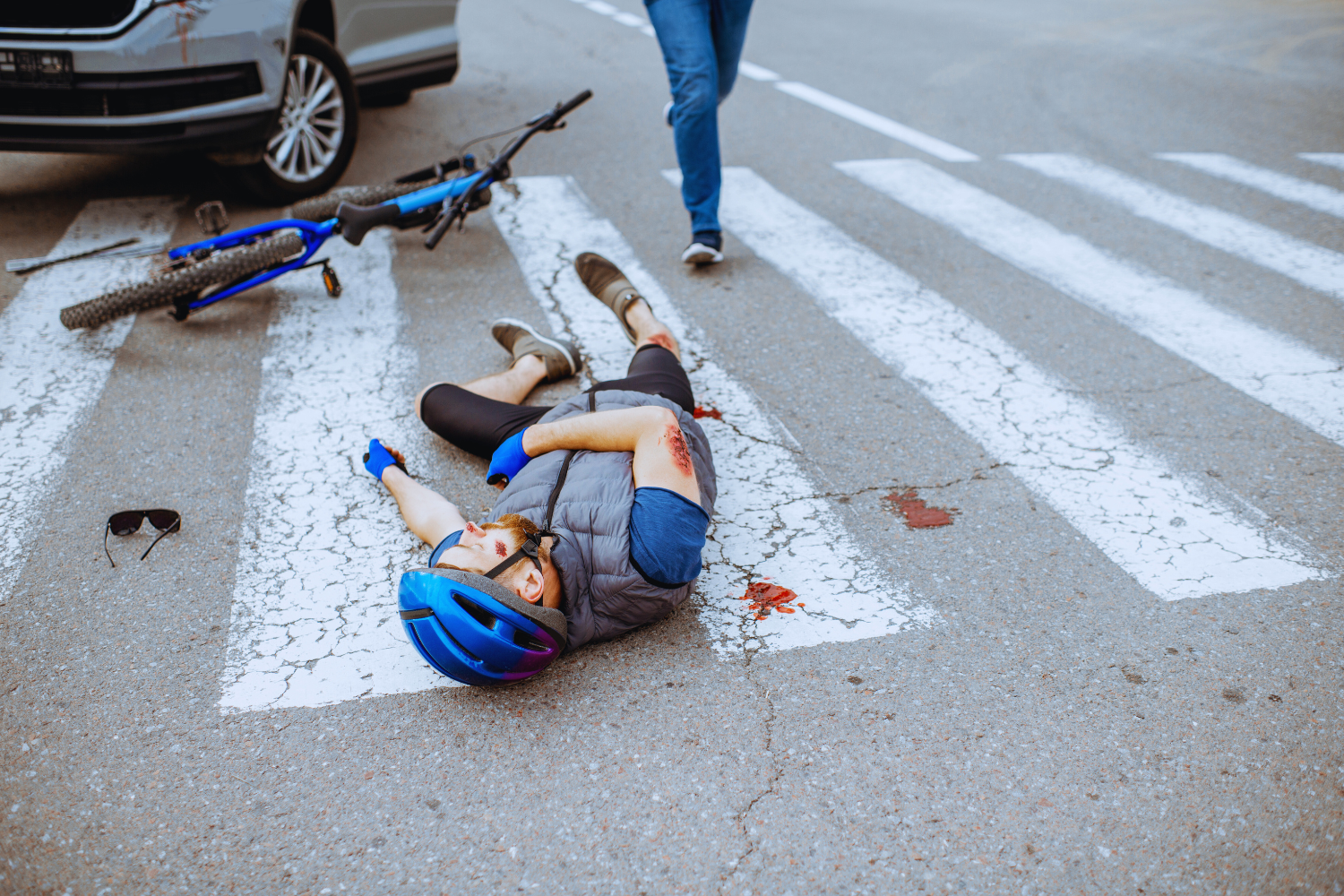
الحوادث هي جزء مؤسف من الحياة. إذا تعرضت لحادث، فقد تتساءل عما سيحدث بعد ذلك. مع وقوع أكثر من 120,000 حادث سيارة في ولاية أريزونا في عام 2022 وحده، من المهم أن تكون على دراية بالخطوات التي يجب اتخاذها بعد وقوع حادث.
اتصل بالسلطات
 الخطوة الأولى هي الاتصال بالسلطات. حتى لو لم يبد أن أحداً قد أصيب بجروح جسدية، فمن الأفضل الاتصال بالشرطة على الفور. وجود ضابط شرطة في مكان الحادث يمكن أن يخفف التوتر بين الأطراف المعنية، ويسهل عملية المطالبة بالتأمين، ويساعد في التحقق مما حدث بالفعل. قاوم الرغبة في مجرد "تبادل المعلومات".
عند وصول الشرطة، كن صريحًا وصادقًا بشأن الموقف، حتى لو كنت المخطئ. كن دقيقًا وواضحًا قدر الإمكان لمساعدة الضابط على فهم ما حدث. إذا كنت لا تعرف إجابة سؤال الضابط، فلا تحاول التخمين. بدلاً من ذلك، قل إنك لا تعرف.
إذا كنت متورطًا في حادث كبير وكنت المخطئ، فقد يكون من المفيد أن يكون محامي حوادث السيارات في فينيكس بجانبك قبل الإدلاء بأي تصريحات.
تفاصيل الوثيقة ذات الصلة
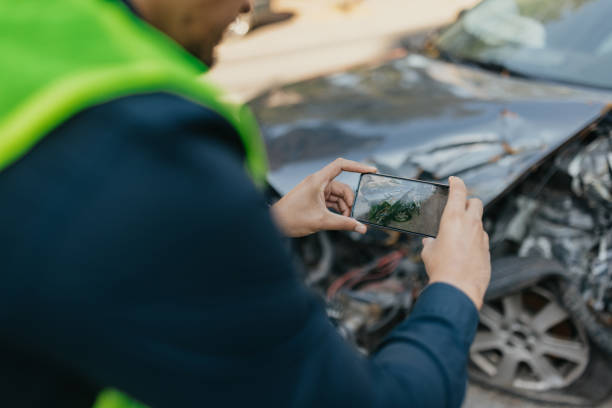
بمجرد استدعاء الشرطة، قم بتوثيق أي تفاصيل ذات صلة بالحادث. ويشمل ذلك التقاط صور للأضرار التي لحقت بكلا المركبتين. لا تعتمد على الشرطة أو الطرف الآخر في التقاط الصور. احصل على أدلتك الخاصة.
تأكد أيضًا من تصوير مقطع فيديو لموقع الحادث والمركبات المتورطة فيه والمناطق المحيطة. لا يمكنك أن تعرف أبدًا ما قد تلتقطه الكاميرا في الفيديو مما قد يساعدك في قضيتك لاحقًا.
بالإضافة إلى ذلك، التقط صوراً للعلامات والمعالم والإصابات الأخرى. تذكر أنه لا يمكنك التدخل في تحقيقات الشرطة أو التطفل على طرف آخر يتلقى الرعاية الطبية. ومع ذلك، قم بتوثيق الحادث بأفضل ما لديك من قدرات.
اتصل بشركة التأمين الخاصة بك
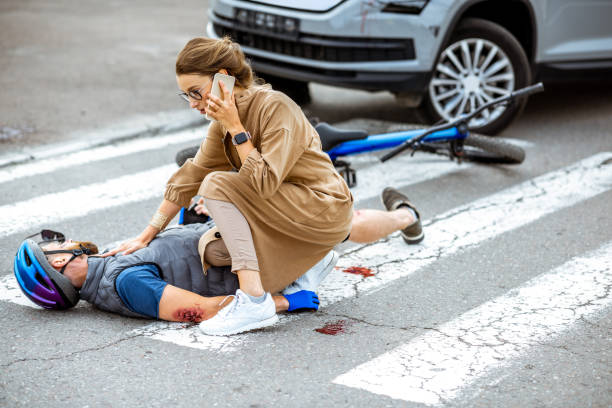 عند وقوع حادث، من المرجح أن تتدخل شركات التأمين. ولاية أريزونا تطلب من السائقين أن يكون لديهم التغطية الدنيا 25,000 دولار أمريكي لشخص واحد تعرض لإصابة، و50,000 دولار أمريكي لشخصين أو أكثر، و15,000 دولار أمريكي للأضرار المادية.
أولاً، حدد ما إذا كان لديك أي تغطية خاصة يمكن أن تساعد في دفع الفواتير الطبية، مثل medpay. تدفع Medpay الفواتير الطبية الفورية بغض النظر عن الطرف المخطئ. قبل دفع أي تعويضات، ستطرح عليك شركات التأمين أسئلة حول الحادث.
كن صادقًا ولكن كن على علم بأن شركات التأمين تبحث عمومًا عن سبب لرفض مطالبتك. مثل الإفادات للشرطة، لا تقدم إفادة رسمية لشركة التأمين الخاصة بك دون حضور محامي حوادث في فينيكس.
اتصل بمحامٍ
قد يكون من الصعب تتبع جميع المراسلات والوثائق المتعلقة بحادثك. لهذا السبب يلجأ الكثير من الناس إلى الاستعانة بمحامٍ متخصص في حوادث السير. لا يقتصر دور محامي حوادث السير على مساعدتك في التواصل مع الشرطة ووكيل التأمين الخاص بك، بل يمكنه أيضًا تمثيلك في الحوادث الخطيرة التي قد تتطلب إجراءات قضائية.
الاتصال بمحامٍ أمر بالغ الأهمية إذا كنت الطرف المتضرر في حادث. حتى إذا ثبت أنك مسؤول جزئياً عن الحادث، يمكنك الحصول على تعويض عن الأضرار. اتصل بفريقنا في مكتب زايد السيد للمحاماة اليوم لتحديد موعد لاستشارة مجانية.
 بقلم زايد السيد
كيف أبلغ عن حادث سيارة في ولاية أريزونا؟
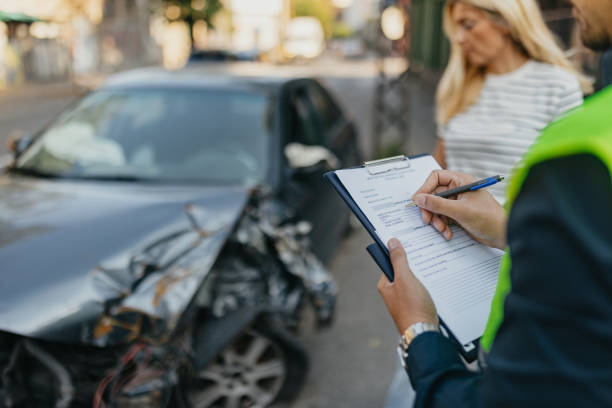 هل تعرضت لحادث سيارة؟ هل شاهدت حادثًا؟ في كلتا الحالتين، قد تتساءل: "كيف أبلغ عن حادث سيارة في ولاية أريزونا؟" في هذه المقالة، سنتناول كيفية الإبلاغ عن حادث سيارة في ولاية أريزونا، والخطوات التي يجب اتباعها، والتفاصيل التي تحتاج إلى معرفتها حول تقديم بلاغات الشرطة.
كيف أبلغ عن حادث سيارة في ولاية أريزونا؟
أسرع طريقة للإبلاغ عن حادث سيارة في ولاية أريزونا هي الاتصال برقم 911. سيؤدي ذلك إلى توصيلك بموظفي الطوارئ الذين يمكنهم الاتصال بضباط الشرطة وإرسال أول المستجيبين إلى مكان الحادث. حتى إذا لم تكن متورطًا في الحادث، فمن الأفضل الاتصال بالسلطات. عندما يقع حادث، يرتفع مستوى الأدرينالين، وتريد أن تتأكد من أن قوات إنفاذ القانون في طريقها إلى المكان.
إجراءات الإبلاغ عن الحوادث في ولاية أريزونا
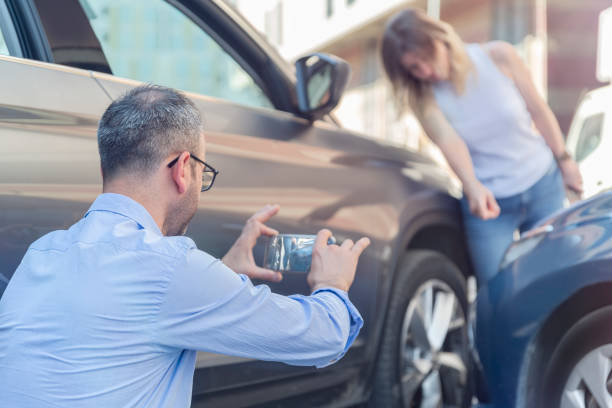
تحدد وزارة النقل في ولاية أريزونا الخطوات التي يجب اتخاذها بعد وقوع حادث. أولاً، يجب عليك الابتعاد عن الطريق بأمان. إذا كنت في منتصف الطريق وكانت سيارتك قابلة للقيادة، فانتقل إلى جانب الطريق. إذا كانت سيارتك محطمة تماماً ويمكنك الخروج منها بأمان، فانتقل إلى مكان آمن بعيداً عن الطريق.
بعد ذلك، قدم المساعدة للأطراف الأخرى. سواء كنت متورطًا في الحادث أو أول من وصل إلى مكان الحادث كشاهد، عليك التأكد من أن الجميع في حالة تأهب وأمان. إذا كان الحادث خطيرًا، فقد تحتاج إلى الانتظار حتى وصول فرق الطوارئ إلى مكان الحادث.
بمجرد وصول الشرطة إلى مكان الحادث، قد يتعين عليك الإجابة على الأسئلة والإدلاء ببيان حول الحادث. حتى لو كنت شاهدًا، فقد تكون شهادتك وبيانك حاسمين في التحقيق.
تقديم بلاغ للشرطة
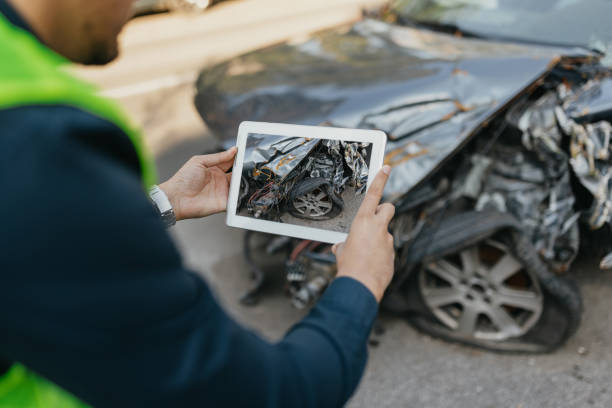 على الرغم من أنك لست ملزماً دائماً بتقديم بلاغ للشرطة، إلا أنك ملزم بالبقاء في مكان الحادث حتى تسمح لك سلطات إنفاذ القانون بمغادرته. إذا كان الحادث عبارة عن اصطدام بسيط، فقد لا يقوم الضابط بتقديم بلاغ. ومع ذلك، بالنسبة لحوادث أكثر خطورة، حوادث خطيرة، سيتم دائمًا إعداد تقرير شرطة.
تشمل الحالات التي تتطلب تقريرًا من الشرطة الإصابات الجسدية أو الوفاة لأحد الأطراف المعنية، أو الأضرار المادية التي تتجاوز قيمتها 1000 دولار، أو إصدار مخالفة متعلقة بالحادث. قد يؤدي الهروب من مكان الحادث إلى توجيه تهم جنائية وإيقاف رخصة القيادة.
عندما لا يتم إصدار تقرير الشرطة في مكان الحادث، يمكنك الاتصال بمركز الشرطة المحلي أو دورية الطرق السريعة أو مأمور المقاطعة. توفر بعض السلطات القضائية أيضًا موارد للإبلاغ عبر الإنترنت. إن تقديم تقرير للشرطة يقلل من خطر ادعاء الطرف الآخر بأنك المخطئ.
الاتصال بمحامي حوادث فينيكس
سواء كنت متورطًا بشكل مباشر في حادث سيارة أو كنت شاهدًا عليه، من المهم أن يكون لديك محامٍ يعمل معك. يمكن لمحامي حوادث فينيكس مساعدتك في تحديد أفضل إجراء يمكن اتخاذه بعد حادث سيارة، بما في ذلك استرداد الأضرار. لمزيد من المعلومات حول حالتك الخاصة، تواصل مع فريقنا في مكتب زايد السيد للمحاماة اليوم لمعرفة المزيد.
 بقلم زايد السيد
كيف يمكنني الحصول على معلومات عن حوادث السيارات المحلية؟
 لسوء الحظ، حوادث السيارات شائعة، خاصة في فينيكس. قد يدفعك هذا إلى التساؤل: "كيف يمكنني معرفة حوادث السيارات المحلية؟" هناك ثلاث طرق رئيسية يمكنك من خلالها معرفة حوادث السيارات المحلية: المستشفيات، أقسام الشرطة، والاتصالات الشخصية.
في هذه المقالة، سوف نستكشف كل طريقة من هذه الطرق الثلاث بمزيد من التفصيل، ونقدم لك المعلومات اللازمة لمعرفة المزيد عن حوادث السيارات المحلية.
كيف يمكنني الحصول على معلومات عن حوادث السيارات المحلية؟
قد يكون اكتشاف ما إذا كان أحد أفراد العائلة أو الأصدقاء قد تعرض لحادث أمرًا مربكًا. فيما يلي ثلاث طرق يمكنك استخدامها:
المستشفيات المحلية
في حوادث السيارات الخطيرة، يتم نقل المصابين إلى مستشفى أو مرفق طبي محلي. لذا، فإن الاتصال بالمستشفيات المحلية هو أفضل مكان للبدء. اتصل بالمستشفيات والمرافق الطبية القريبة من المنطقة التي كان يسافر فيها أحد أفراد عائلتك أو أصدقائك أو أحبائك.
تذكر أن المهنيين الطبيين لا يمكنهم الكشف عن المعلومات الشخصية بموجب قانون نقل التأمين الصحي والمساءلة (HIPAA). ومع ذلك، يمكنهم عمومًا إخبارك إذا كان المريض موجودًا في المنشأة إذا كان لديك اسمه.
إدارات الشرطة
 الطريقة التالية التي يمكنك استخدامها لمعرفة المزيد عن حوادث السيارات المحلية هي من خلال قسم الشرطة. في معظم الحوادث، يتواجد ضابط شرطة في مكان الحادث لمساعدة المصابين وإعداد تقرير عن حادث السيارة وإدارة حركة المرور.
يمكنك الاتصال بقسم الشرطة لمعرفة ما إذا كان لديهم أي بلاغات حديثة عن حوادث في المنطقة التي كان يسافر فيها أحد أحبائك. قد يكون هناك تأخير في المعلومات. على سبيل المثال، قد لا يكون لدى الضابط جميع التفاصيل عن الأشخاص المتورطين في الحادث على الفور.
جهات الاتصال الشخصية
أخيرًا، قد تتمكن من الحصول على معلومات حول الحادث من خلال جهات الاتصال المقربة. إذا لم تتمكن من الاتصال بالشخص مباشرةً، فاتصل بأفراد العائلة والأصدقاء. فقد يكون لديهم معلومات، خاصةً إذا كانوا مدرجين كجهات اتصال في حالات الطوارئ.
البحث عن معلومات حول الحوادث السابقة
تتطلب معظم حوادث السيارات أن يقوم ضابط إنفاذ القانون بإعداد تقرير مكتوب عن التفاصيل، بما في ذلك الأطراف المعنية، والتاريخ، وأسباب الحادث، وأي وفيات أو إصابات، والأضرار التي وقعت.
تحقق من الموقع الإلكتروني لقسم الشرطة المحلي للحصول على تقارير الحوادث الأخيرة. في بعض الحالات، قد تحتاج إلى طلب تقرير. تذكر أن الحصول على تقرير الحادث قد يستغرق بعض الوقت. على سبيل المثال، من الشائع أن يظل التقرير مفتوحًا لبضعة أسابيع بينما يجري الضباط تحقيقاتهم.
ومع ذلك، فإن الحصول على نسخة من تقرير حادث السيارة يمكن أن يساعدك في تقديم مطالبات التأمين واستخدامها كدليل في الإجراءات القضائية. من المهم أن تضع في اعتبارك أن تقارير الشرطة ليست أحكامًا قانونية بشأن الحادث. إذا كنت تعتقد أنك أو أحد أحبائك لم تكن مخطئًا في الحادث أو تحاول استرداد الأضرار، فمن الأفضل الاتصال بمحامي حوادث في فينيكس.
اتصل بفريقنا في مكتب زايد السيد للمحاماة اليوم لتحديد موعد لاستشارة مجانية.
 بقلم زايد السيد
هل يجب عليك الاتصال بالشرطة بعد وقوع حادث سيارة بسيط في ولاية أريزونا؟
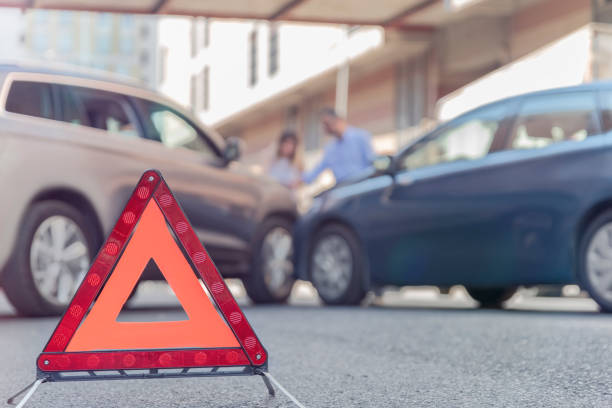 هل يجب عليك الاتصال بالشرطة بعد وقوع حادث سيارة بسيط في ولاية أريزونا؟ ما الذي يعتبر حادث سيارة بسيط؟ هذه أسئلة قد تطرحها بعد تعرضك لحادث سيارة. لا تستدعي كل الحوادث حضور الشرطة، خاصةً إذا لم تكن هناك إصابات وأضرار طفيفة. في هذه المقالة، سنتناول الحالات التي يجب فيها الإبلاغ عن حادث للشرطة في ولاية أريزونا.
هل يجب عليك الاتصال بالشرطة بعد وقوع حادث سيارة بسيط في ولاية أريزونا؟
لا، ليس عليك الاتصال بالشرطة بعد وقوع حادث سيارة بسيط في ولاية أريزونا. ومع ذلك، في حالة وجود إصابات أو أضرار جسيمة في الممتلكات، يجب إخطار الشرطة على الفور. فكلما أسرعت قوات إنفاذ القانون في الوصول إلى مكان الحادث، زادت سرعة تقييم إصابات الأطراف المعنية، ويمكن السيطرة على الموقف.
بالإضافة إلى ذلك، إذا كنت تشك في أن أحد الأطراف المعنية كان يقود مركبة تحت تأثير الكحول أو المخدرات، فمن المهم إخطار الشرطة. القيادة تحت تأثير الكحول أو المخدرات جريمة خطيرة، حتى لو لم يسفر الحادث عن إصابات أو أضرار مادية كبيرة.
ما الذي يمكن أن تساعد فيه الشرطة بعد وقوع حادث؟وقوع حادث؟
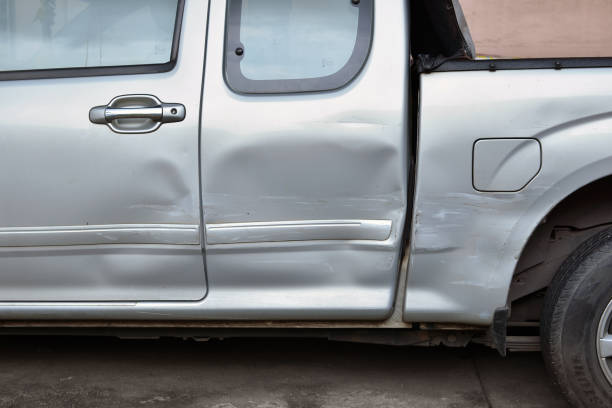
بعد وقوع حادث سيارة، تتولى سلطات إنفاذ القانون السيطرة على مكان الحادث. أولاً، يقوم الضباط بتأمين مكان الحادث لضمان سلامة الجميع. وقد يشمل ذلك إغلاق الممرات أو التحكم في حركة المرور القادمة. السيطرة على مكان الحادث مهمة لوصول شاحنات السحب والمركبات الطبية في الوقت المناسب وبأمان.
بعد ذلك، ستقوم سلطات إنفاذ القانون بجمع المعلومات اللازمة لإعداد تقرير الحادث. ويشمل ذلك التقاط صور ومقاطع فيديو لموقع الحادث، وتدوين شهادات الشهود العيان، وإعادة تمثيل الحادث. إذا كنت بحاجة إلى تقديم مطالبة إلى شركة التأمين، فسيكون من المفيد أن تكون التفاصيل التي جمعتها سلطات إنفاذ القانون متوفرة.
فوائد الاتصال بالشرطة بعد وقوع حادث بسيط
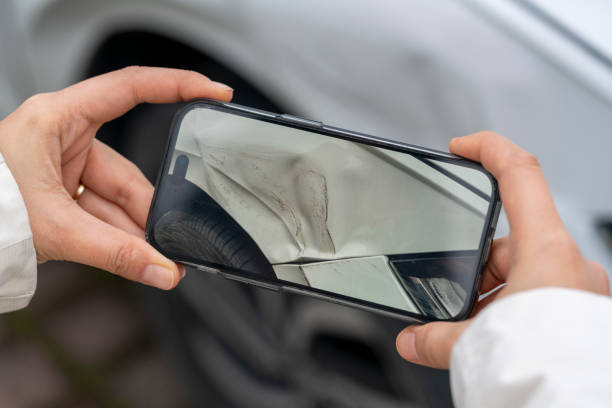
بالإضافة إلى ذلك، غالبًا ما تتحقق شركات التأمين من تقارير الشرطة قبل دفع الأموال. إذا لم يكن هناك تقرير شرطة مسجل، فستكون هناك مخاطر أكبر لرفض المطالبات. عادةً ما يُطلب من الضباط الذين يأتون إلى مكان الحادث إعداد تقرير شرطة. إذا لم يتم استدعاء الشرطة، فقد تفقد دليلًا مهمًا.
على الرغم من أنه يمكنك تقديم بلاغ للشرطة بعد وقوع حادث، إلا أنك تخاطر بفقدان معلومات وأدلة مهمة كانت موجودة في مكان الحادث. وهذا قد يضر بفرصتك في الحصول على تعويض أو رفع دعوى قضائية ناجحة.
ملخص
على الرغم من أن حادث تصادم بسيط لا يتطلب الاتصال بالشرطة، إلا أنه قد يكون من المفيد القيام بذلك. لمناقشة موقفك مع محامي حوادث، اتصل بأحد أعضاء فريقنا في مكتب زايد السيد للمحاماة اليوم لتحديد موعد لاستشارة مجانية.
 بقلم زايد السيد
هل أريزونا ولاية لا تعترف بالخطأ؟
 أريزونا هي ولاية تعتمد مبدأ المسؤولية عن الخطأ، مما يعني أن الشخص المهمل مسؤول عن دفع التعويضات. ومع ذلك، فإن قواعد المسؤولية عن الخطأ في أريزونا ليست دائمًا واضحة، حيث الإهمال النسبي العوامل التي أدت إلى وقوع الحادث.
في هذه المقالة، سوف نتناول معنى "الخطأ" في ولاية أريزونا وأنواع الأضرار التي يمكنك الحصول على تعويض عنها إذا تعرضت لحادث.
هل أريزونا ولاية لا تعترف بالخطأ؟
مثل معظم الولايات الأخرى، أريزونا هي ولاية تعتمد مبدأ المسؤولية عن الخطأ. وهذا يعني أنه إذا تعرضت لإصابة بسبب إهمال طرف آخر، فيحق لك رفع دعوى قضائية أو المطالبة بتعويض عن الأضرار من خلال شركة التأمين الخاصة بالطرف المخطئ.
نظرًا لأن أريزونا هي ولاية تعتمد مبدأ المسؤولية عن الحوادث، فإن سائقي المركبات الآلية ملزمون بالحصول على تغطية تأمينية ضد المسؤولية المدنية لجميع المركبات التي تسير على طرق الولاية. وتشمل هذه التغطية 25,000 دولار أمريكي من التغطية التأمينية ضد المسؤولية المدنية لكل شخص، و50,000 دولار أمريكي لكل حادث يضم أكثر من شخص واحد، و15,000 دولار أمريكي لتغطية الأضرار المادية.
على الرغم من أن ولاية أريزونا واضحة جدًا بشأن تغطية المسؤولية المطلوبة، إلا أن بعض السائقين لا يشترون بوالص التأمين المناسبة. إذا تعرضت لحادث مع سائق غير مؤمن عليه، يمكنك رفع دعوى مدنية لاسترداد الأضرار.
فهم قوانين المسؤولية عن الحوادث في ولاية أريزونا
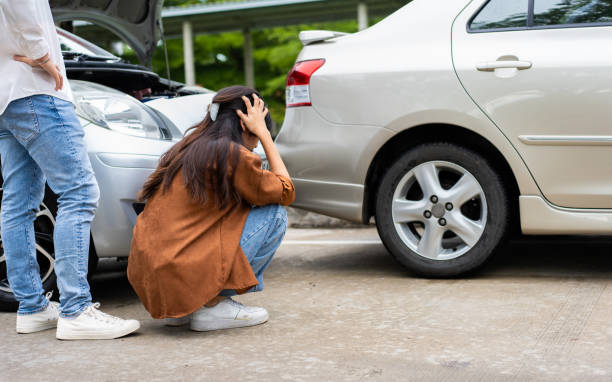 قوانين أريزونا المتعلقة بالمسؤولية عن الحوادث تتطلب المطالبات إثبات أربعة عناصر أساسية. العنصر الأول هو واجب العناية. إذا لم يلتزم السائق بقوانين المرور لحماية سلامة السائقين الآخرين، فإنه لم يلتزم بواجب العناية المناسب.
بعد ذلك، لكي يحدث إهمال مسبب للضرر، يجب أن يكون السائق قد أخل بواجب العناية، مما جعل السفر غير آمن للمسافرين الآخرين. العنصر الثالث هو السببية. يجب أن يكون الحادث سببًا مباشرًا ل الإخلال بالواجب. أخيرًا، يجب أن تكون الأضرار قد وقعت بالفعل، والتي يمكن أن تشمل الأضرار الجسدية والمالية.
إذا تمكنت من إثبات هذه العناصر الأربعة للإهمال، فسيتم إدراج السائق الآخر على أنه المخطئ، مما يمنحك القدرة على استرداد الأضرار ورفع دعاوى قضائية.
أنواع الأضرار
عند التورط في حادث سيارة في ولاية أريزونا، لا تقتصر الأضرار على الممتلكات فقط. في الواقع، قد تتمكن من المطالبة بمجموعة متنوعة من التعويضات، بغض النظر عما إذا كنت الطرف المخطئ أم لا. فيما يلي بعض التعويضات المتاحة:
- الأضرار الاقتصادية – عادة ما يكون من السهل تحديد هذه الأضرار، ويمكن أن تشمل تكاليف الرعاية الطبية، وفقدان الدخل، وإصلاح الممتلكات، ونفقات أخرى، مثل نفقات رعاية الأطفال، إذا كنت المعيل الرئيسي.
- الأضرار غير الاقتصادية – هي الأضرار التي ليست بالضرورة مادية وتشمل الألم الجسدي والعاطفي، والاضطراب العاطفي، والكرب النفسي، وفقدان القدرة على الاستمتاع بالحياة، والعجز المؤقت، والعجز الدائم.
- الأضرار العقابية – يمكن فرض أضرار عقابية على الحوادث التي تنتج عن سلوك فظيع. وهذا أمر شائع عندما يتسبب الطرف المخطئ عمدًا في الحادث أو يقوم بأعمال غير آمنة.
ضع في اعتبارك أن العديد من مطالبات التعويض عن الأضرار هذه ستتطلب اللجوء إلى المحكمة. شركات التأمين صارمة فيما يتعلق بموعد دفع التعويضات. إذا كنت تعتقد أنك تستحق تعويضًا أو تعويضات أكبر، فمن الأفضل الاتصال بمحامٍ مؤهل يمكنه تقييم قضيتك.
ملخص
هل تعرضت لحادث في ولاية أريزونا؟ إذا كان الأمر كذلك، فمن المهم أن تتعامل مع خبير يمكنه مساعدتك في فهم قوانين المسؤولية المدنية في ولاية أريزونا. حدد موعدًا لاستشارة مجانية مع مكتب المحاماة زايد السيد اليوم.
 بقلم زايد السيد
قوانين التأمين على السيارات في ولاية أريزونا
 سواء كنت تخطط للانتقال إلى أريزونا لأول مرة أو كنت مقيماً فيها منذ فترة طويلة، من المهم أن تفهم قوانين التأمين على السيارات في أريزونا التي يجب عليك اتباعها. مثل معظم الولايات، تشترط أريزونا أن يكون للمركبات بوليصة تأمين على السيارات.
في هذه المقالة، سوف نتناول قوانين التأمين على السيارات في ولاية أريزونا التي يجب أن تكون على دراية بها، وكيف يؤثر التأمين في حالات الحوادث، والحد الأدنى لمتطلبات المسؤولية.
ما هي قوانين التأمين على السيارات في ولاية أريزونا؟
تشترط قوانين التأمين على السيارات في ولاية أريزونا أن يكون لكل مركبة تعمل على طرق الولاية شكل من أشكال التأمين ضد المسؤولية. يشمل هذا القانون المركبات غير التقليدية، مثل عربات الجولف والدراجات البخارية والدراجات النارية. يجب أن يفي تأمين سيارتك في ولاية أريزونا بالحد الأدنى من المسؤولية التالية:
- 25,000 دولار في حالة الإصابة الجسدية أو الوفاة لشخص واحد
- 50,000 دولار في حالة الإصابة الجسدية أو الوفاة لشخصين أو أكثر
- 15,000 دولار عن الأضرار المادية
تفهم معظم شركات التأمين متطلبات الحد الأدنى من المسؤولية ويمكنها وضع سياسات متوافقة معها. تم تصميم هذه الحدود الدنيا لتغطية فواتير العلاج الطبي والأضرار المادية عندما تكون مذنباً في حادث.
الغرض من قوانين التأمين على السيارات في ولاية أريزونا
يمكن أن تكون الحوادث مكلفة، من أضرار المركبات والممتلكات إلى الإصابات الجسدية الخطيرة. لا يستطيع معظم الأفراد تحمل هذه النفقات من جيوبهم، ولهذا السبب توجد قوانين تأمين السيارات في ولاية أريزونا. توسع معظم شركات تأمين السيارات في أريزونا نطاق تغطية المسؤولية لتشمل أي شخص يقود سيارتك، مثل أحد أفراد العائلة.
تذكر أنه بمجرد تجاوز حدود بوالص التأمين على السيارات في ولاية أريزونا، فإنك تصبح مسؤولاً شخصياً عن أي التزامات مالية متبقية. ولهذا السبب، يختار العديد من سائقي ولاية أريزونا بوالص تأمين تتجاوز الحد الأدنى الإلزامي. وبالمثل، قد تحتاج إلى بوليصة تأمين أخرى إذا تعرضت لحادث سيارة ولم يكن الطرف المخطئ لديه التأمين المناسب.
أريزونا هي ولاية تعتمد مبدأ المسؤولية عن الخطأ
 أريزونا هي حالة حادث سيارة بسبب خطأ. وهذا يعني أن المسؤولية المالية تقع على عاتق الشخص الذي تسبب في الحادث. ومع ذلك، يمكن أن تدخل الإهمال النسبي في الاعتبار، مما يزيل جزءًا من العبء عن كاهلك. ومع ذلك، كن مستعدًا لتحمل المسؤولية الشخصية عن أي أضرار أو فواتير طبية ناتجة عن حادث تسببت فيه.
تفعيل تأمين السيارات في ولاية أريزونا
بمجرد وقوع حادث، ستقوم بتقديم مطالبة إلى شركة التأمين الخاصة بك، حتى لو لم تكن المخطئ. إذا كنت المخطئ، فستقوم شركة التأمين الخاصة بك بالتحقيق وبدء سداد المدفوعات. إذا لم تكن أنت سبب الحادث، فستقوم شركة التأمين الخاصة بك بمتابعة مطالبة بالحق في الإحلال ضد شركة التأمين الخاصة بالسائق المخطئ.
عقوبات عدم الامتثال لقوانين التأمين على السيارات في ولاية أريزونا
عادة ما تطلب سلطات إنفاذ القانون في ولاية أريزونا إثبات التأمين أثناء عمليات التوقيف الروتينية للمرور. إذا لم تتمكن من إثبات تأمينك، فقد تواجه تعليق تسجيل سيارتك أو تعليق رخصة قيادتك.
لاستعادة هذه العناصر، سيتعين عليك دفع رسوم وتقديم دليل على مسؤوليتك المالية. تتضاعف هذه الغرامات إذا تعرضت لحادث ولم تكن لديك تغطية تأمينية مناسبة.
هل تعرضت لحادث؟
سواء كنت الطرف المخطئ في حادث أو تحاول الحصول على تعويض عن الأضرار من سائق بدون تأمين، فمن المهم أن تتعامل مع محامٍ مؤهل. فريقنا في مكتب زايد السيد للمحاماة مستعد لمساعدتك في فهم قوانين التأمين على السيارات في ولاية أريزونا. تواصل معنا اليوم لتحديد موعد لاستشارة مجانية.
 بقلم زايد السيد
هل أريزونا ولاية PIP؟
 هل أريزونا ولاية PIP؟ ما نوع التأمين الذي يتطلبه قانون أريزونا؟ هذان سؤالان يطرحهما سكان أريزونا على أنفسهم، خاصة عندما يتعلق الأمر بحوادث السيارات.
في هذه المقالة، سنتناول موقف ولاية أريزونا من التأمين الشخصي ضد الإصابات (PIP)، وأنواع التأمين المطلوبة، وماذا تفعل إذا وجدت نفسك في موقف مع شخص غير مؤمن عليه.
هل أريزونا ولاية PIP؟
أريزونا ليست ولاية تحمي من الإصابات الشخصية (PIP). بدلاً من ذلك، أريزونا هي ولاية تقع فيها المسؤولية على الطرف المخطئ، مما يعني أن السائقين ليسوا ملزمين بالحصول على تأمين PIP. الطرف المخطئ مسؤول عن دفع جميع الأضرار المرتبطة بالحادث.
ومع ذلك، توفر ولاية أريزونا تغطية طبية، تُعرف باسم MedPay. توفر MedPay تغطية مماثلة لتغطية PIP وتساعد في تحمل الأعباء المالية الناجمة عن الإصابات التي تتعرض لها أنت وأي ركاب في حادث. MedPay مفيدة أيضًا إذا تعرضت لإصابة كمسافر أو راكب دراجة، حيث تغطي الفواتير بغض النظر عما إذا كنت مخطئًا أم لا.
تفاصيل MedPay
 تغطي MedPay و PIP تكاليف مختلفة عند وقوع حادث. تغطي PIP إصابات المشاة والركاب، والمدفوعات الطبية، وفقدان الأجور، والخدمات المنزلية، ونفقات الجنازة. تشمل تغطية MedPay الإصابات التي تلحق بك كسائق أو مشاة، والركاب والمشاة الآخرين، والمدفوعات الطبية، والخدمات المنزلية، ونفقات الجنازة.
على الرغم من أن تغطية MedPay تختلف باختلاف مقدم الخدمة، فإن أحد الاختلافات الرئيسية هو تغطية الأجور المفقودة. نظرًا لأن سائقي أريزونا ملزمون بالحصول على تأمين بحد أدنى من تغطية المسؤولية، فإن MedPay لا تشمل الجوانب المالية الأخرى للحوادث خارج نطاق الفواتير الطبية.
علاوة على ذلك، لا يغطي MedPay على وجه التحديد الأضرار المادية والإصابات التي تلحق بالسائقين الآخرين. وتخضع هذه الحالات لسياسات التأمين ضد المسؤولية المدنية المطلوبة في ولاية أريزونا، حيث يتعين على السائقين الحصول على تغطية تأمينية بقيمة 15,000 دولار للأضرار المادية، و25,000 دولار للحوادث التي تشمل شخصًا واحدًا، و50,000 دولار للحوادث التي تشمل أكثر من شخص واحد.
الخطوات التالية عند التعامل مع الأطراف غير المؤمنة
ماذا يحدث إذا تعرضت لحادث مع طرف غير مؤمن عليه؟ من يدفع الفواتير الطبية إذا كان الطرف الآخر هو المخطئ؟ بموجب قوانين أريزونا المتعلقة بالمسؤولية والتأمين، يتحمل الطرف المخطئ مسؤولية دفع التعويضات الناجمة عن الحادث. وبمجرد استنفاد بوالص التأمين، يتحمل الطرف المخطئ المسؤولية الشخصية عن الأضرار.
عند وقوع حادث مع طرف غير مؤمن عليه، لا توجد شركة تأمين يمكن المطالبة بها بالمال. وغالبًا ما يؤدي ذلك إلى الحاجة إلى رفع دعوى قضائية ضد الطرف المخطئ لاسترداد الأضرار. يمكن استرداد الأضرار، مثل الفواتير الطبية والأضرار المادية وحتى الأضرار النفسية، من خلال دعوى قضائية ناجحة.
العثور على محاميك في أريزونا
قد يكون رفع دعوى قضائية ضد الطرف المخطئ الذي لا يملك تأمينًا أمرًا معقدًا، ولهذا السبب من الأفضل أن يكون لديك محامٍ مؤهل إلى جانبك. حتى لو كنت الطرف المخطئ، فمن الضروري أن يكون لديك خبير يفرز المطالبات التي قد تكون مسؤولاً عنها شخصيًا.
اتصل بأحد أعضاء فريقنا في مكتب زايد السيد للمحاماة لتحديد موعد لاستشارة مجانية. لا تحاول فهم قوانين ولاية أريزونا بنفسك، خاصة وأن أريزونا لا تشترط الحصول على تأمين PIP. اتصل بأحد أعضاء الفريق اليوم لبدء الإجراءات.
