

 بقلم زايد السيد
هل يجب عليك فتح نافذة سيارتك للشرطة في ولاية أريزونا؟
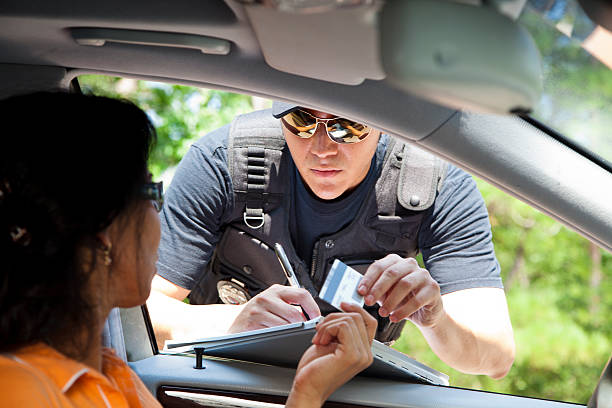 هل يجب عليك فتح نافذة سيارتك للشرطة في ولاية أريزونا؟ هل يجب عليك تسليم رخصة قيادتك؟ كيف يمكنك معرفة ما إذا كان التوقيف شرعيًا؟ يمكن توقيف سائقي ولاية أريزونا لأسباب متنوعة، من القيادة المتهورة إلى التوقيف الروتيني للمرور.
من المهم أن تفهم حقوقك في هذه المواقف، ولكن تذكر أن سلطات إنفاذ القانون في أريزونا تحاول الحفاظ على سلامة الطرق. في هذه المقالة، سنتناول ما إذا كان عليك فتح نافذة سيارتك، وكيفية تحديد شرعية توقيفك من قبل الشرطة، والمعلومات الشائعة التي قد يطلبها ضباط الشرطة.
هل يجب عليك فتح نافذة سيارتك للشرطة في ولاية أريزونا؟
إذا كان التوقف مشروعًا، فإن الإجابة هي نعم، عليك أن تفتح نافذة سيارتك للشرطة في ولاية أريزونا. ومع ذلك، لا يوجد قانون يلزمك بفتح النافذة بالكامل. عادةً ما يكفي فتحها نصفها بالنسبة لسلطات إنفاذ القانون في ولاية أريزونا.
ماذا لو تم إيقافي دون سبب؟
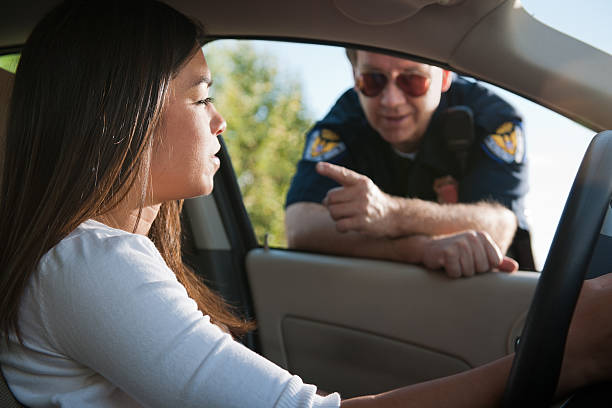 هناك عدة طرق مختلفة يمكنك استخدامها لتحديد شرعية التوقف. أولاً، فكر فيما إذا كنت قد فعلت أي شيء يستدعي إيقافك. هل لديك ملصق محدث على لوحة ترخيص سيارتك؟ ماذا عن مصباح خلفي مكسور؟ قد يكتشف الضابط مخالفة مرورية لم تكن على علم بها.
بالإضافة إلى ذلك، فإن طلب رؤية شارة الضابط هو طريقة رائعة للتأكد من أنك تم إيقافك من قبل ضابط شرعي. يمكنك ترك نافذة سيارتك مغلقة حتى تتحقق من هوية الضابط. إذا رفض الضابط إظهار شارته، فابقِ نافذة سيارتك مغلقة، وقُد إلى مكان آمن، واتصل برقم 911.
تذكر أن الضابط يجب أن يوضح سبب إيقافك، سواء كان ذلك في نقطة تفتيش روتينية للكشف عن القيادة تحت تأثير الكحول أو لمخالفة مرورية بسيطة.
ما هي المعلومات التي أحتاجها؟
عندما يتم إيقافك من قبل ضابط شرطة في ولاية أريزونا، إليك ما تحتاجه بشكل عام:
- التعريف – عادةً ما تكون رخصة القيادة هي أول معلومة يطلبها الضابط.
- التسجيل – يثبت تسجيل مركبتك أنك تمتلك الحق في قيادة المركبة، ويُطلب عادةً إبرازه عند التوقف في نقاط التفتيش المرورية.
- حمل سلاح مخفي – إذا كان لديك سلاح ناري في السيارة، أبلغ الضابط على الفور لتجنب تفاقم الموقف.
- الهدوء – عندما يتم إيقافك، فإن أحد أهم العوامل هو الحفاظ على هدوئك. لا تطلق نكات غير ضرورية ولا تتحدث أكثر من اللازم. عادةً ما يكون من الأفضل التحدث بأقل قدر ممكن.
- اعرف حقوقك – من المهم جدًا معرفة حقوقك، حتى في حالات المخالفات المرورية البسيطة.
إذا كان لدى الضابط سبب محتمل وأساس قانوني، فيجوز له طلب معلومات أخرى، مثل الوثائق الداعمة لحمل سلاح مخفي أو إثبات التأمين.
محامي المرور الخاص بك في فينيكس
إذا كنت تعتقد أنك تعرضت لإيقاف غير قانوني أو تلقيت مخالفة غير صحيحة، فمن المهم الاتصال بمحامي مرور مؤهل في فينيكس. فريقنا في مكتب زايد السيد للمحاماة هو خبراء موثوق بهم، يساعدونك في فهم قوانين المرور في أريزونا. تواصل معنا اليوم لتحديد موعد لاستشارة مجانية.
 بقلم زايد السيد
Phoenix Bicycle Laws
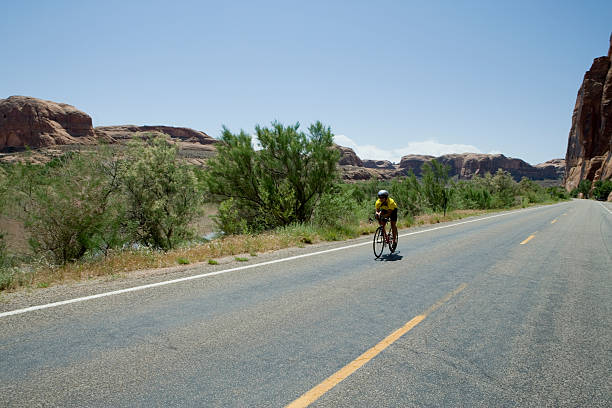
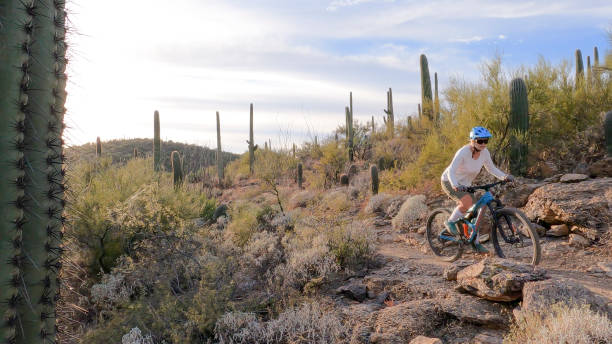 What Phoenix bicycle laws do you need to follow? Whether you are an avid cyclist or like to go for a casual stroll every now and then, it’s important to understand the Phoenix bicycle laws you are subject to. In this article, we’ll cover the definition of a bicycle and outline the main bicycle laws you need to be aware of.
Arizona’s Definition of a Bicycle
A majority of the Phoenix bicycle laws are outlined in Title 28 of the Arizona Revised Code. For legal purposes, a bicycle is viewed as a device that is propelled by human power on which a person can ride under Section 28-101(10). In addition, Arizona statutes go into detail describing that bicycles usually have two tandem wheels or three wheels in contact with the ground.
Road bikes, mountain bikes, gravel bikes, beach cruisers, and dirt bikes all fall under this definition of a bicycle. This definition of bicycles can put certain items in a gray area, like children’s bikes and electronic assistant bikes. If you think you are operating a bicycle, it’s probably considered a bicycle for legal purposes.
Understanding Phoenix Bicycle Laws
Here are the main Phoenix bicycle laws you need to be aware of:
Section 28-811
This section holds parents responsible for making sure their children are abiding by bicycle laws. This means that the parent cannot authorize their children to violate guidelines, including rules surrounding use of public roadways.
Section 28-812
This section of Arizona law outlines the legality of bicyclists riding on roadways as long as they follow the same laws as motorists. If you plan on riding on the road, you have both the right and the obligation to follow the same laws applicable to drivers; however, you cannot lose your driver’s license due to cycling-related violations.
Section 28-813
Under this section of Arizona law, bicyclists must use a permanently affixed seat and cannot carry more people than the bike is equipped for. This means that you cannot have someone sitting on your handlebars when riding your bike. Keep in mind that this law only applies when riding on a roadway. If you are riding on private property or at a skatepark, these requirements don’t apply.
Section 28-814
Section 28-814 disallows hanging onto a vehicle when riding your bike.
Section 28-815
There are situations where bicyclists don’t have the same rights and obligations as drivers, including:
- The cyclist cannot keep up with traffic.
- The cyclist is passing another cyclist going in the same direction.
- The cyclist is turning left.
- The cyclist is moving to the center or left-hand lane to avoid a hazard.
- The lane is too narrow for the cyclist to travel safely.
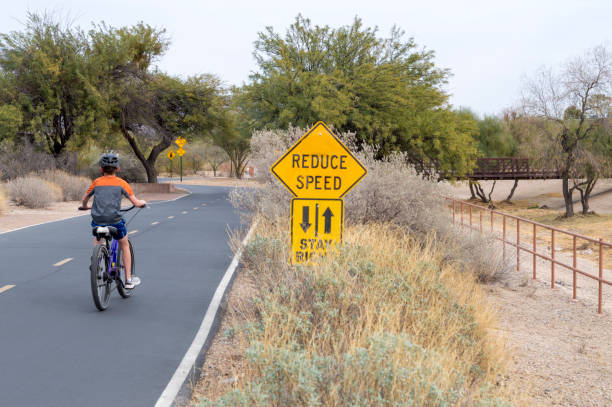
Section 28-816
Section 28-816 allows cyclists to carry baskets, bags, or panniers if safely attached to the bike. Additionally, one hand can be used to carry items.
Section 28-817
This section requires Arizona bicyclists to have the proper brake systems, headlights for nighttime riding, read reflector or lights, sirens and whistles.
Section 28-819
This section outlines regulations for electric bicycles, solidifying that assisted bikes and pedal-operated bikes are considered bicycles under Arizona’s definition.
ملخص
Understanding how these regulations impact your situation, it’s important to consult with a qualified attorney. Reach out to our team at The Law Office of Zayed Al-Sayyed today to schedule your free consultation.
 بقلم زايد السيد
هل يوجد في ولاية أريزونا قانون يتعلق بالتوقف وإبراز الهوية؟
 Does Arizona have a Stop and ID law? What type of information are you required to give officers? Arizona is a Stop and ID state, making it necessary to provide identification in certain circumstances.
In this article, we’ll cover the basics of Arizona Stop and ID laws, when an officer can request identification, and what rights you have.
هل يوجد في ولاية أريزونا قانون يتعلق بالتوقف وإبراز الهوية؟
Arizona is considered a Stop and ID state, which means that law enforcement can require you to show identification if they have reasonable suspicion that you are involved in criminal activity. If officers make a request for your ID, you are legally required to provide identification, like your legal name.
These regulations are outlined in Arizona Revised Statutes § 13-2412. It’s important to note that these identification laws do not require you to carry your ID with you. In addition, anything beyond these basic requirements isn’t necessary, like providing your address or date of birth. You do not need to engage in conversation about your activities and you do have the right to remain silent.
When Can Arizona Law Enforcement Request Identification?
In Arizona, law enforcement can only request identification under specific situations, including:
- Reasonable Suspicion – Under reasonable suspicion, a police officer believes beyond a reasonable doubt that you have committed, will commit, or are committing a crime. This means they have evidence outside of a “hunch.” For example, if someone walks into a store with a mask on, the police officer might have reasonable suspicion that they are planning on robbing the store.
- Lawful Detention—Another instance where Stop and ID laws might apply is when you are lawfully detained by a police officer. This includes traffic stops, investigation stops, and arrests.
Unless one of these two circumstances occurs, you generally do not need to provide a police officer with your ID.
Understanding Your Rights Under Stop and ID Laws
 You do have rights when stopped by the police, including:
- Right to Remain Silent – While you do need to provide your full name in specific situations, you also have the right to remain silent and not answer any invasive questions, like the nature of your activities.
- Right to Refuse Consent to Search — Police officers generally need a search warrant or probable cause to search your vehicle or belongings. If probable cause or a search warrant cannot be given, you can refuse the search.
- Right to an Attorney — You also have the right to legal representation when detained by the police. Be sure to request an attorney before an interview or interrogation.
For more information on your rights or how to handle a specific situation, consult with an attorney.
Phoenix Legal Assistance
Navigating the complexities of Arizona Stop and ID laws can feel overwhelming. If you’ve been charged, it’s important to consult with a qualified attorney who can walk you through the specifics of your situation. Reach out to our team at The Law Office of Zayed Al-Sayyed today to schedule your free consultation.
 بقلم زايد السيد
من هو المذنب عادةً في حالة وقوع حادث يتضمن دراجة هوائية؟
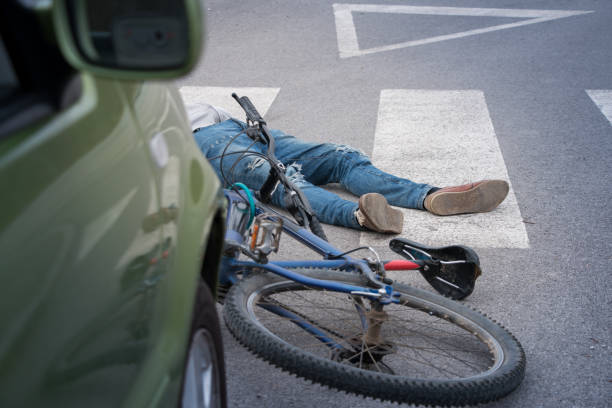
هل تعرضت مؤخراً لحادث يتعلق بدراجة هوائية؟ على عكس ما قد تعتقد، لا يكون سائق السيارة هو المخطئ دائماً. في الواقع، تحدد قوانين الدراجات الهوائية في ولاية أريزونا قواعد محددة يجب على راكبي الدراجات الهوائية اتباعها لمنع وقوع الحوادث. إذا تم خرق أي من هذه القواعد، فقد يتم اعتبارك المخطئ.
في هذه المقالة، سنتناول من يتحمل المسؤولية عادةً في حالة وقوع حادث يتضمن دراجة هوائية. ومع ذلك، فإن نتيجة حالتك تعتمد بشكل كبير على وقائع قضيتك، مما يجعل من المهم الحصول على مشورة متخصصة. اتصل بأحد محامينا المتخصصين في الإصابات الشخصية لمعرفة المزيد.
من هو المذنب عادةً في حالة وقوع حادث يتضمن دراجة هوائية؟
تحديد المسؤول عن حادث يتضمن سيارة ودراجة يعتمد على وقائع الحادث. على سبيل المثال، إذا انحرف سائق سيارة واصطدم بدراج، فسيتم تحميله المسؤولية، ولكن إذا قام الدراج بتغيير المسار بشكل غير قانوني، فإن المسؤولية تنتقل إليه. فيما يلي أمثلة على الحالات التي قد يتم فيها تحميل السائق المسؤولية:
- السائق مشتت الانتباه ولا يراك.
- السائق يقود بسرعة ولا يستطيع التوقف في الوقت المناسب.
- السائق تحت تأثير الكحول.
- السائق لا يلتزم بإعطاء الأفضلية أو يتجاهل إشارات المرور.
- السائق لا يحافظ على مسافة آمنة.
يمكن أن يتحمل راكبو الدراجات الهوائية المسؤولية عن وقوع حادث في الحالات التالية:
- الدراج يتجاهل إشارات المرور.
- الدراج لا يستخدم المسار المخصص.
- الدراج تحت تأثير الكحول.
أخذ الإهمال في الاعتبار
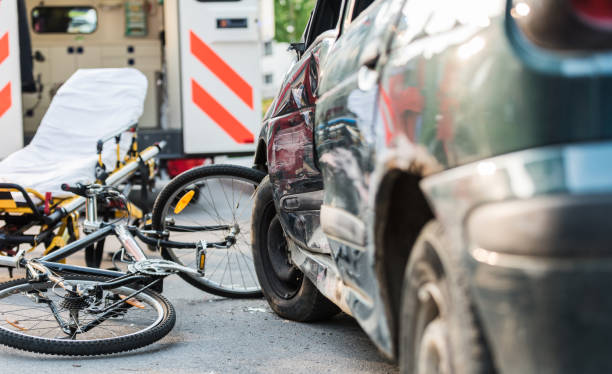 في كثير من الحالات، سيتم أخذ الإهمال في الاعتبار عند تحديد المسؤول. تتبع ولاية أريزونا قواعد الإهمال النسبي لمعرفة من هو المخطئ في حادث دراجة. وهذا يعني أن سائق السيارة والدراج يمكن أن يكونا مذنبين جزئياً ويمكنهما المطالبة بتعويضات.
عند تطبيق مبدأ الإهمال النسبي، سيقوم القاضي بتوزيع التعويضات على كل طرف بما يتناسب مع نسبة خطأه. حتى إذا ثبت أنك مهمل بنسبة 90٪، فلا يزال بإمكانك المطالبة بتعويضات من الطرف الآخر. يمكن أن تعوضك التعويضات المالية عن العوامل الخارجة عن الإصابة الجسدية.
سيتم جمع الأدلة لدعم نسب الإهمال النسبي المخصصة لكل طرف، بما في ذلك تقرير الشرطة وإيصالات الأضرار المادية والسجلات الطبية وشهادات الشهود ولقطات كاميرات المرور.
الحصول على تعويض عن الأضرار بعد حادث دراجة
التورط في حادث مع راكب دراجة أو مركبة آلية يمكن أن يكون صادمًا للغاية، ولهذا السبب يمكنك الحصول على تعويض عن الأضرار التي لحقت بك والتي تتجاوز الإصابات الجسدية. فيما يلي بعض الأضرار التي يمكنك المطالبة بتعويض عنها:
- الألم والمعاناة
- فقدان الرفقة
- فقدان جودة الحياة
- فقدان الأجور
- الممتلكات المتضررة
- إزعاج
- العجز الدائم
- الإصابات الجسدية، مثل البتر والندوب
- فقدان وظائف الجسم
هل عانيت من أي من الأعراض المذكورة أعلاه؟ إذا كان الأمر كذلك، فمن المهم أن تتصل بمحامٍ مؤهل يمكنه مساعدتك في تعزيز قضيتك والحصول على تعويضات، بغض النظر عما إذا كنت مسؤولاً بنسبة 80٪ أو 10٪. تواصل مع أحد أعضاء الفريق اليوم لمعرفة المزيد.
 بقلم زايد السيد
قوانين وسلامة المشاة في أريزونا 2024
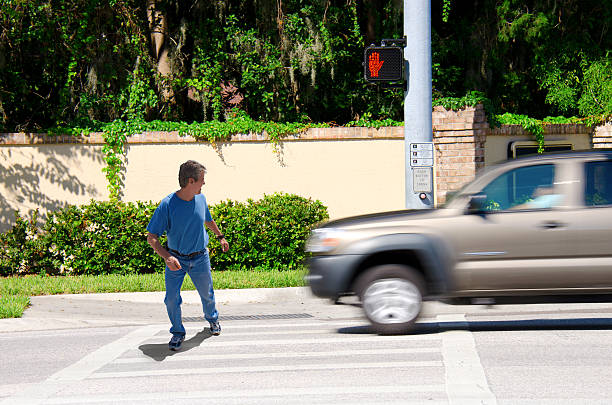 وفقًا لقوانين ولاية أريزونا، فإن السائقين ليسوا المستخدمين الوحيدين للطرق. في الواقع، توجد في أريزونا تشريعات محددة يجب على المشاة الالتزام بها لتقليل مخاطر الحوادث. إن معرفة القواعد واللوائح يمكن أن تساعدك في تقليل احتمالية التورط في حادث.
في هذه المقالة، سوف نتناول قوانين المشاة ومتطلبات السلامة في ولاية أريزونا، بما في ذلك عبور التقاطعات واستخدام الأرصفة والوقوف على الطرق المعبدة. إذا كانت لديك أي أسئلة حول تأثير هذه اللوائح على دعوتك القضائية أو مطالبتك، يرجى الاتصال بنا على الفور.
قوانين وسلامة المشاة في أريزونا 2024
يجب على المشاة في ولاية أريزونا اتباع توجيهات أجهزة التحكم في حركة المرور وعلامات الرصيف واللافتات والإشارات. بالإضافة إلى ذلك، تحدد ولاية أريزونا لوائح أخرى لتعزيز سلامة المشاة وسائقي السيارات.
عبور التقاطعات
ينص قانون ولاية أريزونا رقم 28-792 على أنه لا يجوز للمشاة مغادرة الرصيف أو أي مكان آمن بشكل مفاجئ إذا كان ذلك يجعل من المستحيل على السائق التوقف. ويشمل ذلك عبور الطريق بشكل غير قانوني، والركض عبر الطريق، وعبور التقاطعات دون حق الأولوية.
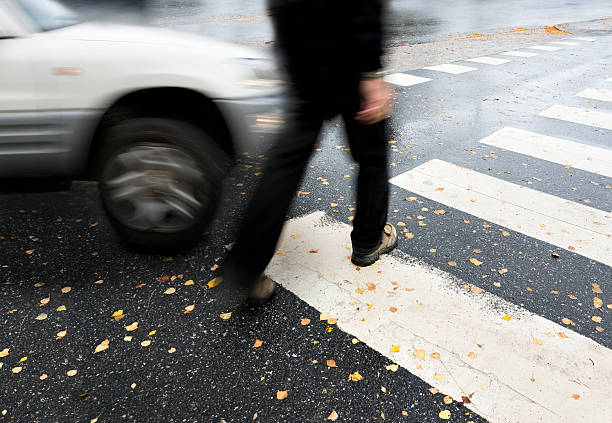
يجب عبور التقاطعات فقط من خلال استخدام ممر المشاة أو أي منطقة مخصصة للمشاة. تلتزم المركبات بموجب القانون بالتوقف عند هذه التقاطعات، مما يمنح المشاة حق الأولوية في العبور. ومع ذلك، من الأفضل دائمًا التأكد من توقف المركبة قبل العبور.
استخدام الرصيف
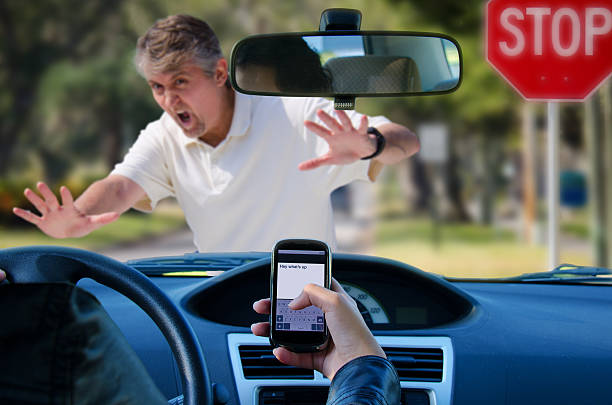 يجب على المشاة استخدام الرصيف عند توفره. المشي على الطريق بجوار الرصيف يعتبر غير قانوني بموجب قانون ولاية أريزونا 28-796. إذا لم يكن هناك رصيف، يجب على المشاة السير على الجانب الأيسر من الطريق أو على حافة الطريق، في الاتجاه المعاكس لحركة المرور القادمة.
عبور الطريق خارج الرصيف يمنح المركبات في أريزونا حق الأولوية في المرور. إذا وقع حادث بسبب السير خارج المنطقة المحددة، فسيتم اعتبارك مسؤولاً جزئياً عن أفعالك، مما يقلل من مطالبتك المحتملة بالتعويض عن الأضرار.
الوقوف على الطرق المعبدة
توجد في ولاية أريزونا أيضًا لوائح تنظيمية تتعلق بالوقوف على الطرق المعبدة. لا يُسمح للمشاة بالوقوف على الطريق عند طلب توصيلة من مركبة أخرى أو إجراء معاملات تجارية أو التحدث مع مشاة آخرين.
كل مقاطعة في ولاية أريزونا لديها القدرة على توسيع نطاق القوانين التي حددتها ولاية أريزونا. إذا كنت تتساءل عن الإرشادات المحددة التي يجب عليك الالتزام بها، فراجع موقع الويب الخاص ببلديتك.
الحوادث تحدث
يمكن لقوانين المشاة وتدابير السلامة في ولاية أريزونا أن تقلل من عدد الحوادث ولكنها لا تقضي عليها تمامًا. إذا كنت ضحية لحادث، سواء كنت مشاة أو سائقًا، فمن الأفضل الاتصال بمحامٍ على الفور.
يمكن لفريقنا في مكتب زايد السيد للمحاماة مساعدتك في تفسير قوانين السلامة في ولاية أريزونا وتحديد تأثيرها على قضيتك. أريزونا هي ولاية تطبق مبدأ الإهمال النسبي، مما يعني أنه لا يزال بإمكانك الحصول على تعويض عن الأضرار حتى لو كنت مسؤولاً عن الحادث بنسبة 90٪. يعتمد تحقيق أفضل نتيجة ممكنة على وجود الفريق المناسب الذي يعمل إلى جانبك.
 بقلم زايد السيد
هل للمشاة دائمًا حق الأولوية في المرور في ولاية أريزونا؟
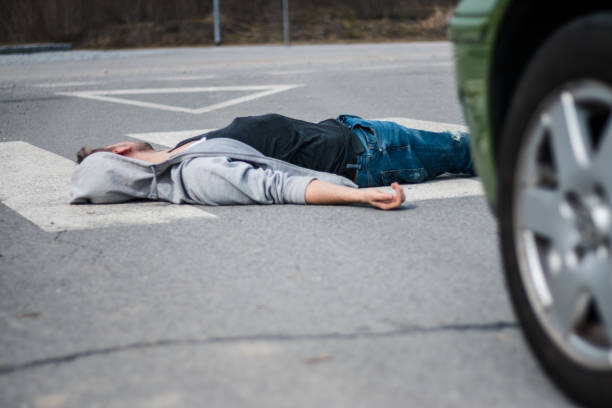 على الرغم من أن الإجماع العام هو أن المشاة لهم دائمًا حق الأولوية في أريزونا، إلا أن هذا ليس صحيحًا. مثل السائقين، يجب على المشاة أيضًا الالتزام بقواعد وأنظمة الطرق المحددة. قد يؤدي عدم الالتزام بالأنظمة اللازمة إلى وقوع حوادث مميتة.
في هذه المقالة، سوف نتناول قواعد حق الأولوية في ولاية أريزونا التي يجب أن تعرفها، بما في ذلك متى يجب أن تعطي الأولوية والقوانين التي يخضع لها راكبو الدراجات. إذا كنت لا تزال غير متأكد من قوانين المشاة التي يجب عليك اتباعها، فاتصل بأحد أعضاء الفريق اليوم.
هل للمشاة دائمًا حق الأولوية في المرور في ولاية أريزونا؟
لا، لا يتمتع المشاة دائمًا بأولوية المرور في ولاية أريزونا. فمن ناحية، ينص قانون ولاية أريزونا رقم 28-793 على أن عبور الطريق خارج ممر المشاة أو أي ممر آخر مخصص للمشاة يعد مخالفة قانونية. ويشمل ذلك عبور الطريق بشكل غير قانوني وعبوره دون إشارات المرور المناسبة.
كما تنص المادة 28-792 من قانون ولاية أريزونا على أنه لا يجوز للمشاة مغادرة الرصيف أو أي مكان آمن بشكل مفاجئ. وهذا يعني أنه لا يجوز للمشاة عبور الطريق بشكل عفوي دون إعطاء السائقين الوقت الكافي لإعطائهم الأفضلية. عادة ما يكون للسائقين حق الأولوية في المرور ما لم تشر إشارات المرور إلى خلاف ذلك.
متى يتعين على المشاة إعطاء الأفضلية للسائقين في ولاية أريزونا؟
يجب على المشاة في ولاية أريزونا إعطاء الأفضلية للسائقين عند التقاطعات، وانتظار توقف السائق تمامًا. يؤدي عدم إعطاء الأفضلية للسائقين في ولاية أريزونا، حتى عندما يكون للمشاة حق الأولوية، إلى وقوع حوادث.
قد يكون السائق تحت تأثير الكحول أو السرعة أو مشتت الانتباه أثناء القيادة، وكلها عوامل تساهم في عدم القدرة على التوقف. من خلال إعطاء الأفضلية للسائق، فإنك تحمي نفسك من حادث محتمل.
وينطبق الأمر نفسه على السائقين. إذا كان أحد المشاة يعبر الطريق بشكل غير قانوني أو يعبر تقاطعًا خارج الممر المخصص للمشاة، فيجب عليك إعطاءه الأفضلية حتى لو كان لك حق الأولوية في المرور. اتباع نهج استباقي لمنع الحوادث أمر ضروري للمشاة والسائقين في ولاية أريزونا.
هل يُعتبر راكبو الدراجات من المشاة في ولاية أريزونا؟
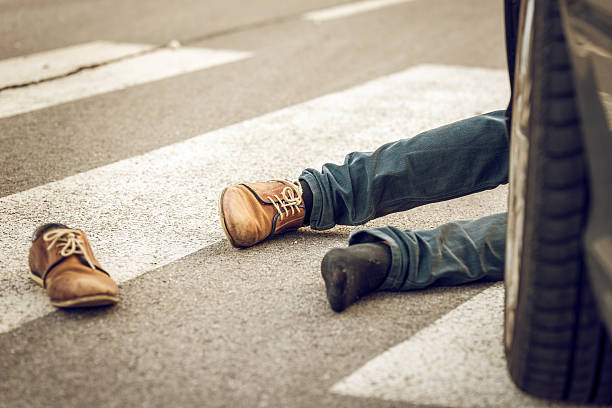
قد يكون تحديد قواعد حق الأولوية للدراجين أمرًا معقدًا. يمتلك بعض الدراجين دراجات آلية، مما يخلق حالة هجينة بين المشاة وسائقي السيارات. يميز قانون ولاية أريزونا بين الاثنين بناءً على المكان الذي يقود فيه الدراج دراجته.
يعتبر راكبو الدراجات الذين يستخدمون الطريق سائقين، بينما يعتبر راكبو الدراجات على الرصيف مشاة. في ولاية أريزونا، يحق لراكبي الدراجات اختيار مكان ركوبهم ما لم تكن هناك لائحة محلية سارية، كما هو الحال في توسكان.
عند ركوب الدراجات على الطريق، يتعين على راكبي الدراجات الالتزام بجميع القواعد التي يلتزم بها سائقي السيارات، بما في ذلك اتجاه السير. بالإضافة إلى ذلك، يتعين عليهم استخدام إشارات اليد عند تغيير المسار أو عبور التقاطعات.
البحث عن محامٍ متخصص في حوادث المشاة في ولاية أريزونا
هل كنت ضحية لحادث سير في ولاية أريزونا؟ سواء كنت سائق سيارة أو مشاة، من المهم أن تحصل على التمثيل القانوني المناسب عند اتخاذ الخطوات التالية بعد وقوع حادث في ولاية أريزونا.
يمكن لفريقنا في مكتب زايد السيد للمحاماة مساعدتك في فهم قواعد المشاة في ولاية أريزونا، وتزويدك بمعلومات ملموسة حول الخطوات التالية. تواصل مع أحد أعضاء الفريق اليوم لمعرفة المزيد عن كيفية البدء.
 بقلم زايد السيد
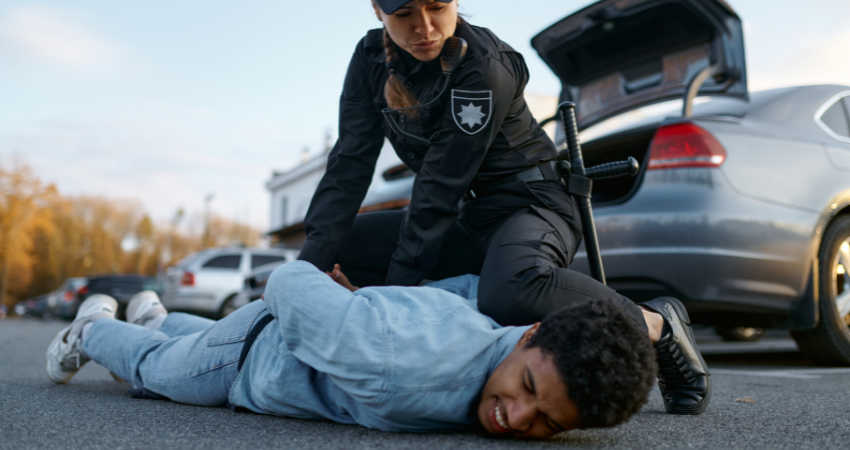
ما هي الجناية من الدرجة الأولى في ولاية أريزونا؟
 الجنايات من الدرجة الأولى هي الجرائم الأكثر خطورة في ولاية أريزونا، وتعاقب بالسجن لمدة لا تقل عن 10 سنوات. القتل العمد من الدرجة الأولى هو أحد أنواع الجرائم الوحيدة التي يمكن أن يعاقب عليها بالإعدام.
إذا تم اتهامك أو تورطك في جريمة من الدرجة الأولى، فمن المهم أن تفهم الأساسيات وتتصل بمحامٍ مؤهل على الفور. تأخذ أجهزة إنفاذ القانون والنيابة العامة الجرائم من الدرجة الأولى على محمل الجد، وتخصص موارد كبيرة لجمع الأدلة ومحاكمة القضية.
ما هي الجناية من الدرجة الأولى في ولاية أريزونا؟
الجناية من الدرجة الأولى هي فئة محددة من الجرائم في ولاية أريزونا. يقسم قانون أريزونا الجنايات إلى ست فئات مختلفة. الجنايات من الدرجة الأولى هي الأكثر خطورة. جميع فئات الجنايات عادة ما تكون مصحوبة بعقوبة السجن، حيث تبلغ مدة السجن المفترضة للفئة السادسة سنة واحدة.
أنواع الجرائم الجنائية من الدرجة الأولى
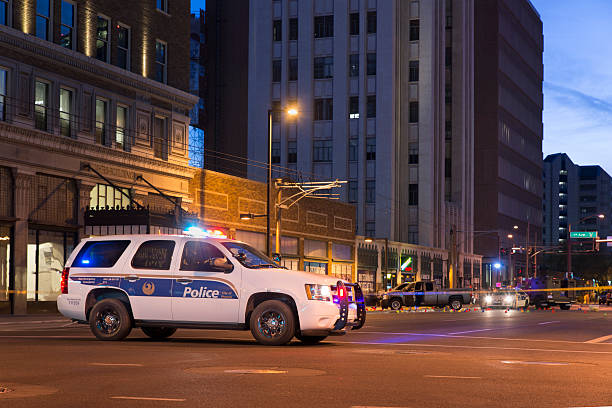 هناك جريمتان فقط تصنفان على أنهما جنايات من الدرجة الأولى: القتل العمد من الدرجة الأولى والقتل العمد من الدرجة الثانية. عادة ما يكون للقتل العمد من الدرجة الأولى عنصر التخطيط المسبق، مما يعني أن المتهم قد فكر في الجريمة قبل ارتكابها. جريمة قتل من الدرجة الثانية عادة ما يفتقر إلى عنصر التخطيط المسبق.
تطبق ولاية أريزونا أيضًا قاعدة القتل العمد. إذا قتل شخص آخر نتيجة لارتكاب جريمة محددة مدرجة في القانون، فيمكن إدانته بالقتل العمد من الدرجة الأولى، حتى لو لم يكن هناك سبق الإصرار.
وتشمل الأمثلة الواردة في القانون الاختطاف والسطو والتحرش الجنسي بالأطفال والاعتداء الجنسي والحرق العمد أو الهروب من سلطات إنفاذ القانون.
العقوبات المفروضة على الجرائم من الدرجة الأولى
يمكن أن تشمل العقوبة على جريمة القتل من الدرجة الأولى السجن مدى الحياة والإعدام. لا يعني السجن مدى الحياة دائمًا قضاء مدة العقوبة بالكامل. يمكن أن يتضمن الحكم بالسجن مدى الحياة إمكانية الإفراج بعد 25 عامًا من السجن إذا كان عمر الضحية 15 عامًا أو أكثر، أو 35 عامًا إذا كان عمر الضحية أقل من 15 عامًا. إذا نص الحكم على السجن مدى الحياة للمدعى عليه، فلا توجد إمكانية للإفراج المبكر.
يمكن أن تختلف عقوبة القتل من الدرجة الثانية بناءً على الجريمة. الحد الأدنى للعقوبة هو 10 سنوات، مع عقوبة مفترضة تبلغ 16 سنة للمجرمين لأول مرة. الحد الأقصى للعقوبة للمجرمين لأول مرة هو 25 سنة. إذا كنت قد أدينت بالفعل بتهمة القتل من الدرجة الثانية أو جناية من الدرجة 2 أو 3، فإن نطاق العقوبة يرتفع إلى 15 سنة كحد أدنى، وعقوبة مفترضة تبلغ 25 سنة، وعقوبة قصوى تبلغ 29 سنة.
قانون التقادم الجنائي للجرائم من الدرجة الأولى
 تخضع معظم الجرائم لقانون التقادم، وهو الإطار الزمني الذي يتعين على المدعي خلاله رفع دعوى ضدك. ومع ذلك، فإن الجرائم من الفئة الأولى فريدة من نوعها من حيث أنها لا تخضع لقانون التقادم. يمكن للمدعين العامين توجيه التهم في أي وقت، بما في ذلك بعد مرور 30 عامًا على وقوع الجريمة.
البحث عن محامٍ للدفاع الجنائي في جرائم من الدرجة الأولى
إذا تم اتهامك بارتكاب جريمة من الدرجة الأولى في ولاية أريزونا، فعليك الاتصال بمحامٍ على الفور. يمكن أن تكون العقوبة على الجرائم من الدرجة الأولى شديدة، وقد تصل إلى السجن مدى الحياة. تواصل مع فريقنا في مكتب زايد السيد للمحاماة اليوم لتحديد موعد لاستشارة مجانية.
 بقلم زايد السيد
كيف يتم تصنيف الجرائم في ولاية أريزونا؟
 قانون أريزونا الجنائي تتراوح بين المخالفات المرورية البسيطة إلى التهم الخطيرة، مثل القتل العمد. جميع الجرائم تنطوي على عواقب محتملة، مثل سحب الرخصة، والمراقبة القضائية، والسجن، وحتى عقوبة الإعدام.
إذا أوقفتك الشرطة واستجوبتك بشأن جريمة ما، أو إذا تم اتهامك بارتكاب جريمة في ولاية أريزونا، فعليك استشارة محامٍ بشأن حقوقك وكيفية المضي قدماً. سيتمكن المحامي المناسب من تقييم وقائع القضية واقتراح أفضل مسار للعمل لضمان الحصول على نتيجة مواتية.
حتى إذا كنت تعمل مع محامي دفاع جنائي، فمن المهم أن تفهم كيف يتم تصنيف الجرائم في ولاية أريزونا. في هذه المقالة، سوف نتناول الفروق بين ثلاثة أنواع من الجرائم: الجنايات، الجنح، والتهم البسيطة.
كيف يتم تصنيف الجرائم في ولاية أريزونا؟
تنقسم الجرائم في ولاية أريزونا إلى ثلاث فئات، تتراوح بين الجرائم الخطيرة والجرائم الأكثر شيوعًا. حتى إذا تمت إدانتك بارتكاب جريمة بسيطة، فقد يكون لذلك عواقب طويلة الأمد. دعونا نستكشف كل فئة من هذه الفئات بمزيد من التفصيل.
جريمة جنائية
 الجرائم الجنائية هي أشد الجرائم خطورة. في ولاية أريزونا، جميع الجرائم الجنائية تحمل عقوبة افتراضية. في بعض الحالات، يمكن للمتهمين طلب عقوبة أقصر. الحكم الأدنى أو المخفف. تشمل أنواع الجرائم الجنائية الشائعة بموجب قانون ولاية أريزونا القتل العمد والاغتصاب والحرق العمد والسرقة والاختطاف والحرق العمد. ستة أنواع من الجرائم الجنائية في ولاية أريزونا تشمل:
- الفئة 1 – تختلف العقوبات حسب الحالة
- الفئة 2 – عقوبة مفترضة مدتها 5 سنوات
- الفئة 3 – عقوبة مفترضة مدتها 3.5 سنوات
- الفئة 4 – عقوبة مفترضة مدتها 2.5 سنة
- الفئة 5 – عقوبة مفترضة مدتها 1.5 سنة
- الفئة 6 – عقوبة مفترضة مدتها سنة واحدة
قد تشمل الآثار طويلة الأمد للإدانة بجناية اشتراط التسجيل في سجلات جنائية معينة، وعواقب تتعلق بالهجرة، وعدم الأهلية للحصول على السكن والمزايا العامة، وفقدان الحق في العمل كمحلف، وفقدان الحق في التصويت، وقيود على حيازة الأسلحة.
جريمة جنحة
 الجرائم البسيطة أقل خطورة من الجرائم الجنائية، حيث تقل العقوبة القصوى الممكنة عن ستة أشهر سجن. يوجد في ولاية أريزونا ثلاث فئات من الجرائم البسيطة:
- الفئة 1 – السجن لمدة أقصاها 6 أشهر
- الفئة 2 – السجن لمدة أقصاها 4 أشهر
- الفئة 3 – السجن لمدة أقصاها 30 يوماً
الجرائم البسيطة هي جرائم أقل عنفًا، مثل التعدي على ممتلكات الغير، والسرعة الزائدة، والسلوك غير المنضبط، وبعض مخالفات السرقة من المتاجر، والتسكع. تتم إجراءات المحاكمة في الجرائم البسيطة بشكل أبسط، دون اللجوء إلى هيئة المحلفين الكبرى. ومع ذلك، قد تكون هناك عواقب طويلة الأمد للجرائم البسيطة على سجلك الجنائي.
محامي الدفاع الجنائي في أريزونا
إذا كنت تواجه أي نوع من التهم الجنائية، بغض النظر عن خطورتها، فاتصل بمحامٍ مؤهل في ولاية أريزونا على الفور. فأنت تريد التأكد من تقليل الآثار طويلة المدى لقضيتك إلى الحد الأدنى. تواصل مع أحد أعضاء فريق مكتب زايد السيد للمحاماة لتحديد موعد لاستشارة مجانية.
 بقلم زايد السيد
ما الذي يعتبر جريمة عنيفة في ولاية أريزونا؟
 تعتبر الجرائم العنيفة في ولاية أريزونا جرائم خطيرة، وتؤدي إلى عواقب وخيمة، مثل السجن مدى الحياة، حتى بالنسبة للمجرمين لأول مرة. عندما تفكر في الجرائم العنيفة، قد يتبادر إلى ذهنك القتل العمد والقتل غير العمد. ومع ذلك، هناك تهم أخرى، مثل الاختطاف والعنف المنزلي، التي تعتبر أيضًا جرائم عنيفة في ولاية أريزونا.
في هذه المقالة، سوف نتناول أساسيات الجرائم العنيفة، بما في ذلك الأنواع الشائعة. تذكر، إذا كنت متورطًا في قضية جريمة عنيفة، فاتصل بمحامٍ جنائي مؤهل على الفور. فأنت لا تريد أن تتورط في تهم غير مقصودة.
تتبع الشرطة الجرائم العنيفة بشكل أكثر قوة
بحكم التعريف، تشمل الجرائم العنيفة أي فعل إجرامي يؤدي إلى الوفاة أو الإصابة الجسدية أو يستخدم سلاحاً قاتلاً أو خطيراً. ونظراً لخطورتها، غالباً ما تكرس الشرطة والنيابة العامة مزيداً من الوقت لملاحقة الجناة المشتبه بهم.
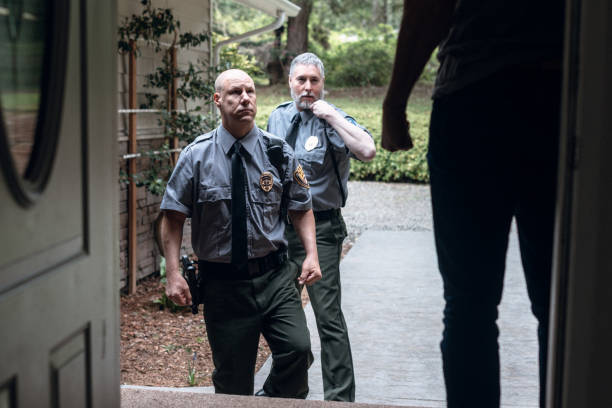 ستقوم الشرطة بالتحقيق بدقة في مسرح الجريمة وتوثيق جميع الأدلة التي تقود إلى الجاني. سيتم استجواب الشهود بدقة، وستبدأ النيابة العامة في تكوين صورة عما حدث.
إذا استجوبتك الشرطة بشأن جريمة عنيفة، فالتزم الصمت. الشرطة مدربة على أساليب الاستجواب، مما يعني أنها قد تستخرج منك اعترافًا حتى لو لم ترتكب الجريمة. اتصل بمحامٍ جنائي متمرس قبل التحدث إلى الشرطة.
أنواع الجرائم العنيفة في ولاية أريزونا
هناك العديد من أنواع الجرائم العنيفة في ولاية أريزونا، منها:
السطو المسلح
السطو المسلح هو الاستيلاء على ممتلكات شخص ما باستخدام سلاح قاتل أو أداة خطرة. حتى إذا لم تستخدم سلاحًا حقيقيًا، مثل مسدس لعبة، فمن الممكن أن تُتهم بالسطو المسلح. السطو المسلح هو جريمة من الدرجة الثانية في ولاية أريزونا.
 العنف المنزلي
على عكس ما قد تعتقد، فإن العنف المنزلي ليس جريمة في حد ذاته. العنف المنزلي هو تصنيف يطلق على جريمة عندما تنتهي علاقة مثبتة بين طرفين. وهذا يتجاوز علاقة الزوجين ويمكن أن يشمل الأزواج السابقين وأفراد الأسرة وزملاء السكن والجرائم التي تشمل الأطفال. الجرائم العنيفة التي تثبت انتهاء العلاقة المنزلية يمكن أن تؤدي إلى عقوبات أشد.
الاعتداء الجسيم
الاعتداء المشدد يرفع مستوى الاعتداء من جنحة إلى جناية. قانون ولاية أريزونا واسع في تعريفه للاعتداء المشدد، بما في ذلك النية لارتكاب اعتداء خطير وعندما يرتكب شخص بالغ جريمة ضد قاصر دون سن 15 عامًا. يمكن أن يحدث الاعتداء المشدد أيضًا ضد بعض المهن، مثل ضباط الشرطة والممرضات.
القتل غير العمد
القتل غير العمد هو درجة أقل من القتل العمد، ويشمل وفاة شخص دون نية القتل. على سبيل المثال، القيادة المتهورة واصطدام مشاة. لم تكن النية محددة باصطدام المشاة وقتلهم، مما أدى إلى القتل غير العمد. القتل غير العمد هو تهمة خطيرة ويمكن أن يكون له عواقب وخيمة بناءً على تفاصيل الموقف.
جريمة قتل
القتل هو أكثر أنواع الجرائم العنيفة شيوعًا، ويؤدي إلى وفاة شخص آخر. عادةً ما يكون القتل متعمدًا، ويتم التخطيط له مسبقًا، وهو ما يُعرف بالتخطيط المسبق، أو من خلال القيام بأفعال تعلم أنها ستؤدي إلى وفاة شخص آخر. تطبق ولاية أريزونا عقوبة الإعدام، مما يعني أن بعض الجرائم قد تكون مؤهلة لعقوبة الإعدام.
محامي جرائم العنف الجنائية
عندما تكون متورطًا في أي نوع من تهم الجرائم العنيفة، فأنت بحاجة إلى محامٍ جنائي متمرس إلى جانبك. تواصل مع أحد أعضاء فريق مكتب زايد السيد للمحاماة اليوم لتحديد موعد لاستشارة مجانية.
 بقلم زايد السيد
كيف يتم تحديد المسؤولية في حادث سيارة في ولاية أريزونا؟
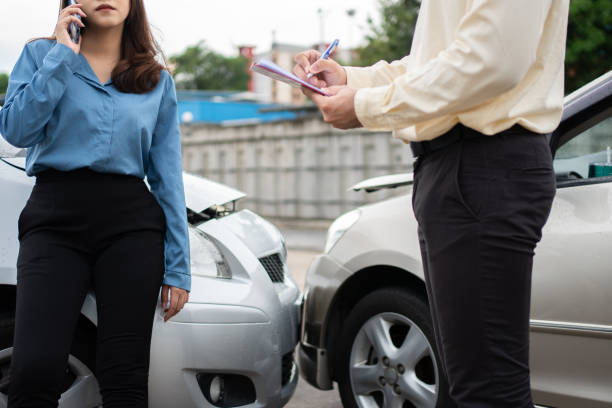 Fault is determined in a car accident in Arizona based on the nature of the crash, witness testimonials, and evidence documented in police reports. Since Arizona is an at-fault state, the party found liable will generally be responsible for covering damages.
However, there are gray areas when it comes to determining fault. This makes it important to understand the specifics of your case and Arizona’s pure comparative rules. Let’s discuss these items in more detail.
How Fault is Determined in a Car Accident in Arizona
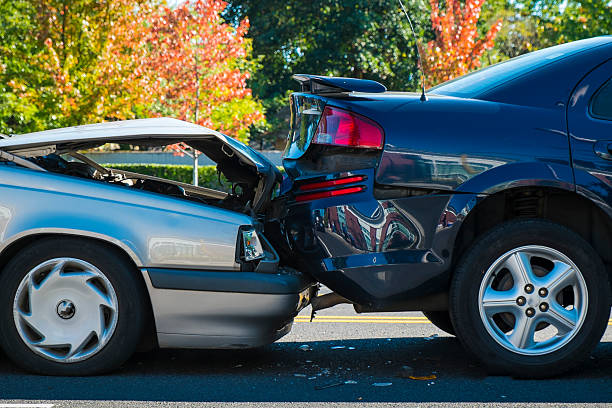 Fault is determined in a car accident in Arizona based on who initiated the accident. For example, a car that cuts into oncoming traffic and causes an accident might be found at fault. However, Arizona Revised Statutes § 12-2505 outlines comparative fault rules, which apply to auto accidents, personal injury, and property claims.
This law states that an accident can be caused by multiple parties. In these situations, fault is divided up based on available evidence. Using our above example, let’s say that the driver who cut into traffic was met with abrupt brake lights. This might lead to fault apportioned to the other driver.
Pure comparative fault rules in Arizona allow drivers to be up to 99% responsible for an accident and still be able to recover damages from the party that is 1% responsible. Arizona is unique in that many states prohibit parties from seeking damages if they are more than 50% at fault.
Recovering Damages
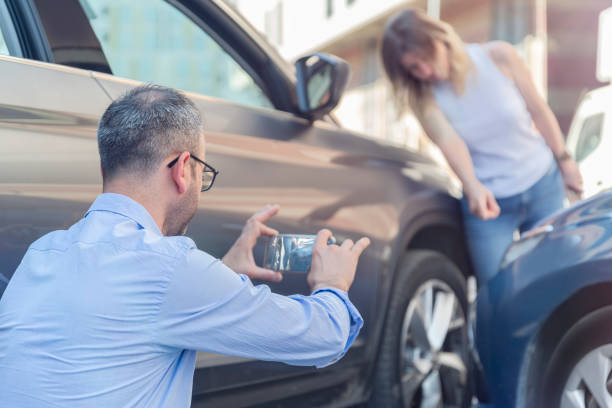 If you’ve been involved in an Arizona car accident where another party is at fault, you have a few options. First, you can file a third-party claim against the at-fault driver’s insurance company. Another option is to file a claim with your insurance provider, depending on your coverage. This is a common option if you are entirely or partially at fault in an accident.
Moreover, parties that are not at fault in a car accident can file a personal injury lawsuit to pursue damages in court. This can help you secure insurance funds from the at-fault driver, as the Arizona Department of Transportation requires insurance for vehicles operating on the road.
Damages can be recovered for a variety of reasons, such as medical bills, future medical care, lost wages, pain and suffering, mental anguish, and out-of-pocket expenses related to the accident. The severity of your injuries and your comparative fault will determine how much compensation you can receive.
For example, if your claim is worth $100,000 and you are found 50% at fault for the accident, your total claim value might be reduced to $50,000.
Finding a Car Accident Lawyer in Arizona
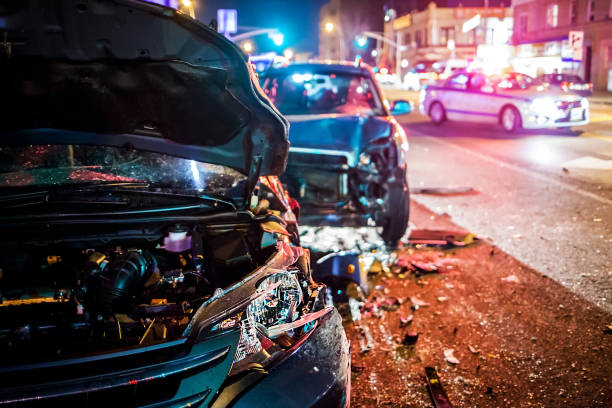 Arizona car accident lawyers are indispensable when it comes to pursuing damages in court. Not only can the right lawyer evaluate the success potential of your claim, but they can also work with other lawyers and insurance companies on your behalf. Reach out today to schedule your free consultation with our team at theZlawyer today.
