


 por Zayed Al-Sayyed
Do You Have to Roll Your Window Down for Police in Arizona?
 Do you have to roll your window down for police in Arizona? Are you required to hand over your license? How do you tell if the stop is legitimate? Arizona drivers can be pulled over for a variety of reasons, from reckless driving to a routine traffic stop.
Understanding your rights in these situations is important, but remember, Arizona law enforcement is trying to keep roadways safe. In this article, we’ll cover if you have to roll your window down, how to determine the legitimacy of a traffic stop, and common information police officers might request.
Do You Have to Roll Your Window Down for Police in Arizona?
If the stop is legitimate, then yes, you do need to roll your window down for police in Arizona. However, there is no law requiring you to roll your window all the way down. Halfway is generally sufficient for Arizona law enforcement.
What If I’m Pulled Over for No Reason?
 There are a few different methods you can use to determine the legitimacy of the stop. For one, think if you’ve done anything to warrant being pulled over. Do you have an updated sticker on your license plate? How about a broken taillight? The officer might catch a traffic violation that you weren’t even aware of.
Additionally, requesting to see the officer’s badge is a great way to ensure that you are pulled over by a legitimate officer. You can leave your window rolled up until you verify the identity of the officer. If the officer refuses to show you their badge, keep your window rolled up, drive to a safe location, and call 911.
Remember, the officer should clearly state why they stopped you, whether it be for a routine DUI checkpoint or a minimal traffic violation.
What Information Do I Need?
When you get pulled over by a police officer in Arizona, here’s what you generally need:
- Identification – Usually, your driver’s license is the first piece of information the officer will request.
- Registration – Your vehicle registration proves that you have the right to operate the vehicle, and it is commonly requested during traffic stops.
- Concealed Carry – If you have a firearm in the vehicle, inform the officer right away to avoid escalating the situation.
- Calm Demeanor – When you get pulled over, one of the most important factors is to remain calm. Do not make unnecessary jokes or overshare. Saying as little as possible is usually best.
- Know Your Rights – Knowing your rights is critical, even in simple traffic violations.
If the officer has probable cause and a legal basis, they may request other information, such as supporting documentation for a concealed carry or proof of insurance.
Your Phoenix Traffic Lawyer
If you believe you’ve been unlawfully stopped or received an incorrect ticket, it’s important to contact a qualified Phoenix traffic lawyer. Our team at The Law Office of Zayed Al-Sayyed are your trusted experts, helping you navigate Arizona traffic laws. Reach out today to schedule your free consultation.
 por Zayed Al-Sayyed
Phoenix Bicycle Laws
 What Phoenix bicycle laws do you need to follow? Whether you are an avid cyclist or like to go for a casual stroll every now and then, it’s important to understand the Phoenix bicycle laws you are subject to. In this article, we’ll cover the definition of a bicycle and outline the main bicycle laws you need to be aware of.
Arizona’s Definition of a Bicycle
A majority of the Phoenix bicycle laws are outlined in Title 28 of the Arizona Revised Code. For legal purposes, a bicycle is viewed as a device that is propelled by human power on which a person can ride under Section 28-101(10). In addition, Arizona statutes go into detail describing that bicycles usually have two tandem wheels or three wheels in contact with the ground.
Road bikes, mountain bikes, gravel bikes, beach cruisers, and dirt bikes all fall under this definition of a bicycle. This definition of bicycles can put certain items in a gray area, like children’s bikes and electronic assistant bikes. If you think you are operating a bicycle, it’s probably considered a bicycle for legal purposes.
Understanding Phoenix Bicycle Laws
Here are the main Phoenix bicycle laws you need to be aware of:
Section 28-811
This section holds parents responsible for making sure their children are abiding by bicycle laws. This means that the parent cannot authorize their children to violate guidelines, including rules surrounding use of public roadways.
Section 28-812
This section of Arizona law outlines the legality of bicyclists riding on roadways as long as they follow the same laws as motorists. If you plan on riding on the road, you have both the right and the obligation to follow the same laws applicable to drivers; however, you cannot lose your driver’s license due to cycling-related violations.
Section 28-813
Under this section of Arizona law, bicyclists must use a permanently affixed seat and cannot carry more people than the bike is equipped for. This means that you cannot have someone sitting on your handlebars when riding your bike. Keep in mind that this law only applies when riding on a roadway. If you are riding on private property or at a skatepark, these requirements don’t apply.
Section 28-814
Section 28-814 disallows hanging onto a vehicle when riding your bike.
Section 28-815
There are situations where bicyclists don’t have the same rights and obligations as drivers, including:
- The cyclist cannot keep up with traffic.
- The cyclist is passing another cyclist going in the same direction.
- The cyclist is turning left.
- The cyclist is moving to the center or left-hand lane to avoid a hazard.
- The lane is too narrow for the cyclist to travel safely.
Section 28-816
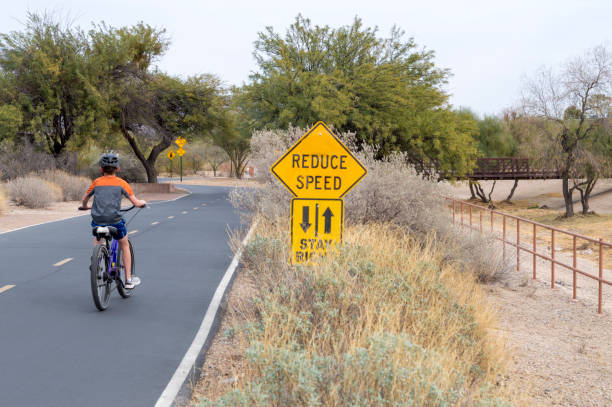
Section 28-816 allows cyclists to carry baskets, bags, or panniers if safely attached to the bike. Additionally, one hand can be used to carry items.
Section 28-817
This section requires Arizona bicyclists to have the proper brake systems, headlights for nighttime riding, read reflector or lights, sirens and whistles.
Section 28-819
This section outlines regulations for electric bicycles, solidifying that assisted bikes and pedal-operated bikes are considered bicycles under Arizona’s definition.
Summary
Understanding how these regulations impact your situation, it’s important to consult with a qualified attorney. Reach out to our team at The Law Office of Zayed Al-Sayyed today to schedule your free consultation.
 por Zayed Al-Sayyed
Does Arizona Have a Stop and ID Law?
 Does Arizona have a Stop and ID law? What type of information are you required to give officers? Arizona is a Stop and ID state, making it necessary to provide identification in certain circumstances.
In this article, we’ll cover the basics of Arizona Stop and ID laws, when an officer can request identification, and what rights you have.
Does Arizona Have a Stop and ID Law?
Arizona is considered a Stop and ID state, which means that law enforcement can require you to show identification if they have reasonable suspicion that you are involved in criminal activity. If officers make a request for your ID, you are legally required to provide identification, like your legal name.
These regulations are outlined in Arizona Revised Statutes § 13-2412. It’s important to note that these identification laws do not require you to carry your ID with you. In addition, anything beyond these basic requirements isn’t necessary, like providing your address or date of birth. You do not need to engage in conversation about your activities and you do have the right to remain silent.
When Can Arizona Law Enforcement Request Identification?
In Arizona, law enforcement can only request identification under specific situations, including:
- Reasonable Suspicion – Under reasonable suspicion, a police officer believes beyond a reasonable doubt that you have committed, will commit, or are committing a crime. This means they have evidence outside of a “hunch.” For example, if someone walks into a store with a mask on, the police officer might have reasonable suspicion that they are planning on robbing the store.
- Lawful Detention—Another instance where Stop and ID laws might apply is when you are lawfully detained by a police officer. This includes traffic stops, investigation stops, and arrests.
Unless one of these two circumstances occurs, you generally do not need to provide a police officer with your ID.
Understanding Your Rights Under Stop and ID Laws
 You do have rights when stopped by the police, including:
- Right to Remain Silent – While you do need to provide your full name in specific situations, you also have the right to remain silent and not answer any invasive questions, like the nature of your activities.
- Right to Refuse Consent to Search — Police officers generally need a search warrant or probable cause to search your vehicle or belongings. If probable cause or a search warrant cannot be given, you can refuse the search.
- Right to an Attorney — You also have the right to legal representation when detained by the police. Be sure to request an attorney before an interview or interrogation.
For more information on your rights or how to handle a specific situation, consult with an attorney.
Phoenix Legal Assistance
Navigating the complexities of Arizona Stop and ID laws can feel overwhelming. If you’ve been charged, it’s important to consult with a qualified attorney who can walk you through the specifics of your situation. Reach out to our team at The Law Office of Zayed Al-Sayyed today to schedule your free consultation.
 por Zayed Al-Sayyed
Who is Usually At Fault If a Bicycle is Involved in an Accident?

Were you recently in an accident that involved a bicycle? Despite what you might believe, the operator of the vehicle isn’t always at fault. In fact, Arizona bicycle laws outline specific rules that bicyclists must follow to prevent accidents. If any of these regulations are broken, you could be found at fault.
In this article, we’ll cover who is usually at fault if a bicycle is involved in an accident. However, the outcome of your situation heavily depends on the facts of your case, making it important to receive specialized advice. Contact one of our personal injury lawyers to learn more.
Who is Usually At Fault If a Bicycle is Involved in an Accident?
Determining who is at fault for an accident involving a motor vehicle and a bicycle depends on the facts of the accident. For example, if a driver swerved into a bicyclist, they would be found at fault, but if a bicyclist illegally switched lanes, the at fault shifts. Here are instances where a driver might be found at fault:
- The driver is distracted and does not see you.
- The driver is speeding and cannot stop in time.
- The driver is under the influence.
- The driver fails to yield or ignores traffic signs.
- The driver fails to maintain a safe distance.
Bicyclists can also be found at fault for an accident if any of the following occurs:
- The bicyclist ignores traffic signals.
- The bicyclist isn’t using the designated lane.
- The bicyclist is under the influence.
Factoring In Negligence
 In many cases, negligence will be factored into who’s responsible. Arizona follows comparative negligence rules to figure out who is at fault in a bicycle accident. This means that both the driver of the motor vehicle and the bicyclist can be partially at fault and seek damages.
When comparative negligence is applied, the judge will allocate damages to each party in proportion to their at fault percentage. Even if you are found to be 90% negligent, you can still seek damages from the other party. Monetary damages can compensate you for factors outside of physical injury.
Evidence will be gathered to support the comparative negligence percentages assigned to each party, including a police report, property damage receipts, medical records, witness testimonies, and traffic camera footage.
Recovering Damages After a Bicycle Accident
Being involved in an accident with a cyclist or motor vehicle can be very traumatizing, which is why you can recover damages for more than just physical injury. Here are some of the damages you can pursue:
- Pain and suffering
- Loss of companionship
- Loss of quality of life
- Loss of wages
- Damaged property
- Inconvenience
- Permanent disability
- Bodily injuries, like amputation and scarring
- Loss of bodily functions
Have you experienced any of the above symptoms? If so, it’s important that you contact a qualified attorney who can help you solidify your case and secure damages, regardless of whether you’re 80% liable or 10% liable. Reach out to a team member today to learn more.
 por Zayed Al-Sayyed
Arizona Pedestrian Laws and Safety 2024
 Drivers aren’t the only users of the road according to Arizona laws. In fact, Arizona has specific legislation that pedestrians must abide by to reduce the risk of accidents. Knowing the rules and regulations can help you minimize being involved in an accident.
In this article, we’ll cover Arizona pedestrian laws and safety requirements, including crossing intersections, sidewalk use, and standing on paved roads. If you have any questions about how these regulations impact your lawsuit or claim, please contact us right away.
Arizona Pedestrian Laws and Safety 2024
Arizona pedestrians must follow the directions of any traffic control devices, pavement markings, signs, and signals. In addition, Arizona defines other regulations to promote the safety of pedestrians and motorists.
Crossing Intersections
Arizona Statute 28-792 states that pedestrians are not allowed to suddenly leave any curb or place of safety when it makes it impossible for a driver to stop. This includes jaywalking, running across the road, and crossing intersections without the right-of-way.
Crossing intersections should only be done through the use of a crosswalk or other designated walk area. Motor vehicles are legally required to stop at these intersections, giving pedestrians the right-of-way. However, it’s always best to double check that the vehicle is stopped before crossing.
Sidewalk Use
 Pedestrians are required to use the sidewalk when available. Walking on a roadway next to a sidewalk is illegal under Arizona Statute 28-796. If no sidewalk is provided, pedestrians must walk on the left side of the roadway or on the shoulder, which is facing oncoming traffic.
Crossing the roadway outside of the sidewalk gives Arizona motor vehicles the right-of-way. If an accident were to occur due to walking outside of the defined area, you would be found partly negligent for your actions, reducing your potential damage claim.
Standing on Paved Roads
Arizona also has regulations for standing on paved roads. Pedestrians are not permitted to stand on the roadway when soliciting a ride from another vehicle, conducting business, or conversing with other pedestrians.
Each county in Arizona does have the ability to expand on the laws outlined by Arizona state. If you are wondering about the specific guidelines you should abide by, check out your municipality’s website.
Accidents Do Happen
Arizona pedestrian laws and safety measures can reduce the number of accidents but not entirely eliminate them. If you are the victim of an accident, whether as a pedestrian or motorist, it’s best to contact an attorney right away.
Our team at The Law Office of Zayed Al-Sayyed can help you interpret Arizona safety laws and determine the impact on your case. Arizona is a comparative negligence state, meaning you can still recover damages even if you were 90% responsible for the accident. Maximizing your outcome relies on having the right team working alongside you.
 por Zayed Al-Sayyed
Do Pedestrians Always Have the Right-of-Way in Arizona?
 While the general consensus is that pedestrians always have the right-of-way in Arizona, this isn’t true. Like motorists, pedestrians must also abide by specific roadway rules and regulations. Failure to abide by the necessary regulations can result in deadly accidents.
In this article, we’ll cover the Arizona right-of-way rules that you need to know, including when to yield and the laws cyclists are subject to. If you are still unsure about the pedestrian laws you should follow, contact a team member today.
Do Pedestrians Always Have the Right-of-Way in Arizona?
No, pedestrians do not always have the right-of-way in Arizona. For one, Arizona Statute 28-793 makes it illegal to cross a roadway outside of a crosswalk or other designated walkway. This includes jaywalking and crossing without the proper traffic signals.
Arizona Statue 28-792 also requires that pedestrians do not suddenly leave any curb or place of safety. This means that pedestrians cannot spontaneously cross a roadway without giving drivers enough time to yield. Drivers usually have the right-of-way unless indicated by a traffic signal.
When Do Pedestrians Need to Yield to Drivers in Arizona?
Arizona pedestrians should yield to drivers at intersections, waiting for the driver to come to a complete stop. Failure to yield to drivers in Arizona, even when the pedestrian has the right-of-way, results in accidents.
The driver could be under the influence, speeding, or distracted driving, all of which contribute to the inability to stop. By yielding to the driver, you are protecting yourself from a potential accident.
The same is true for drivers. If a pedestrian is jaywalking or crossing an intersection outside of the designated crosswalk, you need to yield even when you do have the right-of-way. Taking a proactive approach to preventing accidents is a must for Arizona pedestrians and drivers.
Are Cyclists Considered Pedestrians in Arizona?

Determining the right-of-way rules for cyclists can be complex. Some cyclists have motorized bikes, which creates a hybrid between pedestrians and motorists. Arizona law differentiates between the two based on where the cyclist is driving.
Cyclists who use the road are considered motorists, while cyclists on the sidewalk are considered pedestrians. In Arizona, cyclists are free to choose where they ride unless there is a local ordinance in place, like in Tuscan.
When riding on the road, cyclists need to follow all of the same rules as motorists, including the direction of travel. In addition, hand signals are also required when changing lanes or crossing intersections.
Finding a Pedestrian Accident Lawyer in Arizona
Have you been the victim of a pedestrian accident in Arizona? Whether you are a motorist or a pedestrian, it’s important that you have the proper representation when working through the next steps after an accident in Arizona.
Our team at The Law Office of Zayed Al-Sayyed can help you decipher Arizona’s pedestrian rules, giving you tangible information on what comes next. Reach out to a team member today to learn more about getting started.
 por Zayed Al-Sayyed
What is a Class 1 Felony in Arizona?
 Class 1 felonies are the most serious offenses in Arizona, coming with a minimum of 10 years in prison. First-degree murder is one of the only types of offenses that can come with capital punishment.
If you’ve been accused or involved in a class 1 felony, it’s important that you understand the basics and contact a qualified attorney right away. Law enforcement and prosecution take class 1 felonies very seriously, allocating significant resources to gather evidence and try the case.
What is a Class 1 Felony in Arizona?
A class 1 felony is a specific class of crime in Arizona. Arizona law breaks down felonies into six different classes. Class 1 felonies are the most severe. All classes of felonies will generally come with jail time, with class 6 having a presumptive jail sentence of 1 year.
Types of Class 1 Felonies
 There are only two crimes that are categorized as a class 1 felony: first-degree and second-degree murder. First-degree murder usually has a premeditation component, which means the defendant thought out the crime before committing it. Second-degree murder generally lacks the premeditation component.
Arizona also has a felony murder rule. If a person kills another as a result of committing a specific crime listed in the statute, they can be found guilty of first-degree murder, even if there was no premeditation.
Examples listed in the statute include kidnapping, robbery, child molestation, sexual assault, arson, or fleeing from law enforcement.
Punishments for Class 1 Felonies
Punishment for first-degree murder can include life imprisonment and the death penalty. Life imprisonment doesn’t always mean serving an entire life sentence. A life sentence can come with the possibility of release after 25 years of imprisonment if the victim is 15 years or older or 35 years if the victim is under 15. If the ruling states imprisonment for the defendant’s natural life, there is no possibility of an early release.
Second-degree murder sentencing can vary based on the crime. The minimum sentence is 10 years, with a presumptive sentence of 16 years for first-time offenders. The maximum sentence for first-time offenders is 25 years. If you’ve already been convicted of a second-degree murder charge or a class 2 or 3 felony, the sentencing range increases to a minimum of 15 years, a presumptive sentence of 25 years, and a maximum sentence of 29 years.
Statute of Limitations for Class 1 Felonies
 Most crimes come with a statute of limitations, which is the timeframe a plaintiff has to bring a case against you. However, class 1 felonies are unique in that they don’t have a statute of limitations. Prosecutors can bring charges at any point, including 30 years after the fact.
Finding a Criminal Defense Attorney for Class 1 Felonies
If you’ve been charged with a class 1 felony in Arizona, you need to contact an attorney right away. The sentencing for class 1 felonies can be severe, with life imprisonment. Reach out to our team at The Law Office of Zayed Al-Sayyed today to schedule your free consultation.
 por Zayed Al-Sayyed
How are Crimes Classified in Arizona?
 The Arizona Criminal Code ranges from minor traffic violations to severe charges, like premeditated murder. All crimes carry the potential for consequences, like license revocation, probation, jail time, and even capital punishment.
If the police stop and question you about a crime, or you’ve been accused of a crime in Arizona, you need to consult with an attorney about your rights and how to proceed. The right attorney will be able to evaluate the facts of the case and suggest the best course of action to secure a favorable outcome.
Even if you are working with a criminal defense attorney, it’s still important that you understand how crimes are classified in Arizona. In this article, we’ll cover the differences between the three types of crimes: felonies, misdemeanors, and minor charges.
How are Crimes Classified in Arizona?
Crimes fall into three categories in Arizona, ranging from severe to more common. Even if you are convicted of a minor crime, there can still be long-term consequences. Let’s explore each of these categories in more detail.
Felony Offense
 Felony offenses are the most severe crimes. In Arizona, all felonies carry a presumptive sentence. In some cases, defendants can request a shorter minimum or mitigated sentence. Common types of felonies under Arizona law include murder, rape, arson, burglary, kidnapping, and arson. The six classes of felonies in Arizona include:
- Class 1 – Penalties vary based on the case
- Class 2 – Presumptive sentence of 5 years
- Class 3 – Presumptive sentence of 3.5 years
- Class 4 – Presumptive sentence of 2.5 years
- Class 5 – Presumptive sentence of 1.5 years
- Class 6 – Presumptive sentence of 1 year
The long-term effects of a felony conviction might include the requirement to register on certain criminal registries, immigration consequences, ineligibility for housing and public benefits, loss of the right to serve as a juror, loss of the right to vote, and restrictions on possession of weapons.
Misdemeanor Offense
 Misdemeanors are less severe than felonies, with the maximum possible punishment being less than six months of jail time. Arizona has three classes of misdemeanor offenses:
- Class 1 – Maximum imprisonment of 6 months
- Class 2 – Maximum imprisonment of 4 months
- Class 3 – Maximum imprisonment of 30 days
Misdemeanors are less violent crimes, like criminal trespassing, speeding, disorderly conduct, some shoplifting violations, and loitering. Misdemeanor violations have simpler court proceedings, with no grand jury. However, there can still be long-term consequences of a misdemeanor on your criminal record.
Arizona Criminal Defense Attorney
If you are facing any type of criminal charge, regardless of the severity, contact a qualified Arizona attorney right away. You want to ensure that the long-term impacts of your case are minimized. Reach out to a team member at The Law Office of Zayed Al-Sayyed to schedule your free consultation.
 por Zayed Al-Sayyed
What is Considered a Violent Crime in Arizona?
 Violent crimes in Arizona are serious offenses, coming with severe consequences, like a life sentence, even for first-time offenders. When you think of violent crimes, murder and manslaughter might come to mind. However, there are other charges, like kidnapping and domestic violence, that are also considered violent crimes in Arizona.
In this article, we’ll cover the basics of violent crimes, including the common types. Remember, if you are involved in a violent crime case, contact a qualified criminal attorney right away. You don’t want to implicate yourself on charges on accident.
Violent Crimes are More Aggressively Pursued by Police
By definition, a violent crime includes any criminal act that results in death or physical injury or uses a deadly weapon or dangerous weapon. Given the severity, police and prosecution often dedicate more time to pursuing alleged offenders.
 The police will carefully investigate the crime scene and document all evidence that traces back to the perpetrator. Witnesses will be thoroughly interviewed, and the prosecution will begin putting together a picture of what happened.
If you are questioned by police relating to a violent crime, remain silent. The police are trained in interview tactics, meaning they might extract a confession even if you didn’t commit the crime. Contact an experienced criminal defense attorney before you talk to the police.
Types of Violent Crime in Arizona
There are many different types of violent crime in Arizona, including:
Armed Robbery
Armed robbery involves taking someone’s property using a deadly weapon or dangerous instrument. Even if you aren’t using a real weapon, like a toy gun, you can still be charged with armed robbery. Armed robbery is a class 2 felony in Arizona.
 Domestic Violence
Contrary to what you might think, domestic violence is not a crime in itself. Domestic violence is a designation placed on a crime when a proven relationship between two parties is broken. This goes beyond the relationship of a married couple and can include exes, family members, roommates, and crimes involving children. Violent crimes that prove that the domestic relationship has been broken can come with more severe punishments.
Aggravated Assault
Aggravated assault takes misdemeanor assault to the felony level. Arizona law is broad in its definition of aggravated assault, including the intention to commit a serious assault and when an adult commits a crime against a minor under the age of 15. Aggravated assault can also occur against certain professions, like police officers and nurses.
Manslaughter
Manslaughter is a step down from murder that involves the death of a person without the intent to kill. For example, driving recklessly and hitting a pedestrian. The intention wasn’t specifically to hit and kill the pedestrian, resulting in manslaughter. Manslaughter is a serious charge and can come with severe consequences based on the specifics of the situation.
Murder
Murder is the most common type of violent crime, resulting in the death of another individual. Murder is generally intentional, with planning ahead, known as premeditation, or by engaging in actions that you know will result in the death of another. Arizona does have a death penalty in place, meaning certain crimes may be eligible for capital punishment.
Violent Crimes Criminal Attorney
When you are involved in any type of violent crime charge, you need to have an experienced criminal attorney on your side. Reach out to a team member at The Law Office of Zayed Al-Sayyed today to schedule your free consultation.
 por Zayed Al-Sayyed
How is Fault Determined in a Car Accident in Arizona?
 Fault is determined in a car accident in Arizona based on the nature of the crash, witness testimonials, and evidence documented in police reports. Since Arizona is an at-fault state, the party found liable will generally be responsible for covering damages.
However, there are gray areas when it comes to determining fault. This makes it important to understand the specifics of your case and Arizona’s pure comparative rules. Let’s discuss these items in more detail.
How Fault is Determined in a Car Accident in Arizona
 Fault is determined in a car accident in Arizona based on who initiated the accident. For example, a car that cuts into oncoming traffic and causes an accident might be found at fault. However, Arizona Revised Statutes § 12-2505 outlines comparative fault rules, which apply to auto accidents, personal injury, and property claims.
This law states that an accident can be caused by multiple parties. In these situations, fault is divided up based on available evidence. Using our above example, let’s say that the driver who cut into traffic was met with abrupt brake lights. This might lead to fault apportioned to the other driver.
Pure comparative fault rules in Arizona allow drivers to be up to 99% responsible for an accident and still be able to recover damages from the party that is 1% responsible. Arizona is unique in that many states prohibit parties from seeking damages if they are more than 50% at fault.
Recovering Damages
 If you’ve been involved in an Arizona car accident where another party is at fault, you have a few options. First, you can file a third-party claim against the at-fault driver’s insurance company. Another option is to file a claim with your insurance provider, depending on your coverage. This is a common option if you are entirely or partially at fault in an accident.
Moreover, parties that are not at fault in a car accident can file a personal injury lawsuit to pursue damages in court. This can help you secure insurance funds from the at-fault driver, as the Arizona Department of Transportation requires insurance for vehicles operating on the road.
Damages can be recovered for a variety of reasons, such as medical bills, future medical care, lost wages, pain and suffering, mental anguish, and out-of-pocket expenses related to the accident. The severity of your injuries and your comparative fault will determine how much compensation you can receive.
For example, if your claim is worth $100,000 and you are found 50% at fault for the accident, your total claim value might be reduced to $50,000.
Finding a Car Accident Lawyer in Arizona
 Arizona car accident lawyers are indispensable when it comes to pursuing damages in court. Not only can the right lawyer evaluate the success potential of your claim, but they can also work with other lawyers and insurance companies on your behalf. Reach out today to schedule your free consultation with our team at theZlawyer today.
