

 por Zayed Al-Sayyed
Arizona Pedestrian Laws and Safety 2024
 Drivers aren’t the only users of the road according to Arizona laws. In fact, Arizona has specific legislation that pedestrians must abide by to reduce the risk of accidents. Knowing the rules and regulations can help you minimize being involved in an accident.
In this article, we’ll cover Arizona pedestrian laws and safety requirements, including crossing intersections, sidewalk use, and standing on paved roads. If you have any questions about how these regulations impact your lawsuit or claim, please contact us right away.
Arizona Pedestrian Laws and Safety 2024
Arizona pedestrians must follow the directions of any traffic control devices, pavement markings, signs, and signals. In addition, Arizona defines other regulations to promote the safety of pedestrians and motorists.
Crossing Intersections
Arizona Statute 28-792 states that pedestrians are not allowed to suddenly leave any curb or place of safety when it makes it impossible for a driver to stop. This includes jaywalking, running across the road, and crossing intersections without the right-of-way.
Crossing intersections should only be done through the use of a crosswalk or other designated walk area. Motor vehicles are legally required to stop at these intersections, giving pedestrians the right-of-way. However, it’s always best to double check that the vehicle is stopped before crossing.
Sidewalk Use
 Pedestrians are required to use the sidewalk when available. Walking on a roadway next to a sidewalk is illegal under Arizona Statute 28-796. If no sidewalk is provided, pedestrians must walk on the left side of the roadway or on the shoulder, which is facing oncoming traffic.
Crossing the roadway outside of the sidewalk gives Arizona motor vehicles the right-of-way. If an accident were to occur due to walking outside of the defined area, you would be found partly negligent for your actions, reducing your potential damage claim.
Standing on Paved Roads
Arizona also has regulations for standing on paved roads. Pedestrians are not permitted to stand on the roadway when soliciting a ride from another vehicle, conducting business, or conversing with other pedestrians.
Each county in Arizona does have the ability to expand on the laws outlined by Arizona state. If you are wondering about the specific guidelines you should abide by, check out your municipality’s website.
Accidents Do Happen
Arizona pedestrian laws and safety measures can reduce the number of accidents but not entirely eliminate them. If you are the victim of an accident, whether as a pedestrian or motorist, it’s best to contact an attorney right away.
Our team at The Law Office of Zayed Al-Sayyed can help you interpret Arizona safety laws and determine the impact on your case. Arizona is a comparative negligence state, meaning you can still recover damages even if you were 90% responsible for the accident. Maximizing your outcome relies on having the right team working alongside you.
 por Zayed Al-Sayyed
Do Pedestrians Always Have the Right-of-Way in Arizona?
 While the general consensus is that pedestrians always have the right-of-way in Arizona, this isn’t true. Like motorists, pedestrians must also abide by specific roadway rules and regulations. Failure to abide by the necessary regulations can result in deadly accidents.
In this article, we’ll cover the Arizona right-of-way rules that you need to know, including when to yield and the laws cyclists are subject to. If you are still unsure about the pedestrian laws you should follow, contact a team member today.
Do Pedestrians Always Have the Right-of-Way in Arizona?
No, pedestrians do not always have the right-of-way in Arizona. For one, Arizona Statute 28-793 makes it illegal to cross a roadway outside of a crosswalk or other designated walkway. This includes jaywalking and crossing without the proper traffic signals.
Arizona Statue 28-792 also requires that pedestrians do not suddenly leave any curb or place of safety. This means that pedestrians cannot spontaneously cross a roadway without giving drivers enough time to yield. Drivers usually have the right-of-way unless indicated by a traffic signal.
When Do Pedestrians Need to Yield to Drivers in Arizona?
Arizona pedestrians should yield to drivers at intersections, waiting for the driver to come to a complete stop. Failure to yield to drivers in Arizona, even when the pedestrian has the right-of-way, results in accidents.
The driver could be under the influence, speeding, or distracted driving, all of which contribute to the inability to stop. By yielding to the driver, you are protecting yourself from a potential accident.
The same is true for drivers. If a pedestrian is jaywalking or crossing an intersection outside of the designated crosswalk, you need to yield even when you do have the right-of-way. Taking a proactive approach to preventing accidents is a must for Arizona pedestrians and drivers.
Are Cyclists Considered Pedestrians in Arizona?

Determining the right-of-way rules for cyclists can be complex. Some cyclists have motorized bikes, which creates a hybrid between pedestrians and motorists. Arizona law differentiates between the two based on where the cyclist is driving.
Cyclists who use the road are considered motorists, while cyclists on the sidewalk are considered pedestrians. In Arizona, cyclists are free to choose where they ride unless there is a local ordinance in place, like in Tuscan.
When riding on the road, cyclists need to follow all of the same rules as motorists, including the direction of travel. In addition, hand signals are also required when changing lanes or crossing intersections.
Finding a Pedestrian Accident Lawyer in Arizona
Have you been the victim of a pedestrian accident in Arizona? Whether you are a motorist or a pedestrian, it’s important that you have the proper representation when working through the next steps after an accident in Arizona.
Our team at The Law Office of Zayed Al-Sayyed can help you decipher Arizona’s pedestrian rules, giving you tangible information on what comes next. Reach out to a team member today to learn more about getting started.
 por Zayed Al-Sayyed
Does a Cop Have to Tell You Why They Pulled You Over in Arizona?
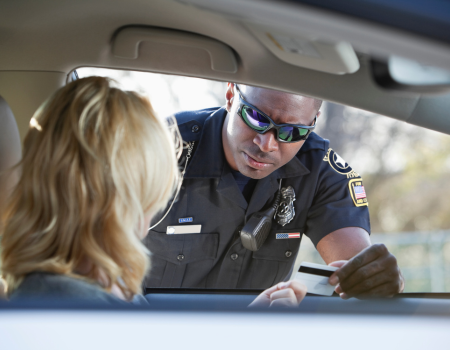 Were you recently pulled over in Arizona? Did the officer tell you why? Law enforcement officials don’t need to clearly state the rationale behind pulling you over, leaving you wondering about the legality of your stop. Let’s discuss when a cop has to tell you why they pulled you over in Arizona, your rights, and what you should do when being pulled over.
Does a Cop Have to Tell You Why They Pulled You Over in Arizona?
No, a cop does not have to tell you why they pulled you over, but law enforcement officials cannot pull you over without probable cause. If you take your violation or ticket to court, the cop will be required to share the rationale behind pulling you over. Being stopped unlawfully does happen, which is why many Arizona citizens record police interactions when they can.
Most officers will explain why you are being pulled over to facilitate a smooth process. However, some police officers will ask rhetorical questions. For example, a common question is, “Do you know how fast you were going?” It’s important to respond carefully, but honestly in these situations.
What Are Your Rights When Being Pulled Over?
You have rights when being pulled over in Arizona. First, you have the right to remain silent. You don’t need to answer probing questions, such as where you are traveling to or from. Next, you have the right to refuse a search. Officers can bypass this right if there is clear evidence that you have committed a crime, such as open alcohol in the passenger seat.
You also have the right to a lawyer. If you are detained, you do not need to answer any questions without a lawyer present. Be sure you express your wishes upfront. In addition, you do have the right to remain in your vehicle. If the officer does ask you to step out, it’s best to comply to avoid escalating the situation.
What Should You Do When Being Pulled Over in Arizona?
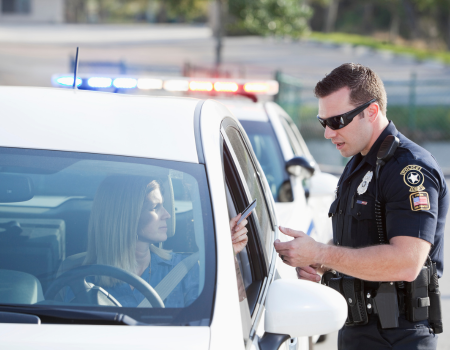 When you get pulled over by Arizona law enforcement, remain calm and stop your car when it is safe to do so. Be sure you aren’t obstructing traffic and turn on your hazards. Next, roll down your window and keep your hands where the police officer can see them, such as on the steering wheel. Your passengers should abide by the same rules.
Police officers are trained to respond within a moment’s notice, which is why it’s important to avoid any sudden movements. Provide the officer with any requested documents, such as your driver’s license, registration, and proof of insurance. Sometimes, the officer will explain why you are being pulled over. It doesn’t hurt to ask, but don’t be confrontational.
Write down the officer’s badge number if you can and gather witness contact information if you believe you are being unlawfully pulled over. Then, contact a qualified attorney that can walk you through the next steps and legal proceedings.
Summary
Are you wondering why you were pulled over and ticketed? It can be difficult to pinpoint the rationale behind your ticket or arrest without going to court. In these situations, contact our team at The Law Office of Zayed Al-Sayyed right away.
 por Zayed Al-Sayyed
What Happens if You Hit a Pedestrian Jaywalking in Arizona?
 Each year, hundreds of pedestrians in Arizona suffer serious injuries from traffic collisions. While negligent drivers are part of the problem, sometimes, the pedestrian is partially at fault. Incorrect use of roadways, including jaywalking, can have serious repercussions, including injury, lawsuits, and monetary penalties.
In this article, we’ll explain the basics of jaywalking, how to determine the at-fault party, and how comparative negligence factors into damage awards.
Understanding Jaywalking Laws in Arizona
Jaywalking is not condoned in Arizona, but it’s also not illegal. Jaywalking is considered crossing an intersection at any area outside of the designated walkway or at the incorrect time. Arizona Revised Statute 28-793 is the section of Arizona law that contains jaywalking provisions.
If a pedestrian does elect to jaywalk, they must stay on the curb until it’s safe to cross. There can be no vehicles in sight before crossing the roadway. This means you shouldn’t try and run across the road when a car is coming. Although jaywalking is not specifically illegal in Arizona, pedestrians can get in trouble if it places them or motorists in unnecessary danger.
One of the only situations where jaywalking is expressly permitted in Arizona is between adjacent intersections with control signals. Cities in Arizona can impose different regulations. This makes it important to consult with an attorney well-versed in all Arizona regulations if you are in an accident involving jaywalking.
Who Is At Fault?
 If the city does not permit jaywalking and the pedestrian does so anyway, the pedestrian could be liable for the collision. Breaking the law and causing an accident can lead to automatic liability under the rules of negligence. However, if the pedestrian had the right to jaywalk, the motorist might be partially at fault.
In situations where jaywalking is permitted, the pedestrian must do so safely. Stepping into oncoming traffic would generate negligence on the pedestrian’s part. However, if a driver could have reasonably avoided the crash, they can be found at fault. A driver can’t just barrel through pedestrians even though they are jaywalking. Drivers still have a responsibility to prevent collisions.
How Does Comparative Negligence Factor In?
Sometimes, an accident isn’t all the fault of one party. This is where comparative negligence comes into play. In Arizona, even if one party is 99% at fault, they can recover compensation under pure comparative negligence laws.
For example, if a pedestrian is jaywalking, but a motorist isn’t paying attention, both parties can be partially at fault. The percentage that the pedestrian or motorist is found at fault determines the amount that they can claim in damages.
Summary
Arizona jaywalking laws can quickly become complex when accidents occur, especially if both parties are partially at fault. This makes it important to contact a qualified personal injury attorney that can help you maximize your damages in the event comparative negligence comes into effect.
Our team at The Z Lawyer has the experience and expertise you need in a jaywalking lawsuit. Reach out today to schedule your free consultation.
 por Zayed Al-Sayyed
Do Pedestrians Have the Right of Way in AZ?
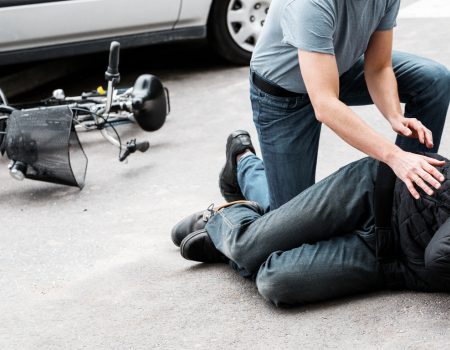 Pedestrian right-of-way laws can be tricky in Arizona, especially with each municipality imposing slightly different regulations. However, following pedestrian right-of-way regulations in Arizona is necessary, regardless of if you are a motorist, pedestrian, or cyclist.
What are the Pedestrian Right-of-Way Laws in Arizona?
Although there are fewer right-of-way regulations that pedestrians must follow compared to motorists, Arizona law specifically states that pedestrians cannot cross an intersection or a roadway if an approaching vehicle does not have the proper time to stop. It’s much easier for a pedestrian to stop walking rather than a vehicle coming to a quick stop.
Crossing roadways and intersections in unmarked areas, also known as jaywalking, is also prohibited in Arizona. Pedestrians are only allowed to cross the street at designated walkways and if a walk signal is present.
When are Pedestrians Required to Yield to Drivers in Arizona?
Pedestrians are required to yield to drivers in certain situations. At intersections, pedestrians must wait until there is a green signal to cross. Pedestrians are never permitted to cross the roadway in front of an approaching vehicle.
On the contrary, drivers must always yield to pedestrians, even if pedestrians aren’t following the proper regulations in Arizona. Drivers must come to a complete stop before the crosswalk, allowing pedestrians adequate time and space to cross.
Is Road Walking Permitted in Arizona?
 Road walking is permitted if there is no sidewalk. If there is a sidewalk, Arizona pedestrians must walk on the sidewalk. When pedestrians do choose to walk on the road with no sidewalk, they should stay on the shoulder. In addition, pedestrians should walk in the opposite direction of oncoming traffic to give motorists a clear view. Runners and joggers should follow the same regulations.
How Can Pedestrians Avoid Collisions with Motor Vehicles in Arizona?
When motorist and pedestrian accidents happen in Arizona, there are often multiple parties at fault. This could be a pedestrian crossing the road at the wrong time or a motorist not paying full attention to the roadway. There are ways that pedestrians can help avoid collisions with motor vehicles in Arizona.
First, pedestrians should follow all applicable signs, including “walk” and “wait” signals at intersections. Even when pedestrians have a clear sign to walk, they should double-check oncoming traffic before stepping out onto the road. Furthermore, pedestrians should look out for turning vehicles to ensure a clear roadway.
What About Cyclists?
Cyclist regulations in Arizona can be complex. Motorized vehicles, like wheelchairs, are considered pedestrians, while bicycles and scooters are considered a mix between pedestrians and drivers.
Where the cyclist is operating can determine which rules must be followed. If the cyclist is on the sidewalk, they should follow pedestrian laws. On the contrary, if the cyclist is on the roadway, they should follow motor vehicle regulations.
What Happens if You Are Injured or Cause an Accident?
Regardless of whether you are the injured party or at fault for an accident, you want to be working with a qualified attorney in Arizona. Reach out to The Z Lawyer today to see what your options are for a lawsuit or collecting damages.
 por Zayed Al-Sayyed
Is Arizona a Pedestrian State?
 Arizona has right of way laws in place to protect both pedestrians and motorists, with some of the highest numbers of pedestrian accidents in the nation. Understanding applicable pedestrian laws can help you reduce your risk of an accident and bring a comprehensive case forward when seeking compensatory damages.
What Right of Way Laws Must Pedestrians Follow in Arizona?
 Arizona pedestrians must abide by fewer laws compared to motorists. Nevertheless, adhering to these regulations can significantly reduce the number of accidents in Arizona. Pedestrian laws can be broken down into two main categories: road crossings and sidewalks.
Road Crossing
Arizona laws prohibit jaywalking. This means crossing the road without the proper signal or crossing outside of the designated walkway. Pedestrians are only allowed to cross the roadway at intersections, crosswalks, and designated pedestrian walkways.
If there is no designated walkway, pedestrians can cross the road if they give drivers an adequate amount of time to stop. Accidents that result from last minute crossing of the road are usually the fault of the pedestrian.
Sidewalks
If there is a sidewalk present, pedestrians in Arizona must use it. Pedestrians cannot walk on the side of the road when there is a designated walking area. If the sidewalk abruptly ends, the pedestrian is allowed to walk on the actual road on the shoulder. At no point should pedestrians walk in the roadway.
Additionally, pedestrians walking on the roadway must walk in the opposite direction of traffic to ensure motorists have a clear view. Runners and joggers should follow these same rules. If you do need to cross the roadway, follow the above road crossing rules.
Are Cyclists Considered Pedestrians in Arizona?
 Cyclists are one of the gray areas of Arizona pedestrian laws. Some motorized vehicles, like automated wheelchairs, fall under the pedestrian category, while bicycles and scooters are classified as hybrid pedestrians.
If a cyclist is on the road, they must follow vehicle rules, but if the cyclist is on the sidewalk, they are subject to pedestrian laws. In Arizona, cyclists are allowed to ride on the sidewalks unless there is an ordinance or sign prohibiting it. For example, Tucson does not allow cyclists to ride on sidewalks.
Cyclists have the ability to choose which side of the sidewalk they ride on. However, if the cyclist is on the roadway, they must ride on the right side of the road, next to the curb unless they are turning. Hand signals and other motions should be used to indicate turning.
When Should You Hire a Pedestrian Accident Lawyer?
If you’ve been involved in a pedestrian accident, it’s important that you hire a pedestrian accident lawyer right away. Arizona has a harsh statute of limitations, meaning you want to bring your claim forward as soon as possible.
Our team at theZlawyer is on standby, ready to help you navigate pedestrian laws. Whether you are at fault, looking to minimize liability, or the victim of a pedestrian accident, our team has you covered. Reach out today to schedule your free consultation.
 por Zayed Al-Sayyed
Pedestrian Laws in Arizona
 Whether you are exploring the downtown area or going for a hike in a rural area, Arizona creates the perfect landscape to travel on foot. However, just like drivers have a set of laws they need to abide by on roadways, pedestrians do too.
Unfortunately, pedestrian accidents do happen. This makes it important to understand the pedestrian right of way laws in Arizona and ways to prove driver responsibility.
You may be able to receive compensation for your injuries, which is why it’s best to work with an experienced Arizona pedestrian lawyer, like the team at the Zlawyer.
Understanding Right of Way Laws in Arizona
 Pedestrian right of way laws look to ensure the safety of both pedestrians and drivers. The first right of way law you should be familiar with is jaywalking. Although jaywalking isn’t specifically defined in Arizona regulations, Statute 28-793 does outline road crossing parameters.
Specifically, this statute describes that pedestrians may cross the street responsibly when no crosswalk is present. If there is a clear crosswalk, pedestrians must use it. Pedestrians must also wait until the roadway is clear to walk. An accident caused by a pedestrian walking into oncoming traffic is often the fault of the pedestrian in Arizona courts.
Each jurisdiction may impose slightly different jaywalking laws, making it important to understand the legislation you are subject to. Another right of way law deals with sidewalks. Pedestrians are not permitted to walk on the roadway when there is a sidewalk present. If there is no sidewalk, pedestrians must walk against traffic to ensure visibility by drivers.
Pedestrians don’t always have the right of way when crossing the road. The pedestrian must give the driver time to see and react to the pedestrian before they begin crossing. If ample time was not given, the pedestrian could be at fault for roadway accidents.
Ways to Prove Liability in Arizona Pedestrian Accidents
Proving liability in Arizona pedestrian accidents can become complex, especially with subjective evidence. To bolster your pedestrian case, look for the following sources of evidence:
- Video surveillance of the incident
- Photos and videos from the scene
- Eyewitness testimonials
- Accident reconstruction
- Statements from involved parties
- Vehicle dashcam footage
- Police reports
 The more evidence you can gather, the stronger your case will be. In addition, filing a lawsuit shortly after the accident helps ensure that all relevant information is gathered. It’s much easier to recall what happened last month compared to over a year ago. Not to mention that Arizona has a statute of limitations on pedestrian accidents, which is generally two years from the incident.
How to Choose the Right Attorney
Working with the right attorney can help you navigate the complexities of Arizona pedestrian laws. If you’ve been injured in a pedestrian accident involving a negligent driver, contact one of our team members right away.
We can work alongside you from start to finish, maximizing your compensation and helping you prove driver liability. Reach out to the Zlawyer today to learn more.
 por Zayed Al-Sayyed
Arizona Pedestrian Laws and Safety
 In Arizona, drivers aren’t the only ones who must abide by traffic laws. To prevent pedestrian injuries and fatalities, there are laws and regulations that pedestrians must follow as well.
Today, our legal experts are revealing the top Arizona pedestrian laws and safety regulations to be aware of. If you aren’t already familiar with our state’s laws regarding pedestrians, this is the blog post for you.
Basic Arizona Pedestrian Laws and Safety
While drivers must always be cautious of pedestrians, the latter have their own laws to follow. Below is a brief overview of Arizona pedestrian laws and safety regulations:
- Pedestrians must follow the directions of traffic control devices, signals, signs, pavement markings, etc.
- If pedestrians are traveling somewhere with a sidewalk, they need to use it. Walking on the road is prohibited if there is a better option.
- If pedestrians are traveling somewhere without a sidewalk, they should walk on the road’s left-side shoulder. (In other words, they should be facing oncoming traffic.)
Intersection Rules for Pedestrians
 Navigating intersections can be tricky. Therefore, it’s no surprise they are a frequent site of pedestrian accidents. To stay on the safe side and avoid potential injury, pedestrians should obey traffic signals whenever crossing an intersection.
Generally, pedestrians should not cross or enter the roadway in front of an oncoming car. This is especially true if the driver doesn’t have the time or opportunity to yield. When it is safe to cross, all pedestrians should do so within a crosswalk if available.
They could also use a pedestrian-friendly overhead pass or tunnel. If they choose to do otherwise, vehicles will have the right-of-way. Finally, pedestrians shouldn’t ever cross an intersection diagonally (even if it is the shortest route possible). The only exception would be if the traffic signals explicitly direct them to do so.
Follow the Rules of The Road
It doesn’t matter whether you’re traveling on foot or by car – everyone has to follow the rules of the road. For drivers, this means being extra cautious when pedestrians are present. For pedestrians, this means refraining from standing in the roadway to solicit rides, money, or employment. As a pedestrian, you should never willingly put yourself at risk.
Do Pedestrians Always Have the Right-of-Way?
It’s true that drivers should be cautious when pedestrians are near the road. However, this does not mean that the walker always has the right of way. For example, pedestrians need to wait for a green light or walk signal before crossing an intersection. Additionally, they should not cross outside of a crosswalk, as both situations give the vehicle the right of way.
Top-Rated Pedestrian Attorney in Phoenix, AZ
Do you travel Arizona’s streets on foot? If so, we hope that today’s blog post offered some valuable insight into important Arizona pedestrian laws and safety regulations. Unfortunately, even when all traffic laws are followed, accidents can still occur.
If you or a loved one has experienced a pedestrian accident in Arizona, The Law Office of Zayed Al-Sayyed can help. When you work with us, you gain access to the full force of our Aggressive Compassionate Representation. Contact our team to schedule your free, no-obligation consultation today.
 por Zayed Al-Sayyed
Pedestrian Accidents in Arizona
 Did you know that the number of pedestrian deaths in Arizona is 62 percent higher than the national average? Thanks to year-round sunshine and plentiful sidewalks, we live in an incredibly walkable state. Unfortunately, that also means that pedestrian accidents in Arizona are more common than they are in most states.
Today, our legal experts are diving deeper into this topic and revealing everything you should know about pedestrian accidents in Arizona. Stay tuned and feel free to reach out if you still have questions after reading this blog post.
Causes of Pedestrian Accidents
Knowing how accidents occur can help to prevent them from taking place. Let’s go over some of the main causes of pedestrian accidents in Arizona.
Distracted Driving
Distracted driving includes everything from applying makeup to fiddling with the GPS, and it’s a leading cause of pedestrian accidents. When drivers pay attention to their food, drink, phones, or passengers, they are less likely to notice pedestrians crossing the street.

Speeding
In Arizona, speeding is considered to be a form of reckless driving. That’s because it’s harder to maintain control of a speeding vehicle. Unfortunately, when pedestrians are struck by speeding vehicles, they are far more likely to sustain life-threatening injuries.
Taking a Left-Hand Turn
Left-hand turns are another common cause of pedestrian accidents in Arizona. Oftentimes, when drivers are focused on clearing the intersection, they forget to check the adjacent crosswalk for pedestrians. In this instance, pedestrians have the right of way. However, drivers might not realize they are there until it’s too late.
Arizona Pedestrian Laws
So, what should Arizona drivers know about pedestrian laws? Aside from exercising extreme caution, drivers are expected to do the following:
- Yield to pedestrians in crosswalks
- Avoid passing another vehicle when it’s stopped at a crosswalk
- Avoid passing a school bus when its stop sign is extended (and lights are flashing)
- Reduce speed to 15mph or less when traveling through a school zone
Determining Fault of Pedestrian Accidents in Arizona
When pedestrian accidents in Arizona occur, who is to blame? Is it the pedestrian illegally crossing the road? Or the driver who wasn’t paying attention? As experts in Arizona traffic law, we can attest that the answer is both.
All Arizona drivers are required to obey traffic laws and drive with caution. So if they breach that duty and cause a pedestrian accident, they can be sued for negligence.
However, Arizona pedestrians also have a duty to obey traffic laws and exercise caution. If a pedestrian fails to do so (say they dart out into the middle of a busy roadway), they can also be sued for negligence.
If you’re not sure who is at fault for your pedestrian accident, enlisting the assistance of an experienced pedestrian accident attorney can help you to determine that.
Phoenix Car Accident Attorneys
If you or a loved one have been involved in a pedestrian accident in Arizona, the next step is to meet with a pedestrian accident attorney. With ample experience in this area, the attorneys here at The Law Office of Zayed Al-Sayyed can help you navigate the personal injury claim process and determine how to move forward.
With our team by your side, you can expect to benefit from the full force of our famous Aggressive Compassionate Representation. Contact us today to schedule your free, no-obligation consultation.
 por Zayed Al-Sayyed
Steps To Take After a Pedestrian Accident

When you or a loved one are involved in a pedestrian accident, it can be an incredibly scary and difficult time. Unlike in a car-to-car accident, pedestrians don’t have any exterior protection. Therefore, not only are pedestrian accidents frightening, but they often result in serious injury and trauma.
It’s important to understand the steps to take after a pedestrian accident to ensure you are in the best position to move forward. Today, our skilled team of pedestrian accident attorneys is breaking down each of these steps for you.
Here are the steps to take after a pedestrian accident:
-
Check For Injuries
Are you injured? If so, where? How severely? The first step to take after a pedestrian accident is to check for injuries. Try to remain as calm as possible and determine whether or not you’re able to move safely. If you are on the road, it is important to move to a safer location (say a sidewalk) as quickly as you can.
-
Call Emergency Services

There is a good chance someone has already called 911, but it’s important to call for help or request that someone else make the call for you. After a pedestrian accident, it is incredibly important that a police report be filed right away. Upon their arrival, you should also get checked by paramedics (even if you don’t think you were injured).
-
Get the Driver’s Information
The next step to take after a pedestrian accident is to get the driver’s license plate number, name, and insurance information. When you’re exchanging information, we recommend that you don’t say too much and limit the discussion solely to data collection. It is especially important not to admit fault, which includes apologizing to the other party. An offhand, apologetic remark could easily come back to bite you later.
-
Collect Evidence
The more evidence you gather, the better off you will be later when seeking compensation. We recommend that you document as much as possible by taking pictures, talking to witnesses, and recording testimony. Think of it as attempting to paint a picture of the scene and the more evidence you collect will help your lawsuit later on.
-
Seek Medical Attention
We always advise getting checked by paramedics at the scene, however, you should also visit the hospital afterwards. Even if you don’t think you are injured, you should still have a doctor perform a proper medical examination to ensure that you don’t have internal injuries. Many injuries won’t present themselves until later and failing to get an immediate diagnosis could hurt your injury claim (and you) in the long run.
-
Contact an Attorney
 Even if you are not seriously injured, you should always contact a personal injury attorney following a pedestrian accident. A personal injury resulting from pedestrian accidents can lead to a lengthy and complicated insurance battle that you do not want to fight alone. Hiring an experienced Phoenix pedestrian accident lawyer will alleviate some of your stress and ensure that you get the compensation you deserve.
Top Pedestrian Accident Attorneys in Phoenix, AZ
While we hope you never have to experience one firsthand, everyone needs to be aware of the proper steps to take after a pedestrian accident. If you or a loved one has experienced a pedestrian accident and is filing a personal injury claim, visit our website.
With our years of demonstrated service and aggressive compassionate representation, our legal team here at The Law Office of Zayed Al-Sayyed will ensure that you have the best shot as a positive outcome. Contact our team today for a free consultation with a member of our team.
