


 بقلم زايد السيد
Uber Accident Laws in Phoenix: What Riders and Drivers Need to Know
Uber and Lyft have become some of the most popular transportation options in Phoenix, Arizona. While rideshare services are convenient, accidents involving Uber vehicles can create complicated legal and insurance issues for passengers, drivers, and other motorists.
Unlike traditional car accidents, Uber accident claims often involve multiple insurance policies, rideshare regulations, and disputes over liability coverage. Understanding Uber accident laws in Phoenix can help protect your rights if you are injured in a rideshare crash.
How Uber Accident Laws Work in Phoenix
Arizona has specific insurance requirements for rideshare companies such as Uber and Lyft. The amount of insurance coverage available depends heavily on what the Uber driver was doing at the time of the accident.
Uber accident laws in Phoenix generally divide coverage into three different periods.
When the Uber App Is Off
If the Uber driver is not logged into the app:
- The driver’s personal auto insurance applies
- Uber typically provides no coverage
Arizona minimum auto insurance coverage requirements generally include:
- $25,000 bodily injury coverage per person
- $50,000 bodily injury coverage per accident
- $15,000 property damage coverage
When the Driver Is Logged In Waiting for a Ride Request
If the driver is logged into the Uber app but has not accepted a ride request:
- Uber may provide limited liability coverage
- Coverage may include:
- $50,000 bodily injury per person
- $100,000 bodily injury per accident
- $25,000 property damage coverage
This phase is often referred to as the “waiting period” in rideshare accident claims.
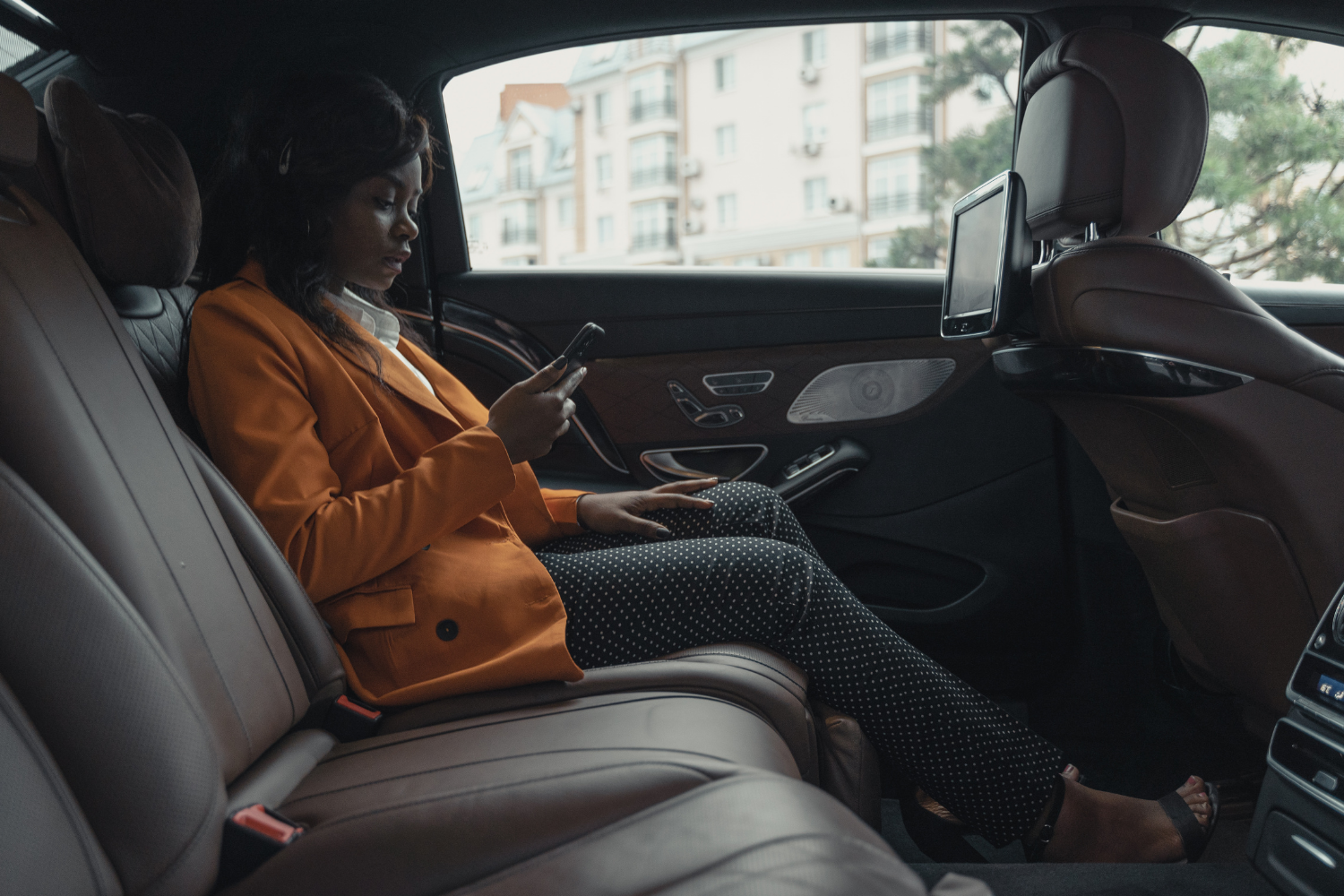 When the Driver Is Picking Up or Transporting a Passenger
Once an Uber driver accepts a ride request or has a passenger in the vehicle, Uber’s commercial insurance coverage may apply.
This coverage may include:
- Up to $1 million in liability coverage
- Uninsured motorist coverage
- Underinsured motorist coverage
- Contingent collision coverage
The driver’s app status is one of the most important factors in determining which insurance policy applies after a Phoenix Uber accident.
Who Can Be Liable in a Phoenix Uber Accident?
Liability in an Uber accident depends on who caused the crash.
Potentially responsible parties may include:
- The Uber driver
- Another negligent driver
- Multiple drivers
- Third-party vehicle owners
- Commercial vehicle operators
Because rideshare accidents may involve several insurance carriers, determining fault can become more complicated than a standard Arizona car accident case.
Arizona Comparative Negligence Laws
Arizona follows a pure comparative negligence system.
This means:
- Multiple parties can share fault for an accident
- An injured person may still recover compensation even if partially at fault
- Compensation may be reduced based on the percentage of fault assigned
For example, if a victim is found 20% responsible for the accident, their compensation could be reduced by 20%.
Comparative negligence rules often play a major role in Uber and Lyft accident claims involving multiple vehicles.
Common Causes of Uber Accidents in Phoenix
Several factors may contribute to rideshare accidents in Phoenix, including:
- Distracted driving
- GPS navigation distractions
- Driver fatigue
- السرعة الزائدة
- Aggressive driving
- عدم إعطاء الأفضلية
- Impaired driving
- Heavy Phoenix traffic congestion
Rideshare drivers often spend long hours on the road, increasing the likelihood of accidents caused by fatigue or distracted driving.
Common Injuries in Uber Accidents
Uber crashes can result in serious injuries, including:
- Whiplash
- Neck injuries
- Back injuries
- Concussions
- إصابات الدماغ الرضحية
- كسور العظام
- Shoulder injuries
- Soft tissue damage
Some injuries may not appear immediately after the accident, which is why medical evaluation is important even after seemingly minor collisions.
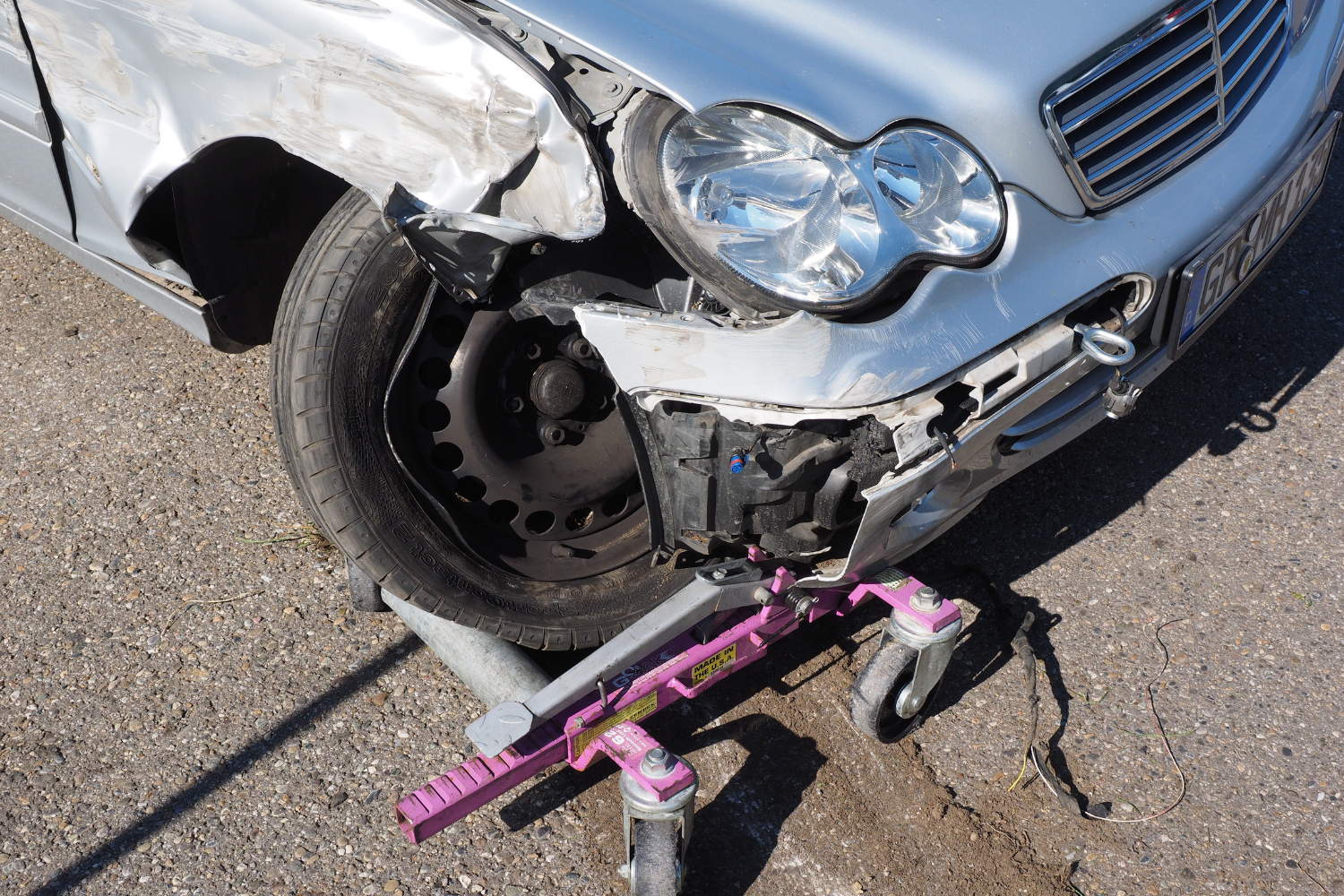
What to Do After an Uber Accident in Phoenix
Taking the right steps after a rideshare accident may help protect both your health and your injury claim.
- Call 911
Report the accident immediately and request emergency medical assistance if needed.
- Seek Medical Attention
Even minor symptoms should be evaluated by a medical professional. Delayed treatment can complicate injury claims.
- Report the Accident Through the Uber App
Uber allows passengers and drivers to report accidents directly through the app.
- Gather Evidence
Important evidence may include:
- Photos of the vehicles
- Accident scene photos
- Witness contact information
- Police report details
- Screenshots of trip information
- Avoid Discussing Fault
Avoid making detailed statements to insurance adjusters before understanding your legal rights.
Why Uber Accident Claims Are More Complicated
Uber accident claims are often more difficult than traditional car accident cases because they may involve:
- Commercial insurance policies
- Multiple insurance companies
- App-status disputes
- Independent contractor classifications
- High-value injury claims
Insurance companies may dispute:
- Which policy applies
- Whether the app was active
- Who caused the crash
- The severity of injuries
Because of these complexities, rideshare accident cases often require extensive investigation.
Compensation Available After an Uber Accident
Injured victims may be able to pursue compensation for:
- الفواتير الطبية
- Emergency room visits
- Physical therapy
- الأجور المفقودة
- الألم والمعاناة
- Future medical treatment
- Reduced earning capacity
- الأضرار المادية
The value of a claim often depends on:
- Injury severity
- Insurance coverage limits
- Liability evidence
- Long-term recovery needs
Why Medical Documentation Matters
Medical records can play a major role in Uber accident claims.
Victims should:
- Follow all treatment recommendations
- Attend follow-up appointments
- Keep records of medical expenses
- Document missed work and symptoms
Consistent treatment may strengthen the connection between the accident and the injuries suffered.
Should You Hire a Phoenix Uber Accident Lawyer?
Many rideshare accident victims choose to work with an attorney because Uber accident cases often involve:
- Complex insurance disputes
- Multiple liable parties
- Serious injuries
- Large commercial insurance companies
An experienced Phoenix Uber accident lawyer may help:
- Investigate the accident
- Gather evidence
- Review insurance policies
- Negotiate settlements
- Pursue compensation for damages
Legal representation can become especially important in high-value or disputed claims.
Uber accident laws in Phoenix are more complicated than standard Arizona car accident laws because multiple insurance policies and rideshare regulations may apply. Coverage often depends on whether the Uber driver was offline, waiting for a ride request, or actively transporting a passenger.
If you are injured in an Uber accident, taking immediate action, seeking medical treatment, and understanding your legal rights can play a major role in protecting your future claim.
Working with an experienced rideshare accident attorney may help you navigate Arizona’s complex Uber accident laws and pursue the compensation you deserve.
Contact Phoenix Uber Accident Attorney Zayed Al-Sayyed Today
If you were injured in an Uber accident in Phoenix, you don’t have to navigate the legal process alone. Rideshare accident claims can involve multiple insurance companies, disputed liability, and complex coverage issues that make recovering compensation more challenging than a typical car accident claim.
Zayed Al-Sayyed is committed to helping accident victims throughout Phoenix and Arizona fight for the compensation they deserve. Whether you were a passenger, Uber driver, pedestrian, or another motorist involved in the crash, our team can investigate your case, identify all available insurance coverage, and aggressively advocate for your rights.
Call The Law Office of Zayed Al-Sayyed at (602) 952-9937 for a FREE consultation today. We charge no upfront fees, and you pay nothing unless we win your case. Let us help you pursue maximum compensation while you focus on your recovery and getting your life back on track.
FAQs About Uber Accident Laws in Phoenix
What Laws Apply to Uber Accidents in Phoenix?
Uber accidents in Phoenix are governed by Arizona personal injury laws and Arizona’s Transportation Network Company (TNC) regulations. These laws determine liability, insurance requirements, and compensation rights for injured passengers, drivers, pedestrians, and other motorists.
Does Uber Provide Insurance Coverage After an Accident?
Yes. Arizona law requires significant insurance coverage when an Uber driver is actively transporting a passenger. Coverage can reach up to $1 million while a passenger is in the vehicle or a trip has been accepted.
Who Is Liable in a Phoenix Uber Accident?
Liability depends on who caused the crash. Potentially responsible parties may include:
The Uber driver
Another negligent driver
Multiple drivers
In rare cases, a vehicle manufacturer or third party
Determining fault is critical because it affects which insurance policy applies and how compensation is recovered.
How Long Do I Have to File an Uber Accident Claim in Arizona?
Arizona generally gives injured victims two years from the date of the accident to file a personal injury lawsuit. Missing this deadline may prevent you from recovering compensation.
What Compensation Can I Recover After an Uber Accident in Phoenix?
Depending on the circumstances, accident victims may be entitled to compensation for:
- Medical expenses
- الأجور المفقودة
- Future medical treatment
- الألم والمعاناة
- الاضطراب العاطفي
- Loss of earning capacity
The value of an Uber accident claim depends on the severity of injuries, available insurance coverage, and the facts of the case.
 بقلم زايد السيد
Most Aggressive Dog Breeds: What the Data Says About Dog Bite Risks
When people in Phoenix and throughout Arizona search for the most aggressive dog breeds, they are often looking for answers after hearing about a serious dog attack or trying to protect their family. While certain dog breeds appear more frequently in bite statistics, experts agree that aggression is rarely determined by breed alone.
Research from the American Veterinary Medical Association (AVMA), trauma center studies, and legal case data show that several factors—including size, bite force, training, and owner responsibility—play a major role in dog aggression and injury severity.
Understanding which breeds are most commonly involved in serious attacks can help Phoenix and Arizona families help families make informed decisions and understand their legal rights if a bite occurs.
What Makes a Dog Aggressive?
Aggression in dogs can be influenced by several factors, including:
- Poor socialization
- Lack of training
- Neglect or abuse
- Territorial behavior
- Fear-based reactions
- Improper restraint
- Medical issues
The AVMA emphasizes that breed alone is not a reliable predictor of aggression. However, some breeds are statistically linked to more severe attacks due to their strength and bite force.

Dog Breeds Most Commonly Linked to Serious Attacks
Based on studies and bite-related fatality reports, these breeds are most frequently associated with severe injuries:
Pit Bulls
Pit bulls are one of the most commonly cited breeds in fatal and severe dog attacks. Multiple trauma center studies found pit bulls accounted for a large percentage of bites requiring surgery and reconstructive treatment.
Their muscular build, strong bite force, and tenacity can increase injury severity when attacks occur.
Rottweilers
Rottweilers are powerful guard dogs known for loyalty and protective instincts. Without proper training, they can become territorial and dangerous.
Studies show Rottweilers are consistently among the top breeds involved in fatal attacks.
German Shepherds
German Shepherds are highly intelligent and often used in police and military work. While well-trained Shepherds are extremely obedient, poorly trained or neglected dogs can become aggressive.
Their size and jaw strength make bites especially dangerous.
Huskies
Huskies have been linked to both fatal and severe attacks, particularly involving children. Their prey drive and energy levels can create challenges if not properly managed.
Malamutes
Like Huskies, Malamutes are strong working dogs with protective instincts. Improper training can increase aggression risks.
Doberman Pinschers
Dobermans are known for being protective and fearless. While often excellent family dogs, they require structure and consistent training.

Why Bite Severity Matters More Than Bite Frequency
Not all dog bites are equal.
Some bites result in minor punctures, while others cause:
- Facial disfigurement
- كسور العظام
- Nerve damage
- Permanent scarring
- Multiple surgeries
- Emotional trauma
- Larger breeds with stronger bite force often cause more catastrophic injuries.
This is one reason why dog bite injury claims involving severe trauma may result in higher compensation.
Are Pit Bulls Really the Most Aggressive?
This remains one of the most debated topics in dog bite research.
While data shows pit bulls are involved in a disproportionate number of severe attacks, organizations like the AVMA caution against labeling one breed as inherently aggressive.
Important factors often include:
- Whether the dog was chained
- If the dog was neutered
- Prior history of aggression
- Owner supervision
- Environment and treatment
- In many cases, owner negligence is the biggest contributing factor.
- Children Face the Highest Risk
- Studies consistently show that children under 12 suffer the highest number of serious dog bite injuries.
Common injuries include:
- Face bites
- Neck wounds
- Eye injuries
- Scalp trauma
Because children are smaller and less able to defend themselves, injuries are often more severe.
Parents should always supervise young children around unfamiliar dogs.
What To Do After a Dog Bite in Phoenix, Arizona
If you or a loved one is attacked by a dog:
- Seek medical attention immediately
- Identify the dog and owner
- Report the attack to animal control
- Take photos of injuries
- Gather witness information
- Speak with a dog bite attorney
These steps can help protect your health and your legal rights.
Understanding Dog Bite Liability in Arizona
In many states, dog owners can be held liable for injuries caused by their pets, even if the dog has never bitten anyone before.
Victims may be entitled to compensation for:
- الفواتير الطبية
- الأجور المفقودة
- الألم والمعاناة
- Plastic surgery
- الاضطراب العاطفي
- Permanent disfigurement
- Dog bite injuries can have lifelong consequences, especially when they involve children.
Speak With a Phoenix, Arizona Dog Bite Lawyer Today
If you or a loved one has suffered injuries from a dog attack, understanding liability is critical. At The Law Office of Zayed Al-Sayyed, we help dog bite victims throughout Phoenix and Arizona pursue compensation for serious injuries, scarring, and trauma.
Call (602) 952-9937 today for a free consultation and learn how we can help protect your rights after a dog bite injury.
Dog bite injuries occur throughout Phoenix, Scottsdale, Mesa, Chandler, Gilbert, Tempe, Glendale, Peoria, and communities across Arizona. If you were injured by a dog in Arizona, understanding your rights under Arizona’s dog bite laws can help you pursue the compensation you deserve.
الأسئلة المتكررة
- What are the most aggressive dog breeds?
Studies have found that Pit Bulls, Rottweilers, German Shepherds, Huskies, Malamutes, and Doberman Pinschers are more frequently involved in severe dog bite incidents. However, experts agree that a dog’s behavior is influenced by factors such as training, socialization, environment, and responsible ownership—not breed alone.
- Are Pit Bulls the most dangerous dog breed?
Pit Bulls are often associated with a higher number of severe and fatal dog bite injuries, but experts emphasize that no single breed is inherently aggressive. Each dog’s behavior depends on many factors beyond breed, including how it is raised, trained, and cared for.
- What should I do after a dog bite?
Seek medical attention immediately, identify the dog and its owner, report the incident to animal control, document your injuries with photographs, gather witness information, and contact an experienced dog bite attorney to understand your legal rights.
- Who is liable if a dog bites someone?
In many states, dog owners may be held legally responsible for injuries caused by their dogs, even if the animal has never bitten anyone before. Liability depends on state law and the specific facts surrounding the incident.
- Can I recover compensation after a dog bite injury?
Yes. Depending on your case, you may be able to recover compensation for medical expenses, lost wages, pain and suffering, emotional distress, permanent scarring, and other damages resulting from the dog attack.
 بقلم زايد السيد
Arizona Bicycle Laws in 2026: What Every Cyclist Should Know
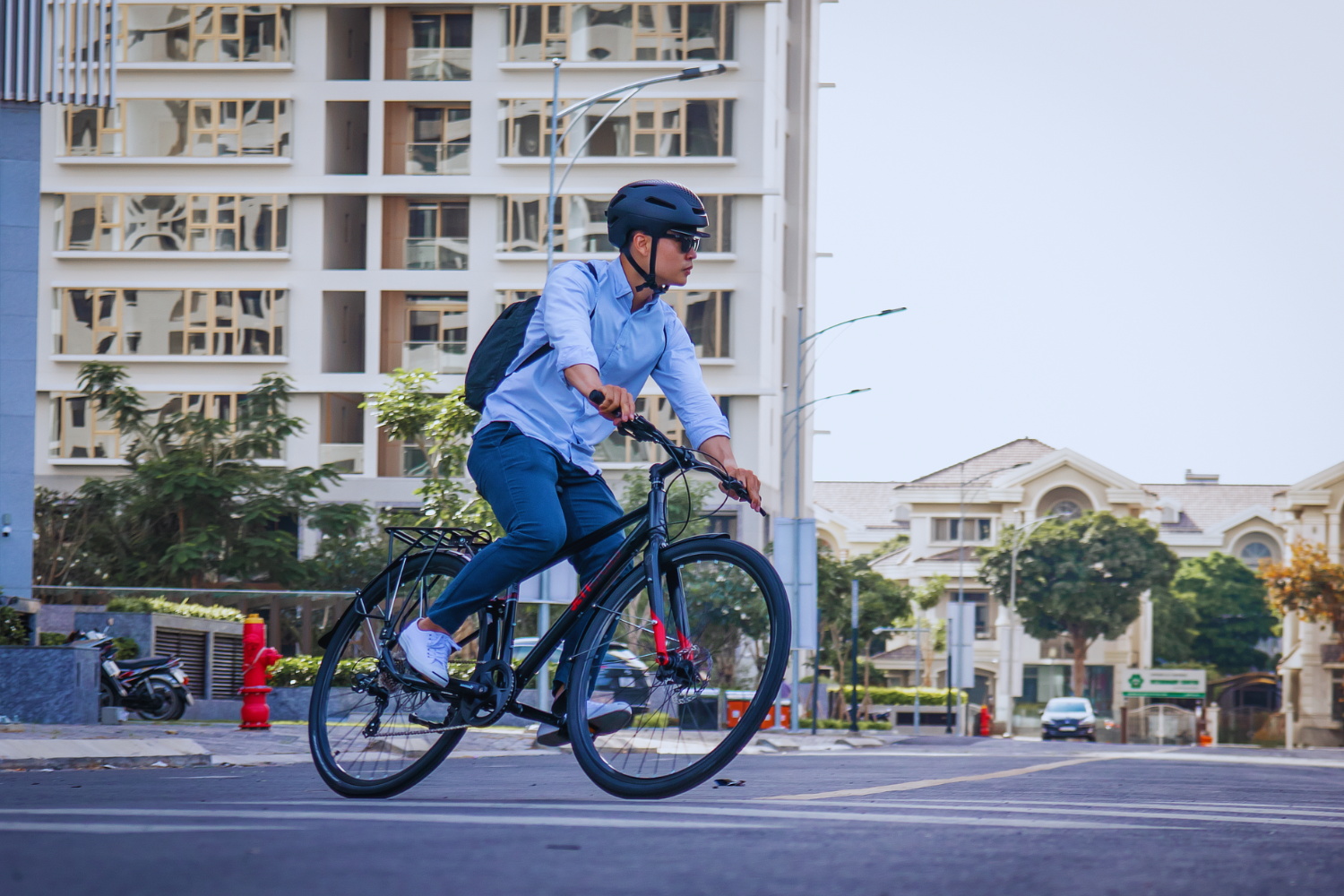
Cycling continues to grow in popularity across Arizona, especially in cities like Phoenix, Scottsdale, Tempe, Mesa, and Tucson. With more riders sharing the road than ever before, understanding Arizona bicycle laws in 2026 is essential for both safety and legal compliance. Whether you ride for exercise, commuting, or recreation, Arizona law gives bicyclists important rights while also placing responsibilities on riders.
This guide explains Arizona bicycle laws in 2026, including helmet requirements, sidewalk riding rules, e-bike regulations, the Three Foot Law, and what cyclists should know after a bicycle accident.
Are Bicycles Considered Vehicles in Arizona?
Yes. Under Arizona law, bicycles are generally treated as vehicles. This means bicyclists have many of the same rights and responsibilities as drivers of motor vehicles. Cyclists must obey:
- Traffic lights
- Stop signs
- Lane markings
- Yield laws
- Speed regulations
- Signaling requirements
At the same time, motorists must legally share the road with bicyclists and provide safe passing distance.
Arizona’s Three Foot Passing Law
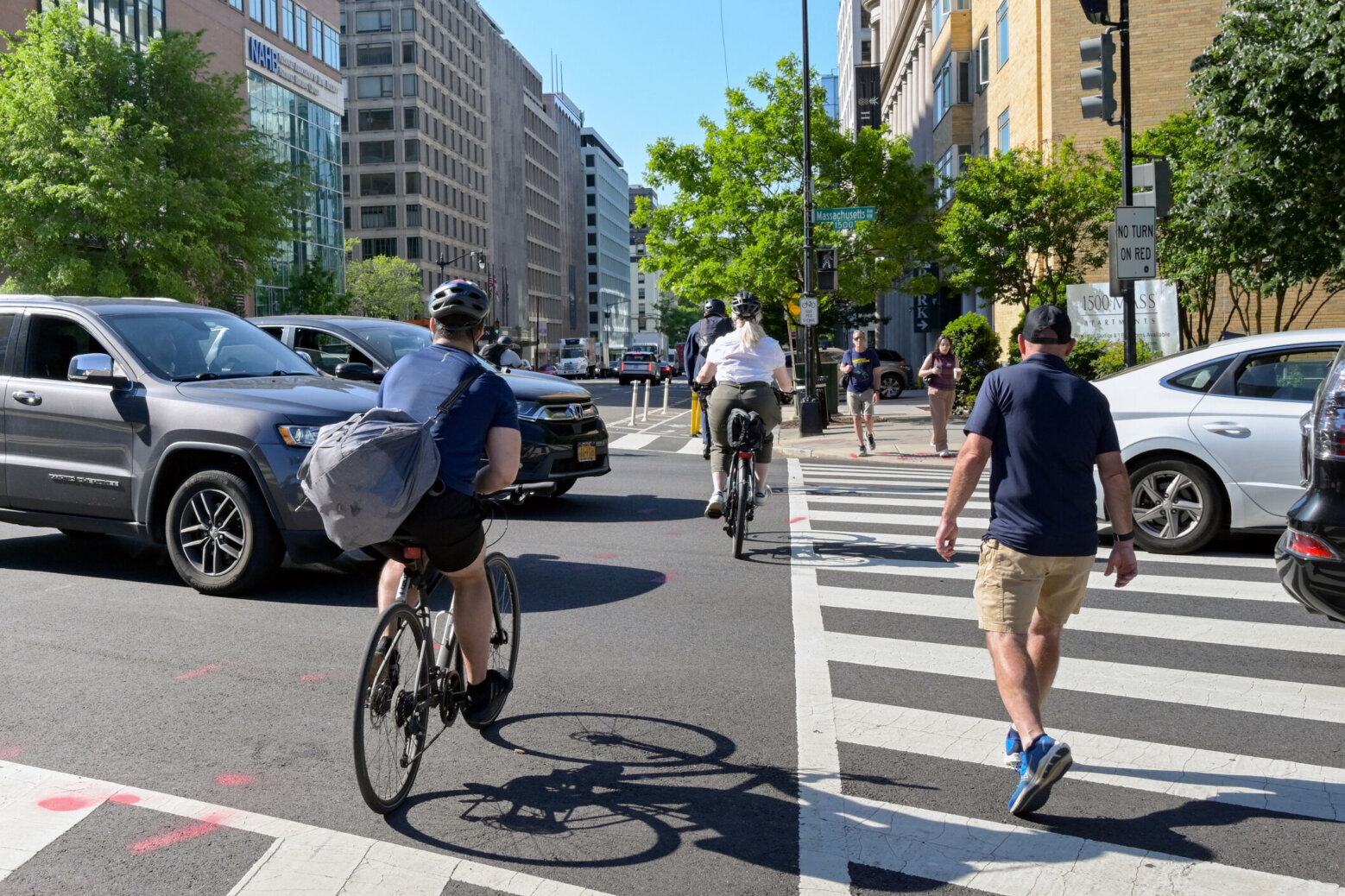
One of the most important bicycle safety laws in Arizona is the “Three Foot Law.” Arizona Revised Statute §28-735 requires drivers to leave at least three feet of space when passing a bicyclist traveling in the same direction.
Unsafe passing is one of the leading causes of bicycle accidents in Arizona, especially in busy metro areas like Phoenix and Tucson. Drivers who fail to provide enough clearance can face fines and additional penalties if a crash causes serious injury.
Where Should Bicyclists Ride on the Road?
Arizona law requires bicyclists riding slower than traffic to ride as close as practicable to the right side of the roadway. However, there are important exceptions that allow cyclists to move further into the lane when necessary.
Cyclists may legally take more of the lane when:
- Passing another vehicle or bicyclist
- Avoiding debris or road hazards
- Preparing for a left turn
- Traveling at the same speed as traffic
- The lane is too narrow for safe sharing
This is especially important because many Arizona roads do not provide enough space for a car and bicycle to safely travel side-by-side.
Arizona Bicycle Helmet Laws in 2026
Arizona does not currently have a statewide bicycle helmet law. Adults are generally not legally required to wear helmets while riding a bicycle. However, several Arizona cities and counties require helmets for minors under 18.
Local jurisdictions with helmet laws for minors may include:
- Tucson
- Pima County
- Sierra Vista
- Yuma County
- Certain e-bike ordinances in Glendale and Tempe
Even though helmets are not required statewide, safety experts strongly recommend them because helmets significantly reduce the risk of traumatic brain injuries during bicycle accidents.
Night Riding Equipment Requirements
Arizona law requires bicyclists riding at night to equip their bicycles with proper lighting and safety equipment.
Required nighttime equipment includes:
- White front light visible from at least 500 feet
- Rear red reflector visible from 50–300 feet
- Functional brakes capable of stopping the bicycle safely
Additional reflective gear and rear lighting are highly encouraged, especially when riding near traffic after sunset.
Can You Ride a Bicycle on the Sidewalk in Arizona?
Arizona state law generally allows sidewalk riding unless restricted by local city ordinances. However, the rules vary significantly depending on the city.
For example:
- Phoenix generally allows sidewalk riding unless prohibited by signs
- Tucson restricts sidewalk riding in certain areas
- Tempe has specific regulations for bikes, e-bikes, and scooters
Cyclists riding on sidewalks must always yield to pedestrians and use caution near driveways and intersections.
Arizona E-Bike Laws in 2026
Electric bicycle regulations continue evolving throughout Arizona in 2026. While Arizona state law generally treats e-bikes similarly to traditional bicycles, many cities are implementing additional local safety rules.
Recent Arizona e-bike regulations may include:
- Helmet requirements for riders under 18
- Minimum age requirements
- Restrictions for Class 3 e-bikes
- Lighting requirements for nighttime riding
- Sidewalk and multi-use path restrictions
Cities like Glendale and Tempe have already introduced stricter e-bike safety ordinances due to growing concerns about accidents and reckless riding.
Hand Signals and Safe Riding Requirements
Arizona bicyclists must use proper hand signals before turning or stopping. Common hand signals include:
- Left arm straight out for left turns
- Left arm bent upward or right arm straight out for right turns
- Left arm downward for stopping
Cyclists are also prohibited from:
- Clinging to moving vehicles
- Carrying more passengers than the bicycle is designed for
- Riding without at least one hand on the handlebars
These rules help reduce accidents and improve predictability for both cyclists and drivers.
Common Causes of Bicycle Accidents in Arizona
Many bicycle accidents occur because drivers fail to properly share the road. Common causes of Arizona bicycle crashes include:
- Distracted driving
- عدم إعطاء الأفضلية
- Unsafe lane changes
- السرعة الزائدة
- Drivers entering bike lanes
- Dooring accidents
- القيادة تحت تأثير الكحول
- Unsafe left turns at intersections
Intersections remain one of the most dangerous locations for Arizona bicyclists.

What Happens if a Cyclist Is Partially at Fault?
Arizona follows a pure comparative negligence system. This means injured bicyclists may still recover compensation after an accident even if they were partially at fault.
For example, if a bicyclist is found 20% responsible for an accident, their financial recovery may simply be reduced by 20%. This law can become very important in bicycle accident injury claims involving disputed liability.
Understanding Arizona bicycle laws in 2026 is important for both cyclists and motorists. As bicycle traffic and e-bike use continue increasing throughout Arizona, riders should stay informed about state laws and local city ordinances.
Following bicycle safety laws, wearing proper safety equipment, using lights at night, and riding predictably can significantly reduce the risk of serious accidents. Drivers and cyclists both share responsibility for making Arizona roads safer for everyone.
If you were injured in a bicycle accident caused by a negligent driver, speaking with an experienced Arizona bicycle accident attorney may help you better understand your legal rights and options.
Contact Phoenix Bicycle Accident Attorney Zayed Al-Sayyed Today
If you were injured in a bicycle accident caused by a negligent driver, don’t wait to learn about your legal rights. Bicycle accident claims often involve complex liability issues, insurance disputes, and serious injuries that can impact your future.
At the Law Office of Zayed Al-Sayyed, we fight to help injured cyclists recover compensation for medical expenses, lost wages, pain and suffering, and other damages. Whether your accident involved a distracted driver, unsafe passing, or a violation of Arizona bicycle laws, our team is here to help.
Call (602) 952-9937 today for a free consultation. We work on a contingency fee basis, which means you pay nothing unless we win your case. Let us protect your rights while you focus on your recovery.
FAQs About Arizona Bicycle Laws in 2026
Do Bicyclists Have the Same Rights as Drivers in Arizona?
Yes. Arizona law generally treats bicycles as vehicles, which means cyclists have the same rights and responsibilities as motorists. Bicyclists must obey traffic signals, stop signs, and other rules of the road.
Is There a Bicycle Helmet Law in Arizona?
No. Arizona does not have a statewide bicycle helmet law for adults or minors. However, some cities and local jurisdictions require helmets for riders under 18. Even when not required, wearing a helmet is strongly recommended for safety.
How Much Space Must Drivers Give Bicyclists When Passing?
Arizona’s “Three-Foot Law” requires motorists to leave at least three feet of clearance when passing a bicycle traveling in the same direction. This law helps protect cyclists and reduce the risk of collisions.
Are Bicyclists Required to Have Lights at Night?
Yes. Arizona law requires bicycles ridden after dark to have a white front light visible from at least 500 feet and a rear red reflector (or rear light) visible to approaching vehicles. Bicycles must also have functional brakes.
Can You Ride a Bicycle on the Sidewalk in Arizona?
It depends on the city. In many Arizona cities, including Phoenix, riding on the sidewalk is generally permitted unless otherwise posted. However, bicyclists must yield the right-of-way to pedestrians and exercise caution when using sidewalks.
 بقلم زايد السيد
What Is the Riskiest Places for Bicyclists in Arizona? (2026 Guide)
Arizona is one of the best states for year-round cycling thanks to its warm climate and extensive network of roadways and recreational paths. However, those same roads can present significant dangers for cyclists. Heavy traffic, high-speed arterial roads, busy intersections, and distracted drivers contribute to hundreds of bicycle crashes each year. While there is no official designation for the single riskiest location in Arizona, crash statistics and transportation studies consistently point to urban intersections and major multi-lane roadways as the most hazardous places for bicyclists.
Recent national studies have also identified several Arizona cities among the most dangerous in the country for cyclists. Whether you ride for exercise, recreation, or daily commuting, understanding where crashes happen and how to avoid them can help reduce your risk of serious injury.
Arizona Has Some of the Nation’s Most Dangerous Cities for Cyclists
A recent ConsumerAffairs study analyzing bicycle fatalities in the nation’s 100 largest cities found that Arizona had more cities ranked among the most dangerous for cyclists than any other state. While Tucson received the highest ranking among Arizona cities, Mesa, Glendale, Scottsdale, Phoenix, Gilbert, and Chandler also appeared on the list, demonstrating that bicycle safety is a statewide concern.
Arizona cities ranked for cyclist danger include:
- Tucson – #5 most dangerous city in the U.S.
- Mesa – #6
- Glendale – #8
- Scottsdale – #13
- Phoenix – #39
- Gilbert – #46
- Chandler – #48
- Tucson recorded 1.47 cyclist fatalities per 100,000 residents
- Tucson’s fatality rate is more than four times the national average
Although Phoenix ranked lower nationally, it consistently records the highest number of bicycle crashes in Arizona due to its population size and heavy traffic.
Where Do Most Bicycle Accidents Occur?
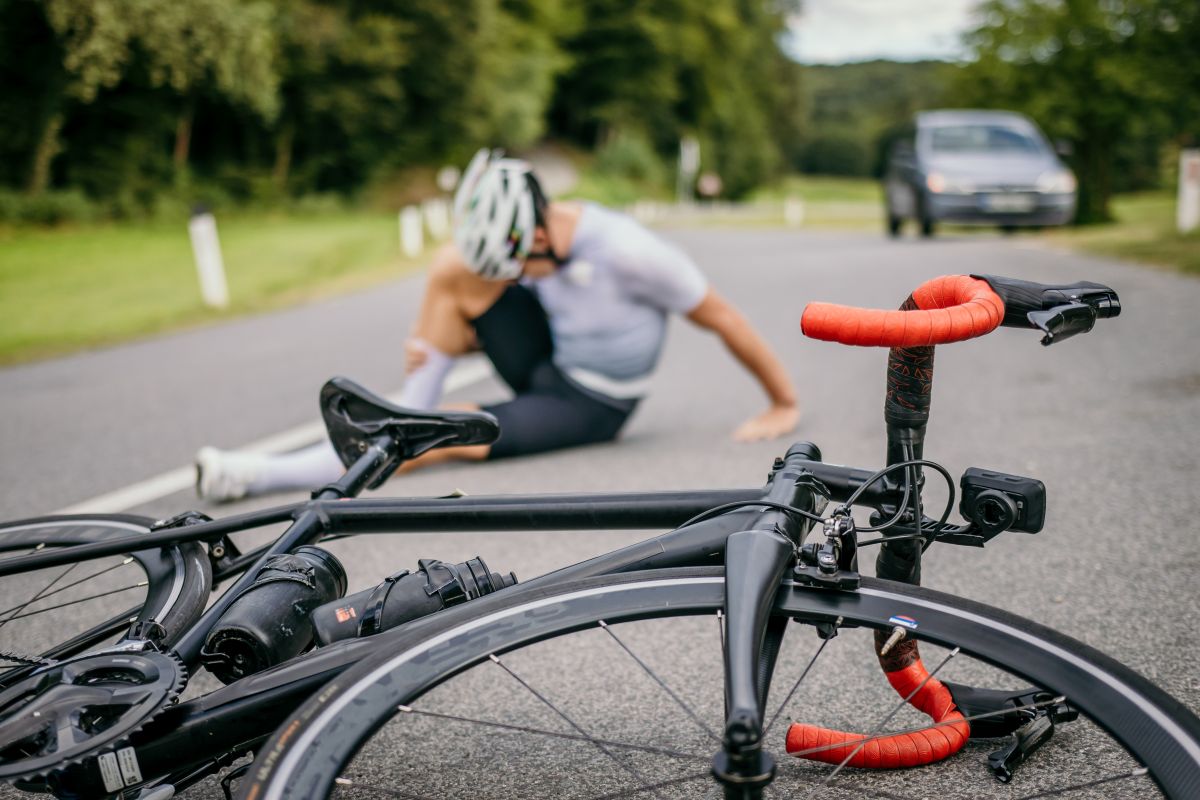
Transportation experts agree that intersections remain the most dangerous location for bicyclists. Drivers are making turns, changing lanes, entering traffic, and navigating multiple traffic signals simultaneously. Even a brief moment of distraction can lead to a devastating collision with a cyclist.
Common high-risk locations include:
- Busy signalized intersections
- Commercial shopping center entrances
- Driveways entering major roads
- Highway frontage roads
- High-speed arterial streets
- Multi-lane roadways with limited bike lanes
- Construction zones
- Areas with poor nighttime lighting
Many crashes happen because motorists simply fail to notice bicyclists until it is too late.
Arizona’s Most Dangerous Roads for Cyclists
Several roadways throughout the Phoenix metropolitan area repeatedly appear in crash reports because they combine high vehicle speeds, multiple intersections, and heavy traffic volumes. These roads are especially challenging for cyclists, even when bike lanes are present.
Phoenix
Some of the most dangerous roads include:
- Indian School Road
- McDowell Road
- Van Buren Street
- Camelback Road
- Thomas Road
- Bell Road
- Baseline Road
- Glendale Avenue
Tempe & Mesa
Cyclists should use extra caution on:
- University Drive
- Apache Boulevard
These corridors experience heavy bicycle traffic due to Arizona State University, public transportation, and nearby businesses.
Scottsdale
Higher crash risks have also been identified along:
- Scottsdale Road
- Shea Boulevard intersections
- Frank Lloyd Wright Boulevard corridor
Why Are These Roads So Dangerous?
Many of Arizona’s busiest roads were designed primarily for automobiles rather than bicycles. Wide roadways, higher speed limits, frequent driveways, and heavy turning traffic create numerous conflict points where drivers and cyclists occupy the same space.
Contributing factors include:
- Speed limits of 45–55 MPH
- Four- to six-lane roads
- Numerous commercial driveways
- Heavy turning traffic
- Limited protected bike lanes
- Large trucks and commercial vehicles
- Congested intersections
- Reduced visibility during sunrise and sunset
Higher speeds not only increase the likelihood of a crash but also make injuries significantly more severe.
Common Causes of Bicycle Accidents
The majority of bicycle accidents are caused by driver negligence rather than cyclist error. Even experienced riders following the rules of the road can become victims when motorists fail to exercise reasonable care.
Frequent causes include:
- Distracted driving
- إرسال الرسائل النصية أثناء القيادة
- عدم إعطاء الأفضلية
- Left-turn collisions
- Right-hook accidents
- السرعة الزائدة
- Unsafe lane changes
- القيادة تحت تأثير الكحول
- Opening vehicle doors into cyclists
- Failure to check blind spots
Arizona Bicycle Laws Every Driver Should Know
Arizona law provides important protections for bicyclists and places legal responsibilities on motorists who share the road. Understanding these laws can help determine liability after a bicycle accident.
Arizona drivers must:
- Leave at least three feet when safely passing a bicyclist.
- Wait until it is safe before passing if adequate space is unavailable.
- Yield when required by traffic laws.
- Avoid opening vehicle doors into moving traffic.
- Share the roadway safely with cyclists.
Violations of these laws may be evidence of negligence in a personal injury claim.
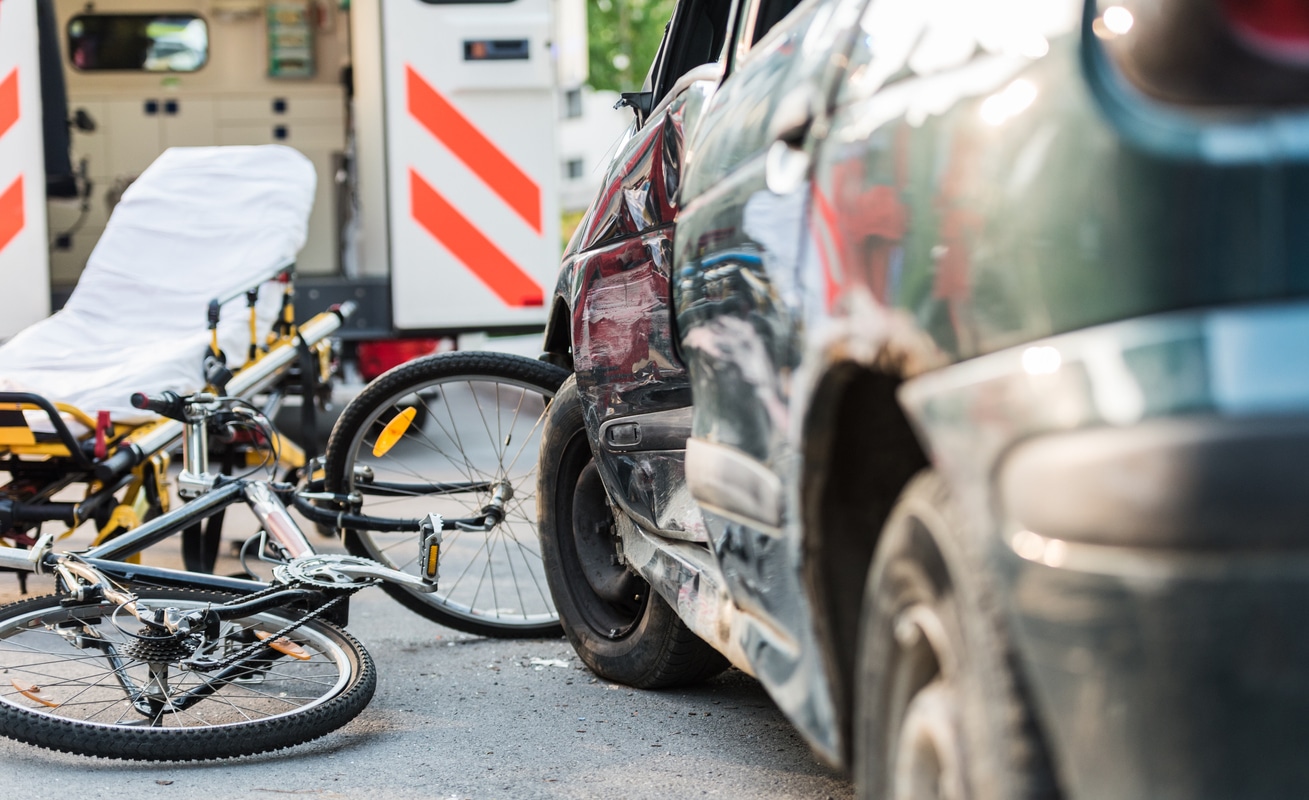
What Should You Do After a Bicycle Accident?
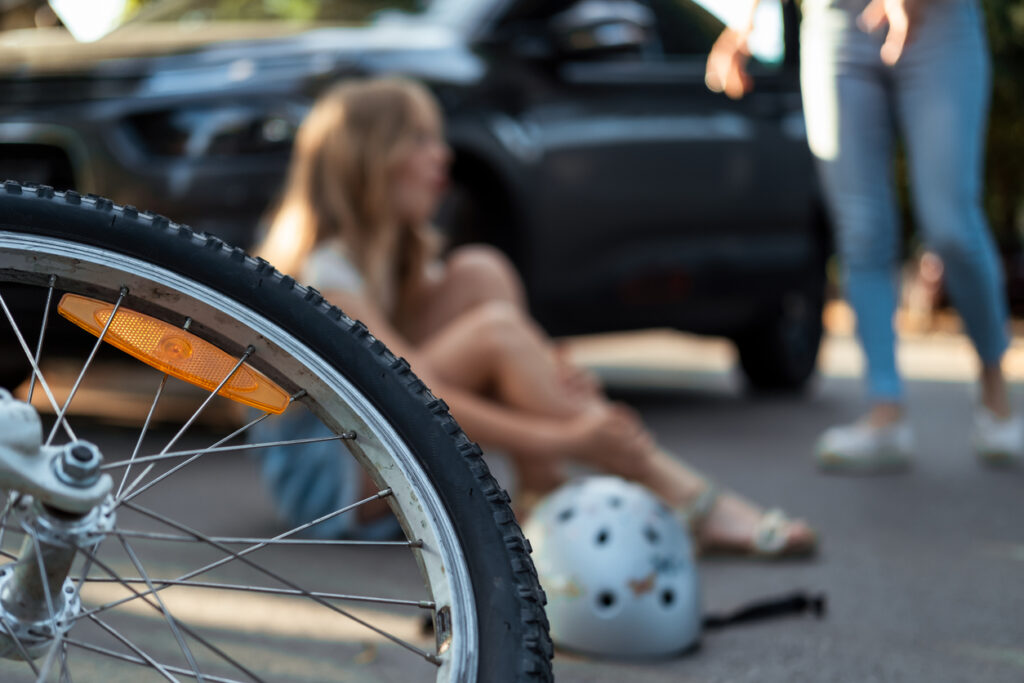
The actions you take immediately after a bicycle accident can play an important role in protecting both your health and your legal rights. Even if your injuries appear minor, seeking prompt medical treatment is critical because many serious injuries develop symptoms hours or days later.
After a bicycle crash you should:
- Call 911 immediately.
- Request a police report.
- Seek emergency medical care.
- Photograph the accident scene.
- Document your injuries.
- Preserve your damaged bicycle.
- Exchange insurance information.
- Obtain witness contact information.
- Avoid discussing fault.
- Contact an experienced bicycle accident attorney.
Common Bicycle Accident Injuries
Because bicyclists have little protection compared to vehicle occupants, even relatively low-speed collisions can result in life-changing injuries. Many victims require surgery, rehabilitation, and months away from work.
Serious injuries often include:
- إصابات الدماغ الرضحية
- Concussions
- كسور العظام
- إصابات الحبل الشوكي
- Neck injuries
- Shoulder injuries
- كسور الورك
- Knee injuries
- نزيف داخلي
- Severe road rash
- Permanent disabilities
Medical expenses can quickly become overwhelming without fair compensation from the responsible party.
Who May Be Liable for a Bicycle Accident?
Every bicycle accident is unique. Depending on the circumstances, more than one party may share responsibility for the collision. A thorough investigation can identify all potential sources of compensation.
Liable parties may include:
- Negligent drivers
- Commercial trucking companies
- Delivery vehicle operators
- Employers
- Government agencies
- Property owners
- Vehicle manufacturers
- Bicycle component manufacturers
An attorney can evaluate the evidence and determine who may be legally responsible.
How a Phoenix Bicycle Accident Attorney Can Help
Insurance companies often attempt to minimize bicycle accident claims by shifting blame onto the cyclist or disputing the severity of injuries. An experienced attorney understands these tactics and can build a strong case supported by medical records, witness statements, accident reconstruction experts, and other evidence.
A bicycle accident attorney can help by:
- Investigating the collision
- Gathering evidence
- Interviewing witnesses
- Reviewing surveillance footage
- Negotiating with insurance companies
- Calculating future damages
- Filing a lawsuit if necessary
- Pursuing maximum compensation
الأسئلة المتكررة
Where do most bicycle accidents happen in Arizona?
Most bicycle accidents occur at busy intersections, commercial driveways, and high-speed arterial roads where vehicles frequently turn or fail to yield.
Which Arizona city is the most dangerous for cyclists?
Recent national rankings identified Tucson as the fifth most dangerous city in the United States for cyclists, with Mesa and Glendale also ranking in the top ten.
What is Arizona’s three-foot passing law?
Arizona law generally requires drivers to leave at least three feet of clearance when passing a bicyclist whenever it is safe to do so.
Can I recover compensation if I was partially at fault?
Yes. Arizona follows a pure comparative negligence system, meaning you may still recover compensation even if you were partially responsible for the accident, although your recovery may be reduced by your percentage of fault.
How long do I have to file a bicycle accident claim?
Most Arizona personal injury claims must be filed within the applicable statute of limitations, although exceptions may apply. Speaking with an attorney as soon as possible is recommended.
Contact an Experienced Phoenix Bicycle Accident Attorney
A bicycle accident can change your life in an instant, leaving you with serious injuries, expensive medical bills, lost income, and uncertainty about the future. If another person’s negligence caused your crash, you shouldn’t have to handle the financial and legal burden alone. An experienced attorney can investigate your accident, gather critical evidence, negotiate with insurance companies, and pursue the full compensation you deserve.
Why Choose The Law Office of Zayed Al-Sayyed?
- Free initial consultation
- Aggressive representation against insurance companies
- Experienced in Arizona personal injury law
- Personalized legal guidance throughout your case
- No attorney’s fees unless we recover compensation for you
Whether your bicycle accident occurred at a busy Phoenix intersection, on one of Arizona’s most dangerous roads, or anywhere else in the state, our legal team is committed to protecting your rights and helping you move forward with confidence. Contact The Law Office of Zayed Al-Sayyed today at (602) 952-9937 to schedule your free consultation and learn how we can help you pursue the compensation you deserve after a bicycle accident.
 بقلم زايد السيد
What Are the Trucking Laws in Arizona in 2026?
Commercial trucking plays a major role in Arizona’s economy, especially along major freight corridors like Interstate 10, Interstate 17, and Interstate 40. Because large commercial trucks can cause catastrophic accidents, Arizona and federal agencies enforce strict trucking laws and safety regulations designed to protect drivers and the public.
If you are a truck driver, trucking company owner, or someone injured in a truck accident, understanding Arizona trucking laws in 2026 is important. This guide explains Arizona commercial trucking regulations, Hours of Service rules, CDL requirements, truck weight limits, and safety laws that apply to commercial vehicles operating throughout the state.
Who Regulates Trucking Laws in Arizona?
Arizona trucking laws are enforced by both state and federal agencies. The primary agencies include:
- Arizona Department of Public Safety (DPS) Commercial Vehicle Enforcement Bureau
- Arizona Department of Transportation (ADOT)
- Federal Motor Carrier Safety Administration (FMCSA)
Commercial truck drivers and trucking companies operating in Arizona must comply with both Arizona state laws and federal trucking regulations.
These agencies conduct roadside inspections, weigh station checks, safety audits, and enforcement operations to ensure trucking companies follow safety laws and properly maintain commercial vehicles. (FMCSA)
What Is Considered a Commercial Vehicle in Arizona?
Arizona generally classifies a commercial motor vehicle (CMV) as a vehicle used for business purposes that meets certain weight or operational thresholds.
Commercial vehicle regulations commonly apply to:
- Vehicles over 10,000 pounds operating in interstate commerce
- Vehicles over 26,000 pounds operating intrastate
- Vehicles transporting hazardous materials
- Vehicles carrying passengers for compensation
Commercial vehicles may require special registration, permits, USDOT numbers, and compliance with FMCSA safety regulations. (Arizona Department of Transportation)
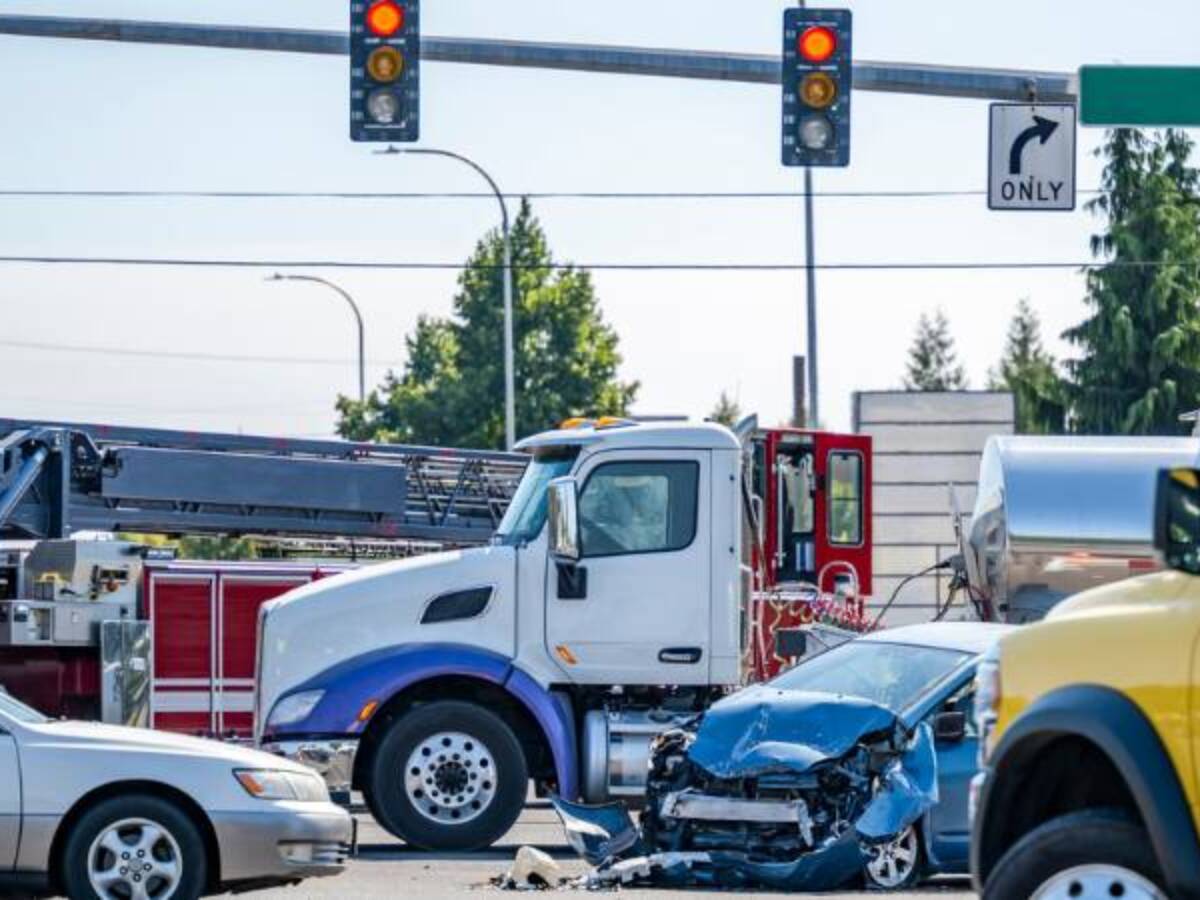
Arizona CDL Requirements in 2026
Truck drivers operating commercial vehicles in Arizona must hold the proper Commercial Driver’s License (CDL). Different CDL classifications and endorsements apply depending on the vehicle and cargo.
Common CDL endorsements may include:
- Hazardous materials (HazMat)
- Tank vehicles
- Passenger transport
- Double or triple trailers
Arizona CDL applicants must also meet federal and state requirements involving:
- DOT medical examinations
- Proof of residency
- Identity verification
- Driver training requirements
Many CDL applicants are now required to complete training through an FMCSA-approved training provider before taking CDL exams. (Arizona Department of Transportation)
Hours of Service (HOS) Rules for Truck Drivers
One of the most important trucking safety laws in Arizona involves federal Hours of Service regulations. These rules are designed to reduce fatigued driving accidents caused by overworked truck drivers.
In general, federal Hours of Service rules limit drivers to:
- A maximum of 11 driving hours after 10 consecutive hours off duty
- A 14-hour work window
- No more than 60 hours on duty in 7 days
- No more than 70 hours on duty in 8 days
Truck drivers and carriers who violate Hours of Service rules may face fines, penalties, and liability after an accident. Driver fatigue remains one of the leading causes of serious truck accidents nationwide. (FMCSA)
Arizona Truck Size and Weight Limits
Arizona trucking laws also regulate commercial truck dimensions and weight restrictions.
General Arizona commercial truck limits include:
- Maximum truck length: 65 feet
- Maximum width: 8 feet 6 inches
- Maximum height: 14 feet
- Maximum gross vehicle weight: 80,000 pounds
Trucking companies transporting oversized or overweight loads may need special permits issued through ADOT before operating on Arizona roads. (Arizona Department of Transportation)
Truck Inspection and Maintenance Laws
Federal and Arizona regulations require trucking companies to properly inspect, repair, and maintain commercial vehicles.
Commercial truck inspections often focus on:
- Brakes
- Tires
- Steering systems
- Lighting
- Coupling devices
- Mirrors
- Cargo securement
- Exhaust systems
- Windshield equipment
Arizona DPS Commercial Vehicle Enforcement officers regularly inspect trucks at weigh stations and roadside checkpoints. Trucks with dangerous defects may be placed “out of service” until repairs are completed. (Arizona Department of Transportation)

Cargo Securement Laws in Arizona
Arizona trucking laws require cargo to be properly loaded and secured to prevent shifting loads or roadway debris accidents.
Improper cargo securement can lead to:
- Jackknife accidents
- Cargo spills
- Rollover crashes
- Tire blowouts
- Multi-vehicle accidents
Both trucking companies and cargo loading companies may face liability if improperly secured cargo causes an accident.
Drug and Alcohol Testing Requirements
Commercial trucking companies must comply with federal drug and alcohol testing regulations for CDL drivers.
Testing requirements may include:
- Pre-employment drug testing
- Random drug testing
- Post-accident testing
- Reasonable suspicion testing
- Return-to-duty testing
Truck drivers operating under the influence of drugs or alcohol can face severe criminal penalties, CDL suspension, and civil liability after accidents.
Common Trucking Law Violations in Arizona
Some of the most common trucking violations investigated after Arizona truck accidents include:
- Driver fatigue
- Hours of Service violations
- السرعة الزائدة
- Distracted driving
- Brake failures
- Tire defects
- Improper cargo loading
- CDL violations
- Failure to inspect vehicles
- Drug or alcohol violations
In many truck accident cases, multiple parties may be responsible, including the driver, trucking company, cargo loaders, maintenance companies, or equipment manufacturers.
Arizona Truck Accident Liability Laws
Arizona follows a pure comparative negligence system. This means accident victims may still recover compensation even if they were partially at fault for the crash.
Truck accident cases are often more complex than regular car accidents because they may involve:
- Federal trucking regulations
- Electronic logging devices (ELDs)
- Black box data
- Maintenance records
- Driver qualification files
- Trucking company safety violations
Arizona generally allows injured victims two years from the date of the accident to file a personal injury claim.
Arizona trucking laws in 2026 continue focusing heavily on roadway safety, commercial driver accountability, and compliance with federal trucking regulations. Trucking companies and drivers operating throughout Arizona must follow strict laws involving licensing, vehicle maintenance, Hours of Service rules, cargo securement, and commercial safety standards.
When trucking companies ignore these regulations, the consequences can be devastating. Understanding Arizona trucking laws can help drivers, trucking companies, and accident victims better understand their legal responsibilities and rights.
Contact Phoenix Truck Accident Attorney Zayed Al-Sayyed Today
Truck accident cases are often far more complex than standard car accident claims. Violations of federal trucking regulations, driver fatigue, improper vehicle maintenance, overloaded cargo, and trucking company negligence can all play a role in causing serious crashes. If you or a loved one has been injured in a truck accident, it is important to act quickly to protect your rights and preserve critical evidence.
Zayed Al-Sayyed and his legal team have the knowledge and resources to investigate commercial truck accidents, identify all liable parties, and pursue the maximum compensation available for your injuries. We handle cases involving semi-trucks, tractor-trailers, delivery trucks, box trucks, and other commercial vehicles throughout Phoenix and Arizona.
Call The Law Office of Zayed Al-Sayyed today at (602) 952-9937 for a FREE consultation. There are no upfront costs, and you pay nothing unless we win your case. Let us fight for the compensation you deserve while you focus on your recovery.
FAQs About Trucking Laws in Arizona in 2026
What Laws Regulate Commercial Trucks in Arizona?
Commercial trucks operating in Arizona must comply with both Arizona state laws and federal regulations established by the Federal Motor Carrier Safety Administration (FMCSA). These laws govern driver qualifications, vehicle inspections, hours-of-service limits, cargo securement, hazardous materials transportation, and commercial vehicle safety requirements. Arizona’s Department of Public Safety and ADOT actively enforce these regulations.
How Many Hours Can a Truck Driver Legally Drive in Arizona?
Most commercial truck drivers are subject to federal Hours-of-Service (HOS) rules. Generally, drivers may drive up to 11 hours after 10 consecutive hours off duty and may not drive beyond a 14-hour on-duty window. Drivers are also required to take rest breaks and comply with weekly driving limits.
Are Electronic Logging Devices (ELDs) Required for Arizona Truck Drivers?
Yes. Most interstate commercial carriers must use Electronic Logging Devices (ELDs) to record driving time and ensure compliance with Hours-of-Service regulations. ELD requirements help prevent driver fatigue and improve highway safety.
What Are Arizona’s Commercial Vehicle Inspection Requirements?
Commercial trucks operating in Arizona are subject to inspections by state and federal enforcement agencies. Inspections may include reviewing driver qualifications, vehicle maintenance records, brakes, tires, cargo securement, safety equipment, and compliance with federal motor carrier regulations. Arizona also conducts special commercial vehicle enforcement operations throughout the state.
What Happens If a Trucking Company Violates Arizona Trucking Laws?
Trucking companies and drivers who violate trucking regulations may face fines, out-of-service orders, license penalties, increased insurance costs, and potential liability in accident lawsuits. Violations involving driver fatigue, improper maintenance, overloaded trucks, or unsafe driving can also be used as evidence in a truck accident claim.
 بقلم زايد السيد
Arizona Seat Belt Laws (2026): What Every Driver Needs to Know
Wearing a seat belt is one of the simplest and most effective ways to protect yourself and your passengers in a motor vehicle accident. While Arizona has one of the highest seat belt usage rates in the country, many drivers are still unaware of the state’s specific seat belt laws, child restraint requirements, and how failing to wear a seat belt may impact a personal injury claim after a crash.
If you or a loved one has been injured in a car accident caused by someone else’s negligence, understanding your legal rights is just as important as understanding Arizona’s seat belt laws. At The Law Office of Zayed Al-Sayyed, we help accident victims throughout Phoenix and Arizona pursue the compensation they deserve after serious collisions.
What Are Arizona’s Seat Belt Laws in 2026?
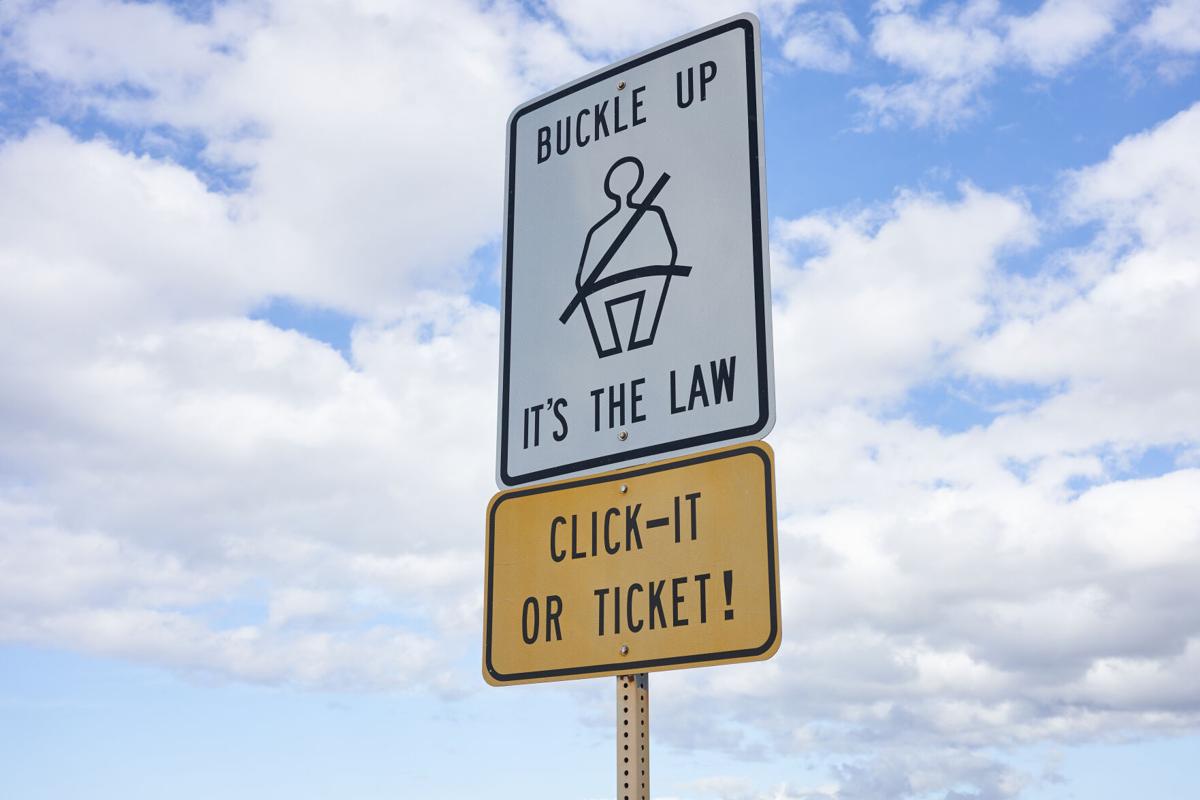
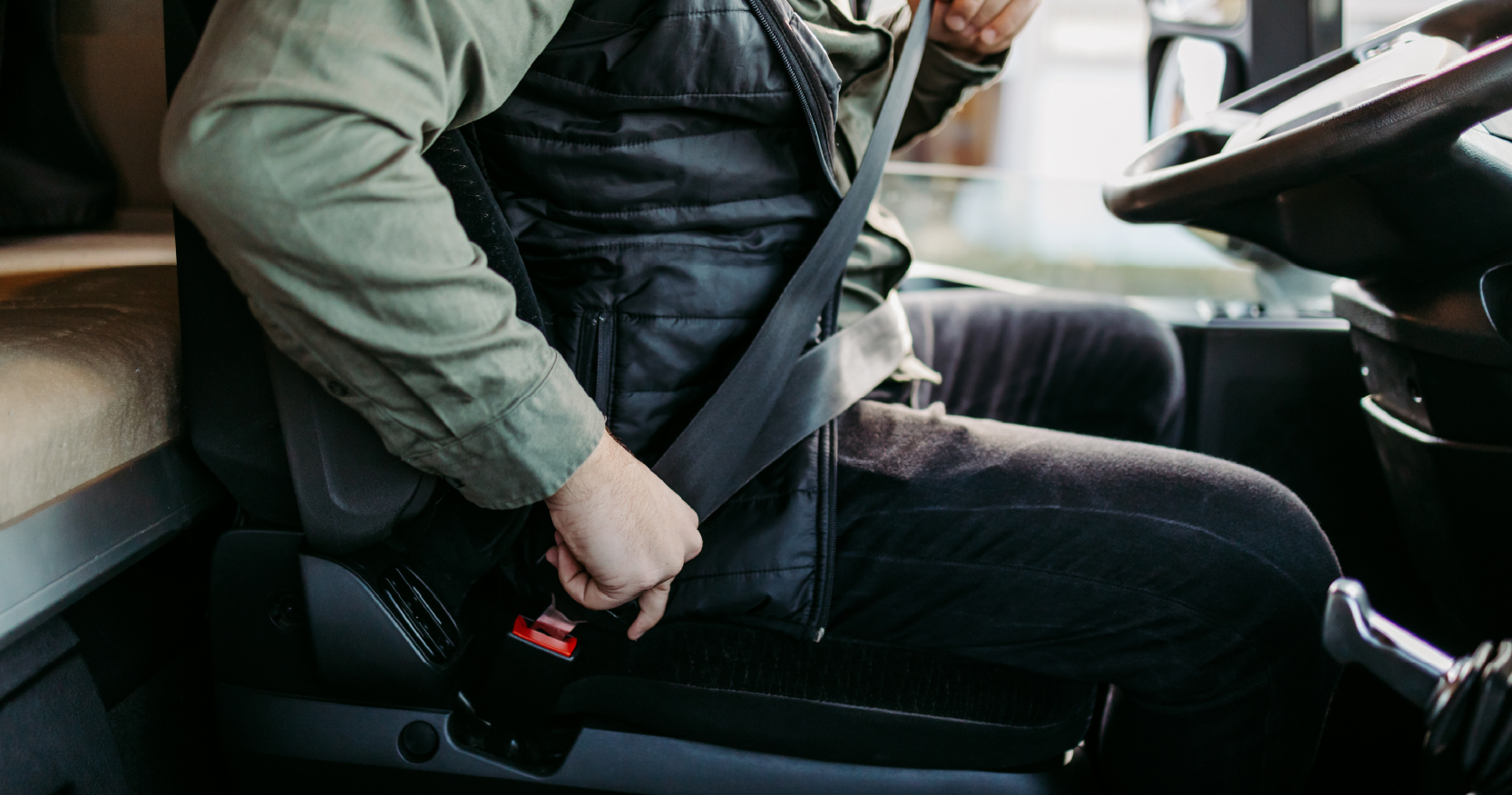
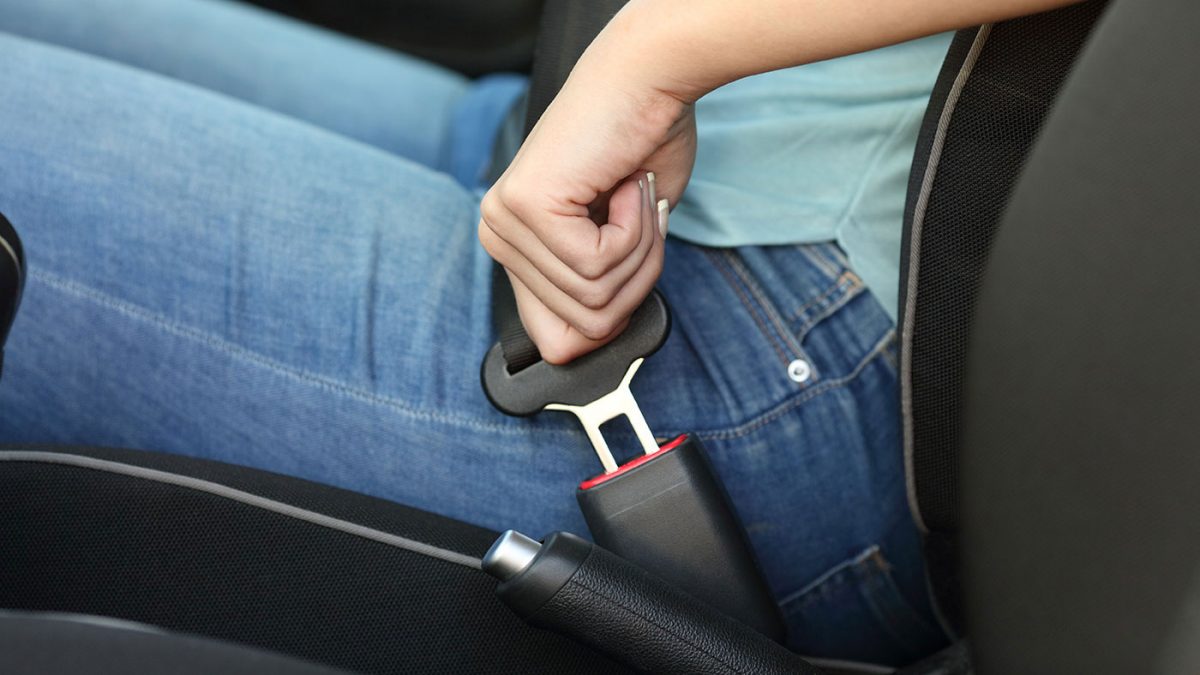
Arizona’s seat belt requirements are governed primarily by Arizona Revised Statutes § 28-909. Under Arizona law, drivers and certain passengers must wear a properly fastened seat belt whenever the vehicle is in motion.
Unlike many states, Arizona remains a secondary enforcement state for adult seat belt violations. This means a law enforcement officer generally cannot stop a vehicle solely because an adult driver or passenger is not wearing a seat belt. However, if an officer lawfully stops a vehicle for another traffic violation—such as speeding, distracted driving, or running a stop sign—they may also issue a seat belt citation.
Who Is Required to Wear a Seat Belt in Arizona?
Arizona law requires the following individuals to wear seat belts:
- Drivers of passenger vehicles.
- All front-seat passengers.
- Passengers younger than 16 years old.
- Occupants riding in qualifying passenger vehicles designed to carry 10 or fewer people.
Although adult passengers sitting in the rear seat are generally not required by Arizona law to wear a seat belt, safety experts strongly recommend that every occupant buckle up regardless of where they are seated.
Arizona’s Secondary Enforcement Law
One of the most misunderstood aspects of Arizona traffic law is that seat belt violations involving adults are subject to secondary enforcement.
This means:
- Police generally cannot pull you over solely for an adult seat belt violation.
- An officer may issue a citation only after making a lawful traffic stop for another offense.
- Child restraint violations are treated differently and are subject to primary enforcement, meaning officers may stop a vehicle solely because a child appears to be improperly restrained.
Understanding these distinctions is important, especially if you are involved in a motor vehicle accident or receive a traffic citation.
Arizona Child Seat and Booster Seat Laws
Arizona has stricter laws protecting young passengers.
Children Under Five Years Old
Children younger than five years old must ride in a federally approved child restraint system that is properly installed according to the manufacturer’s instructions.
Children Ages Five Through Seven
Children between five and seven years old who measure 4 feet 9 inches or shorter must ride in an approved booster seat or child restraint system.
Children Eight Years and Older
Most children who are at least eight years old may transition to a standard seat belt once it fits correctly across the shoulder and lap.
Properly restraining children dramatically reduces the risk of serious injuries during a collision and helps ensure compliance with Arizona law.
Penalties for Not Wearing a Seat Belt
Arizona imposes relatively modest penalties for adult seat belt violations.
Adult Seat Belt Violations
- Maximum civil penalty of $10
- Secondary enforcement
- Civil—not criminal—violation
Child Restraint Violations
Drivers who fail to properly secure a child may face:
- Civil penalties under Arizona law.
- Additional court assessments and surcharges depending on the circumstances.
- Requirements to obtain and properly install an approved child restraint system.
More importantly, improperly restrained children face a significantly greater risk of severe injury or death in a crash.
Are There Exceptions to Arizona’s Seat Belt Law?
Yes. Arizona law recognizes several limited exceptions, including:
- Individuals with qualifying medical or psychological conditions that prevent seat belt use.
- Certain United States Postal Service letter carriers while performing official duties.
- Certain exempt vehicle types identified by Arizona law.
Because these exemptions are narrowly interpreted, most motorists should assume that Arizona’s seat belt requirements apply to them.
Why Wearing a Seat Belt Matters
Seat belts continue to be one of the most effective safety devices ever installed in passenger vehicles.
According to the National Highway Traffic Safety Administration (NHTSA):
- Seat belts reduce the risk of fatal injury for front-seat occupants by approximately 45%.
- They reduce moderate-to-critical injuries by approximately 50%.
- Nearly half of passenger vehicle occupants killed in crashes where restraint use was known were not wearing seat belts.
Even short trips close to home can result in serious collisions. Buckling up every time you drive can significantly reduce your risk of catastrophic injury.
Seat Belts and Airbags Are Designed to Work Together
Many drivers mistakenly believe airbags alone provide adequate protection.
In reality, airbags are designed to complement seat belts—not replace them.
Without a seat belt:
- Occupants can be thrown forward before the airbag fully deploys.
- Airbags may cause additional injuries if occupants are out of position.
- The risk of being ejected from the vehicle increases dramatically.
Using both seat belts and airbags provides the greatest level of protection during an accident.
Can You Recover Compensation if You Weren’t Wearing a Seat Belt?
Yes. Failing to wear a seat belt does not automatically prevent you from filing a personal injury claim in Arizona.
However, insurance companies may argue that some of your injuries could have been prevented or reduced had you been wearing a seat belt.
Arizona follows a pure comparative negligence system, which means compensation may be reduced if your own actions contributed to the severity of your injuries. Even so, the at-fault driver may still be held responsible for causing the collision.
Every accident is unique, which is why consulting with an experienced Arizona personal injury attorney is important before accepting an insurance settlement.
Common Causes of Arizona Car Accidents
Seat belts help protect vehicle occupants regardless of how a crash occurs.
Common causes of serious accidents include:
- Distracted driving
- السرعة الزائدة
- Drunk or impaired driving
- Aggressive driving
- Running red lights
- عدم إعطاء الأفضلية
- Fatigued driving
- Unsafe lane changes
- Rear-end collisions
- Intersection crashes
Safety Tips Every Arizona Driver Should Follow
Protect yourself and your passengers by following these simple safety practices:
- Buckle your seat belt before every trip.
- Make sure every passenger is properly restrained.
- Use age-appropriate child safety seats.
- Replace damaged or recalled child restraint systems.
- Avoid texting while driving.
- Obey posted speed limits.
- Never drive under the influence.
- Maintain a safe following distance.
- Stay focused on the road at all times.
الأسئلة المتكررة
- Do You Have to Wear a Seat Belt in Arizona?
Yes. Arizona law requires drivers and all front-seat passengers to wear a properly fastened seat belt while the vehicle is in motion. Passengers under 16 years old must also be properly restrained. Although most adult rear-seat passengers are not legally required to wear a seat belt, wearing one is strongly recommended for safety.
- Is Arizona a Primary or Secondary Seat Belt Enforcement State?
Arizona is a secondary enforcement state for adult seat belt violations. This means a police officer generally cannot stop a vehicle solely because an adult is not wearing a seat belt. However, if you’re stopped for another traffic violation, the officer may also issue a seat belt citation. Child restraint violations are primary enforcement offenses.
- What Is the Fine for Not Wearing a Seat Belt in Arizona?
The maximum base civil fine for an adult seat belt violation in Arizona is $10, although additional court assessments or fees may apply. Drivers who fail to properly restrain a child may face higher penalties under Arizona’s child restraint laws.
- What Are Arizona’s Child Car Seat and Booster Seat Laws?
Children younger than 5 years old must ride in an approved child restraint system. Children ages 5 through 7 who are 4 feet 9 inches (57 inches) or shorter must use a booster seat or appropriate child restraint. These laws are enforced as primary offenses to help protect young passengers.
- Can You Sue After a Car Accident if You Weren’t Wearing a Seat Belt in Arizona?
Yes. You may still be entitled to compensation even if you were not wearing a seat belt. However, the insurance company may argue that your injuries were made worse by not being restrained. Arizona follows a comparative negligence system, so the facts of your case may affect the amount of compensation you recover.
- Are Rear-Seat Passengers Required to Wear Seat Belts in Arizona?
Generally, adult rear-seat passengers (16 and older) are not required by Arizona law to wear a seat belt. Even so, the National Highway Traffic Safety Administration (NHTSA) and the Arizona Department of Transportation (ADOT) strongly recommend that every occupant buckle up on every trip because seat belts significantly reduce the risk of serious injury or death in a crash.
Why Choose The Law Office of Zayed Al-Sayyed?
After a serious car accident, insurance companies often look for ways to reduce or deny valid claims. One common tactic is arguing that an injured victim’s failure to wear a seat belt contributed to the extent of their injuries. At The Law Office of Zayed Al-Sayyed, we understand Arizona’s comparative negligence laws and know how to effectively counter these arguments.
Attorney Zayed Al-Sayyed has built a reputation for providing aggressive legal representation, personalized attention, and compassionate guidance for injured clients throughout Phoenix and Arizona. Whether you’ve suffered injuries in a rear-end collision, intersection accident, distracted driving crash, or another serious motor vehicle accident, our legal team is committed to protecting your rights and pursuing the maximum compensation available under Arizona law.
Contact The Law Office of Zayed Al-Sayyed Today
If you or someone you love has been injured in a car accident anywhere in Arizona, don’t let insurance companies take advantage of you. The Law Office of Zayed Al-Sayyed is ready to investigate your case, explain your legal options, and fight for the compensation you deserve for your medical expenses, lost wages, pain and suffering, and other damages.
Call The Law Office of Zayed Al-Sayyed today at (602) 952-9937 to schedule your free consultation and learn how our experienced Arizona personal injury team can help you move forward after a serious accident.
 بقلم زايد السيد
How Much Is a Red Light Ticket in Arizona?
Running a red light in Arizona can be more expensive than most drivers realize. While many people focus on the initial fine, the true cost often includes court fees, points on your driving record, traffic school, and increased insurance premiums. If you’ve received a ticket or want to understand Arizona’s red light laws, knowing the full picture can help you avoid bigger problems.
Average Cost of a Red Light Ticket in Arizona
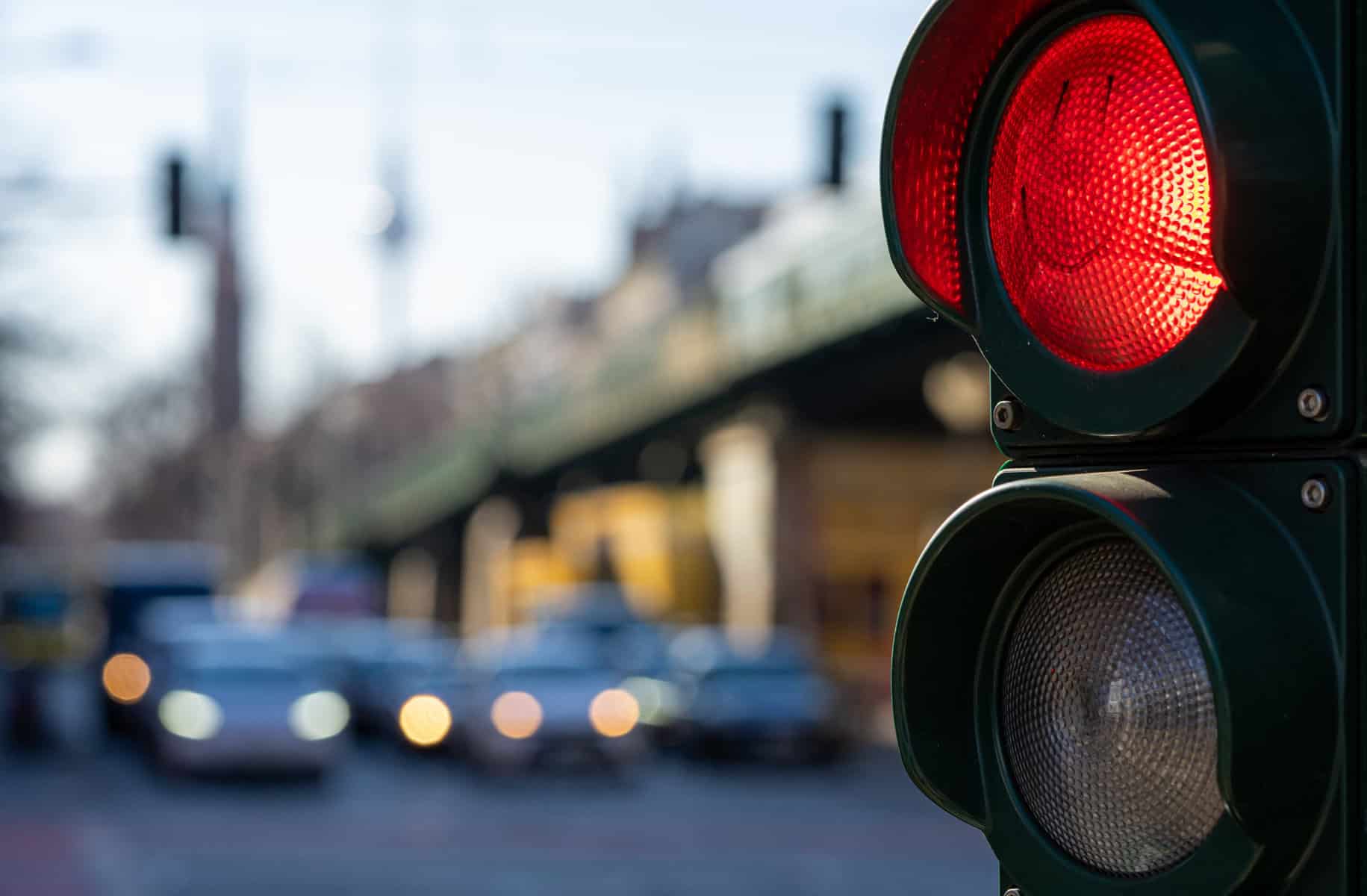
In most Arizona cities, a red light ticket typically costs between $165 and $250, depending on how the citation was issued. If a police officer pulls you over, the fine is usually around $250. If the violation comes from a red light camera, the ticket may be closer to $165 to $250, depending on the city and court fees.
For example, the Tempe photo enforcement program currently issues red light camera citations for approximately $250.
What Else Comes With a Red Light Ticket?
The ticket itself is only part of the cost. In Arizona, a red light conviction usually includes:
- 2 points added to your driving record
- Mandatory Traffic Survival School
- Potential increase in your auto insurance rates
- Possible late fees or collection costs if unpaid
- License suspension if you fail to comply with court requirements
Traffic Survival School is an 8-hour course required for many red light violations. If you fail to complete it, the Arizona MVD can suspend your driving privileges.
Are Red Light Camera Tickets Different?
Arizona uses photo enforcement in several cities, including Phoenix, Mesa, Scottsdale, Tempe, and Chandler. These cameras automatically capture drivers who enter an intersection after the light turns red.
One important thing to know is that Arizona red light camera tickets must be properly served to become enforceable. If you only receive a notice in the mail, there may be additional legal requirements before the court can proceed. However, ignoring a properly served citation can result in a default judgment and added penalties.
Can You Fight a Red Light Ticket in Arizona?
Yes. Many drivers successfully challenge red light tickets for reasons such as:
- Improper service
- Faulty camera equipment
- Traffic light timing issues
- Emergency situations
- Mistaken identity if someone else was driving
In some cases, Arizona drivers may qualify for defensive driving school, which can keep the ticket off their record if completed successfully. This option is often less expensive than paying the full fine and dealing with insurance increases.
What Happens If You Cause an Accident Running a Red Light?
If running a red light causes a crash, the consequences can become much more serious. Arizona is an at-fault state, which means the driver who ran the red light may be responsible for:
- Medical expenses
- الأضرار المادية
- الأجور المفقودة
- الألم والمعاناة
- Future medical care
Serious injury cases can lead to personal injury lawsuits, and fatal accidents can result in wrongful death claims.

How to Avoid a Red Light Ticket
The best way to avoid a costly citation is simple:
- Slow down when approaching intersections
- Never speed through a yellow light
- Come to a full stop before turning right on red
- Stay alert for traffic camera signs
- Avoid distractions while driving
A red light ticket in Arizona may seem like a simple traffic violation, but the costs can add up quickly. Between the fine, points on your license, mandatory traffic school, and higher insurance rates, one mistake can affect you for years. If your red light ticket led to an accident or you are facing serious legal or injury-related consequences, it’s important to understand your rights. Contact The Law Office of Zayed Al-Sayyed today at (602) 952-9937 to discuss your case and learn how we can help protect your future.
Frequently Asked Questions About Arizona Red Light Tickets
- How much is a red light ticket in Arizona?
The cost of a red light ticket in Arizona typically ranges from $165 to $250, depending on the city, whether the citation was issued by a police officer or a red light camera, and any additional court fees. Other costs may include traffic school, insurance increases, and court penalties. - How many points is a red light ticket in Arizona?
A red light conviction generally adds 2 points to your Arizona driving record. Accumulating too many points within a 12-month period can result in mandatory Traffic Survival School or even a driver’s license suspension. - Can you fight a red light camera ticket in Arizona?
Yes. Drivers may be able to challenge a red light camera ticket if it was not properly served, the camera malfunctioned, the traffic signal timing was incorrect, or another legal defense applies. Consulting an attorney can help you understand your options. - Can you turn right on red in Arizona?
Yes. Arizona law generally allows drivers to turn right on a red light after coming to a complete stop, unless a sign specifically prohibits it. Drivers must also yield to pedestrians and oncoming traffic before making the turn. - Can I take defensive driving school for a red light ticket in Arizona?
Many Arizona drivers qualify for Defensive Driving School for eligible red light violations. Successfully completing the course may prevent points from being added to your driving record and can help avoid higher insurance premiums. Eligibility depends on your driving history and the type of citation received.
 بقلم زايد السيد
How Much Is an Uber Accident Settlement in Arizona? What Passengers Need to Know
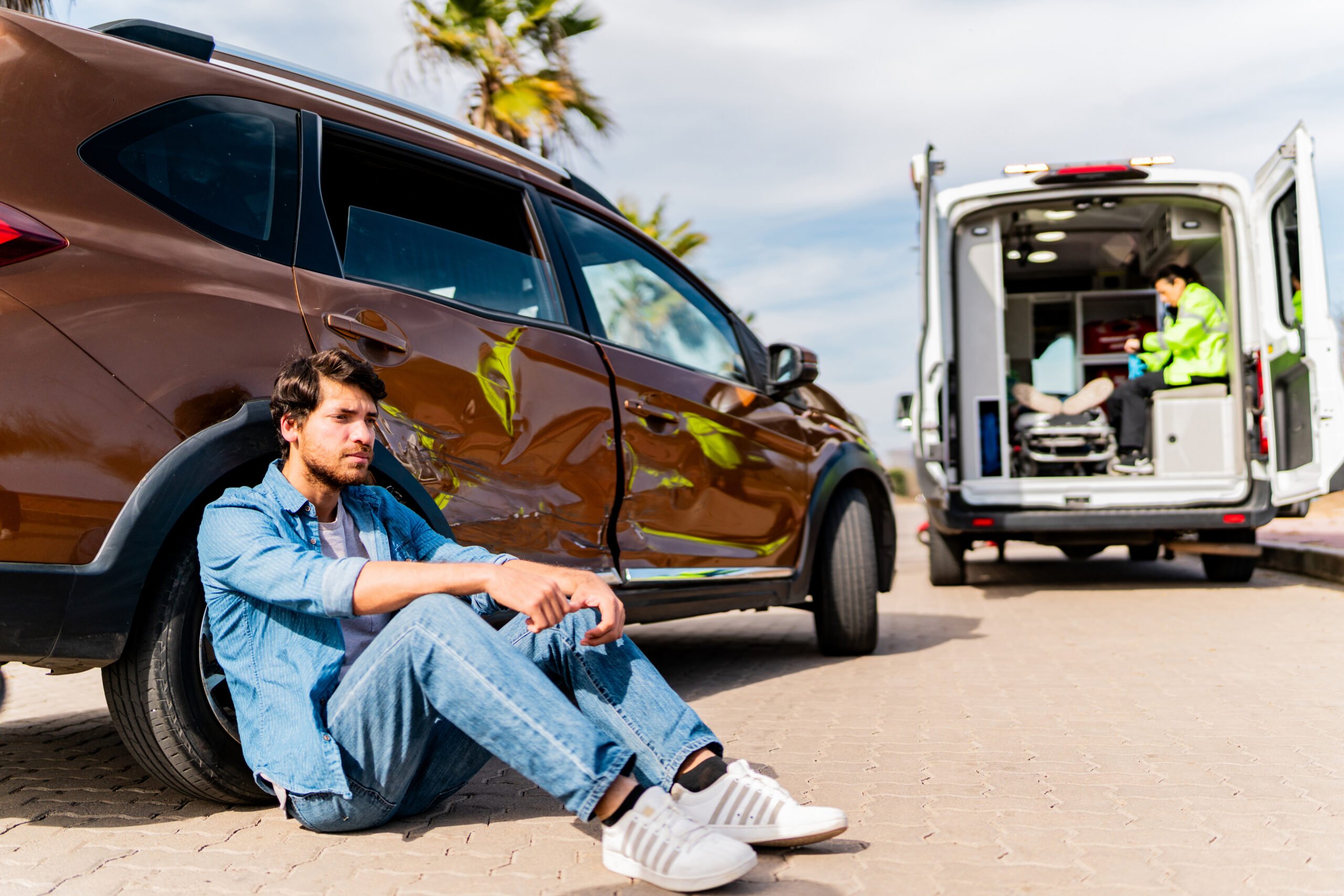
If you were injured as a passenger in an Uber accident, one of the first questions you may have is: How much is an Uber accident settlement in Arizona? The truth is that settlement amounts vary based on the severity of your injuries, who was at fault, and what insurance coverage applies. Unlike a normal car accident, Uber accident claims often involve multiple insurance policies and more complicated legal issues.
In Arizona, Uber accident settlements can range from a few thousand dollars for minor injuries to well over six figures for serious or catastrophic injuries. Understanding what affects the value of your case can help you make informed decisions and avoid accepting less than you deserve.
Average Uber Accident Settlement Amounts
Settlement values depend heavily on the injuries involved. Minor claims may settle for a few thousand dollars, while serious injuries can lead to significantly higher compensation.
General Uber settlement ranges may include:
- Minor injuries: $1,000 to $5,000
- Moderate injuries: Around $15,000 to $30,000
- Serious injuries: $50,000 to $100,000+
- Catastrophic injuries: Often exceed six figures
While every case is different, these numbers can provide a general idea of what Uber passengers may recover after an accident.
What Factors Affect an Uber Settlement?
No two Uber accident cases are the same. Several factors can increase or decrease the value of your claim. The more severe your injuries and the more documentation you have, the stronger your case often becomes.
Some of the biggest factors include:
- Medical bills (emergency care, surgery, therapy)
- Lost wages from missed work
- الألم والمعاناة
- Permanent injuries or disabilities
- Future medical treatment
- الاضطراب العاطفي
- Who was at fault
For example, a passenger with a minor whiplash injury will usually recover less than someone who suffers a spinal injury requiring surgery.
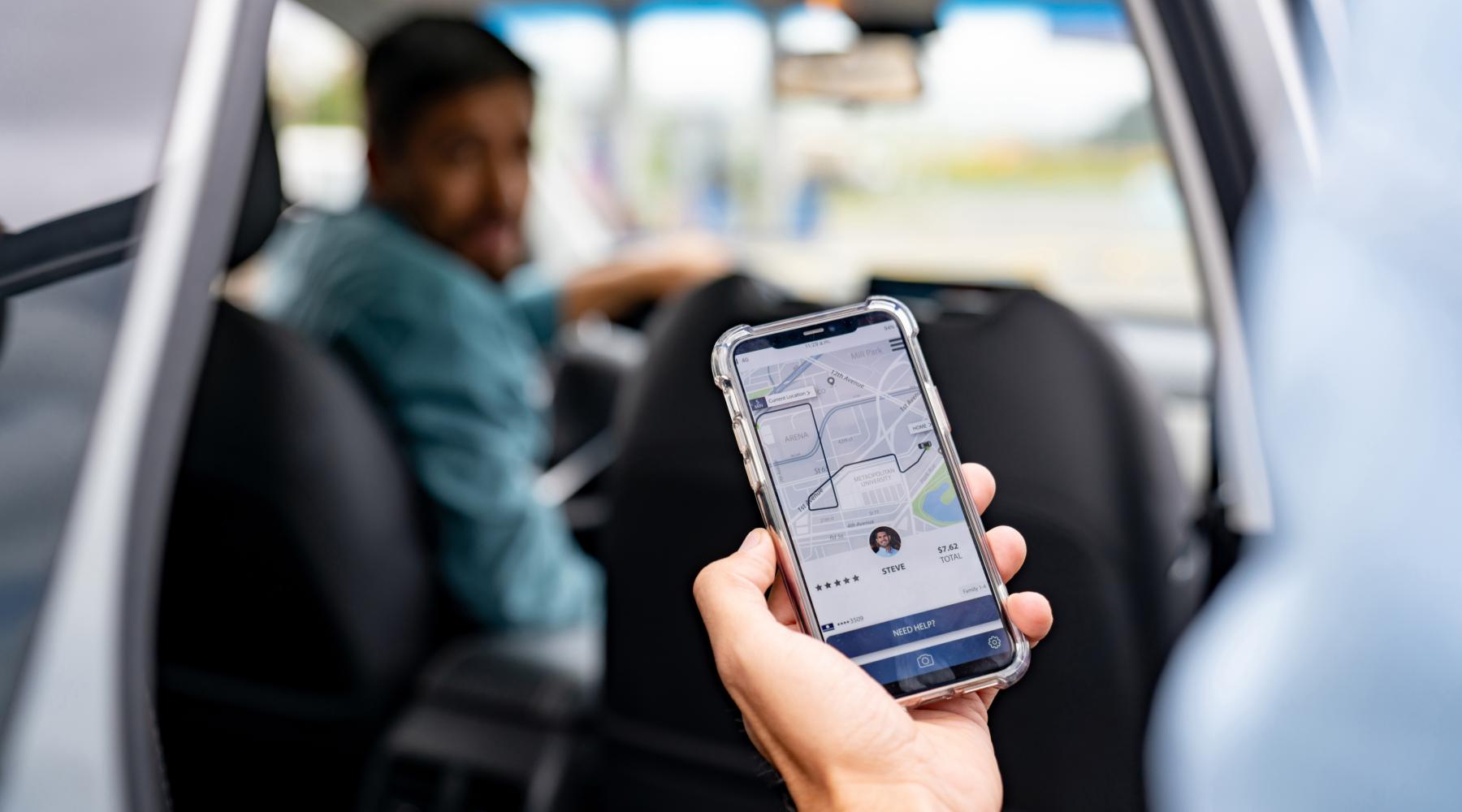
Uber’s Insurance Coverage in Arizona
One major difference between Uber accidents and regular car accidents is the insurance coverage available. Uber provides up to $1 million in liability coverage when a driver is actively transporting a passenger or on the way to pick one up.
This insurance may cover:
- Passenger injuries
- Medical expenses
- Lost income
- الألم والمعاناة
- Wrongful death damages
However, insurance companies do not automatically pay full value. Their goal is often to settle quickly and for as little as possible.
Beware of Quick Settlement Offers
After an Uber accident, it is common for insurance companies to make fast offers—sometimes within days of the crash. These offers may seem tempting, especially if you are dealing with medical bills and time off work.
But early offers are often far below the true value of the claim. Many victims later discover their injuries are worse than they initially thought.
Before accepting any settlement, it is important to understand:
- The full cost of your treatment
- Whether you will need future care
- If you have permanent injuries
- Whether lost wages will continue
Accepting too early can prevent you from pursuing additional compensation later.
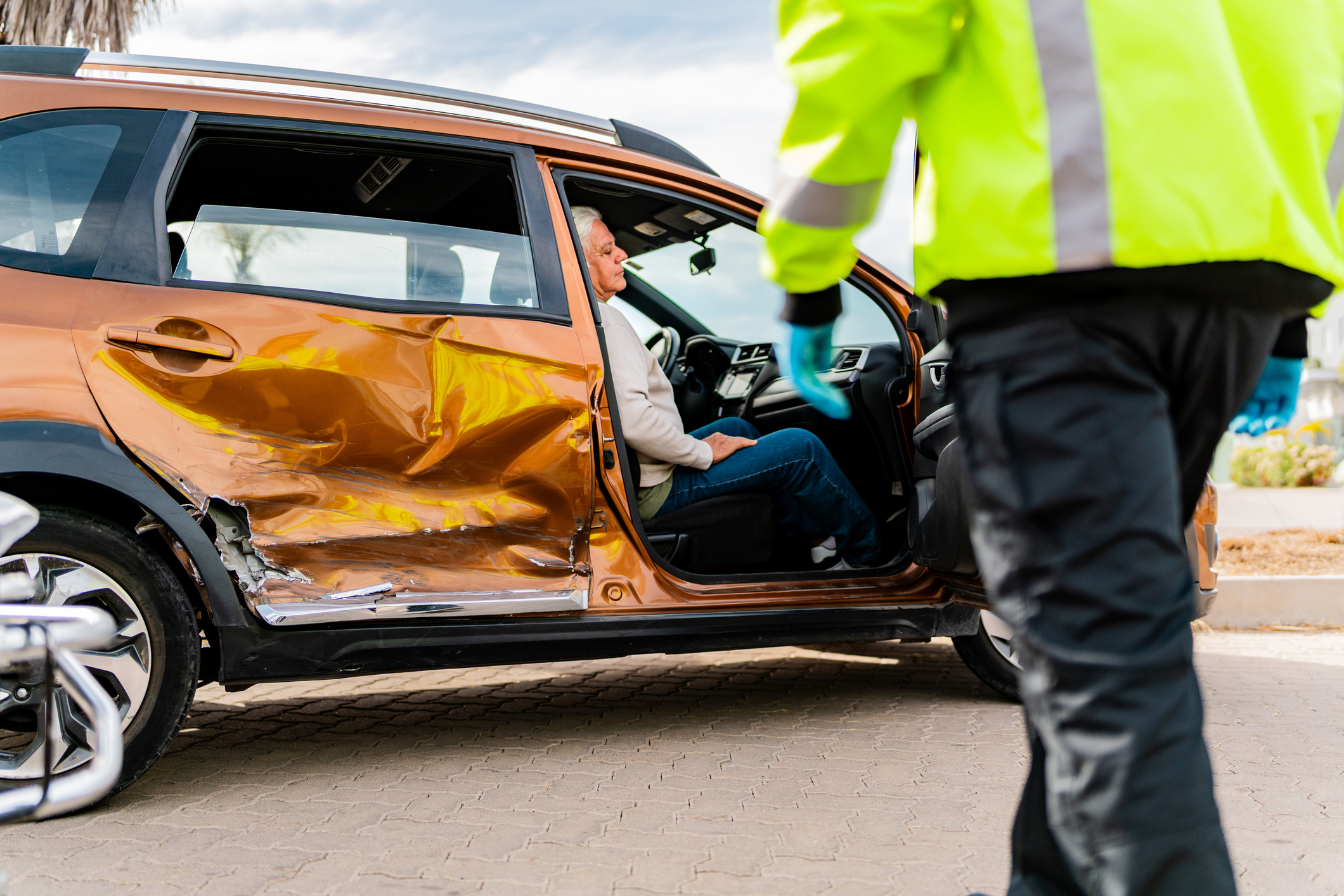
How Long Does an Uber Settlement Take?
The timeline for settling an Uber accident claim in Arizona depends on the complexity of the case. Minor claims may settle within a few months, while serious injury cases can take much longer.
Factors that affect settlement time include:
- How long medical treatment lasts
- Disputes over fault
- Multiple insurance companies involved
- Severity of injuries
- Whether a lawsuit is filed
Patience can often lead to a better result, especially in serious injury cases.
Why Hiring an Uber Accident Lawyer Matters
Uber accident claims can be complicated because multiple parties may be involved, including the Uber driver, another driver, or Uber’s insurance carrier. An experienced attorney can investigate the crash, gather evidence, negotiate with insurers, and fight for maximum compensation.
At The Law Office of Zayed Al-Sayyed, we help Uber accident victims throughout Phoenix and Arizona recover compensation for medical bills, lost wages, and pain and suffering. If you were injured as an Uber passenger, do not settle for less than your case may be worth.
Call (602) 952-9937 today for a free consultation and let our Phoenix Uber accident lawyer help you understand your legal options.
Frequently Asked Questions About Uber Accident Settlements in Arizona
- How Much Is an Uber Accident Settlement Worth in Arizona?
There is no fixed settlement amount for an Uber accident in Arizona. Compensation depends on factors such as the severity of your injuries, medical expenses, lost wages, pain and suffering, and the available insurance coverage. While minor injury claims may settle for a few thousand dollars, serious injury cases can result in settlements exceeding six figures.
- How Much Does Uber Pay After an Accident?
Uber does not automatically pay settlements. Instead, compensation is typically paid through the applicable insurance policy based on who was at fault and whether the Uber driver was actively transporting a passenger or en route to a pickup. In many cases, Uber provides up to $1 million in liability coverage during active trips.
- Can I Sue Uber After an Accident in Arizona?
Depending on the circumstances, you may be able to pursue compensation through Uber’s insurance coverage or file a claim against the at-fault driver. An experienced Arizona Uber accident attorney can determine which parties may be liable and help you pursue the maximum compensation available.
- How Long Does an Uber Accident Settlement Take?
The time required to resolve an Uber accident claim varies based on the complexity of the case. Minor claims may settle within a few months, while more serious cases involving extensive medical treatment or disputed liability can take a year or longer to resolve.
- Should I Accept the First Uber Settlement Offer?
It is generally not advisable to accept the first settlement offer without first consulting an experienced Uber accident attorney. Insurance companies often make early offers that may not fully compensate you for your medical expenses, future treatment, lost income, and pain and suffering. An attorney can evaluate whether the offer fairly reflects the value of your claim.
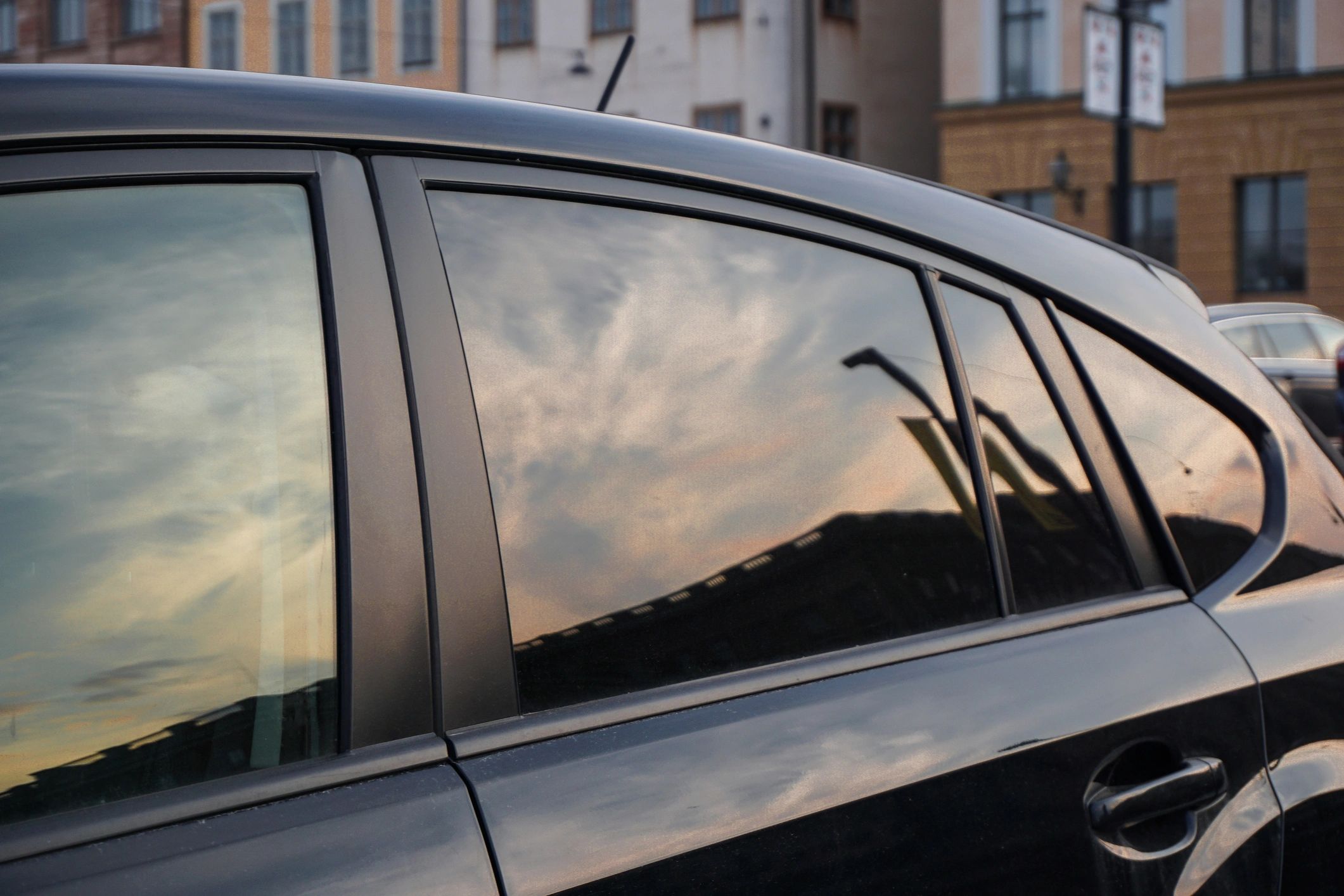 بقلم زايد السيد
Arizona Tint Laws: What Drivers Need to Know in 2026
Window tint is one of the most popular vehicle upgrades in Arizona—and for good reason. With intense heat, constant sun exposure, and high UV levels, tinted windows can help keep your car cooler and protect your interior. But before you go too dark, it’s important to understand Arizona tint laws to avoid fines, tickets, or even legal complications after an accident.
At The Law Office of Zayed Al-Sayyed, we help Arizona drivers understand how traffic laws can impact accident claims and liability. Here’s what you need to know about Arizona’s current tint regulations.
What Are Arizona Tint Laws?
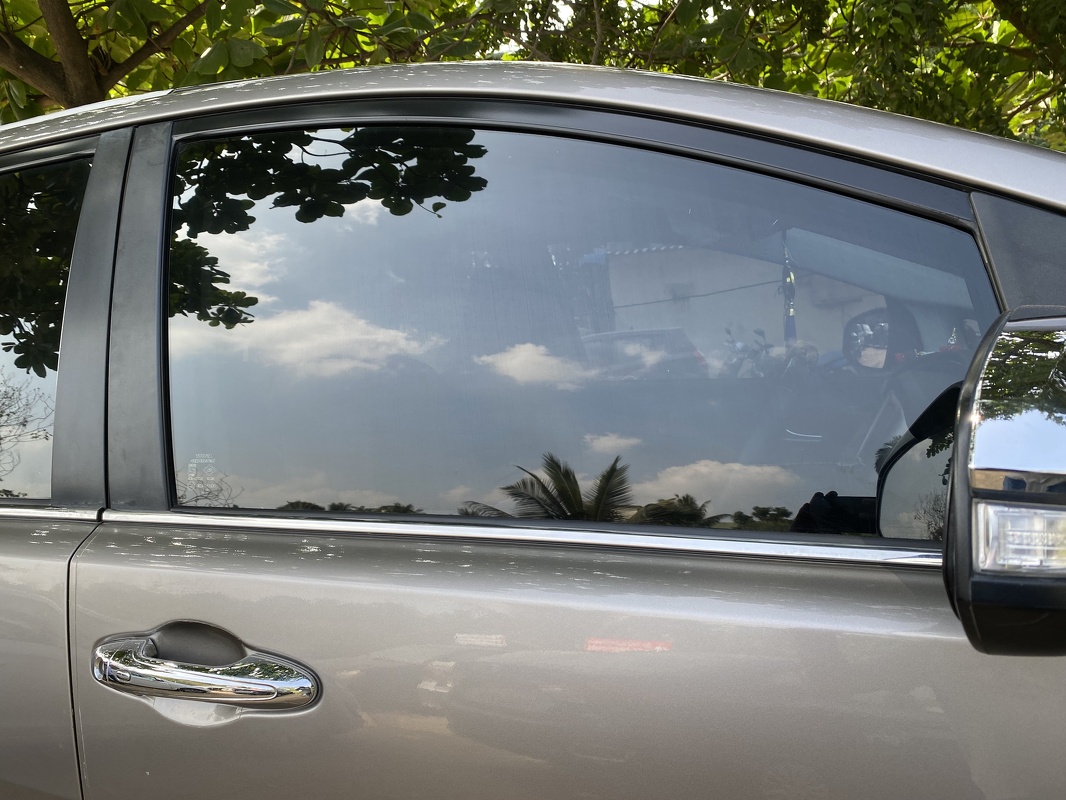
Arizona regulates window tint under Arizona Revised Statute §28-959.01. The law limits how dark and reflective your window tint can be depending on the location of the window. The key measurement used is Visible Light Transmission (VLT), which refers to how much light can pass through the window. The lower the VLT percentage, the darker the tint.
For example, a 35% tint means 35% of visible light can pass through the window, while a 5% tint (commonly called limo tint) is much darker.
Legal Tint Limits in Arizona
Arizona’s tint laws are fairly flexible compared to other states.
Windshield
Drivers can apply non-reflective tint only above the AS-1 line, which is typically the top five to six inches of the windshield. Anything below that line is illegal.
Front Side Windows
Your front driver and passenger windows must allow at least 33% of light through. Because of this, most tint shops recommend installing 35% tint to stay compliant and avoid issues with tint meter readings.
Rear Side Windows
Arizona places no darkness restrictions on rear side windows, meaning you can legally install darker tint.
Rear Window
The rear windshield can also be tinted as dark as you want, but there’s an important rule—your vehicle must have dual side mirrors if the rear window is tinted.
Reflective Tint Rules in Arizona
Arizona also regulates reflectivity. Reflective tint helps reduce glare and heat, but too much reflectivity can create hazards for other drivers.
Arizona law allows:
- Up to 35% reflectivity on front and rear side windows
- No reflective tint on the windshield
This applies to sedans, SUVs, trucks, and vans.
What Tint Colors Are Illegal in Arizona?
Most tint colors are allowed, but Arizona prohibits:
- Red tint
- Amber tint
These colors are restricted because they can interfere with visibility and create confusion with emergency lights and traffic signals.
Can You Get Pulled Over for Illegal Tint in Arizona?
Yes. Law enforcement officers can pull you over if your tint appears darker than the legal limit. Officers often use a tint meter to measure VLT compliance.
Based on driver experiences in Phoenix, many violations result in a fix-it ticket, which means you may be required to remove the illegal tint and provide proof of correction. While some drivers report limited enforcement, others say highway patrol and city police take tint violations seriously.
Can Illegal Tint Affect a Car Accident Case?
This is where many drivers get caught off guard. If you’re involved in a crash, illegal tint could become a factor in the insurance claim or lawsuit. For example, if the other side argues your visibility was reduced because of unlawful tint, it may impact liability or settlement negotiations.
This is especially important in serious collisions where fault is disputed.
Common examples include:
- Failure to see pedestrians at night
- Reduced visibility during lane changes
- Delayed reaction times in low-light conditions
If illegal tint is being used against you after an accident, speaking with an attorney is critical.
Are There Medical Exemptions?
Yes. Arizona allows medical exemptions for people with qualifying health conditions such as:
- Lupus
- Glaucoma
- Photophobia
- Severe skin conditions
- Certain autoimmune disorders
To qualify, you must submit documentation from a licensed physician or specialist.
Tips for Staying Legal in Arizona
If you want the benefits of tint without legal problems:
- Choose 35% tint for front windows
- Use darker tint only on rear windows
- Consider ceramic tint for better heat rejection
- Avoid red or amber films
- Work with a professional installer familiar with Arizona laws
Ceramic tint is especially popular in Phoenix because it provides better heat rejection without needing darker shades.
Contact a Phoenix Car Accident Lawyer Today
If you were injured in a car accident and window tint is being brought up as part of the case, it’s important to protect your rights. At The Law Office of Zayed Al-Sayyed, we help Arizona drivers fight for fair compensation after serious accidents.
Whether your case involves disputed liability, traffic violations, or insurance complications, our team is here to help.
Call The Law Office of Zayed Al-Sayyed today at (602) 952-9937 for a free consultation.
Frequently Asked Questions About Arizona Tint Laws
- What is the legal window tint percentage in Arizona?
Arizona law requires front driver and passenger windows to allow at least 33% of visible light (VLT) to pass through. Rear side windows and the rear windshield may be darker, provided your vehicle has dual side mirrors.
- Can I get pulled over for illegal window tint in Arizona?
Yes. If law enforcement believes your window tint is darker than the legal limit, they can stop your vehicle and use a tint meter to determine whether your tint complies with Arizona law.
- Is 20% or 5% window tint legal in Arizona?
A 20% or 5% tint is not legal on the front side windows because they do not meet the state’s minimum 33% VLT requirement. However, darker tint is generally permitted on the rear side windows and rear windshield when the vehicle has dual side mirrors.
- Can illegal window tint affect my car accident claim?
Yes. If illegal window tint is alleged to have reduced your visibility or contributed to the accident, it could become a factor in determining fault or negotiating an insurance settlement.
- Are there medical exemptions to Arizona’s window tint laws?
Yes. Arizona allows medical exemptions for certain qualifying conditions, such as lupus, glaucoma, photophobia, severe skin disorders, and other light-sensitive medical conditions. A licensed physician must provide the required documentation.
 بقلم زايد السيد
Teen Car Accidents in Arizona: Why Fatal Crashes Are Rising and What Families Should Know
Motor vehicle accidents remain one of the leading causes of death for teenagers in the United States, and recent studies show Arizona is among the most dangerous states for young drivers. Reports have ranked Arizona among the top five states for deadly teen crashes, highlighting the importance of safe driving habits, parental involvement, and understanding your legal rights after a serious collision.
At The Law Office of Zayed Al-Sayyed, we have seen firsthand how devastating teen driver accidents can be for families. Whether your teenager was injured by another negligent driver or your family is coping with the aftermath of a fatal collision, understanding the causes of these crashes can help prevent future tragedies and ensure you know where to turn for legal guidance.
Arizona Ranks Among the Most Dangerous States for Teen Drivers
Recent research has placed Arizona fourth in the nation for deadly teen crashes per capita, a concerning statistic that reflects the unique risks young drivers face on Arizona roads.
Teen drivers represent a relatively small percentage of licensed motorists, yet they are involved in a disproportionately high number of serious collisions. According to state and national transportation data, inexperienced drivers are far more likely to make critical driving mistakes that lead to severe or fatal accidents.
For Arizona families, these statistics serve as an important reminder that learning to drive safely takes time, experience, and consistent supervision.
Helpful Resources
- Arizona Department of Transportation (ADOT): https://azdot.gov
- National Highway Traffic Safety Administration (NHTSA): https://www.nhtsa.gov
Why Teen Drivers Are More Likely to Be Involved in Serious Crashes
Unlike experienced motorists who have encountered countless driving situations, teenagers are still developing the judgment and decision-making skills necessary to react safely.
Some of the biggest contributing factors include:
- Limited driving experience
- Distracted driving from cell phones
- السرعة الزائدة
- Following other vehicles too closely
- Driving with multiple teenage passengers
- Nighttime driving
- Failure to wear seat belts
- Poor hazard recognition
- Overconfidence behind the wheel
Research has also found that a teen driver’s first several months of driving independently are often the most dangerous because they no longer have an experienced adult providing guidance.

The “100 Deadliest Days of Summer”
Traffic safety experts refer to the period between Memorial Day and Labor Day as the 100 Deadliest Days of Summer.
During these months:
- School is out
- More teens are driving
- Vacation traffic increases
- Nighttime activities become more common
- Fatal crashes involving teen drivers rise significantly
Parents should pay particular attention to driving habits during summer break, when teenagers are more likely to spend extended time on the road.
More information is available through the National Safety Council:
https://www.nsc.org
Distracted Driving Continues to Be a Leading Cause
Despite widespread awareness campaigns, distracted driving remains one of the biggest threats facing young motorists.
Studies consistently show that although most teenagers understand texting while driving is dangerous, many still admit to using their phones behind the wheel.
Common distractions include:
- Text messaging
- Social media
- GPS navigation
- Music playlists
- Phone calls
- Taking selfies
- Talking with passengers
Even glancing at a phone for a few seconds can prevent a driver from seeing stopped traffic, pedestrians, bicyclists, or changing road conditions.
Seat Belts Save Lives
One of the simplest ways to reduce injuries in a crash is wearing a seat belt.
Unfortunately, many teens involved in fatal crashes were not properly restrained.
Parents should encourage teenagers to:
- Buckle up every trip
- Require all passengers to wear seat belts
- Never begin driving until everyone is properly restrained
According to the Centers for Disease Control and Prevention (CDC), seat belts significantly reduce the risk of serious injury and death in motor vehicle crashes.
Passenger Distractions Increase Crash Risk
Driving with friends can dramatically increase distractions for inexperienced drivers.
Teen passengers often contribute to:
- Conversations
- Loud music
- Horseplay
- Encouraging risky driving behavior
- Taking videos or photos
Many parents choose to limit passengers during a teen’s first year of independent driving, allowing them to gain confidence before handling additional distractions.
Arizona’s Graduated Driver License Program
Arizona’s Graduated Driver License (GDL) program helps new drivers gradually build experience before receiving unrestricted driving privileges.
Parents should encourage teens to continue following these safety principles even after restrictions expire.
Additional supervised driving beyond the minimum legal requirement can greatly improve a teen driver’s confidence and ability to recognize hazards.
Parents Play a Critical Role
Research consistently shows that parents have one of the greatest influences on teen driving safety.
Some of the most effective ways parents can reduce crash risks include:
- Practicing with teens in different weather conditions
- Driving on highways together
- Teaching defensive driving techniques
- Creating a family driving agreement
- Setting strict rules about cellphone use
- Limiting nighttime driving
- Restricting teen passengers
- Modeling safe driving every day
Children often develop driving habits by watching their parents behind the wheel.
What Should You Do After a Teen Car Accident?
Even a relatively minor collision can become complicated if injuries occur.
If your teenager is involved in an accident:
- Call 911 immediately.
- Seek medical attention for everyone involved.
- Exchange insurance information.
- Take photographs and video of the accident scene.
- Obtain witness contact information.
- Avoid discussing fault at the scene.
- Report the accident to your insurance company.
- Contact an experienced Arizona personal injury attorney if another driver’s negligence caused the crash.
Prompt legal guidance can help preserve valuable evidence and protect your family’s rights.
When Can a Family Recover Compensation?
If another driver’s negligence caused the collision, injured victims may be entitled to compensation for damages including:
- Medical expenses
- Future medical treatment
- الأجور المفقودة
- Reduced earning capacity
- الألم والمعاناة
- الاضطراب العاطفي
- الأضرار المادية
- العجز الدائم
- Wrongful death damages in fatal accidents
Every accident is unique, making it important to have an attorney evaluate the specific facts of your case.
How The Law Office of Zayed Al-Sayyed Can Help
Teen car accidents often involve complex insurance issues, serious injuries, and emotional challenges for families. At The Law Office of Zayed Al-Sayyed, we understand the physical, emotional, and financial impact these crashes can have.
Our experienced Phoenix personal injury attorney investigates accidents thoroughly, gathers evidence, negotiates with insurance companies, and aggressively pursues the compensation our clients deserve. Whether your teenager suffered injuries or your family lost a loved one in a preventable crash, we are committed to protecting your rights every step of the way.
If you or your child has been injured in a motor vehicle accident caused by someone else’s negligence, contact The Law Office of Zayed Al-Sayyed today for a free consultation. Call (602) 952-9937 to discuss your case with an experienced Phoenix personal injury attorney.
الأسئلة المتكررة
Why are teen car accidents more common in Arizona?
Teen drivers are more likely to be involved in crashes because of inexperience, distracted driving, speeding, nighttime driving, and passenger distractions. Arizona’s growing population and busy roadways can further increase crash risks.
What is the most dangerous time of year for teen drivers?
The period between Memorial Day and Labor Day, commonly known as the “100 Deadliest Days of Summer,” has historically seen an increase in fatal crashes involving teenage drivers.
Can parents be liable for a teen driver’s accident?
In certain situations, parents may share legal responsibility depending on vehicle ownership, insurance coverage, and Arizona law. An attorney can evaluate the specific circumstances of your case.
Should I hire a lawyer after my teenager is injured in a car accident?
If another driver’s negligence caused the accident or your child suffered significant injuries, consulting an experienced Phoenix personal injury attorney can help protect your legal rights and maximize potential compensation.
How can parents help prevent teen crashes?
Parents can reduce crash risks by providing additional supervised driving practice, enforcing seat belt use, limiting passengers, restricting cellphone use, avoiding nighttime driving for new drivers, and modeling safe driving behavior every day.
