


 بقلم زايد السيد
Is It Illegal to Eat While Driving in Arizona?
Many Arizona drivers grab breakfast on the way to work, sip coffee during their commute, or stop for fast food while traveling across Phoenix freeways. But this raises an important legal question: Is it illegal to eat while driving in Arizona?
The short answer is no — Arizona does not currently have a specific law that makes eating while driving illegal. However, drivers can still face legal consequences if eating behind the wheel causes distracted or unsafe driving.
Understanding Arizona distracted driving laws may help drivers avoid tickets, accidents, and potential liability after a crash.
Is Eating While Driving Against the Law in Arizona?
No, Arizona law does not specifically prohibit drivers from:
- Eating while driving
- Drinking beverages
- Snacking behind the wheel
Unlike texting while driving, which is prohibited under Arizona’s distracted driving laws, eating while driving is not directly banned statewide.
However, that does not mean drivers are automatically protected from traffic citations if food distracts them from operating their vehicle safely.

Eating While Driving Can Still Be Considered Distracted Driving
Although eating while driving is not specifically illegal, it can still qualify as distracted driving if it affects a driver’s ability to safely control their vehicle.
Distracted driving occurs whenever a driver’s attention is taken away from:
- The roadway
- Steering
- Traffic signals
- Surrounding vehicles
- Safe vehicle operation
Eating while driving may involve:
- Taking one or both hands off the wheel
- Looking away from traffic
- Reaching for food or drinks
- Cleaning spills
- Unwrapping food containers
These distractions can increase the risk of accidents, especially in heavy Phoenix traffic.
Can You Get a Ticket for Eating While Driving in Arizona?
Yes, in certain situations, drivers may still receive citations if eating contributes to unsafe driving behavior.
Police officers may issue tickets for:
- Unsafe driving
- القيادة المتهورة
- Failure to maintain lane control
- السرعة الزائدة
- Following too closely
- Creating a roadway hazard
For example, if a driver spills coffee, swerves into another lane, or rear-ends another vehicle while eating, law enforcement may determine the driver was operating the vehicle negligently.
Arizona Distracted Driving Laws
Arizona has statewide distracted driving laws that primarily target handheld cellphone use while driving.
Drivers are prohibited from:
- إرسال الرسائل النصية أثناء القيادة
- Holding a cellphone while operating a vehicle
- Using handheld electronic devices in most situations
Although eating is not directly included in Arizona’s cellphone ban, distracted driving laws may still apply if a driver’s actions create unsafe conditions on the road.
Can Eating While Driving Cause Liability After an Accident?
Yes. If a driver causes a crash while eating, their actions may potentially be used as evidence of negligence in a personal injury claim.
Examples may include:
- Dropping food while driving
- Looking away from traffic
- Swerving while reaching for food
- Losing control of the vehicle due to distraction
Insurance companies and attorneys may investigate whether distracted driving contributed to the accident.
Evidence could include:
- Witness statements
- Police reports
- Dashcam footage
- Surveillance video
- Driver admissions
Common Dangers of Eating While Driving
Many drivers underestimate how distracting eating can become behind the wheel.
Some common risks include:
- Slower reaction times
- Delayed braking
- Lane drifting
- Reduced situational awareness
- One-handed driving
- Spilled hot drinks causing panic reactions
Messy foods, large meals, and hot beverages can significantly increase distractions.
Most Dangerous Foods to Eat While Driving
Some foods create more distraction than others.
Examples include:
- Tacos
- Burgers with wrappers
- Soup
- Hot coffee
- Ice cream
- Pizza
- Foods requiring utensils
- Foods with sauces or toppings
Drivers attempting to multitask while handling messy meals may take their eyes off the road for dangerous periods of time.
Tips for Safer Driving While Eating
Although the safest option is to avoid eating while driving altogether, several habits may help reduce distractions.
Pull Over When Possible
The safest option is to eat before driving or pull into a parking lot or rest area.
Choose Simple Foods
If eating is unavoidable:
- Stick to finger foods
- Avoid foods requiring utensils
- Minimize wrappers and containers
Avoid Hot Foods and Drinks
Hot coffee or food spills may cause sudden reactions that increase crash risk.
Keep Both Hands Available
Drivers should maintain proper control of the steering wheel whenever possible.

Distracted Driving Accidents in Phoenix
Phoenix is one of the busiest metro areas in Arizona, with heavy freeway traffic on:
- I-10
- Loop 101
- Loop 202
- I-17
- US-60
Distracted driving accidents remain a major safety concern throughout the Valley.
Even a brief distraction can result in:
- Rear-end collisions
- Lane-change accidents
- Multi-vehicle crashes
- حوادث المشاة
What Should You Do After a Distracted Driving Accident?
If you are involved in an accident caused by distracted driving:
- Call 911
- Seek medical attention
- Document the accident scene with photos and video
- Obtain witness information
- Request a police report
- Avoid admitting fault
- Speak with an attorney if injuries are involved
Prompt documentation may help preserve important evidence related to distracted driving behavior.
So, is it illegal to eat while driving in Arizona? No — Arizona does not currently have a law specifically banning eating while driving.
However, eating behind the wheel can still lead to distracted driving citations, reckless driving charges, or civil liability if it contributes to an accident.
Drivers throughout Phoenix and Arizona should remember that even small distractions can create dangerous situations on busy roadways. Staying focused behind the wheel remains one of the most important ways to reduce the risk of accidents and injuries.
Contact Phoenix Personal Injury Attorney Zayed Al-Sayyed Today
If you were injured in an accident caused by a distracted driver, you may have the right to pursue compensation for your medical expenses, lost income, pain and suffering, and other damages. Even though eating while driving is not specifically illegal in Arizona, drivers can still be held responsible when distractions lead to serious accidents.
Zayed Al-Sayyed has helped injury victims throughout Phoenix and Arizona hold negligent drivers accountable. Our legal team will investigate the circumstances of your accident, gather critical evidence, and fight to maximize the compensation you deserve.
Call The Law Office of Zayed Al-Sayyed at (602) 952-9937 for a FREE consultation. There are no upfront fees, and you owe nothing unless we successfully recover compensation on your behalf. Let us protect your rights while you focus on healing and moving forward.
FAQs About Eating While Driving in Arizona
Is It Illegal to Eat While Driving in Arizona?
No. Arizona law does not specifically prohibit eating while driving. However, if eating distracts you and causes unsafe driving, you could still be cited for a traffic violation.
Can You Get a Ticket for Eating While Driving?
Yes. While eating itself is legal, a police officer may issue a ticket if eating causes you to drive recklessly, fail to maintain your lane, or otherwise operate your vehicle unsafely.
Is Eating While Driving Considered Distracted Driving?
Yes. Eating while driving is a form of distracted driving because it can take your eyes, hands, and attention away from the road, increasing the risk of an accident.
Can Eating While Driving Cause You to Be Liable for an Accident?
Potentially. If eating contributed to the crash, it may be used as evidence that you were distracted and negligent, which could affect fault and compensation in an accident claim.
What Should You Do If a Distracted Driver Causes an Accident?
If a distracted driver causes a crash, call 911, seek medical attention, document the accident scene, gather witness information, and consult a personal injury attorney to discuss your legal options.
 بقلم زايد السيد
Arizona Motorcycle Accident Statistics 2026
Motorcycle riding is a popular way to enjoy Arizona’s scenic highways and year-round sunshine. However, riders face unique dangers that make them significantly more vulnerable than occupants of passenger vehicles. From congested Phoenix freeways to winding mountain roads, motorcycle crashes continue to result in serious injuries and fatalities across the state.
Understanding the latest Arizona motorcycle accident statistics can help riders recognize common crash risks and make safer decisions on the road. If you or a loved one has been injured due to another driver’s negligence, knowing your legal rights is just as important as understanding the facts.
At The Law Office of Zayed Al-Sayyed, we represent injured motorcyclists throughout Phoenix and Arizona, helping victims recover compensation for medical expenses, lost wages, pain and suffering, and other damages.
Arizona Motorcycle Crash Statistics at a Glance
According to the Arizona Department of Transportation (ADOT) 2023 Motor Vehicle Crash Facts Report, motorcycle crashes continue to increase across Arizona.
Arizona Motorcycle Crash Statistics
- 3,165 motorcycle crashes occurred statewide.
- 258 motorcyclists lost their lives, the highest annual total recorded at the time.
- 2,571 riders suffered injuries.
- Arizona averaged nearly nine motorcycle crashes every day.
- Approximately one motorcyclist died every 1.4 days due to a traffic crash.
- Motorcycle crashes accounted for just 2.6% of all traffic crashes, yet represented more than 21% of all traffic fatalities.
These numbers demonstrate the severe consequences motorcycle riders face when involved in collisions.
Motorcycle Crashes Continue to Rise
Arizona has experienced a steady increase in motorcycle crashes over the past several years.
| Year | Motorcycle Crashes |
| 2020 | 2,317 |
| 2021 | 2,594 |
| 2022 | 2,911 |
| 2023 | 3,165 |
Between 2020 and 2023:
- Motorcycle crashes increased by 36.6%.
- Fatal crashes reached record levels.
- Rider injuries continued to climb alongside increased motorcycle travel.
Although the most recent ADOT report shows motorcycle fatalities declined in 2024, motorcycle crashes remain one of Arizona’s most dangerous traffic safety concerns.

Why Motorcycle Riders Face Greater Risk
Unlike occupants of passenger vehicles, motorcyclists have little protection during a collision.
According to the National Highway Traffic Safety Administration (NHTSA):
- Motorcyclists are approximately 24 times more likely to die in a crash per mile traveled than passenger vehicle occupants.
- Riders are significantly more likely to suffer traumatic brain injuries, spinal cord injuries, broken bones, and permanent disabilities.
Even relatively low-speed crashes can produce life-changing injuries.
Where Do Most Motorcycle Crashes Occur?
The majority of Arizona motorcycle crashes happen in the state’s largest population centers.
Maricopa County
Maricopa County accounted for:
- 2,019 motorcycle crashes
- 156 fatalities
- 1,600 injuries
This represents nearly 64% of all motorcycle crashes statewide.
Pima County
Pima County reported:
- 294 crashes
- 37 fatalities
- 243 injuries
Together, Maricopa and Pima Counties accounted for roughly three-quarters of Arizona’s motorcycle fatalities.
Urban vs. Rural Motorcycle Crashes
Motorcycle crashes occur far more frequently in urban areas, but rural crashes are often deadlier.
Urban Areas
- 2,490 crashes
- 181 fatalities
- 1,883 injuries
Rural Areas
- 675 crashes
- 77 fatalities
Higher travel speeds, longer emergency response times, and two-lane highways often contribute to more severe rural crashes.
Most Common Types of Motorcycle Accidents
ADOT data shows the majority of motorcycle crashes involve another vehicle.
Collision with Another Vehicle
- 1,980 crashes
- Over 1,400 injuries
- 154 fatalities
Many of these involve drivers who fail to notice motorcycles before turning or changing lanes.
Motorcycle Overturns
Loss-of-control crashes accounted for approximately 15% of motorcycle accidents.
Common causes include:
- السرعة الزائدة
- Gravel
- Wet pavement
- Sharp curves
- Sudden braking
Fixed Object Collisions
Approximately 10% of motorcycle crashes involve:
- Guardrails
- Utility poles
- Trees
- Curbs
- Concrete barriers
These crashes often result in catastrophic injuries.
Leading Causes of Motorcycle Accidents in Arizona
Several factors contribute to motorcycle crashes each year.
Failure to Yield
Many crashes occur when passenger vehicle drivers:
- Turn left in front of motorcycles
- Pull into traffic without seeing a rider
- Fail to yield at intersections
السرعة الزائدة
Speed contributes to:
- Approximately 22% of motorcycle crashes
- More than 28% of motorcycle fatalities
Higher speeds reduce reaction time and increase crash severity.
القيادة دون انتباه
Drivers using phones or in-vehicle technology are less likely to notice motorcycles because of their smaller profile.
Unsafe Lane Changes
Motorcycles are frequently overlooked in vehicle blind spots.
القيادة تحت تأثير الكحول
Alcohol and drug impairment remain major contributors to fatal motorcycle crashes involving both riders and passenger vehicle drivers.
Arizona’s Lane Filtering Law
Arizona permits limited lane filtering under specific circumstances.
Motorcyclists may legally filter between stopped vehicles when:
- Traffic is completely stopped.
- The posted speed limit is 45 mph or lower.
- The rider travels 15 mph or less.
- The maneuver can be completed safely.
Improper lane filtering or unsafe driving by surrounding motorists may become important factors during an accident investigation.
Who Is Most at Risk?
ADOT data shows the highest crash involvement among:
- Riders ages 25–34
- Riders ages 35–44
Additionally:
- Men account for the overwhelming majority of motorcycle fatalities.
- Older riders experience fewer crashes but often sustain more severe injuries due to increased physical vulnerability.
Arizona Roadways with Frequent Motorcycle Crashes
Motorcyclists should use additional caution on heavily traveled highways such as:
- Interstate 10
- Interstate 17
- Loop 101
- US-60
- US-93
- SR-89A
High traffic volumes, merging vehicles, high speeds, and changing road conditions increase crash risks.
Motorcycle Safety Tips
Every rider can reduce crash risks by following safe riding practices.
Wear Proper Protective Gear
Always wear:
- DOT-approved helmet
- Eye protection
- Protective jacket
- Gloves
- Riding boots
- Durable riding pants
Ride Defensively
Assume other drivers do not see you.
Maintain safe following distances and stay out of vehicle blind spots whenever possible.
Complete Rider Training
Organizations such as the Arizona Motorcycle Safety & Awareness Foundation encourage continuing rider education throughout your riding career.
Obey Speed Limits
Speed remains one of the leading contributors to serious motorcycle crashes.
What Should You Do After a Motorcycle Accident?
If you’ve been involved in a motorcycle accident:
- Call 911.
- Seek immediate medical treatment.
- Report the crash to law enforcement.
- Photograph and video the accident scene.
- Collect witness information.
- Avoid discussing fault.
- Contact an experienced Phoenix motorcycle accident attorney.
Insurance companies often attempt to blame injured riders unfairly. An attorney can help protect your rights while preserving critical evidence.
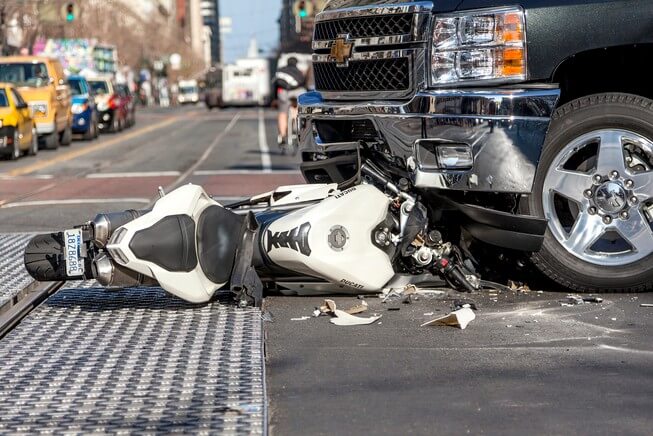
How a Phoenix Motorcycle Accident Lawyer Can Help
Motorcycle accident cases frequently involve:
- Serious injuries
- Large medical expenses
- Long-term rehabilitation
- Lost income
- Insurance disputes
The Law Office of Zayed Al-Sayyed investigates motorcycle crashes, gathers evidence, works with accident reconstruction experts when necessary, and aggressively negotiates with insurance companies to pursue maximum compensation for injured riders.
Whether your accident involved a distracted driver, unsafe lane change, failure to yield, or another negligent act, our legal team is ready to help.
Contact The Law Office of Zayed Al-Sayyed Today
Motorcycle accidents often result in devastating injuries that affect every aspect of a victim’s life. If you or a loved one has been injured in a motorcycle crash anywhere in Phoenix or throughout Arizona, don’t face the insurance companies alone.
The Law Office of Zayed Al-Sayyed is committed to protecting the rights of injured motorcyclists and pursuing the compensation they deserve.
Call (602) 952-9937 today or contact us online to schedule your free consultation.
الأسئلة المتكررة
How many motorcycle accidents happen in Arizona each year?
According to ADOT, Arizona recorded 3,165 motorcycle crashes in 2023, resulting in 258 fatalities and 2,571 injuries.
What is the leading cause of motorcycle accidents in Arizona?
Many motorcycle crashes occur because drivers fail to yield, make unsafe left turns, change lanes without checking blind spots, speed, or drive while distracted.
Are helmets required in Arizona?
Arizona law requires helmets only for riders and passengers under 18 years old. However, safety experts strongly recommend that riders of all ages wear DOT-approved helmets.
Which county has the most motorcycle accidents?
Maricopa County consistently reports the highest number of motorcycle crashes, accounting for nearly two-thirds of all motorcycle accidents in Arizona.
Is Arizona a comparative negligence state?
Yes. Arizona follows a pure comparative negligence rule, meaning an injured motorcyclist may still recover compensation even if they are partially at fault for the crash. Any recovery is reduced by the rider’s percentage of fault.
 بقلم زايد السيد
What Are the 7 Steps of Accident Investigation?
Accidents happen every day throughout Phoenix, whether on busy roadways like I-10 and Loop 101 or at construction sites, warehouses, and workplaces across the Valley. When a serious accident occurs, understanding exactly what happened is critical for determining liability, improving safety, and protecting the rights of those involved.
Whether you’re dealing with a car accident, truck collision, workplace injury, or premises liability claim, knowing the 7 steps of accident investigation can help uncover the facts and identify what caused the incident. A thorough investigation can also play a key role in insurance claims and personal injury cases.
At The Law Office of Zayed Al-Sayyed, we understand how important accident investigations are when pursuing compensation for injured victims throughout Phoenix and Arizona.
Why Accident Investigations Matter
An accident investigation is designed to determine not only what happened, but why it happened. The goal is to identify contributing factors, preserve evidence, and prevent similar incidents from occurring in the future.
A proper investigation can:
- Determine the cause of an accident
- Identify negligent parties
- Preserve critical evidence
- Support insurance claims
- Strengthen personal injury cases
- Improve workplace and public safety
- Prevent future accidents
Without a thorough investigation, important evidence may be lost, making it more difficult to establish liability and recover compensation.

The 7 Steps of Accident Investigation
While every accident is unique, most investigations follow a structured process designed to gather facts and identify root causes.
Step 1: Secure the Scene and Ensure Safety
The first priority after any accident is protecting the safety of everyone involved.
This may include:
- Calling 911
- Providing emergency medical care
- Securing hazardous areas
- Preventing additional injuries
- Preserving the accident scene
In Phoenix accident cases, securing the scene quickly can also help preserve valuable evidence before it disappears.
Step 2: Notify Appropriate Authorities
Once immediate safety concerns have been addressed, the appropriate authorities should be notified.
Depending on the situation, this may include:
- Local law enforcement
- Emergency responders
- Employers or supervisors
- Property owners
- Insurance providers
Official reports created during this stage often become important pieces of evidence later.
Step 3: Collect Evidence
Evidence collection is one of the most critical parts of an accident investigation.
Investigators typically gather:
- Photographs of the scene
- Videos
- Vehicle damage documentation
- Physical evidence
- Safety records
- Maintenance records
- Medical reports
- Weather and road condition information
The sooner evidence is collected, the more reliable it is likely to be.
Step 4: Interview Witnesses
Witness statements can provide valuable insight into how an accident occurred.
Investigators often interview:
- Accident victims
- Drivers
- Employees
- Bystanders
- First responders
Obtaining witness statements quickly is important because memories can fade over time.
Step 5: Analyze the Facts and Determine Root Causes
Once evidence has been gathered, investigators review the information to determine what caused the accident.
This process often involves examining:
- Human error
- Equipment failures
- Unsafe conditions
- Poor maintenance
- Inadequate training
- Violations of safety procedures
Rather than focusing solely on what happened, investigators seek to identify why it happened.
Step 6: Develop Corrective Actions
After identifying the root cause, investigators develop recommendations to reduce the likelihood of similar incidents occurring in the future.
Examples may include:
- Additional employee training
- Equipment repairs
- Updated safety procedures
- Improved maintenance schedules
- Policy changes
Corrective actions help address the underlying issues that contributed to the accident.
Step 7: Prepare a Report and Follow Up
The final step is documenting the investigation findings and implementing recommended changes.
A comprehensive accident investigation report typically includes:
- A summary of the incident
- Evidence collected
- Witness statements
- Root cause findings
- Recommended corrective actions
Follow-up is essential to ensure improvements are actually implemented and effective.
Why Identifying the Root Cause Is So Important
One of the biggest mistakes in accident investigations is focusing only on the immediate cause of the incident.
For example, if a truck driver runs a red light, the investigation should look deeper to determine whether:
- The driver was fatigued
- Hours-of-service regulations were violated
- The trucking company encouraged unsafe driving practices
- Mechanical issues contributed to the crash
Root cause analysis helps identify underlying issues that may otherwise go unnoticed.
How Accident Investigations Help Personal Injury Cases
For injury victims, accident investigations often provide crucial evidence needed to establish liability and recover compensation.
A thorough investigation can help prove:
- الإهمال
- Unsafe conditions
- Regulatory violations
- Driver error
- Employer liability
- Property owner responsibility
The stronger the evidence, the stronger the injury claim.
Contact a Phoenix Personal Injury Attorney Today
If you were injured in a car accident, truck accident, motorcycle accident, workplace accident, or another serious incident in Phoenix, a proper investigation can make all the difference in your case.
مكتب المحاماة زايد السيد
At The Law Office of Zayed Al-Sayyed, we work with accident reconstruction experts, investigators, and industry professionals to uncover the facts and build strong cases for our clients. We proudly represent injury victims throughout Phoenix and the surrounding communities.
Call (602) 952-9937 today for a FREE consultation.
Our experienced Phoenix personal injury team is ready to protect your rights and fight for the compensation you deserve.
No fees unless we win your case.
 بقلم زايد السيد
How Long After a Dog Bite Can You Make a Claim in Arizona?
 Dog bites can cause serious injuries, emotional trauma, and unexpected medical expenses. If you or a loved one has been bitten by a dog in Arizona, one of the most important questions you may have is: How long do you have to file a claim? Understanding the legal deadline for filing a dog bite claim is critical because waiting too long could prevent you from recovering compensation.
In Arizona, the law gives victims a limited amount of time to take legal action after a dog attack.
Arizona Statute of Limitations for Dog Bite Claims
In Arizona, the statute of limitations for most personal injury claims, including dog bite cases, is two years from the date of the injury. This means that victims generally have two years from the day the dog bite occurred to file a lawsuit against the dog owner or responsible party.
If you fail to file your claim within this two-year period, the court will typically dismiss your case, and you may lose the right to seek compensation for your injuries. Because of this strict deadline, it is important to speak with a dog bite lawyer as soon as possible after the incident.
Why Arizona Dog Bite Laws Are Important
 Arizona has some of the strictest dog bite liability laws in the country. Under Arizona law, a dog owner is usually responsible if their dog bites someone who is lawfully in a public or private place, regardless of whether the dog has bitten someone before.
This means victims do not necessarily have to prove that the dog owner knew the dog was dangerous. If the dog bite occurred and caused injury, the owner may be legally responsible for the damages.
Why You Should Not Wait to File a Dog Bite Claim
Although Arizona allows up to two years to file a dog bite claim, waiting too long can hurt your case. Evidence can disappear, witnesses may forget details, and medical documentation can become harder to gather.
Taking action quickly can help strengthen your claim and improve your chances of recovering compensation for:
- Medical expenses
- Emergency treatment and hospital bills
- الأجور المفقودة
- الألم والمعاناة
- Permanent scarring or disability
The sooner you begin the legal process, the easier it is to preserve evidence and build a strong case.
Exceptions That May Affect the Filing Deadline
While the two-year statute of limitations applies in most dog bite cases, there may be limited exceptions that affect the filing deadline. Some situations that could impact the timeline include:
Cases Involving Minors
If the victim is under the age of 18, the statute of limitations may be paused until the child reaches adulthood.
Unknown Dog Owner
If the dog owner cannot initially be identified, the timeline may be affected depending on the circumstances of the case.
Because every situation is different, speaking with an attorney can help determine exactly how much time you have to file your claim.
What to Do After a Dog Bite in Arizona
If you have been bitten by a dog, taking the right steps immediately after the attack can help protect your health and your legal rights.
Important steps include:
- Seek medical treatment right away.
- Report the dog bite to local animal control or authorities.
- Take photos of your injuries and the location of the incident.
- Collect contact information from witnesses.
- Speak with a dog bite attorney about your legal options.
These actions can help document the incident and support your claim.
Speak With an Arizona Dog Bite Lawyer
 Dog bite injuries can be painful and life-changing, leaving victims with medical bills, emotional trauma, and lasting scars. Understanding your legal rights and the timeline for filing a claim is an important first step toward recovering compensation.
If you or a loved one was injured in a dog attack, speaking with a dog bite lawyer can help you understand your options and ensure your claim is filed before the legal deadline.
Victims in Phoenix, Gilbert, Scottsdale, Chandler, Mesa, Glendale, Peoria, Tempe, and across Arizona have the right to pursue compensation for injuries caused by a negligent dog owner. Taking action early can help protect your case and improve your chances of a successful outcome.
Injured by a dog bite in Arizona? Contact Zayed Al-Sayyed today for a free consultation. Call (602) 952-9937 to discuss your case and learn how we can help you pursue the compensation you deserve.
Frequently Asked Questions About Arizona Dog Bite Claims
How long do I have to file a dog bite claim in Arizona?
In most cases, Arizona law gives dog bite victims two years from the date of the attack to file a personal injury lawsuit. Missing this deadline may prevent you from recovering compensation.
Can I file a claim if the dog has never bitten anyone before?
Yes. Arizona follows a strict liability rule for dog bites, which means the dog owner may be responsible even if the dog has never shown aggressive behavior or bitten someone before.
What compensation can I recover after a dog bite?
Dog bite victims may be eligible to recover compensation for medical expenses, lost wages, pain and suffering, emotional distress, scarring, disfigurement, and future medical treatment related to the injury.
Do I need to report a dog bite in Arizona?
Yes. It is generally recommended that dog bites be reported to local animal control or law enforcement authorities. Reporting the incident creates an official record that may support your claim.
What should I do immediately after a dog bite?
You should seek medical attention, report the attack, take photographs of your injuries, gather witness information, and consult with a dog bite attorney as soon as possible.
Can a child file a dog bite claim in Arizona?
Yes. Children who are injured by dog bites may have legal rights to compensation. Arizona law may extend the filing deadline for minors, making it important to speak with an attorney about the specific circumstances of the case.
What if the dog bite happened on private property?
You may still have a valid claim if you were lawfully on the property when the bite occurred. Arizona dog bite laws often protect individuals who are legally present on private property.
Can I recover compensation if I was partially at fault?
Potentially. While every case is unique, Arizona’s comparative negligence laws may affect the amount of compensation available. An attorney can evaluate how fault may impact your claim.
How much is a dog bite case worth?
The value of a dog bite claim depends on factors such as the severity of the injury, medical expenses, lost income, permanent scarring, emotional trauma, and long-term effects of the attack.
Do I need a lawyer for a dog bite claim?
While you are not required to hire an attorney, working with an experienced dog bite lawyer can help protect your rights, gather evidence, negotiate with insurance companies, and maximize your potential compensation.
How much does it cost to hire a dog bite lawyer?
Most personal injury attorneys handle dog bite cases on a contingency fee basis, meaning you typically pay nothing upfront and attorney fees are only collected if compensation is recovered.
How do I get started with a dog bite claim?
The best first step is to schedule a free consultation with an attorney. Contact Zayed Al-Sayyed at (602) 952-9937 to discuss your dog bite case and learn about your legal options.
 بقلم زايد السيد
How Much is My Dog Bite Case Worth? Understanding Arizona Settlements
The average dog bite settlement Arizona victims get is between $10,000 for minor injuries, up to $100,000 or $250,000 for serious cases.
How do you find out what your dog bite case is worth?
When you or a loved one is bitten by a dog, the aftermath is a blur of emergency rooms, police reports, and painful recovery. Once the shock wears off, the question becomes, who is going to pay for all of this, and what compensation can I expect for it?
That’s why we created a guide that breaks down the “dollar logic” behind Arizona settlements, so you can understand what goes into the valuation of your claim.
Economic Damages—The Fallout of an Average Dog Bite
When calculating the value of a dog bite case in Chandler, we begin with “Economic Damages.” These are objective, out-of-pocket financial losses that have a clear paper trail, receipts, invoices, and pay stubs.
Current and Future Medical Expenses
The first major in your compensation is the cost of healthcare. In the East Valley, medical care is high-quality, but it is also expensive.
- The initial ER Visit—A visit to an emergency department like Dignity Health—Chandler Regional Medical Center for wound cleaning, imaging, and stitches can easily range from $5,000 to $15,000 depending on the severity of the laceration.
- Follow-up care—This includes specialist visits, physical therapy to regain mobility in a bitten limb, and medications to prevent infections.
- Future expenses—Your claim should anticipate the costs of treatments you need in six months to a year from now.
Lost Wages and Diminished Earning Capacity
If your injuries prevent you from working, that’s another factor to consider in your compensation.
Direct income loss—This includes the hours you missed immediately following the attack and the time taken off for medical appointments.
Beyond the paycheck—We also calculate the value of used sick leave, vacation days (PTO), and missed bonuses or commissions.
Long-term impact—If you are a specialized professional in the Chandler tech corridor and nerve damage in your hand prevents you from performing your job, you may be entitled to “Loss of Earning Capacity.”
The Cost of Future Scar Revision Surgery
Scarring is the highest “hidden” cost in a dog bite case. Initial stitches close the wound, but they rarely leave the skin looking like it did before.
The Surgical Reality
For many victims, especially children, the initial scar is just the start. Plastic surgeons often recommend waiting 6 to 12 months for a scar to “mature” before performing revision surgery.
The Price Tag
In the Phoenix and Chandler area, a single surgical scar revision procedure can cost between $3,000 to $15,000, with more complex surgeries exceeding $30,000.
Additionally, some dog bites require a series of treatments, not just a single surgery.
Non-Economic Damages from Dog Bites
While economic damages cover your bills, non-economic damages offer compensation to you for the human cost of the attacks. These are considered intangible losses that don’t have receipts. Here’s what that looks like:
Pain, Suffering, and Emotional Distress
In Arizona, the law recognizes that a dog attack causes more than physical punctures. It causes mental and emotional trauma that can last a lifetime.
Invisible injuries—We regularly help clients seek compensation for Post-Traumatic Stress Disorder (PTSD), severe anxiety around animals, night terrors, and depression.
How Pain and Suffering are Calculated in Arizona
 There is no standard price for emotional trauma in Arizona; insurance companies and attorneys use one or two methods to reach a fair number. Here’s what those methods are:
The Multiplier Method
This is the most common approach. We take your total “Hard Costs” (medical bills and lost wages) and multiply them by a number between 1.5 and 5. If your medical bills are $10,000 and the trauma was severe, a multiplier of 3 would result in $30,000 for pain and suffering.
The Per Diem Method
This puts a dollar amount to every day you live with the pain, from the date of the attack until you reach “Maximum Medical Improvement” (MMI).
Why There Are No Caps in Arizona
The average dog bite settlement in Arizona has no legal cap on non-economic damages. The Arizona Constitution actually protects your right to recover full compensation for your suffering. This means that if you faced a particular vicious attack or permanent life changes as a result, your settlement doesn’t have an arbitrary ceiling.
How to Prove Pain and Suffering
-Mental health records—Seek counseling early to document the psychological impact.
-Daily journaling—Keep a log of your pain levels and anxiety or “triggers” you experience.
-Witness testimony—Statements from friends or family in Chandler who have seen how your attack changed your daily behavior.

Factors that Influence Your Settlement
Insurance Policy Limits
In Chandler and throughout Arizona, homeowners’ or renters’ insurance policies carry average liability limits between $100,000 and $500,000. This is typically the “ceiling” for your recovery. While your damages may exceed this, collecting behind the policy often requires identifying additional assets or “umbrella” policies common in higher-end East Valley neighborhoods.
The Impact of Permanent Disfigurement
Scars in visible areas, such as the face, neck, or hands, command a significantly higher settlement than hidden injuries. Arizona juries recognize the lifelong psychological toll that disfigurement puts a person under, and they award compensation accordingly.
A Dog Bite Damages Checklist
A dog bite compensation calculator should look at the following factors before producing a number.
- Ambulance and ER Intake
- Specialists (Nerve Specialists, Plastic Surgeons, Consultations, etc.)
- Mental Health Counseling
- Lost Wages & Bonuses
- Damaged Property (Phones, torn clothing)
Get Your Free Case Value Assessment
Don’t settle for less than your recovery is worth. If you’ve been injured in Chandler or anywhere in Arizona, our team gets to the “Dollar Logic” of your case and helps you hold insurance companies accountable.
We get you started with a Free Evaluation to help you determine the true value of your medical bills, lost wages, and future needs.
Call 602-952-9937 today or fill out the form, you pay nothing unless we win.
 بقلم زايد السيد
Is it worth suing for a dog bite?
Were you bitten by a dog in Arizona? Under A.R.S. § 11-1025, Arizona is a strict liability state for dog bites someone in a public place or lawfully on private property, regardless of a dog’s prior behavior. This is in contrast to other states. In Arizona, you don’t have to prove a dog was vicious before the bite.
But who and how do you sue if you were bitten by a dog? Who does a dog bite lawyer in Arizona sue on your behalf?
In most cases, a lawsuit is handled by the dog owner’s homeowner’s insurance. Let’s explore how Arizona’s dog bite law works and what you need to know about it before you sue.
Arizona’s Strict Liability Laws Explained
Arizona does not have a ‘one-free-bite’ rule. Instead, the state has a strict liability law that holds dog owners responsible for their dog’s very first bite.
However, strict liability under A.R.S. § 11-1025 only applies to victims who are either in a public place or lawfully on private property.
For example, if you are a delivery driver dropping off a package to a home in Ocotillo and get bitten by a dog, or if you are a guest invited to a backyard BBQ in South Chandler and sustain a bite, the owner is liable.
What Is Considered A Dog Bite Under A.R.S. § 11-1025?
Strict liability under Arizona law requires that for an owner to be held liable for a dog bite, the dog’s teeth must make contact with the skin.
Another area to consider is that homeowners can claim that you provoked their dog, leading to the bite. However, petting or walking by a dog’s food bowl are examples that would not fall under provocation under Arizona law.
Calculating the “Worth” of Your Case
Tangible Costs—Medical Bills and Lost Wages
In Chandler, even a simple visit to the emergency room can lead to financial shock.
For example, initial treatment at a facility like Dignity Health—Chandler Regional Medical Center can range from $3,500 to $8,000 just for wound cleaning and stitches.
Other medical expenses could include:
- Infection prevention—if the dog’s vaccination history is unknown, rabies protocols or IV antibiotics can add thousands to the bill.
- Lost wages—This isn’t just missing a single day of work. If you work with your hands, you can suffer nerve damage and could be out of work for weeks.
Intangible Costs—Pain, Suffering, and PTSD
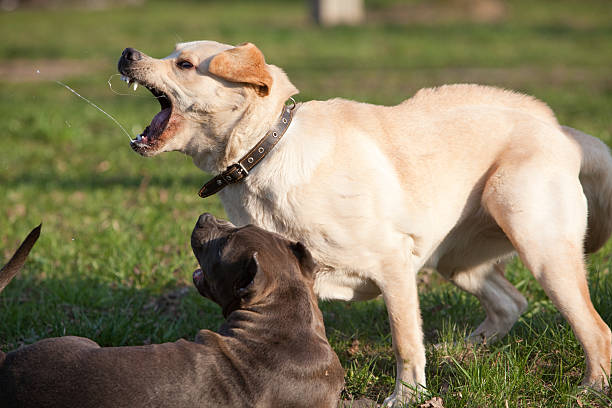 An Arizona dog bite lawyer also recommends calculating the intangible costs of a dog bite. Obviously, there is no receipt for pain, suffering, or ongoing PTSD, which causes many insurance companies to overlook it. That doesn’t mean you can’t seek compensation for it in certain circumstances.
If you hire a lawyer, they’ll determine the damages associated with things like pain and suffering depending on the facts and circumstances of your case in order to account for the emotional toll.
For children or even adults who struggle with a phobia of dogs after a dog bite, counseling could be required. Professional Counseling at a place like the East Valley could cost upwards of $250 per session.
Let’s face it, no one deserves to spend the rest of their lives looking over their shoulders every time they walk through their neighborhood. Compensation is reasonable for the lifelong suffering of that level.
Long-Term Fallout Including Scarring and Reconstructive Surgery
If a dog bite leads to scarring and reconstructive surgery, it could be the most significant part of your claim.
Plastic surgeon’s fee for a simple scar revision can start at $3,500, without the costs associated with facility fees. However, complex facial reconstruction can easily exceed $10,000-$50,000. Insurance companies want to settle now, but scars can take 12 months to “mature.”
Most lawyers recommend you have a consultation with a plastic surgeon to determine the future cost of repairs before settling your lawsuit.
Any dog bite case you take up in Arizona should factor in all aspects of compensation, from plastic surgery to psychological therapy. A dog bite injury lawyer can help determine what to pursue in your case.

Why Time is Not on Your Side in Arizona
There is an Arizona dog bite statute of limitations. If you are bitten by a dog, there are two specific timelines to keep in mind.:
The 1-Year Statute of Limitations for Statutory Claims
In Arizona, you actually have two different “clocks” running at the same time. One is better than the other. Here’s how it breaks down.
The Strict Liability Clock (1 Year)
Under A.R.S. § 12-541, any liability created by statute, which includes Arizona’s famous strict liability for dog bites, must be filed within one year.
The Negligence Clock (2 Years)
You have two years to sue for negligence under Arizona law. However, the burden of proof is higher under this law. You are required to prove the owner was negligent or previously knew the dog was vicious.
Important: if you miss the one-year deadline, your case is going to be much more difficult to win. You effectively go from a slam dunk case to a significant uphill climb to win. So, don’t wait to take action on your dog bite case.
Steps to Take to Protect Your Right to Compensation
These steps are the first place to start your case and protect your right to compensation in a dog bite case.
- Call Maricopa County Animal Care & Control to report the bite
- Take Photos—Photograph the wounds before they’re bandaged and treated
- Identify any footage of the incident via neighbor ring cameras or eyewitnesses
- Save and don’t wash the clothing you were in when the incident occurred
- Speak with a dog bite lawyer in Arizona before signing any settlement agreement
- Create a medical paperwork trail by seeing a doctor
- Don’t give a recorded statement alone
Getting the Peace of Mind You Deserve
Getting bit by a dog is a terrifying, medically significant event. Compensation for the attack isn’t just about money. It’s about ensuring justice for you as a victim. You shouldn’t be burdened by the debt from an accident you weren’t responsible for.
Speak with an Experienced Arizona Dog Bite Attorney Today
Reach out to us for a free, no-obligation case review.
If we don’t win, you won’t pay a fee. Give us a call today at 602-952-9937.
 بقلم زايد السيد
Is Arizona a Right to Defend State? Understanding Stand Your Ground and Castle Doctrine Laws
If you ever find yourself in a situation where your safety—or the safety of your loved ones—is at risk, knowing your legal rights is crucial. Many people wonder, “Is Arizona a right to defend state?” The answer is yes: Arizona law provides strong protections for individuals defending themselves, their families, and their property.
Two legal principles are central to this protection: Stand Your Ground laws and the Castle Doctrine. As a top-rated personal injury and criminal defense attorney, Zayed Al-Sayyed explains how these laws work and what every Arizonan should know about self-defense.
Arizona Stand Your Ground Law Explained
 Arizona is a Stand Your Ground state, meaning you do not have a duty to retreat when faced with an imminent threat, provided you are lawfully present. This law applies both in public spaces and on your property.
For example, imagine you are walking in a parking lot and someone attempts to assault you. In Arizona, you are legally permitted to defend yourself with reasonable force, even if retreat is possible. The critical point is that the force used must be proportionate to the threat. Using deadly force is only justified if you reasonably believe it is necessary to prevent death or serious bodily harm.
According to Arizona Revised Statutes §13-404, a person is justified in using physical force in self-defense if they reasonably believe it is necessary to protect themselves from imminent harm.
Castle Doctrine in Arizona
The Castle Doctrine expands on Stand Your Ground protections for those defending themselves in their home, vehicle, or workplace. This law assumes that your home is your sanctuary, so you do not have to retreat if someone unlawfully enters your space.
Key points include:
- You may use reasonable or deadly force to prevent unlawful entry or protect against assault.
- There is no legal requirement to retreat in your own home.
- The law protects both homeowners and residents defending family members.
A well-known case highlighting the Castle Doctrine is State v. Gonzalez (2012), where a homeowner used force against an intruder attempting a burglary. The court upheld the homeowner’s right to self-defense under Arizona law.
For official resources, see the Arizona Judicial Branch overview of self-defense.
Examples of Arizona Self-Defense in Action
- Public Self-Defense: An individual is threatened at a gas station and uses force to stop the attacker. Stand Your Ground protections apply, provided the response was reasonable.
- Home Defense: A homeowner confronts an intruder in their garage and uses force to prevent harm. Castle Doctrine protections apply.
- Workplace Safety: An employee is threatened by an aggressor at work. Self-defense laws cover this scenario if the employee is lawfully present.
These examples illustrate that while Arizona law is protective, the reasonableness of the response is always a key factor in legal outcomes.
Important Limitations
 Arizona self-defense laws are protective but not absolute. Some limitations include:
- Excessive Force: Using more force than necessary may result in criminal charges.
- Initial Aggressor Rule: If you start the confrontation, you may lose Stand Your Ground protections.
- Illegal Situations: Force used during the commission of a crime is not protected.
الأسئلة المتكررة (FAQs)
Q: Can I use a firearm under Arizona Stand Your Ground laws?
Yes, but only if you reasonably believe deadly force is necessary to prevent death or serious injury. Training and responsible use are essential.
Q: Do I have to retreat from an attacker in public?
No. Arizona’s Stand Your Ground law allows you to defend yourself without retreating if you are lawfully present.
Q: Does the Castle Doctrine cover vehicles?
Yes. Arizona law includes vehicles as part of the Castle Doctrine, protecting occupants from threats while inside.
Q: What should I do after using force in self-defense?
Contact an experienced attorney immediately. Document the incident, but avoid making statements to law enforcement without legal guidance. Zayed Al-Sayyed can help protect your rights.
Arizona is a right to defend state, providing strong legal protections through Stand Your Ground laws and the Castle Doctrine. Understanding your rights, the limits of self-defense, and how to act responsibly is crucial for your safety and legal protection.
If you are involved in a self-defense incident, criminal investigation, or personal injury situation, trust the expertise of Zayed Al-Sayyed, a top-rated attorney dedicated to defending your rights and guiding you through complex legal matters.
 بقلم زايد السيد
قوانين ولاية أريزونا بشأن مقاعد السيارات للأطفال 2025

What are the Arizona car seat laws in 2025? At what age can you move a child out of a car seat? Arizona has strict seat belt laws that look to reduce the number of fatal accidents. In this article, we’ll cover Arizona seat belt laws, including the specifics of car seat laws and which passengers are required to be buckled in.
قوانين ولاية أريزونا بشأن مقاعد السيارات للأطفال 2025
The car seat laws in Arizona are clear. According to ARS 28-907, all children under eight years old must have an appropriate car seat or booster seat. In addition, children under the age of four must remain in a rear-facing car seat.
 There are some exceptions to the above rules depending on your child’s age and weight. Infants and toddlers under the age of two must remain rear-facing until they meet weight and height limits. Children ages two to four must remain in a restraint system until they exceed the weight limit. Children between the ages of four and eight must use a booster seat until they are old enough to fit into a seat belt properly.
Failure to abide by these regulations can come with serious fines and penalties. Violating the above guidelines results in a civil penalty of $50. When selecting your car seat, it’s important to follow the manufacturing guidelines, including weight and height restrictions.
Arizona Seat Belt Laws
Arizona also has seat belt laws that motorists must abide by. The Arizona Department of Transportation requires that passengers under the age of 16 must wear a seat belt, even if they are not driving the vehicle. Drivers are required to make sure all passengers under the age of 16 are properly wearing their seat belts.
 Adults in the front seat must also wear a seat belt, regardless of age. However, passengers over the age of 16 who are sitting in the rear of the vehicle aren’t required by law to wear a seat belt. If you have a medical exemption, you may not be required to wear a seat belt. If this situation applies to you, you should carry a doctor’s note with you at all times.
Like car seat infractions, failure to wear a seat belt can also come with fines and penalties. The penalty for violating Arizona seat belt laws comes with a $10 fine. This fine applies to everyone in the vehicle who should have been wearing a seat belt. For example, if you have three passengers who are required to wear a seat belt, your fine would be $30.
ملخص
 Following Arizona seat belt laws is important, especially if you are traveling with children. If you are pulled over for violating seat belt laws, it’s important to know your rights. Be sure all passengers are following the necessary seat belt laws and that your children are facing the right direction in their car seats based on their age and weight.
If you’ve received a fine or penalty related to a seat belt violation, reach out to our team at The Law Office of Zayed Al-Sayyed today.
 بقلم زايد السيد
هل يُسمح للمحاميات بارتداء الحجاب؟
 Are lawyers allowed to wear hijab? What is the dress code in the courtroom? Do these laws vary by jurisdiction? Understanding the legality of religious coverings is important, regardless of whether you are a sitting judge, pursuing a law degree, or have an upcoming case. In this article, we’ll explore how the courts view hijab and the role of the court in determining appearances.
هل يُسمح للمحاميات بارتداء الحجاب؟
 Yes, lawyers are allowed to wear hijab. The Supreme Court ruled that courts cannot enforce blanket removal policies based on a judge’s demeanor or veracity, to identify witnesses, to identify and avert bias, or to compel accountability. A judge can request lawyers to remove a hijab for a reasonable reason; however, most courts will protect an individual’s religious freedom.
Arizona has no specific laws preventing lawyers from wearing hijab. However, each court and judge may have differing rules and regulations that follow the Supreme Court’s ruling. Remember, the First Amendment of the Constitution protects religious freedoms, which includes religious attire and preferences.
What is the Role of the Court in Determining Appearances?
 The Supreme Court gives judges the ability to exercise “reasonable control” over the appearances in the courtroom. Most jurisdictions require lawyers to dress professionally to ensure decorum in the judicial process. There is no formal dress code, but lawyers may be asked to adjust their attire if deemed inappropriate.
Although there are no formal rules or regulations surrounding hijab color in the courtroom, industry practices suggest wearing a neutral color. Certain patterns and colors could cause distractions in the courtroom, which could result in the judge asking you to change.
ملخص
Religious freedom protects lawyers’ rights to wear hijab in the courtroom. However, there are no blanket rules or regulations in place regarding hijab. Each court and judge will have the ability to express professional judgment when determining reasonable appearances. For more information about lawyer regulations and important legislation changes, check out our other posts.
 بقلم زايد السيد
How Long Do You Have to File a Personal Injury Claim in Arizona?
 How long do you have to file a personal injury claim in Arizona? Unfortunately, accidents do happen. When you’ve been involved in an accident, it’s important to understand how long you have to file a personal injury claim.
Knowing the statute of limitations for different claims helps ensure you submit a claim for damages rightfully owed to you. In this article, we’ll cover everything you need to know about filing a personal injury claim in Arizona.
Why Does Arizona Have a Statute of Limitations?
The statute of limitations is the amount of time you have to bring a lawsuit or claim forward. Since Arizona is a fault-based state, you must prove that another party’s actions caused your injuries in order to recover damages. In many cases, personal injury claims are paid out through insurance carriers. However, if you can’t reach an agreement, you may need to file a personal injury claim.
The statute of limitations is in place in Arizona to encourage prompt settlement of disputes, prevent someone from using the legal system to bring up old matters, and prevent court backups. For example, evidence can be lost or destroyed over time. The statute of limitations ensures that lawsuits are brought forward timely to leverage available evidence.
How Long Do You Have to File a Personal Injury Claim in Arizona?
 The statute of limitations is generally two years from the incident date in Arizona. This deadline includes injuries related to dog bites, bike accidents, wrongful deaths, truck accidents, slip and fall accidents, car accidents, motorcycle accidents, and medical malpractice.
There are some exceptions to the two-year statute of limitations. First, the Arizona Tort Claims Act reduces the timeline you have to file claims against government entities. A notice of claim against a government entity or employee must be filed within 180 days of the injury or accident. If your notice of claim is denied, you have one year to file a formal lawsuit.
Another exception occurs when a minor is involved. Since minors do not have the legal capacity to file a lawsuit, they must wait until their 18th birthday. The statute of limitations then begins on their 18th birthday. However, parents and guardians of minor children are allowed to file personal injury lawsuits on the child’s behalf.
The Impact of the Discovery Rule on the Statute of Limitations
Another notable exception to the two-year statute of limitations is found under the Discovery Rule. This rule extends the timeline for filing a lawsuit or claim until the injury is discovered. This commonly applies to medical malpractice claims. Let’s say a surgeon makes a mistake during a procedure that results in harm, but you don’t know about the injury until one year later. In this case, you will have two years from the date you discovered the injury to file a lawsuit.
ملخص
Do you believe you have a personal injury claim? If so, contact our team at The Law Office of Zayed Al-Sayyed today to schedule your free consultation. We can help you sort through the facts of your case to maximize your settlement.
