

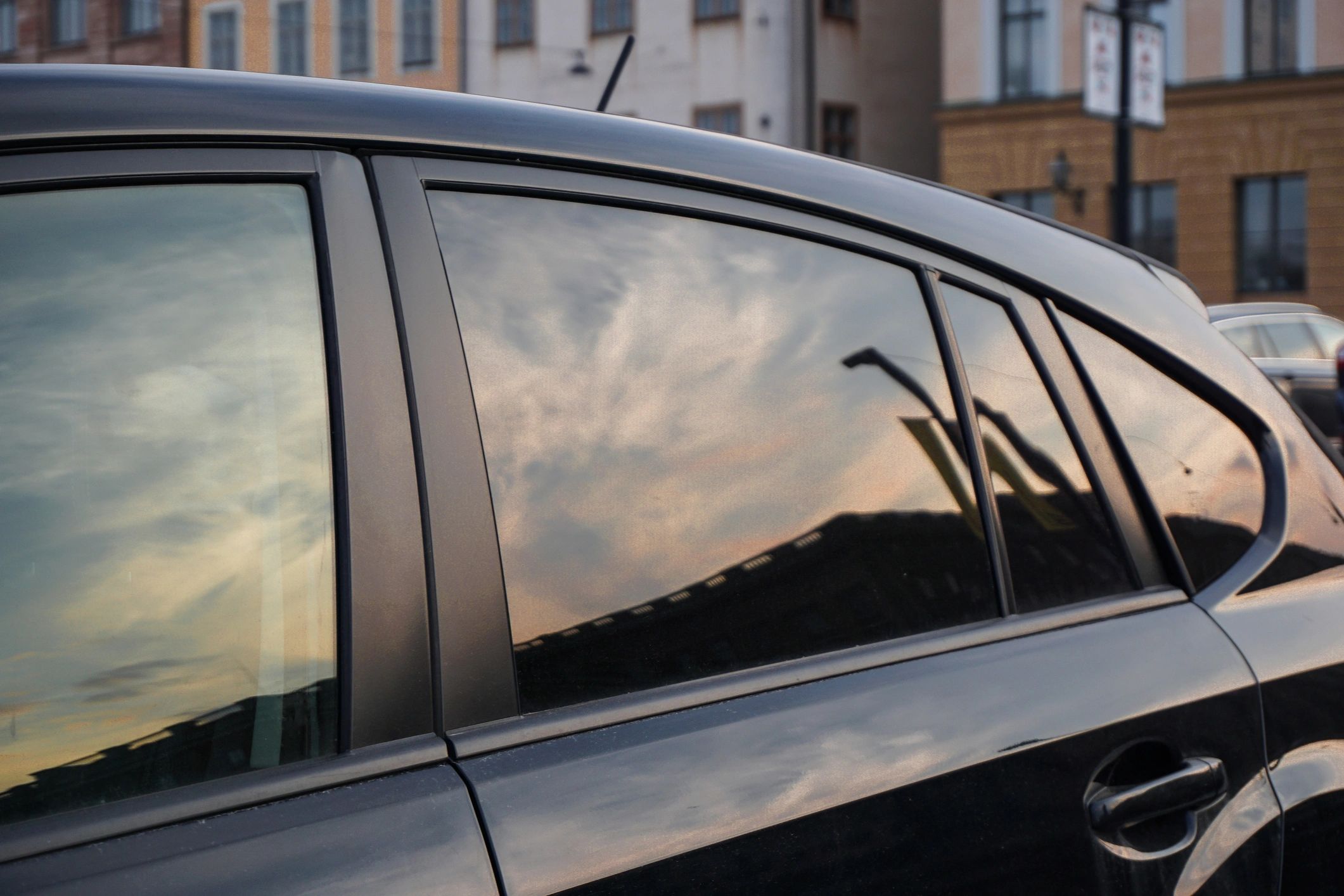
Arizona Tint Laws: What Drivers Need to Know in 2026
Window tint is one of the most popular vehicle upgrades in Arizona—and for good reason. With intense heat, constant sun exposure, and high UV levels, tinted windows can help keep your car cooler and protect your interior. But before you go too dark, it’s important to understand Arizona tint laws to avoid fines, tickets, or even legal complications after an accident.
At The Law Office of Zayed Al-Sayyed, we help Arizona drivers understand how traffic laws can impact accident claims and liability. Here’s what you need to know about Arizona’s current tint regulations.
What Are Arizona Tint Laws?
Arizona regulates window tint under Arizona Revised Statute §28-959.01. The law limits how dark and reflective your window tint can be depending on the location of the window. The key measurement used is Visible Light Transmission (VLT), which refers to how much light can pass through the window. The lower the VLT percentage, the darker the tint.
For example, a 35% tint means 35% of visible light can pass through the window, while a 5% tint (commonly called limo tint) is much darker.
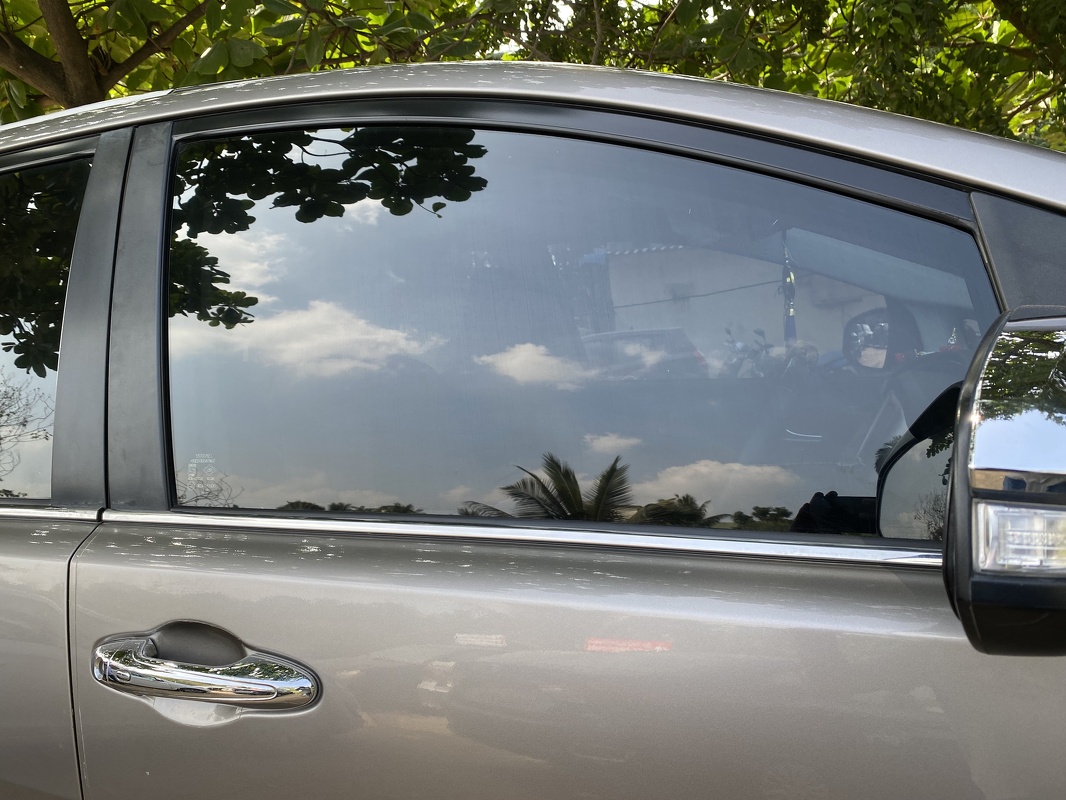
Legal Tint Limits in Arizona
Arizona’s tint laws are fairly flexible compared to other states.
Windshield
Drivers can apply non-reflective tint only above the AS-1 line, which is typically the top five to six inches of the windshield. Anything below that line is illegal.
Front Side Windows
Your front driver and passenger windows must allow at least 33% of light through. Because of this, most tint shops recommend installing 35% tint to stay compliant and avoid issues with tint meter readings.
Rear Side Windows
Arizona places no darkness restrictions on rear side windows, meaning you can legally install darker tint.
Rear Window
The rear windshield can also be tinted as dark as you want, but there’s an important rule—your vehicle must have dual side mirrors if the rear window is tinted.
Reflective Tint Rules in Arizona
Arizona also regulates reflectivity. Reflective tint helps reduce glare and heat, but too much reflectivity can create hazards for other drivers.
Arizona law allows:
- Up to 35% reflectivity on front and rear side windows
- No reflective tint on the windshield
This applies to sedans, SUVs, trucks, and vans.
What Tint Colors Are Illegal in Arizona?
Most tint colors are allowed, but Arizona prohibits:
- Red tint
- Amber tint
These colors are restricted because they can interfere with visibility and create confusion with emergency lights and traffic signals.
Can You Get Pulled Over for Illegal Tint in Arizona?
Yes. Law enforcement officers can pull you over if your tint appears darker than the legal limit. Officers often use a tint meter to measure VLT compliance.
Based on driver experiences in Phoenix, many violations result in a fix-it ticket, which means you may be required to remove the illegal tint and provide proof of correction. While some drivers report limited enforcement, others say highway patrol and city police take tint violations seriously.
Can Illegal Tint Affect a Car Accident Case?
This is where many drivers get caught off guard. If you’re involved in a crash, illegal tint could become a factor in the insurance claim or lawsuit. For example, if the other side argues your visibility was reduced because of unlawful tint, it may impact liability or settlement negotiations.
This is especially important in serious collisions where fault is disputed.
Common examples include:
- Failure to see pedestrians at night
- Reduced visibility during lane changes
- Delayed reaction times in low-light conditions
If illegal tint is being used against you after an accident, speaking with an attorney is critical.
Are There Medical Exemptions?
Yes. Arizona allows medical exemptions for people with qualifying health conditions such as:
- Lupus
- Glaucoma
- Photophobia
- Severe skin conditions
- Certain autoimmune disorders
To qualify, you must submit documentation from a licensed physician or specialist.
Tips for Staying Legal in Arizona
If you want the benefits of tint without legal problems:
- Choose 35% tint for front windows
- Use darker tint only on rear windows
- Consider ceramic tint for better heat rejection
- Avoid red or amber films
- Work with a professional installer familiar with Arizona laws
Ceramic tint is especially popular in Phoenix because it provides better heat rejection without needing darker shades.
Contact a Phoenix Car Accident Lawyer Today
If you were injured in a car accident and window tint is being brought up as part of the case, it’s important to protect your rights. At The Law Office of Zayed Al-Sayyed, we help Arizona drivers fight for fair compensation after serious accidents.
Whether your case involves disputed liability, traffic violations, or insurance complications, our team is here to help.
Call The Law Office of Zayed Al-Sayyed today at (602) 952-9937 for a free consultation.
Frequently Asked Questions About Arizona Tint Laws
- What is the legal window tint percentage in Arizona?
Arizona law requires front driver and passenger windows to allow at least 33% of visible light (VLT) to pass through. Rear side windows and the rear windshield may be darker, provided your vehicle has dual side mirrors.
- Can I get pulled over for illegal window tint in Arizona?
Yes. If law enforcement believes your window tint is darker than the legal limit, they can stop your vehicle and use a tint meter to determine whether your tint complies with Arizona law.
- Is 20% or 5% window tint legal in Arizona?
A 20% or 5% tint is not legal on the front side windows because they do not meet the state’s minimum 33% VLT requirement. However, darker tint is generally permitted on the rear side windows and rear windshield when the vehicle has dual side mirrors.
- Can illegal window tint affect my car accident claim?
Yes. If illegal window tint is alleged to have reduced your visibility or contributed to the accident, it could become a factor in determining fault or negotiating an insurance settlement.
- Are there medical exemptions to Arizona’s window tint laws?
Yes. Arizona allows medical exemptions for certain qualifying conditions, such as lupus, glaucoma, photophobia, severe skin disorders, and other light-sensitive medical conditions. A licensed physician must provide the required documentation.

زايد السيد
أحدث المشاركات
 بقلم زايد السيد
Arizona Lane Splitting Law 2026: New Rules & Penalties
Arizona motorcycle laws changed in 2026, making it more important than ever for riders to understand the difference between lane splitting and lane...
بقلم زايد السيدWhat Is the Riskiest Places for Bicyclists in Arizona? Dangerous Roads, Crash Statistics & Your Legal Rights
Arizona is one of the best states for year-round cycling thanks to its warm climate and extensive network of roadways and recreational paths. However, those...
