



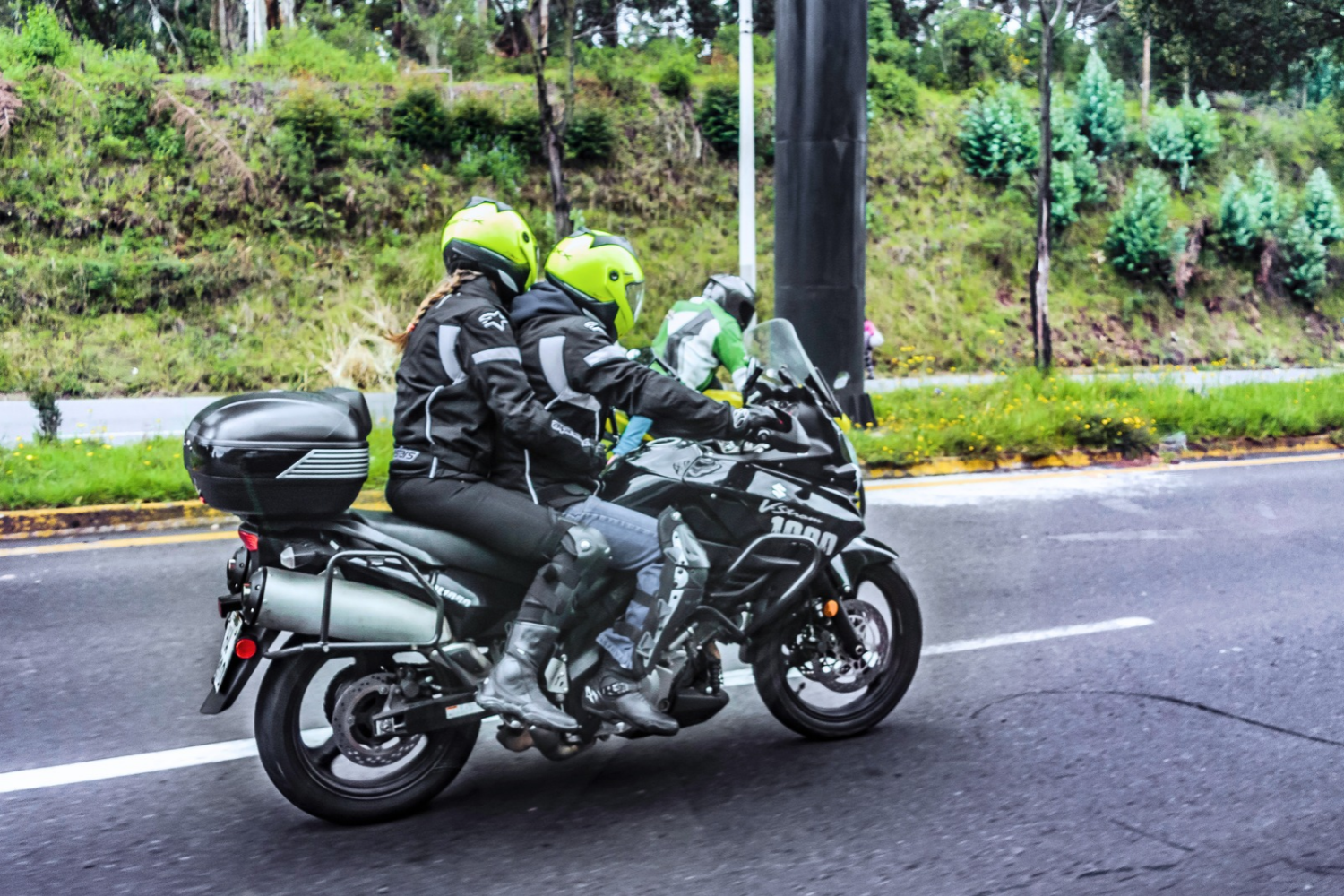
If you ride a motorcycle in Phoenix, you may have experienced the frustration of pulling up to a red light and waiting—only for the signal to seemingly never change. Some traffic signals use vehicle-detection technology, and motorcycles and bicycles may not always be detected as expected.
This raises an important question: Does Arizona have a dead red law?
Unlike some states, Arizona does not have a specific “dead red” law that expressly allows motorcyclists to run a red light after waiting a certain amount of time. However, Arizona law does contain rules addressing inoperative traffic signals, which can make the issue more complicated.
Below, The Law Office of Zayed Al-Sayyed explains what Arizona motorists and motorcycle riders should know about red lights, inoperative signals, and staying safe at Phoenix intersections.
What Is a Dead Red Law?
A “dead red” law generally refers to a state law that allows a motorcyclist—and sometimes a bicyclist—to proceed through a red traffic signal under limited circumstances when the signal fails to detect the vehicle.
The problem occurs because some traffic signals rely on sensors to determine when a vehicle is waiting. A motorcycle’s smaller size can sometimes result in the motorcycle not being detected, potentially leaving the rider waiting through one or more signal cycles.
Several states have adopted laws specifically addressing this situation. Depending on the state, a motorcyclist may be required to:
- Come to a complete stop.
- Wait for a specified amount of time or through a signal cycle.
- Determine that the traffic signal has failed to detect the motorcycle.
- Yield to pedestrians and other vehicles.
- Proceed only when doing so is safe.
The exact rules vary considerably from one state to another.
Does Arizona Have a Dead Red Law?
No specific Arizona statute establishes a traditional dead red rule for motorcycles.
Arizona’s traffic-signal requirements are primarily addressed under A.R.S. § 28-645.
Under subsection (A)(3)(a), motorists facing a steady red signal generally must stop before entering the intersection and remain stopped until an indication to proceed is shown, subject to exceptions such as a lawful right turn on red.
Importantly, Arizona law does not establish a rule saying that a motorcycle rider can automatically proceed because they have waited 60 seconds, two minutes, three minutes, or a certain number of light cycles.
In other words, simply waiting a long time at a red light does not itself create an express statutory exception allowing a rider to proceed.
What Is Arizona’s Rule for an Inoperative Traffic Signal?
This is where Arizona’s law becomes particularly important.
A.R.S. § 28-645(C) addresses intersections where an official traffic-control signal is inoperative.
Under the statute, a driver approaching an intersection with an inoperative signal must:
- Bring the vehicle to a complete stop before entering the intersection.
- Proceed cautiously only when it is safe to do so.
- If vehicles approach from different streets at approximately the same time, the vehicle on the left must yield to the vehicle on the right.
Essentially, Arizona law provides a procedure for safely navigating an intersection when its traffic signal is inoperative.
Does a Red Light That Won’t Detect a Motorcycle Count as “Inoperative”?
This is the more difficult question.
Arizona law uses the word “inoperative,” but A.R.S. § 28-645 does not expressly state that a traffic signal becomes legally inoperative whenever its vehicle-detection system fails to recognize a particular motorcycle.
The distinction matters.
A traffic signal that is completely dark or otherwise not operating is clearly different from a signal that continues cycling normally for other directions but does not recognize a motorcycle waiting in a particular lane.
The Arizona Bike Law article “What Exactly Is an Inoperative Traffic Signal?” discusses this issue and notes the ambiguity surrounding what qualifies as an inoperative signal.
Because the Arizona statute does not expressly establish a motorcycle-specific dead red exception, riders should be cautious about assuming that a failure to receive a green light automatically gives them the legal right to enter the intersection.
How Long Can You Wait at a Red Light Before Running It in Arizona?
There is no specific waiting period in A.R.S. § 28-645 that turns a steady red light into a legal green light for a motorcyclist.
You may hear rules such as:
- “Wait two minutes.”
- “Wait through two complete cycles.”
- “If it doesn’t change after three minutes, you can go.”
- “Motorcycles can run a red light if the sensor doesn’t detect them.”
These should not be treated as Arizona’s statutory rule.
The language of Arizona’s current traffic-signal statute does not establish a specific number of seconds, minutes, or signal cycles after which a rider is automatically permitted to proceed through a functioning steady red signal.
Why Do Some Traffic Lights Fail to Detect Motorcycles?
Modern traffic signals can use different methods to detect vehicles, including pavement-based detection systems and other traffic-sensing technologies.
Because motorcycles have a much smaller physical profile than passenger vehicles, detection can sometimes be an issue.
Arizona’s traffic-control standards recognize the importance of accommodating bicycles as well. The Arizona Department of Transportation’s Manual on Uniform Traffic Control Devices states that signal timing and actuation on bikeways should be reviewed and adjusted to account for bicyclists.
If a particular Phoenix-area intersection repeatedly fails to detect motorcycles or bicycles, reporting the problem to the agency responsible for the roadway may help get the signal inspected or adjusted.

What Should Phoenix Motorcyclists Do at a Stuck Red Light?
If you believe a traffic signal has failed to detect your motorcycle, safety should remain the priority.
Consider these precautions:
Come to a Complete Stop
Never enter an intersection without first stopping and evaluating surrounding traffic.
Make Sure You’re Positioned Correctly
Vehicle-detection equipment may work better when a motorcycle is properly positioned within the designated lane and over the detection area.
Watch the Signal Cycle
Determine whether the entire traffic signal appears to be malfunctioning or whether the issue seems limited to your lane.
Be Extremely Cautious
Do not assume that cross traffic will stop simply because you have been waiting for an extended period.
Report Repeated Signal Problems
If the same Phoenix intersection repeatedly fails to recognize motorcycles, consider reporting the problem to the appropriate city or transportation authority.
What Happens If a Motorcycle Runs a Red Light in Arizona?
Running a steady red traffic signal can result in a traffic violation.
A.R.S. § 28-645 requires motorists facing a steady red signal to stop and remain stopped until they receive an indication to proceed, except where another statutory rule applies.
Arizona law also imposes additional requirements following certain red-light violations, including traffic survival school requirements following a judgment for violating the steady-red provision.
More importantly, entering an intersection against a red light can create a serious motorcycle accident risk.
Red-Light Motorcycle Accidents in Phoenix
Intersections are particularly dangerous environments for motorcyclists because riders have considerably less physical protection than occupants of passenger vehicles.
A motorcycle crash at an intersection may involve:
- A driver turning left in front of a motorcycle.
- A vehicle running a red light.
- Failure to yield.
- Distracted driving.
- Speeding through an intersection.
- A driver failing to notice an approaching motorcycle.
- Confusion caused by a malfunctioning or inoperative traffic signal.
Determining liability after an intersection crash can require examining much more than which vehicle entered the intersection first.
Evidence may include traffic-camera footage, surveillance video, witness statements, vehicle damage, police reports, signal timing information, electronic data, photographs, and other evidence surrounding the collision.
What If a Malfunctioning Traffic Signal Causes an Accident?
Traffic-signal cases can become complicated when a malfunction contributes to a collision.
For example, investigators may need to determine:
- Whether the signal was actually inoperative.
- Whether the responsible government agency knew about a recurring problem.
- How the signal was operating immediately before the collision.
- Which driver had the right-of-way.
- Whether either driver failed to exercise reasonable caution.
- Whether speeding, distraction, impairment, or another factor contributed to the crash.
Claims involving a government entity can also involve special procedural requirements and deadlines, making it important to investigate these cases promptly.
Injured in a Motorcycle Accident in Arizona?
Motorcycle accidents involving intersections and traffic signals can lead to serious injuries and complicated questions about fault. If you were hurt because of another driver’s negligence, contact The Law Office of Zayed Al-Sayyed to discuss your case and learn about your legal options.
Call (602) 952-9937 today to speak with our Phoenix personal injury team.
Arizona Dead Red Law FAQ
Does Arizona have a dead red law for motorcycles?
Arizona does not have a specific motorcycle dead red statute establishing a waiting period after which a rider may automatically proceed through a steady red light.
Can motorcycles run red lights in Arizona?
Motorcycles generally must obey the same traffic-control signals that apply to other vehicles. A.R.S. § 28-645 requires traffic facing a steady red signal to stop and remain stopped until an indication to proceed is shown, subject to the exceptions provided by law.
What happens when a traffic light is inoperative in Arizona?
Under A.R.S. § 28-645(C), drivers must come to a complete stop before entering an intersection with an inoperative traffic signal and may proceed cautiously when it is safe. When vehicles arrive from different directions at approximately the same time, the driver on the left must yield to the driver on the right.
Is there a two-minute rule for motorcycles at red lights in Arizona?
Arizona’s traffic-signal statute does not establish a general two-minute rule allowing a motorcycle to proceed through a steady red signal.
Does a traffic light that doesn’t detect a motorcycle qualify as inoperative?
Arizona’s statute does not expressly resolve whether a signal that operates for other traffic but fails to detect a particular motorcycle is “inoperative” under A.R.S. § 28-645(C). Riders should therefore avoid assuming that failure to trigger a sensor automatically gives them permission to proceed.
What should I do if a traffic light repeatedly fails to detect my motorcycle?
You can consider reporting the problematic signal to the government agency responsible for maintaining the intersection. Correcting detection or signal-timing problems can benefit other motorcyclists and bicyclists using the intersection.
Injured in a Motorcycle Accident in Phoenix?
Motorcycle intersection accidents can result in serious injuries, particularly when a rider is struck by a larger passenger vehicle, SUV, or commercial truck.
If you were injured in a motorcycle accident in Phoenix, Queen Creek, Scottsdale, Mesa, Chandler, Tempe, Glendale, or Gilbert, The Law Office of Zayed Al-Sayyed can evaluate the circumstances surrounding the collision and help you understand your legal options.
Our team can investigate the accident, examine available evidence, address insurance-company issues, and determine which parties may be responsible for your injuries and damages.
Contact The Law Office of Zayed Al-Sayyed to discuss your Phoenix motorcycle accident case.
Sources & Additional Resources
- Arizona Legislature – A.R.S. § 28-645: Traffic Control Signal Legend
- Arizona Department of Transportation – Manual on Uniform Traffic Control Devices
- Arizona Department of Transportation – Traffic Guidelines and Processes
- Arizona Bike Law – What Exactly Is an Inoperative Traffic Signal?
- Viking Bags – Motorcycle Red Light Laws and Dead Red Laws in the U.S.




 Have you or a loved one been involved in a

 Seek Medical Attention

 So, you may have heard that Arizona recently adopted a law that legalizes lane splitting. But what is lane splitting? And more importantly, how will the new Arizona lane splitting law affect Arizona drivers?
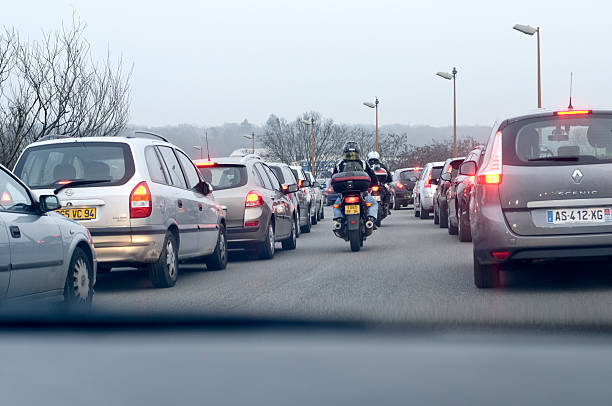 Yes and no. While the technical definition of lane splitting refers to any
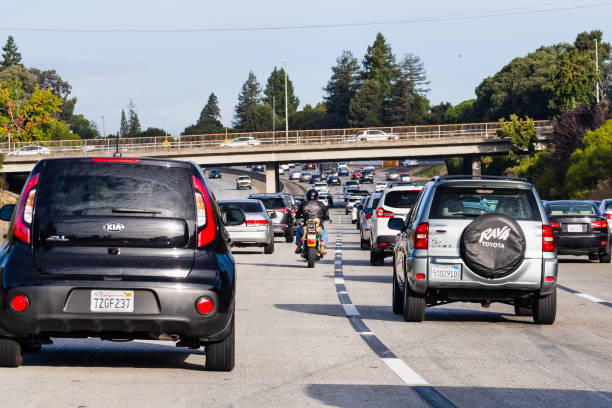 This new Arizona lane splitting law hopes to limit the number of motorcycle accidents in the Grand Canyon State. Of course, some accidents are inevitable. If you or a loved one has been involved in a motorcycle accident due to the negligence of another driver, you might be entitled to compensation.

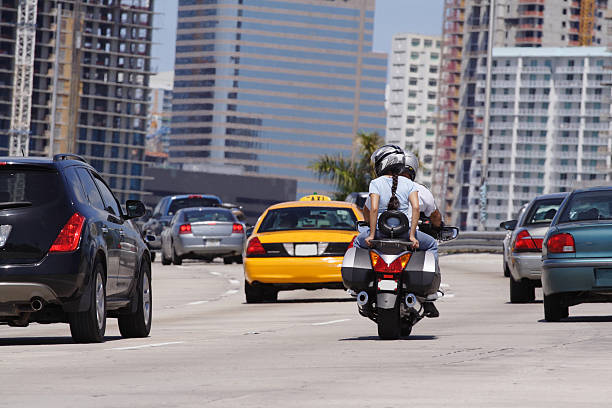
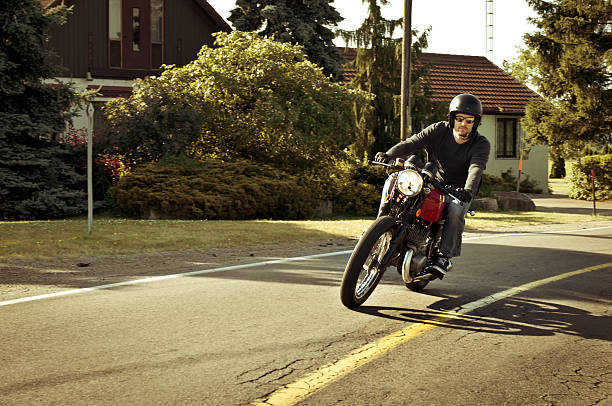 If you drive a motorcycle in an area prone to high volume traffic, the temptation to simply slip your way past all the stopped cars can be strong. After all, you got that motorcycle to make it roar down the freeway, not to balance on your toes in rush hour.
 As of 2020, it is illegal to lane split in Arizona. Not only that, but it is unlawful to try to get around a car in front of you by passing it while still in the same lane. Driving a
 If you or a loved one has been involved in a motorcycle accident or recently received a ticket for lane splitting, you should consult with a skilled Phoenix

 نظرًا للسرعات العالية والتعرض للعوامل الجوية، فإن حوادث الدراجات النارية تعد من أكثر الحوادث تدميرًا التي يمكن أن يتعرض لها المرء. فأنت لا تواجه فقط الأضرار الجسدية الناجمة عن الإصابات التي قد تكون تعرضت لها، بل تضطر أيضًا إلى التعامل مع الإجهاد اللاحق للصدمة، والفواتير الطبية الباهظة، والإصلاحات المكلفة لدراجتك النارية.
 الخطوة الأولى في مقاضاة شخص ما بعد حادث دراجة نارية هي إثبات أنه مسؤول أو أنه كان مسؤولاً عن الحادث. هناك أربعة عوامل رئيسية يمكنك تنفيذها لإثبات مسؤولية الشخص الآخر. تجدر الإشارة إلى أنه نظرًا لأن العوامل الأربعة مترابطة مع بعضها البعض، يجب إثبات كل منها من أجل رفع دعوى قضائية.

 مع المناظر الخلابة في كل اتجاه وأشعة الشمس على مدار السنة، لا عجب في أن أريزونا هي موطن لأكثر من 180,000 سائق دراجة نارية. على الرغم من أن ركوب الدراجة النارية أمر مثير ومحرر، إلا أنه قد يكون خطيرًا أيضًا. لحماية جميع السائقين على طرق أريزونا، هناك العديد من قوانين الدراجات النارية المعمول بها.
 تقسيم المسار هو حالة يتنقل فيها سائق دراجة نارية بين مسارين مروريين يسيران في نفس الاتجاه. على الرغم من أن تقسيم المسار غير قانوني في العديد من الولايات، إلا أنه من الممارسات الشائعة التي يقوم بها سائقو الدراجات النارية لتجاوز الازدحام المروري.
 ربما تكون قد شاهدت دراجات نارية تسير في أريزونا بين المسارات، لكن هذا الأمر غير قانوني في الواقع. وفقًا لـ

 تتميز أريزونا بواحدة من أكثر المناظر الطبيعية تنوعًا في البلاد، حيث تزخر بالمناظر الخلابة في كل مكان. تمتد الطرق السريعة الطويلة التي تصطف على جانبيها أشجار الصبار لتفسح المجال أمام مناظر خلابة للجبال الألبية والوديان. إنها جنة لراكبي الدراجات النارية، ولهذا السبب يوجد فيها أكثر من 180,000
 يجب تسجيل جميع الدراجات النارية التي يتم شراؤها في ولاية أريزونا لدى إدارة المركبات الآلية (MVD) في غضون 15 يومًا من تاريخ الشراء. إذا لم تلتزم بالموعد النهائي المطلوب، فمن المحتمل أن يتم تغريمك بغرامات باهظة أو حتى تعليق رخصتك.
 تشترط قوانين ولاية أريزونا على جميع الدراجين استخدام واقي وجه شفاف أو نظارات واقية أو نظارات حماية. وهناك بديل آخر وهو استخدام واقي رياح واقي للدراجات النارية. من المهم الحفاظ على واقي الرياح خالياً من الأوساخ أو التلف، لأن ذلك قد يشتت انتباه السائق عن الطريق ويشكل خطراً محتملاً على السلامة.

 بالنسبة للعديد من راكبي الدراجات النارية في أريزونا البالغ عددهم 200,000 راكب، لا يوجد ما هو أفضل من الشعور بالرياح وهي تهب في شعرك وأنت تقود دراجتك النارية على الطريق السريع. مع امتداد المناظر الطبيعية الصحراوية الخلابة التي لا نهاية لها وأشعة الشمس على مدار السنة، يمكن القول أن أريزونا هي جنة راكبي الدراجات النارية. ومع ذلك، يمكن أن تتحول الجنة بسرعة إلى مكان أكثر قتامة في حالة وقوع حادث.
 كم عدد حوادث الدراجات النارية التي تحدث سنوياً في ولاية أريزونا؟
 تسبب السرعة الزائدة والسيارات التي تنعطف إلى اليسار نسبة كبيرة من حوادث الدراجات النارية في الولاية، وكذلك القيادة تحت تأثير الكحول. على الرغم من ذلك
