


Arizona Bicycle Laws in 2026: What Every Cyclist Should Know
Cycling continues to grow in popularity across Arizona, especially in cities like Phoenix, Scottsdale, Tempe, Mesa, and Tucson. With more riders sharing the road than ever before, understanding Arizona bicycle laws in 2026 is essential for both safety and legal compliance. Whether you ride for exercise, commuting, or recreation, Arizona law gives bicyclists important rights while also placing responsibilities on riders.
This guide explains Arizona bicycle laws in 2026, including helmet requirements, sidewalk riding rules, e-bike regulations, the Three Foot Law, and what cyclists should know after a bicycle accident.
Are Bicycles Considered Vehicles in Arizona?
Yes. Under Arizona law, bicycles are generally treated as vehicles. This means bicyclists have many of the same rights and responsibilities as drivers of motor vehicles. Cyclists must obey:
- Traffic lights
- Stop signs
- Lane markings
- Yield laws
- Speed regulations
- Signaling requirements
At the same time, motorists must legally share the road with bicyclists and provide safe passing distance.
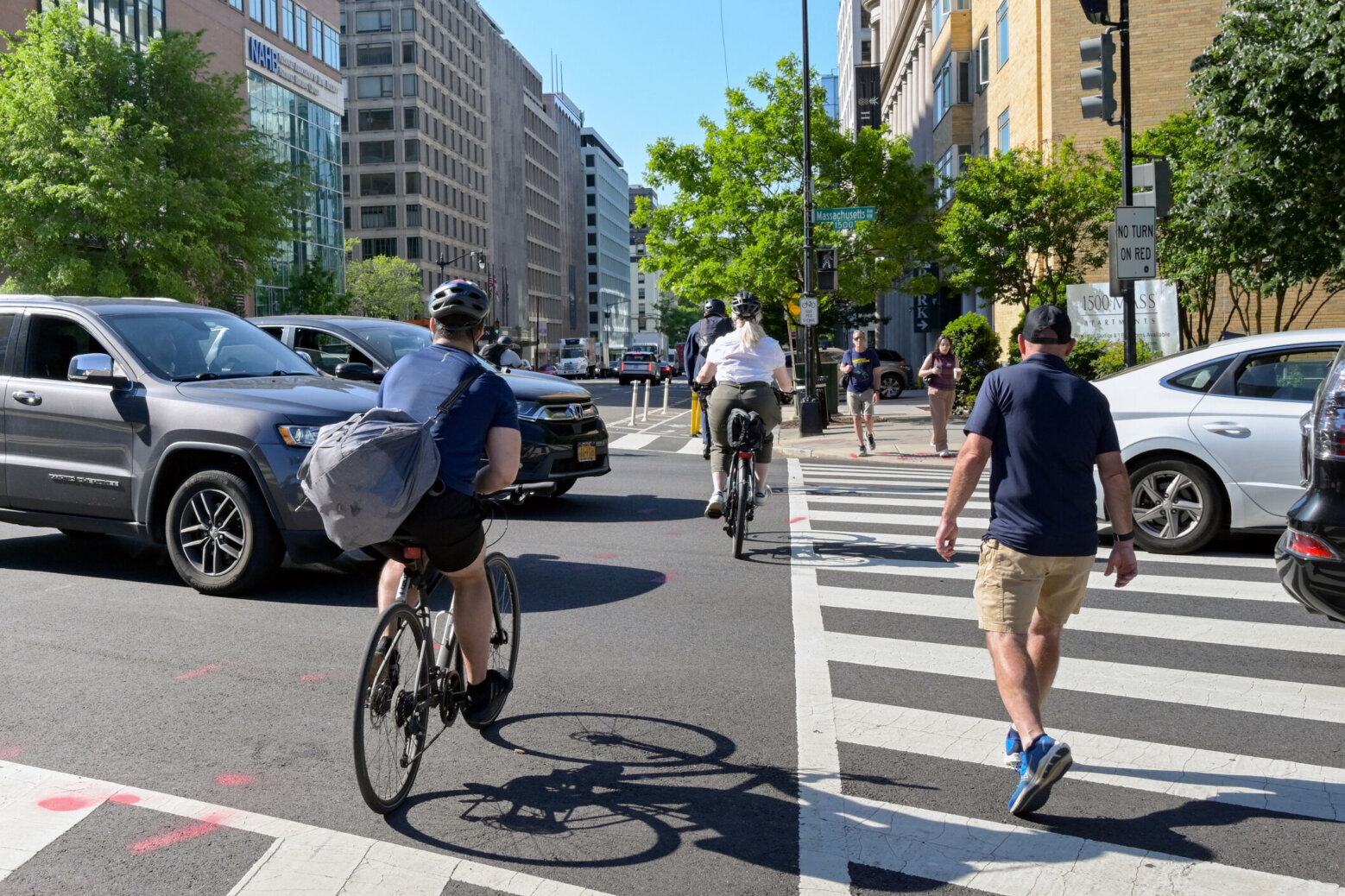
Arizona’s Three Foot Passing Law
One of the most important bicycle safety laws in Arizona is the “Three Foot Law.” Arizona Revised Statute §28-735 requires drivers to leave at least three feet of space when passing a bicyclist traveling in the same direction.
Unsafe passing is one of the leading causes of bicycle accidents in Arizona, especially in busy metro areas like Phoenix and Tucson. Drivers who fail to provide enough clearance can face fines and additional penalties if a crash causes serious injury.
Where Should Bicyclists Ride on the Road?
Arizona law requires bicyclists riding slower than traffic to ride as close as practicable to the right side of the roadway. However, there are important exceptions that allow cyclists to move further into the lane when necessary.
Cyclists may legally take more of the lane when:
- Passing another vehicle or bicyclist
- Avoiding debris or road hazards
- Preparing for a left turn
- Traveling at the same speed as traffic
- The lane is too narrow for safe sharing
This is especially important because many Arizona roads do not provide enough space for a car and bicycle to safely travel side-by-side.
Arizona Bicycle Helmet Laws in 2026
Arizona does not currently have a statewide bicycle helmet law. Adults are generally not legally required to wear helmets while riding a bicycle. However, several Arizona cities and counties require helmets for minors under 18.
Local jurisdictions with helmet laws for minors may include:
- Tucson
- Pima County
- Sierra Vista
- Yuma County
- Certain e-bike ordinances in Glendale and Tempe
Even though helmets are not required statewide, safety experts strongly recommend them because helmets significantly reduce the risk of traumatic brain injuries during bicycle accidents.
Night Riding Equipment Requirements
Arizona law requires bicyclists riding at night to equip their bicycles with proper lighting and safety equipment.
Required nighttime equipment includes:
- White front light visible from at least 500 feet
- Rear red reflector visible from 50–300 feet
- Functional brakes capable of stopping the bicycle safely
Additional reflective gear and rear lighting are highly encouraged, especially when riding near traffic after sunset.

Can You Ride a Bicycle on the Sidewalk in Arizona?
Arizona state law generally allows sidewalk riding unless restricted by local city ordinances. However, the rules vary significantly depending on the city.
For example:
- Phoenix generally allows sidewalk riding unless prohibited by signs
- Tucson restricts sidewalk riding in certain areas
- Tempe has specific regulations for bikes, e-bikes, and scooters
Cyclists riding on sidewalks must always yield to pedestrians and use caution near driveways and intersections.
Arizona E-Bike Laws in 2026
Electric bicycle regulations continue evolving throughout Arizona in 2026. While Arizona state law generally treats e-bikes similarly to traditional bicycles, many cities are implementing additional local safety rules.
Recent Arizona e-bike regulations may include:
- Helmet requirements for riders under 18
- Minimum age requirements
- Restrictions for Class 3 e-bikes
- Lighting requirements for nighttime riding
- Sidewalk and multi-use path restrictions
Cities like Glendale and Tempe have already introduced stricter e-bike safety ordinances due to growing concerns about accidents and reckless riding.
Hand Signals and Safe Riding Requirements
Arizona bicyclists must use proper hand signals before turning or stopping. Common hand signals include:
- Left arm straight out for left turns
- Left arm bent upward or right arm straight out for right turns
- Left arm downward for stopping
Cyclists are also prohibited from:
- Clinging to moving vehicles
- Carrying more passengers than the bicycle is designed for
- Riding without at least one hand on the handlebars
These rules help reduce accidents and improve predictability for both cyclists and drivers.
Common Causes of Bicycle Accidents in Arizona
Many bicycle accidents occur because drivers fail to properly share the road. Common causes of Arizona bicycle crashes include:
- Distracted driving
- عدم إعطاء الأفضلية
- Unsafe lane changes
- السرعة الزائدة
- Drivers entering bike lanes
- Dooring accidents
- القيادة تحت تأثير الكحول
- Unsafe left turns at intersections
Intersections remain one of the most dangerous locations for Arizona bicyclists.

What Happens if a Cyclist Is Partially at Fault?
Arizona follows a pure comparative negligence system. This means injured bicyclists may still recover compensation after an accident even if they were partially at fault.
For example, if a bicyclist is found 20% responsible for an accident, their financial recovery may simply be reduced by 20%. This law can become very important in bicycle accident injury claims involving disputed liability.
Understanding Arizona bicycle laws in 2026 is important for both cyclists and motorists. As bicycle traffic and e-bike use continue increasing throughout Arizona, riders should stay informed about state laws and local city ordinances.
Following bicycle safety laws, wearing proper safety equipment, using lights at night, and riding predictably can significantly reduce the risk of serious accidents. Drivers and cyclists both share responsibility for making Arizona roads safer for everyone.
If you were injured in a bicycle accident caused by a negligent driver, speaking with an experienced Arizona bicycle accident attorney may help you better understand your legal rights and options.
Contact Phoenix Bicycle Accident Attorney Zayed Al-Sayyed Today
If you were injured in a bicycle accident caused by a negligent driver, don’t wait to learn about your legal rights. Bicycle accident claims often involve complex liability issues, insurance disputes, and serious injuries that can impact your future.
At the Law Office of Zayed Al-Sayyed, we fight to help injured cyclists recover compensation for medical expenses, lost wages, pain and suffering, and other damages. Whether your accident involved a distracted driver, unsafe passing, or a violation of Arizona bicycle laws, our team is here to help.
Call (602) 952-9937 today for a free consultation. We work on a contingency fee basis, which means you pay nothing unless we win your case. Let us protect your rights while you focus on your recovery.
FAQs About Arizona Bicycle Laws in 2026
Do Bicyclists Have the Same Rights as Drivers in Arizona?
Yes. Arizona law generally treats bicycles as vehicles, which means cyclists have the same rights and responsibilities as motorists. Bicyclists must obey traffic signals, stop signs, and other rules of the road.
Is There a Bicycle Helmet Law in Arizona?
No. Arizona does not have a statewide bicycle helmet law for adults or minors. However, some cities and local jurisdictions require helmets for riders under 18. Even when not required, wearing a helmet is strongly recommended for safety.
How Much Space Must Drivers Give Bicyclists When Passing?
Arizona’s “Three-Foot Law” requires motorists to leave at least three feet of clearance when passing a bicycle traveling in the same direction. This law helps protect cyclists and reduce the risk of collisions.
Are Bicyclists Required to Have Lights at Night?
Yes. Arizona law requires bicycles ridden after dark to have a white front light visible from at least 500 feet and a rear red reflector (or rear light) visible to approaching vehicles. Bicycles must also have functional brakes.
Can You Ride a Bicycle on the Sidewalk in Arizona?
It depends on the city. In many Arizona cities, including Phoenix, riding on the sidewalk is generally permitted unless otherwise posted. However, bicyclists must yield the right-of-way to pedestrians and exercise caution when using sidewalks.

زايد السيد
أحدث المشاركات
 بقلم زايد السيد
Arizona Lane Splitting Law 2026: New Rules & Penalties
Arizona motorcycle laws changed in 2026, making it more important than ever for riders to understand the difference between lane splitting and lane...
بقلم زايد السيدWhat Is the Riskiest Places for Bicyclists in Arizona? Dangerous Roads, Crash Statistics & Your Legal Rights
Arizona is one of the best states for year-round cycling thanks to its warm climate and extensive network of roadways and recreational paths. However, those...
