


 por Zayed Al-Sayyed
13 New Laws Go into Effect in Arizona on January 1
 2025 kicked off with 13 new Arizona laws going into effect as of January 1. Some of these provisions were passed through ballot measures during the 2024 election season, while others were passed by Arizona lawmakers. Here are the 13 new laws you need to know.
Prop 139
Prop 139 extends fetal abortion from 15 weeks to fetal viability, which is about 23 to 24 weeks. This law also protects abortion access in instances where the mother’s life is in danger and offers more protection to healthcare providers offering abortion services.
Prop 206
Prop 206 increases the Arizona minimum wage to $14.70 starting January 1, 2025. The 2016 Fair Wages and Healthy Families Act required minimum wage increases based on the cost of living. Prior to the increase, the minimum wage was set at $14.35 in Arizona.
Prop 313
Prop 313 increases the minimum penalty for child sex trafficking offenses from seven years to life in prison. The life in prison sentence applies to anyone convicted of a Class 2 felony related to child sex trafficking. Convicted individuals are also ineligible for any form of release.
Prop 312
Prop 312 gives residents the ability to apply for a tax refund if their town is not taking care of illegal loitering, camping, and other nuisances. If the city rejects the refund, residents can take them to county or superior court.
Prop 311
Prop 311 created a new state death benefit for families of first responders killed in the line of duty. The death benefit is set at $250,000 and will be funded with a $20 penalty imposed on every criminal conviction.
Prop 314
Prop 314 makes it a misdemeanor to cross from Mexico to Arizona outside of a legal port of entry. This law also gives the police the ability to arrest those crossing the border illegally, and state judges have the power to order deportations.
ARS 42-6004 (H)
ARS 42-6004 (H) has been amended to eliminate the transaction privilege tax (TPT) on stays over 30 days. Each city had a different tax rate imposed. For example, Phoenix had a 2.3% tax. Landlords are required to drop the tax immediately, helping Arizona housing become more affordable.
ARS 28-1385
A new law lowered the DUI limit for rideshare drivers from 0.08% to 0.04%. This new law impacts Uber, Lyft, taxi, and limousine drivers.
House Bill 2042
The bill, known as the “Tamale Bill,” expands what type of food can be legally sold from home kitchens. Cooks who have a valid registration with the state health department and take a food preparation course can sell products made with meat in personal kitchens.
Senate Bill 1358
Senate Bill 1358 now allows pension and annuity plans to withhold state income tax on lump-sum distributions, helping retirees avoid large tax bills in April.
 House Bill 2325
This bill allows homeowners to have up to six chickens in a single-family home. Roosters are still not allowed.
House Bill 2040
House Bill 2040, which is dubbed the “Taylor Swift Act,” prohibits the use of bots to purchase live-event tickets in certain situations. This follows Ticketmaster’s website crash back in 2022 when fans tried to purchase Swift tickets.
Arizona Names an Official Planet
Arizona declares “Pluto” as the official state planet. Pluto was discovered in Flagstaff’s Lowell Observatory in 1930.
Summary
These 13 laws are only a handful of the new laws going into effect in Arizona. For more information about how these laws impact you, reach out to one of our team members at The Law Office of Zayed Al-Sayyed today.
 por Zayed Al-Sayyed
What To Do After an Accident in Arizona?
Accidents are an unfortunate part of life. If you’ve been involved in an accident, you might be wondering what happens next. With more than 120,000 motor vehicle accidents in Arizona in 2022 alone, it’s important to be aware of the steps to take following an accident.
Contact the Authorities
 The first step is to call the authorities. Even if no one appears to be physically injured, it’s best to call the police right away. Having a police officer on the scene can alleviate tension between the involved parties, facilitate a smooth insurance claim, and help verify what actually happened. Resist the urge to just “exchange information.”
When the police arrive, be upfront and honest about the situation, even if you are at-fault. Be as specific and clear as possible to help the officer understand what happened. If you don’t know the answer to the question of an officer, don’t guess. Instead, say that you don’t know.
If you are involved in a major accident and are at fault, it can be helpful to have a Phoenix car accident lawyer by your side before giving any statements.
Document Relevant Details
Once the police are called, document any relevant details about the accident. This includes pictures of the damage to both vehicles. Don’t rely on the police or the other party to take photos. Have your own evidence.
Make sure you also take video of the scene of the accident, the vehicles involved, and your surroundings. You never know what you might be able to pick up on video that could help your case later on.
In addition, take pictures of other signs, landmarks, and injuries. Remember, you cannot interfere with the police’s investigation or intrude on another party receiving medical attention. Nevertheless, document the accident to the best of your abilities.
Reach Out to Your Insurance Company
 When an accident does occur, insurance companies will most likely be involved. Arizona requires drivers to have a minimum coverage of $25,000 for one person sustaining an injury, $50,000 for two or more individuals, and $15,000 for property damage.
First, determine if you have any special coverage that can help pay for medical bills, like medpay. Medpay pays for immediate medical bills regardless of who is at fault. Before any benefits are paid out, your insurance companies will ask you questions about the accident.
Be truthful but be aware that insurance companies are generally looking for a reason to deny your claim. Like police statements, don’t give a formal statement to your insurance company without a Phoenix accident lawyer present.
Contact an Attorney
It can be difficult to keep track of all correspondence and documentation related to your accident. This is why many people enlist the help of a qualified accident attorney. Not only can your accident attorney help you communicate with the police and your insurance agent, but they can represent you in serious accidents that might require court proceedings.
Contacting an attorney is crucial if you are the injured party in an accident. Even if you are found partly at fault for the accident, you can recover damages. Contact our team at the Law Office of Zayed Al-Sayyed today to schedule your free consultation.
 por Zayed Al-Sayyed
How Do I Report a Car Accident in Arizona?
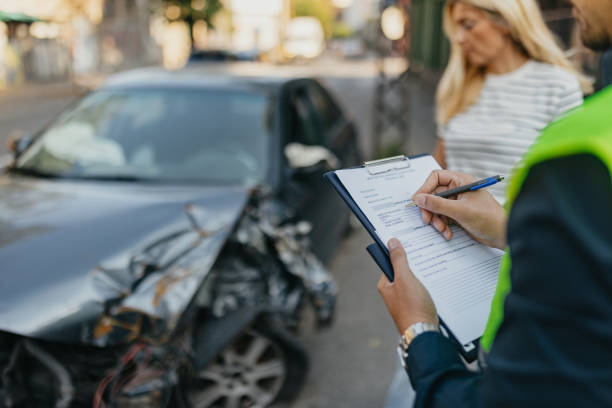 Were you involved in a car accident? Did you witness an accident? Both of these situations can leave you wondering, “How do I report a car accident in Arizona?” In this article, we’ll cover how to report a car accident in Arizona, the steps you should follow, and the details you need to know about filing police reports.
How Do I Report a Car Accident in Arizona?
The fastest way to report a car accident in Arizona is to dial 911. This will connect you with emergency personnel who can contact police officers and send first responders to the scene. Even if you aren’t involved in the accident, it’s best to contact the authorities. When an accident does occur, adrenaline runs high, and you want to be sure law enforcement is en route.
Arizona Accident Reporting Procedure

The Arizona Department of Transportation outlines the steps you should take following an accident. First, you need to move safely out of the way. If you are in the middle of the road and your vehicle is drivable, move to the shoulder. If your vehicle is totaled and you can safely exit the vehicle, move to a safe location off the roadway.
Next, offer assistance to other parties. Whether you are involved in the accident or first on the scene as a witness, you want to be sure everyone is alert and safe. If the accident is severe, you may need to wait until emergency responders arrive on the scene.
Once law enforcement arrives on the scene, you may need to answer questions and issue a statement about the accident. Even if you are a witness, your testimony and statement can be crucial in an investigation.
Filing a Police Report
 Although you aren’t always required to file a police report, you are required to stay on the scene until law enforcement clears you. If the accident is a minor fender bender, the officer might not file a report. However, for more severe accidents, a police report will almost always be created.
Instances when a police report is required include bodily injury or a fatality of an involved party, property damage that exceeds $1,000, or the issuance of a citation related to the accident. Fleeing the scene of an accident can result in felony charges and license suspension.
When the police report isn’t generated at the scene, you can contact your local police station, highway patrol, or county sheriff. Some jurisdictions also have online reporting resources. Having a police report filed eliminates the risk of the other party claiming you are at fault.
Contacting a Pheonix Accident Attorney
Whether you are directly involved in a car accident or were a witness, it’s important to have an attorney working alongside you. A Phoenix accident attorney can help you determine the best course of action following a car accident, including recovering damages. For more information about your specific situation, reach out to our team at the Law Office of Zayed Al-Sayyed today to learn more.
 por Zayed Al-Sayyed
How Do I Find Out About Local Car Accidents?
 Unfortunately, car accidents are common, especially in Phoenix. This might leave you questioning, “How do I find out about local car accidents?” There are three main ways you can find out about local car accidents: hospitals, police departments, and personal contacts.
In this article, we’ll explore each of these three methods in more detail, giving you the insights needed to find out about local car accidents.
How Do I Find Out About Local Car Accidents?
Finding out if a family member or friend was in an accident can feel overwhelming. Here are three methods you can use:
Local Hospitals
In serious car crashes, injured parties will be transported to a local hospital or medical facility. This makes calling around to local hospitals the best place to start. Contact hospital and medical facilities near the area where your family member, friend, or loved one was traveling.
Remember, medical professionals can’t give out personal information due to the Health Insurance Portability and Accountability Act (HIPAA). However, they can generally tell you if a patient is at the facility if you have a name.
Police Departments
 The next avenue you can use to find out about local car accidents is through the police department. Most accidents will have a law enforcement officer on the scene, helping injured parties, creating a car accident report, and managing traffic.
You can try calling the police department to see if they have any recent calls about accidents in the area your loved one was traveling. There can be lags in information. For example, an officer might not have all of the details about who was involved in the accident right away.
Personal Contacts
Finally, you might be able to track down information about an accident from close contacts. If you are unable to contact the individual directly, call family members and friends. They might have information, especially if they are listed as an emergency contact.
Finding Information on Past Accidents
Most car accidents will require a law enforcement officer to generate a written report about the details, including the involved parties, the date, what caused the accident, any fatalities or injuries, and the damage occurred.

Check the website of your local police department to find recent accident reports. In some cases, you might need to request a report. Remember, pulling an accident report can take time. For example, it’s not uncommon for a report to be open for a few weeks while officers conduct investigations.
Nevertheless, obtaining a copy of your car accident report can help you submit insurance claims and be used as evidence in court proceedings. It’s important to keep in mind that police reports aren’t legal verdicts on the accident. If you believe you or your loved one wasn’t at fault for the accident or are trying to recover damages, it’s best to contact a Phoenix accident attorney.
Reach out to our team at the Law Office of Zayed Al-Sayyed today to schedule your free consultation.
 por Zayed Al-Sayyed
Do You Have to Call the Police After a Minor Car Accident in Arizona?
 Do you have to call the police after a minor car accident in Arizona? What is considered a minor car accident? These are questions you might have after being involved in a car accident. Not every accident will warrant a police presence, especially if there are no injuries and minor damage. In this article, we’ll cover when you should report an accident to the police in Arizona.
Do You Have to Call the Police After a Minor Car Accident in Arizona?
No, you do not have to call the police after a minor car accident in Arizona. However, if there are injuries or significant property damage, the police need to be alerted immediately. The faster law enforcement arrives on the scene, the quicker involved parties can be assessed for injuries, and the scene can be controlled.
In addition, if you suspect an involved party was operating a vehicle under the influence, it’s important to alert the police. Driving under the influence of drugs or alcohol is a serious offense, even if the accident did not result in injuries or significant property damage.
What Can the Police Help with After an Accident?
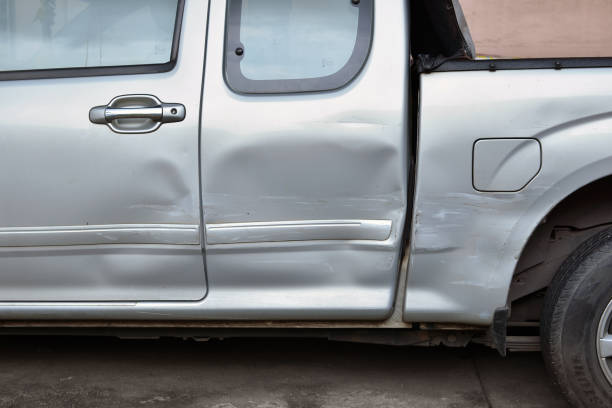
After a car accident, law enforcement controls the scene. First, officers will secure the scene to ensure everyone’s safety. This might include blocking off lanes or controlling oncoming traffic. Scene control is important for tow trucks and medical vehicles to arrive timely and safely.
Next, law enforcement will gather information for a crash report. This includes taking pictures and videos of the scene, writing down eyewitness accounts, and reconstructing the crash. If you need to file a claim with insurance, having the details compiled by law enforcement will be beneficial.
The Benefits of Calling the Police After a Minor Accident
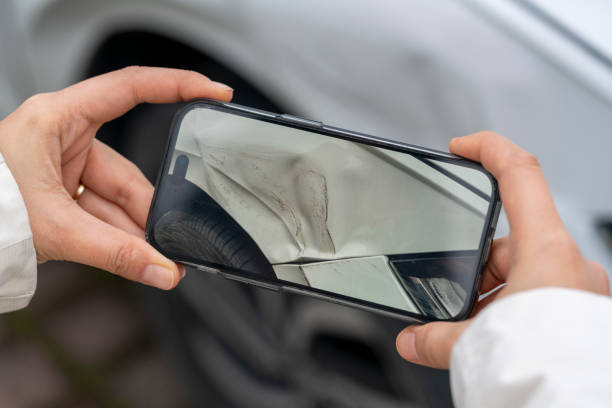
In addition, insurance companies often check for police reports before paying out funds. If there is no police report on file, you have a higher risk of denied claims. Officers who come to the scene of an accident are generally required to create a police report. If the police are never called, you might be missing out on a crucial piece of evidence.
Although you can create a police report after an accident, you risk losing out on key pieces of information and evidence that were left at the scene. This can hurt your chance of a successful claim or lawsuit.
Summary
Even though a minor fender bender doesn’t require you to call the police, it can be beneficial. To discuss your situation with an accident attorney, contact one of our team members at The Law Office of Zayed Al-Sayyed today to schedule your free consultation.
 por Zayed Al-Sayyed
Is AZ a No Fault State?
 Arizona is an at-fault state, meaning the individual who is negligent is responsible for paying damages. However, Arizona’s at-fault rules aren’t always clear-cut, as comparative negligence factors into the accident.
In this article, we’ll cover what at-fault means in Arizona and the types of damages you can recover if you’ve been in an accident.
Is AZ a No Fault State?
Like most other states, Arizona is an at-fault state. This means if you suffer an injury due to the negligence of another party, you have the right to file a lawsuit or seek damages through the at-fault party’s insurance company.
Since Arizona is an at-fault state, drivers of motor vehicles are required to have liability coverage on all vehicles operating on state roads. This includes $25,000 of liability coverage per person, $50,000 per accident of more than one individual, and $15,000 to cover property damages.
Although Arizona is very clear on the liability coverage required, some drivers do not take out the proper policies. If you’ve been in an accident with an uninsured driver, you can file a civil lawsuit to recover damages.
Understanding Arizona At-Fault Laws
 Arizona at-fault laws require claims to prove four key elements. The first element is duty of care. If the driver did not abide by the traffic laws to protect the safety of other drivers, they did not uphold the proper duty of care.
Next, for at-fault negligence to occur, the driver must have breached their duty of care, making it unsafe for other travelers. The third component is causation. The accident must have been a direct cause of the breach of duty. Finally, damages need to have occurred, which can include physical and financial damages.
If you can prove these four components of negligence, the other driver will be listed as at-fault, giving you the ability to recover damages and pursue lawsuits.
Types of Damages
When involved in an Arizona car accident, damages aren’t limited to just property. In fact, you might be able to claim a variety of damages, regardless of whether you are the at-fault party or not. Here are some of the damages that are available:
- Economic Damages – These damages are generally easy to pinpoint and can include the cost of medical care, the loss of income, property repair, and other expenses, like childcare expenses, if you are the primary provider.
- Non-Economic Damages – These are damages that aren’t necessarily physical and include physical and emotional pain, emotional distress, mental anguish, loss of ability to enjoy life, temporary disability, and permanent disability.
- Punitive Damages – Accidents that are the result of egregious behavior can be imposed punitive damages. This is common when the at-fault party intentionally caused the accident or engaged in unsafe actions.
Keep in mind that many of these damage claims will require going to court. Insurance companies are strict on when damages are paid out. If you believe you are entitled to more compensation or damages, it’s best to contact a qualified attorney who can evaluate your case.
Summary
Were you involved in an accident in Arizona? If so, it’s important you work with an expert who can help you navigate Arizona at-fault laws. Schedule your free consultation with The Law Office of Zayed Al-Sayyed today.
 por Zayed Al-Sayyed
Arizona Car Insurance Laws
 Whether you’re planning to move to Arizona for the first time or have been a long-time resident, it’s important to understand the Arizona car insurance laws you must follow. Like most states, Arizona requires vehicles to maintain a car insurance policy.
In this article, we’ll cover the Arizona car insurance laws you need to be aware of, how insurance factors into an accident, and the minimum liability requirements.
What are Arizona Car Insurance Laws?
Arizona car insurance laws require each motor vehicle that operates on state roads to have some form of liability insurance. This law includes non-traditional motor vehicles, like golf carts, mopeds, and motorcycles. Your Arizona car insurance needs to meet the following liability minimums:
- $25,000 for bodily injury or death of one individual
- $50,000 for bodily injury or death of two or more individuals
- $15,000 for property damage
Most insurance carriers understand the minimum liability requirements and can construct compliant policies. These minimums are designed to cover medical and property damage bills when you are at fault in an accident.
The Purpose of Arizona Car Insurance Laws
Accidents can be expensive, from damage to vehicles and property and serious bodily injury. Most individuals can’t afford to pay for these expenses out-of-pocket, which is why Arizona has car insurance laws in place. Most Arizona car insurance providers extend your liability coverage to anyone driving your vehicle, like a family member.
Remember, once Arizona car insurance policies thresholds are exceeded, you are personally liable for any remaining financial obligations. This is why many Arizona drivers take out policies in excess of the mandatory minimums. Similarly, you may need another policy in place if you were involved in a car accident and the at-fault party does not have the proper insurance.
Arizona is an At-Fault State
 Arizona is an at-fault car accident state. This means that the financial responsibility falls on the individual who caused the accident. However, comparative negligence can come into play, which removes a portion of the burden off your shoulders. Nevertheless, be prepared to be personally responsible for any damage or medical bills resulting from an accident you caused.
Activating Arizona Car Insurance
Once an accident happens, you will file a claim with your insurance provider, even if you aren’t at fault. If you are at fault, your insurance provider will investigate and begin to make payments. If you aren’t the cause of the accident, your insurance company will pursue a subrogation claim against the at-fault driver’s insurance.
Penalties for Noncompliance with Arizona Car Insurance Laws
Arizona law enforcement usually asks for proof of insurance during routine traffic stops. If you are unable to substantiate your insurance, you could face suspension of your vehicle’s registration or receive a suspended driver’s license.
To get these items reinstated, you will need to pay fees and file proof of financial responsibility. These penalties multiply if you are involved in an accident and do not have the proper insurance coverage.
Involved in an Accident?
Whether you’re the at-fault party in an accident or trying to recover damages from a driver without insurance, it’s important to work with a qualified attorney. Our team at The Law Office of Zayed Al-Sayyed is ready to help you navigate Arizona’s car insurance laws. Reach out today to schedule your free consultation.
 por Zayed Al-Sayyed
Is Arizona a PIP State?
 Is Arizona a PIP state? What type of insurance is required by Arizona law? These are two questions that residents of Arizona find themselves asking, especially when it comes to vehicle accidents.
In this article, we’ll cover Arizona’s stance on PIP, what types of insurance are required, and what to do if you find yourself in a situation with an uninsured individual.
Is Arizona a PIP State?
Arizona is not a personal injury protection (PIP) state. Instead, Arizona is an at-fault state, meaning drivers are not required to have PIP. The at-fault party is responsible for paying all damages associated with an accident.
However, Arizona does offer medical payment coverage, known as MedPay. MedPay provides similar coverage as PIP and helps with the financial burden of injuries you and any passengers sustain in an accident. MedPay is also beneficial if you are injured as a pedestrian or biker, covering bills regardless of whether you were at fault or not.
The Details of MedPay
 MedPay and PIP cover different costs when an accident occurs. PIP covers pedestrian and passenger injuries, medical payments, loss of wages, in-home services, and funeral expenses. MedPay coverage includes injuries to you as the driver or pedestrian, other passengers and pedestrians, medical payments, in-home services, and funeral expenses.
Although the coverage of MedPay will differ by provider, one of the main differences is the coverage of lost wages. Since Arizona drivers are required to have insurance with minimum liability coverage, MedPay does not include other financial aspects of accidents outside of medical bills.
Moreover, MedPay specifically does not cover property damage and injuries to other drivers. These fall under Arizona’s required liability insurance policies, with drivers needing $15,000 in property damage coverage, $25,000 in coverage for accidents with one person, and $50,000 in coverage for accidents involving more than one person.
Next Steps When Dealing with Uninsured Parties
What happens if you are in an accident with an uninsured party? Who pays for medical bills if they are at fault? Under Arizona at-fault and insurance laws, the at-fault party is responsible for paying damages stemming from the accident. Once insurance policies are used up, the at-fault party is personally responsible for damages.
When an accident occurs with an uninsured party, there is no insurance company to request money from. This often results in the need to bring a lawsuit forward against the at-fault party to recover damages. Damages, such as medical bills, property damage, and even psychological harm, can be recovered with a successful lawsuit.
Finding Your Arizona Attorney
Navigating bringing a lawsuit against an at-fault party without insurance can be complex, which is why it’s best to have a qualified attorney on your side. Even if you are the at-fault party, it’s essential to have an expert weeding through claims that you might be personally liable for.
Contact one of our team members at The Law Office of Zayed Al-Sayyed to schedule your free consultation. Don’t try to guess your way through Arizona laws, especially with Arizona not requiring PIP. Contact a team member today to get started.
 por Zayed Al-Sayyed
Do You Have to Roll Your Window Down for Police in Arizona?
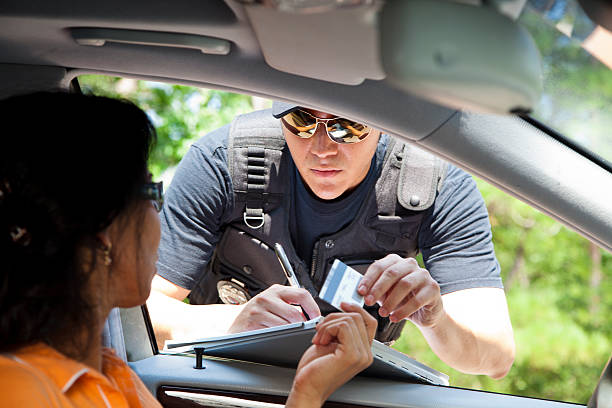 Do you have to roll your window down for police in Arizona? Are you required to hand over your license? How do you tell if the stop is legitimate? Arizona drivers can be pulled over for a variety of reasons, from reckless driving to a routine traffic stop.
Understanding your rights in these situations is important, but remember, Arizona law enforcement is trying to keep roadways safe. In this article, we’ll cover if you have to roll your window down, how to determine the legitimacy of a traffic stop, and common information police officers might request.
Do You Have to Roll Your Window Down for Police in Arizona?
If the stop is legitimate, then yes, you do need to roll your window down for police in Arizona. However, there is no law requiring you to roll your window all the way down. Halfway is generally sufficient for Arizona law enforcement.
What If I’m Pulled Over for No Reason?
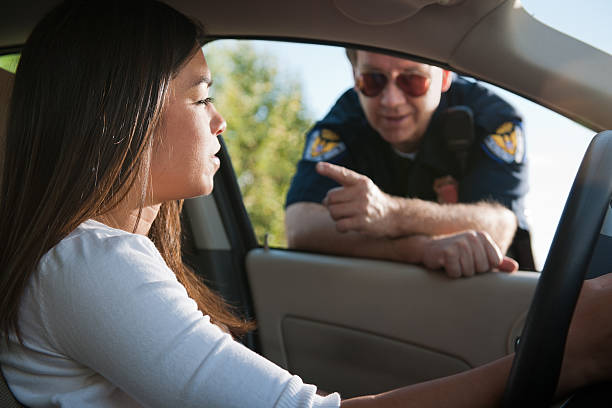 There are a few different methods you can use to determine the legitimacy of the stop. For one, think if you’ve done anything to warrant being pulled over. Do you have an updated sticker on your license plate? How about a broken taillight? The officer might catch a traffic violation that you weren’t even aware of.
Additionally, requesting to see the officer’s badge is a great way to ensure that you are pulled over by a legitimate officer. You can leave your window rolled up until you verify the identity of the officer. If the officer refuses to show you their badge, keep your window rolled up, drive to a safe location, and call 911.
Remember, the officer should clearly state why they stopped you, whether it be for a routine DUI checkpoint or a minimal traffic violation.
What Information Do I Need?
When you get pulled over by a police officer in Arizona, here’s what you generally need:
- Identification – Usually, your driver’s license is the first piece of information the officer will request.
- Registration – Your vehicle registration proves that you have the right to operate the vehicle, and it is commonly requested during traffic stops.
- Concealed Carry – If you have a firearm in the vehicle, inform the officer right away to avoid escalating the situation.
- Calm Demeanor – When you get pulled over, one of the most important factors is to remain calm. Do not make unnecessary jokes or overshare. Saying as little as possible is usually best.
- Know Your Rights – Knowing your rights is critical, even in simple traffic violations.
If the officer has probable cause and a legal basis, they may request other information, such as supporting documentation for a concealed carry or proof of insurance.
Your Phoenix Traffic Lawyer
If you believe you’ve been unlawfully stopped or received an incorrect ticket, it’s important to contact a qualified Phoenix traffic lawyer. Our team at The Law Office of Zayed Al-Sayyed are your trusted experts, helping you navigate Arizona traffic laws. Reach out today to schedule your free consultation.
 por Zayed Al-Sayyed
How is Fault Determined in a Car Accident in Arizona?
 Fault is determined in a car accident in Arizona based on the nature of the crash, witness testimonials, and evidence documented in police reports. Since Arizona is an at-fault state, the party found liable will generally be responsible for covering damages.
However, there are gray areas when it comes to determining fault. This makes it important to understand the specifics of your case and Arizona’s pure comparative rules. Let’s discuss these items in more detail.
How Fault is Determined in a Car Accident in Arizona
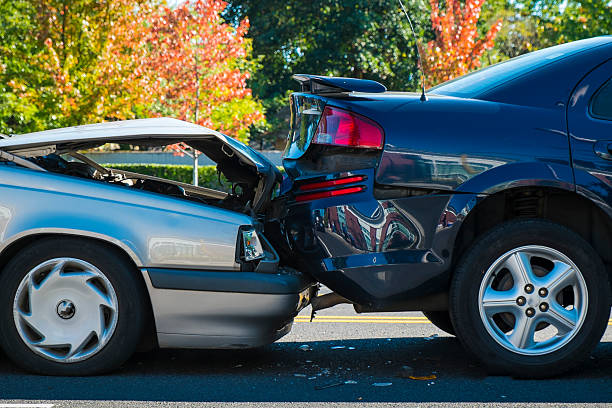 Fault is determined in a car accident in Arizona based on who initiated the accident. For example, a car that cuts into oncoming traffic and causes an accident might be found at fault. However, Arizona Revised Statutes § 12-2505 outlines comparative fault rules, which apply to auto accidents, personal injury, and property claims.
This law states that an accident can be caused by multiple parties. In these situations, fault is divided up based on available evidence. Using our above example, let’s say that the driver who cut into traffic was met with abrupt brake lights. This might lead to fault apportioned to the other driver.
Pure comparative fault rules in Arizona allow drivers to be up to 99% responsible for an accident and still be able to recover damages from the party that is 1% responsible. Arizona is unique in that many states prohibit parties from seeking damages if they are more than 50% at fault.
Recovering Damages
 If you’ve been involved in an Arizona car accident where another party is at fault, you have a few options. First, you can file a third-party claim against the at-fault driver’s insurance company. Another option is to file a claim with your insurance provider, depending on your coverage. This is a common option if you are entirely or partially at fault in an accident.
Moreover, parties that are not at fault in a car accident can file a personal injury lawsuit to pursue damages in court. This can help you secure insurance funds from the at-fault driver, as the Arizona Department of Transportation requires insurance for vehicles operating on the road.
Damages can be recovered for a variety of reasons, such as medical bills, future medical care, lost wages, pain and suffering, mental anguish, and out-of-pocket expenses related to the accident. The severity of your injuries and your comparative fault will determine how much compensation you can receive.
For example, if your claim is worth $100,000 and you are found 50% at fault for the accident, your total claim value might be reduced to $50,000.
Finding a Car Accident Lawyer in Arizona
 Arizona car accident lawyers are indispensable when it comes to pursuing damages in court. Not only can the right lawyer evaluate the success potential of your claim, but they can also work with other lawyers and insurance companies on your behalf. Reach out today to schedule your free consultation with our team at theZlawyer today.
