


 por Zayed Al-Sayyed
Is Arizona A Hands-Free State?
 The National Safety Council reports that cell phone use while driving leads to a staggering 1.6 million crashes each year. Because of this, many states have adopted a “hands-free” cell phone policy. Not sure what that is? Don’t worry, our legal team is here to answer that question and more.
A hands-free cell phone policy makes it illegal to use a cell phone while driving (unless, of course, it is in a hands-free mode). While this law is fairly common around the country, it is up to each state to decide whether or not they want to adopt it. So, is Arizona a hands-free state? Let’s get into it.
What Is the Distracted Driving Law in Arizona?
In April 2020, Arizona passed a new distracted driving law that prohibits motorists from using handheld devices, like cell phones, while driving. This law was enforced beginning on January 1, 2022. Since then, thousands of drivers have been issued citations for texting or talking on their cell phones while driving.
But does this law entirely illegalize cell phone use while driving? Not completely. Stay tuned to learn what exactly this law means for Arizona drivers.
What Does This Mean For Arizona Drivers?
 Are you a driver wondering how the Arizona hands-free law will affect you? Our skilled car accident attorneys can break it down for you. Under Arizona’s distracted driving law, drivers are prohibited from the following:
- Holding a cellphone (including holding it between your cheek and shoulder)
- Reading, writing, or sending texts, emails, or any other text-based communication
- Watching or recording any kind of video
Of course, many people rely on their cell phones for directional assistance and emergencies. For that reason, the law does not entirely eliminate the use of cell phones. As we mentioned, there are a few exceptions:
- Accepting or making a call by briefly swiping your screen
- Using an earpiece, headpiece, or wrist device to talk on the phone
- Using voice commands
- Using your phone as a GPS
- Using your hand-held cell phone while stopped at a red light
- Calling 9-1-1 via cell phone
Dangers of Distracted Driving in Arizona
 The unnecessary use of a cell phone while driving is incredibly dangerous. Because cell phone use impairs a driver’s ability to focus, they can become distracted and miss traffic signals, pedestrians, slowing traffic, and other driving hazards. Oftentimes, distracted drivers are the cause of wrongful accident deaths and personal injuries that require compensation.
Top-Rated Car Accident Attorneys in Phoenix, AZ
So, is Arizona a hands-free state? We hope that this blog post helped to clear things up for you. As much as we wish decreased cell phone use would decrease the number of car accidents in Arizona, we realize that some personal injuries are inevitable.
If you or a loved one is suffering a personal injury that resulted from someone else’s negligence, then our team at The Law Office of Zayed Al-Sayyed can help. Through our aggressive compassionate representation, we are devoted to ensuring that you get the compensation you deserve. Contact us today for a free consultation with an expert.
 por Zayed Al-Sayyed
4 Tips For Maximizing Your Car Insurance Claim
 Anyone who has been in a car accident knows just how painful and scary they can be. Many people choose to file a car insurance claim to gain compensation for their suffering and property damages. At The Law Office of Zayed Al-Sayyed, we are often asked how people can receive the compensation that they deserve.
Well, that’s where we come in. As experienced car accident attorneys, we work to ensure that our clients receive the maximum amount of compensation for their claims. Curious as to how? Today, our legal experts are sharing their top 4 tips for maximizing your car insurance claim.
-
Hire a Car Accident Attorney
Sure, we might be a little biased when we say this, but hiring a car accident attorney is the best way to ensure that you receive all the damages you are entitled to. Not only is our team here well-versed in Arizona’s personal injury laws, but we conduct extensive investigations to determine the cause of the accident and responsibility.
Additionally, we help our clients to avoid any potential mistakes. Our legal team understands the tactics car accident companies use to devalue accident claims, so we’re able to fight them on your behalf and relieve you of the burden.
-
Seek Medical Treatment for Injuries
 Even if you do not think you are seriously injured, it is in your best interest to undergo a proper medical examination after the accident. Many serious injuries (including spinal injuries, traumatic brain injuries, and neck injuries) often don’t present symptoms until days or weeks after the accident initially occurs.
When filing a car insurance claim, it is critical that you know the exact severity of your injuries. Furthermore, you should always follow your doctor’s guidance and document your entire medical experience.
-
Gather and Preserve Evidence
To receive compensation, you must successfully prove the other driver’s negligence, the seriousness of your condition, and the amount of any damages you incurred. This is done by collecting and preserving adequate evidence, which is a process that begins at the scene of the accident. Here are some examples of evidence you should be collecting either during the accident or after the fact:
- Police report
- Accident photos that document damage done to either vehicle, the scene of the accident, road conditions, personal injuries, etc.
- The other driver’s license and insurance information
- Witness statements and contact information
- Medical bills and records
- Wage loss documentation
- Repair receipts for your vehicle and/or property
-
Do Not Accept a Quick Settlement
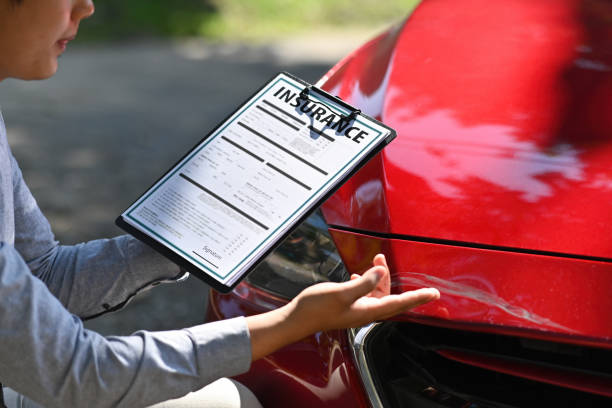 Car insurance companies use many tactics that prey on your vulnerability and/or financial desperation immediately following a car accident to secure a quick settlement.
While their speedy offer might be enticing at first, quick settlements are usually much lower than the amount you are truly entitled to. Additionally, once you agree to a quick settlement, it is almost impossible to reopen your claim and ask for more money.
Call a Car Accident Attorney in Phoenix, AZ
When it comes down to it, the best way to ensure you receive the compensation you deserve is to enlist the help of an experienced car accident lawyer. With ample experience handling personal injury and car insurance claims, our legal team at The Law Office of Zayed Al-Sayyed can help you form the best strategy for your case.
Contact our team for a free consultation with one of our top car accident attorneys today.
 por Zayed Al-Sayyed
What Are The Most Common Causes of Car Accidents?
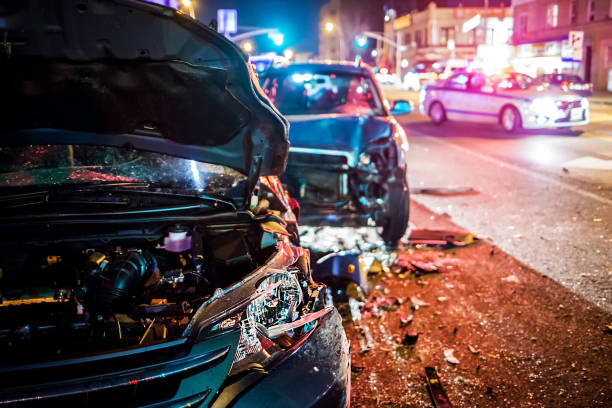 According to the Center for Disease Control, road traffic crashes are the leading cause of death for people in the U.S. aged 1 to 54 years old. Unfortunately, what this means is that you probably know someone who has been a victim of a car accident, whether it be a friend, a loved one, a coworker, or even yourself.
So, what are the most common causes of car accidents? Well, today’s blog post has got you covered. Familiarizing yourself with common car accident causes is a great way to avoid them and prevent injury. Today, our legal team here at The Law Office of Zayed Al-Sayyed is breaking down the most common causes of car accidents.
-
Distracted Driving
From texting to talking on the phone or even eating, distracted driving is the most common cause of road vehicle accidents in the U.S. While some of these behaviors might seem innocent enough, distracted drivers cause more accidents than both speeding and drunk driving. So, to avoid causing a distracted driving accident, make sure the road has your full attention while driving.
-
Speeding
As you could probably imagine, speeding is another one of the most common causes of car accidents. Additionally, because speeding-related accidents occur at higher speeds (hence the name), these kinds of accidents are more likely to cause fatalities.
While speeding is something many drivers are guilty of from time to time, it can lead to incredibly dangerous scenarios, like losing control of your vehicle. The faster a vehicle travels, the harder it is to slow down or stop for obstacles, and consequentially, the risk of crashing increases.
-
Drunk Driving
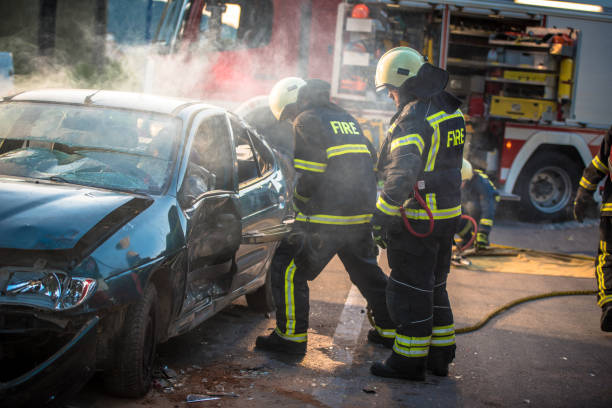 Another common cause of car accidents is drunk driving, especially on the weekends and holidays. When people consume alcohol, their response time and ability to focus drastically reduce, therefore it is illegal to drive with anything above a 0.08 blood alcohol concentration (BAC) limit.
Drunk driving accidents are easily preventable, as all motorists should avoid driving after drinking alcohol and/or enlist the help of a designated driver if needed.
-
Reckless Driving
Reckless driving covers a multitude of driving behaviors like changing lanes without looking, tailgating, excessive speeding, and ignoring road signs.
To avoid accidents caused by reckless drivers, you should maintain your focus and concentration while driving, use your signals, and keep adequate space between your vehicle and those around you.
Top-Rated Car Accident Lawyers in Phoenix, AZ
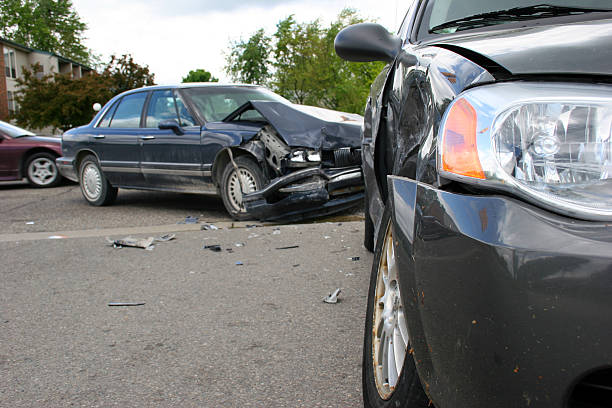 Now that you’re familiar with the most common causes of car accidents, we hope that you will be better equipped to avoid them. However, even the best drivers can find themselves in less-than-ideal circumstances.
If you or a loved one has suffered from a car accident, the first step is to enlist the help of an experienced car accident attorney. Our legal team here at The Law Office of Zayed Al-Sayyed will relentlessly pursue the best possible outcome for your case and ensure that you receive the compensation you are owed.
Contact our team today for a free consultation.
 por Zayed Al-Sayyed
Tactics Car Accident Companies Use to Devalue Accident Claims
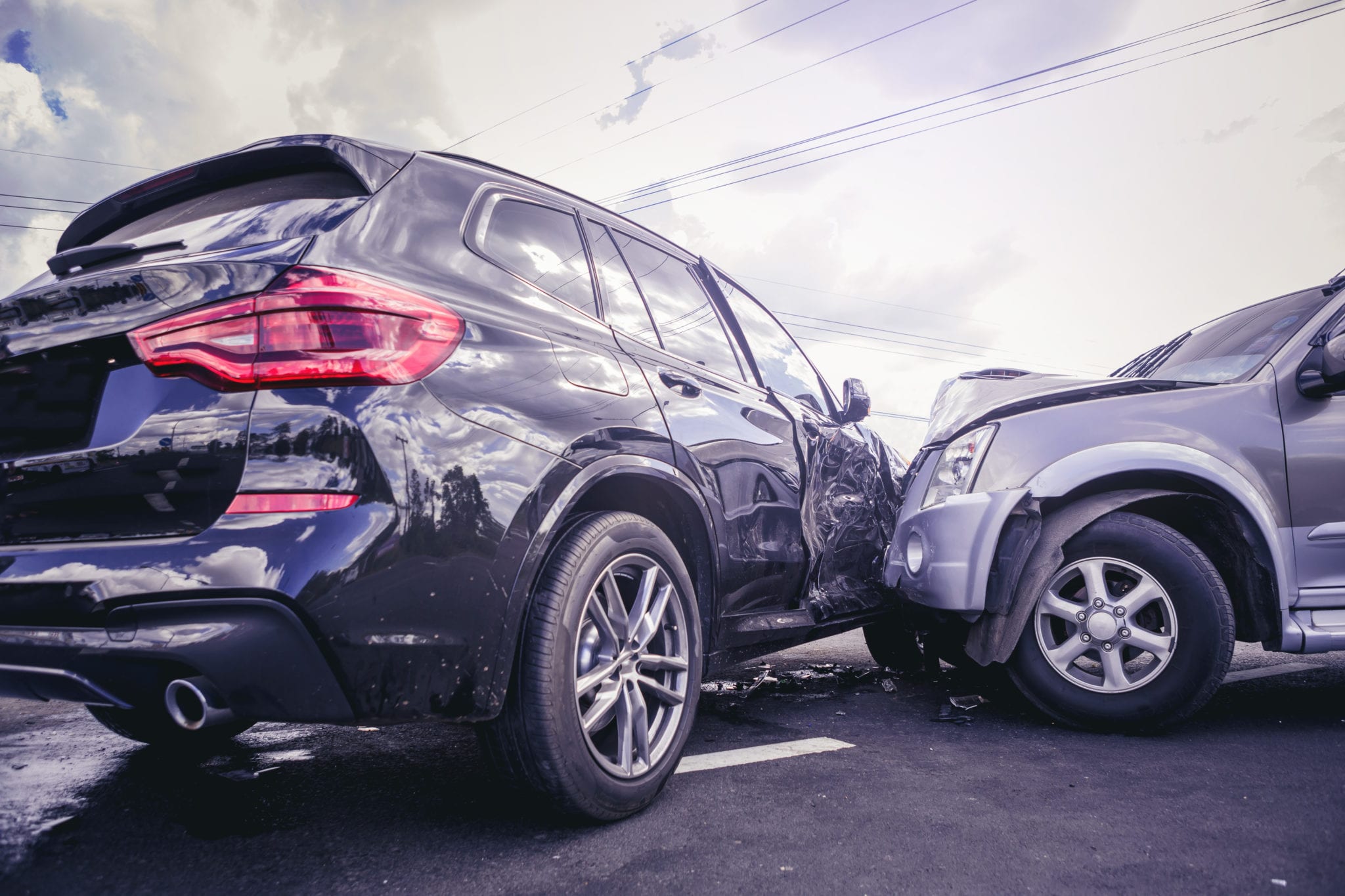
 Car accidents can be stressful, frustrating, and downright scary. Unfortunately, they are often just the tip of the iceberg. If you or a loved one is injured or sustains property damage from a car accident caused by someone else’s negligence, you are entitled to compensation for your losses. However, that is typically a long and tricky road.
After an accident, the last thing anyone wants to deal with is more stress. That’s why the legal team here at The Law Office of Zayed Al-Sayyed is devoted to helping you make the best decisions for your case. Not only will we clearly explain your rights to you throughout the legal process, but we can help you combat these tactics car accident companies use to devalue accident claims:
- Calling Too Quickly After the Injury
It is common for car insurers to call you almost immediately after a car accident and they do so for a couple of reasons. First and foremost, insurers want to catch you off guard. Typically, people are in a more vulnerable state after an accident and insurance sharks hope to capitalize on that vulnerability.
Additionally, insurers tend to give you a call before you have had the opportunity to fully determine the scope of your injuries. This is no mistake. Insurers are hoping that you don’t yet know the full extent of your damages, meaning that you might settle for less than you deserve.
Of course, they also are hoping that you haven’t yet obtained a personal injury lawyer or a car accident attorney (who is going to make sure you get exactly what you deserve).
- Asking For a Recorded Statement
Another tactic insurance companies use to devalue accident claims is asking for a recorded statement. While allowing insurance companies to record your statement seems reasonable and just, it is in no way a requirement and is something you should avoid.
We recommend that you always decline being recorded to make sure you are protected from accidentally saying something to devalue or jeopardize your claim. Don’t worry, your personal injury lawyer will do the talking for you.
- Offering Quick Settlements
 While quick settlements might seem enticing, they are usually much lower than the amount you are truly entitled to. Insurance companies like to offer them before you’ve had the chance to fully evaluate your injuries and losses, hoping you are in a vulnerable state and desperate for financial compensation.
However, once you agree to a quick settlement, it is nearly impossible to reopen your claim and ask for more money. Basically, you should assume that anything the insurance company offers you is not enough.
- Asking You To Sign a Medical Authorization
Getting an injury victim to sign a blanket medical authorization is another sneaky tactic car accident companies use to devalue accident claims. This ruse is fairly common, as a blanket medical authorization is a powerful tool that gives insurance companies access to your private medical information.
With access to such information, insurance companies are able to blame your current pain on any pre-existing condition or past injury, which of course, devalues your car accident claim. Trust us on this one, it’s a trap.
Top Car Accident Attorneys in Phoenix, AZ
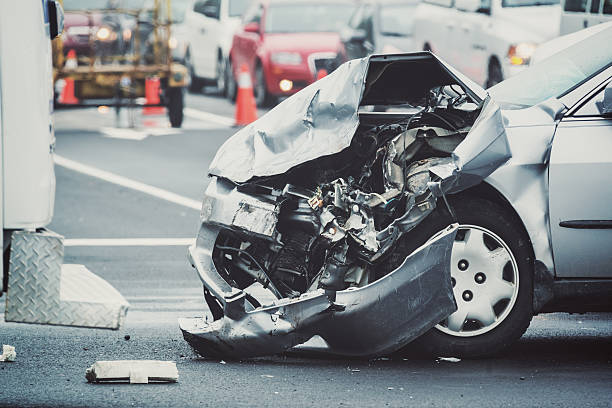 Have you or a loved one suffered personal injury or loss due to a car accident? If so, we recommend that you don’t go through this process alone. After your car accident, the first step is to consult with a skilled Phoenix car accident attorney. Not only will they help you combat these tactics car accident companies use to devalue accident claims, but they will ensure that you get the compensation you deserve.
With our Aggressive Compensation Representation, we promise to relentlessly pursue the best possible outcome for your case. For more information or a free consultation, contact our team today.
 por Zayed Al-Sayyed
Arizona Seat Belt Laws
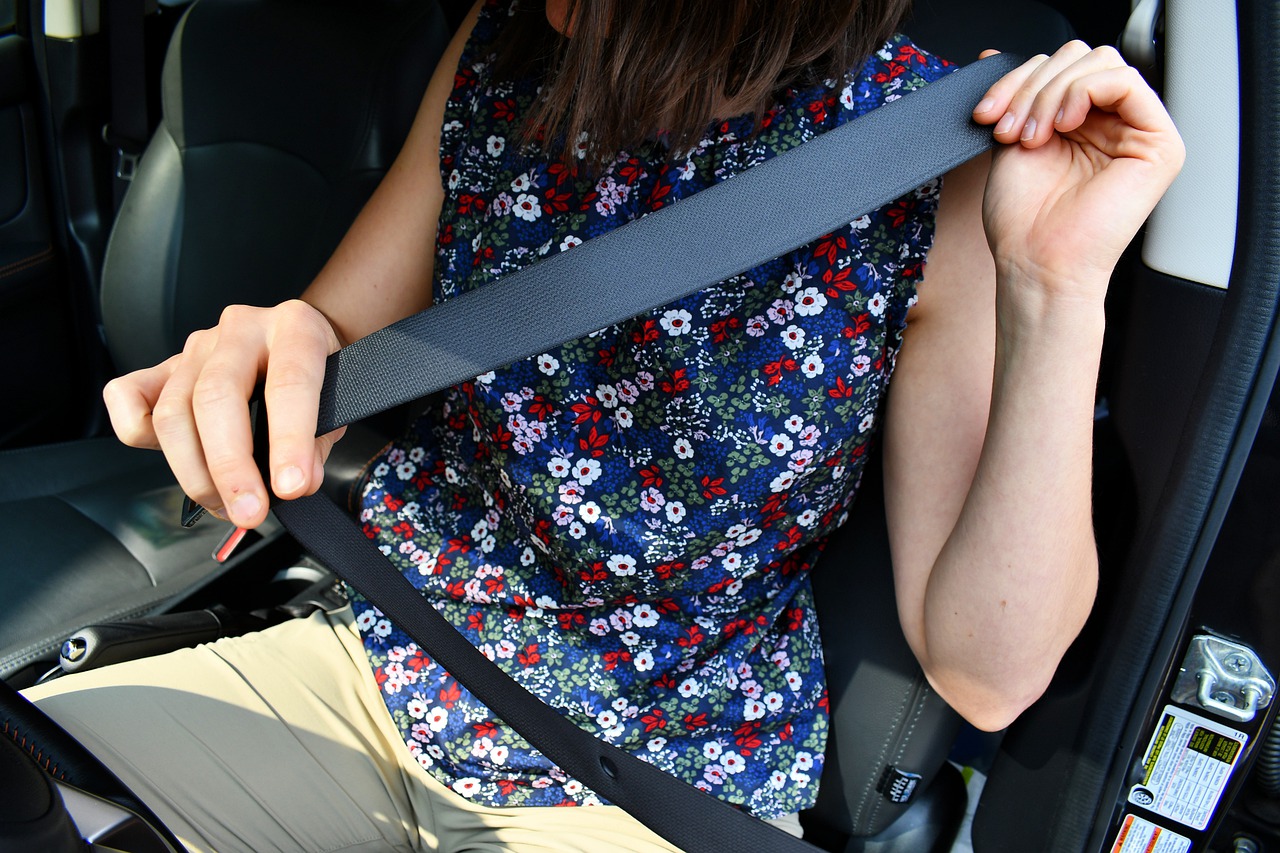
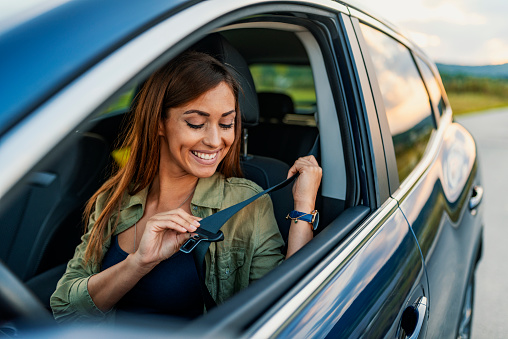 When you slide into the seat of a motor vehicle, your first move should always be to click your seat belt into place. For many of us, this is an immediate instinct. For others, their car’s beeping seatbelt signal reminds them to buckle up. We know to wear our seat belts, but why? And what exactly are the Arizona seat belt laws?
Arizona seat belt laws are intended to keep drivers and passengers safe and sound while traveling in the Grand Canyon State. According to the most recent data from the NHTSA, seat belts lower the risk of serious physical injury by up to 50 percent and cut the risk of death by up to 45 percent.
Today, our car accident attorneys are explaining everything you need to know about seat belt laws in Arizona so you can stay safe and avoid fines while on the road.
Seat Belt Laws in Arizona

The driver and all front-seat passengers must wear a properly fastened chest and waist strap while traveling in this secondary seat belt state. By law, back-seat passengers are not required to wear a seat belt. However, this back-seat exception does not pertain to children.
In Arizona, all passengers under the age of 16 years must buckle up regardless of where they are seated. If you’re driving with a child and they have not fastened their seat belt, you’re responsible and law enforcement can ticket you for seat belt offenses.
Anyone traveling in the front seat of a motor vehicle should always wear a seat belt and law enforcement can ticket you if they catch you in motion without one.
Child Car Seat Requirements in Arizona
For minors between the ages of 1 and 4 years old, Arizona car seat laws require that minors should sit in a front-facing seat. Children between 5 and 7 years old should use booster seats. Once the child reaches 8 years of age, they can sit in the vehicle without a booster seat or car seat, but they must wear a seat belt at all times.
Consequences of Violating Arizona Seat Belt Laws
In Arizona, the fines for violating seat belt laws will vary depending on the number of people not using them. The first offense usually attracts a minuscule fine of $10 for each passenger. If there are any kids under the age of 5 years old in the vehicle who are not secured in a car safety seat, you’ll be subject to a minimum fine of $50 dollars.
Because Arizona is a secondary seat belt state, you cannot be pulled over solely for not wearing a seat belt. You must have committed another traffic offense first. The fines associated with Arizona seat belt laws might seem relatively minor, but if you are involved in an accident, the medical costs and losses could be much higher.
Reasons for Wearing Seat Belts
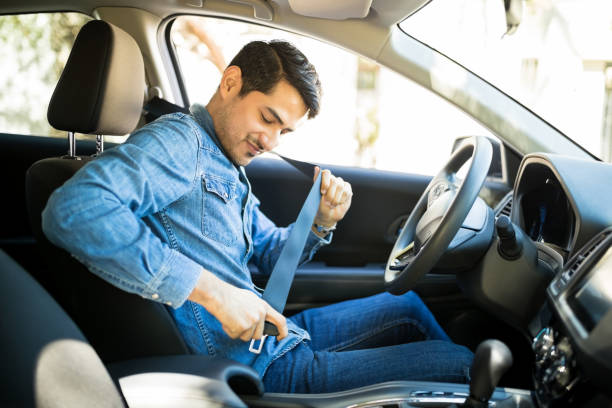 The injury and choking hazards associated with the improper use of seat belts are significantly high. It’s important to use the correct restraint for your child’s age, weight, and height. Seat belts are designed to secure drivers and passengers against the dangerous movements that could occur during a sudden stop or car crash.
Adults and children alike should wear a seat belt at all times when riding in a motor vehicle. Wearing a car seat belt could be the difference between you or a loved one walking away from an accident relatively unscathed and facing severe injuries or even death. Protect yourself, your loved ones, and other drivers on the road by buckling up.
Expert Car Accident Attorneys in Phoenix, AZ
Unfortunately, many people experience pain and suffering in car accidents, even while complying with Arizona seat belt laws. If you or someone you care about has been injured in a car accident, it’s important to consult with a skilled car accident attorney as quickly as possible.
We utilize our Aggressive Compassionate Representation to ensure that you are treated with the utmost compassion while we aggressively pursue the best outcome for your case. Contact our Phoenix car accident attorneys today for more information or to schedule a free consultation.
 por Zayed Al-Sayyed
5 Reasons to Hire a Car Accident Lawyer After Your Accident
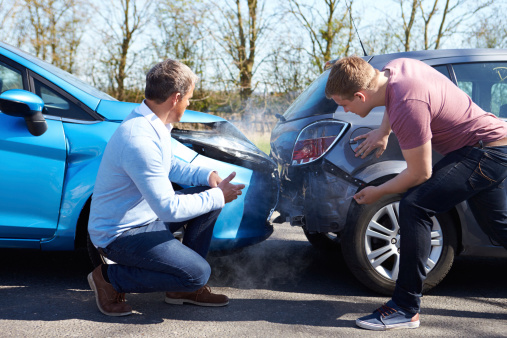
 Getting involved in a car accident can be an incredibly scary and stressful situation. Oftentimes, accidents result in painful injuries, property damage, and costly medical bills. If you were involved in a car accident due to someone else’s negligence, it’s essential to consult with a car accident lawyer to support you through the legal process.
There are many reasons to hire a car accident lawyer after your accident. From helping you understand the damages of your accident to negotiating with insurance companies, your attorney will serve as the advocate fighting in your corner.
Today, our team at The Law Office of Zayed Al-Sayyed is explaining some of the top reasons to hire a car accident lawyer after your accident. Not sure yet? Keep reading!
-
Understanding of the Law
Dealing with a personal injury claim without the help of a professional can be confusing, stressful, and will likely result in getting a much lower compensation amount than you otherwise would have, if any at all. By working with an experienced car accident lawyer, you can utilize their wealth of knowledge to get the settlement you deserve.
-
Dealing with Insurance Companies
 Insurance companies are notorious for taking advantage of people and finding ways to get out of giving them the compensation they are entitled to. Lawyers have plenty of experience dealing with insurance adjusters and will negotiate on your behalf to ensure that you receive a fair compensation for your car accident.
-
Proving Negligence
In most personal injury cases, proving negligence is a critical piece of the puzzle. It can also be incredibly difficult to do so without the help of an experienced attorney. The success of your case will depend on whether or not you are able to prove negligence, which your lawyer will do on your behalf.
-
Supporting Your Claim
In any car accident case, your claim is only as strong as the evidence you have to back it up. By thoroughly investigating your case, your attorney will collect evidence to support your claim.

From accident reports and medical records to photos and witness statements, an experienced car accident lawyer will make sure you have everything you need to win your case.
-
Taking Your Case to Court
If the negotiations don’t go as planned, your car accident lawyer will help you file a court case and ensure that all of the paperwork is in order. On your court date, they will be able to present your evidence and utilize their skill and knowledge to give you the best possible chance at a positive outcome.
Best Car Accident Lawyers in Phoenix, AZ
If you or a loved one have recently been in a car accident, the first and most important step is to consult with a skilled Phoenix car accident lawyer. Our team will guide you through this difficult process and ensure that you get the compensation you deserve.
With our Aggressive Compassion Representation, we promise to aggressively pursue the best possible outcome for your case while treating you with the utmost compassion. Contact us today to set up a free consultation with one of our top-rated Phoenix car accident attorneys.
 por Zayed Al-Sayyed
What Are the Most Common Injuries From Car Accidents?
 All over the world, accidents happen every day. In 2020, there were 98,778 motor vehicle crashes in Arizona alone that resulted in 28,610 injuries. As car accident attorneys, we are often asked ‘what are the most common injuries from car accidents?’
Injuries sustained from car accidents can range from whiplash and bone fractures to traumatic brain injuries and even death. Today, our legal team is explaining some of the most common injuries from car accidents to be aware of.
-
Neck and Back Injuries
Neck and back injuries are easily the most common types of injuries from car accidents. This includes a wide range of issues like whiplash and spinal cord injuries.
While neck and back injuries can start out seeming minor, they can manifest into more serious problems later on. In some cases, they even turn into lifelong complications.
-
Broken Bones and Fractures
 The physical impact of a car crash can be brutal on the body, which oftentimes leads to broken bones and fractures. Arms, wrists, legs, ribs, and ankles are some of the most commonly broken and fractured bones that result from car accidents.
These types of injuries can vary in severity, but are generally fixable within a few months. However, they can still cause a tremendous amount of pain and hefty medical bills.
-
Internal Injuries
When a car crash takes place, the force of the impact can push your body into an object or cause you to be hit by flying debris. This often causes damage to internal organs, which can lead to internal bleeding and requires immediate medical attention.
-
Brain Injuries
 If you suffer a blow to the head in a car accident, you may suffer a traumatic brain injury. This happens when great physical impact to the head damages or destroys delicate brain tissue.
Traumatic brain injuries can lead to permanent difficulties with cognitive skills, movement, and the ability to work. As with any other injury, brain injuries can range from mild to severe. While some only cause short-term issues, others can lead to a lifetime of pain, frustration, and costly medical bills.
-
Muerte por negligencia
When the negligence or recklessness of a driver causes a fatality of the driver or a passenger in the car they hit, this is called wrongful death. In 2020, there were 970 fatal motor vehicle crashes in Arizona.
This obviously causes a tremendous amount of pain and suffering to the loved ones of the deceased, so there is often significant compensation involved to help ease the family through the grieving process.
Top-Rated Car Accident Attorneys in Phoenix, AZ
 If you or a loved one have recently been in a car accident, the first step is to consult with a skilled Phoenix car accident attorney. We will work to guide you through this difficult process and ensure that you get the compensation you are owed.
With our Aggressive Compassion Representation, we promise to aggressively pursue the best possible outcome for your case while treating you with the highest levels of compassion and respect. Contact us today to set up a free consultation with one of our top-rated Phoenix car accident attorneys.
 por Zayed Al-Sayyed
Arizona Car Accident Statistics
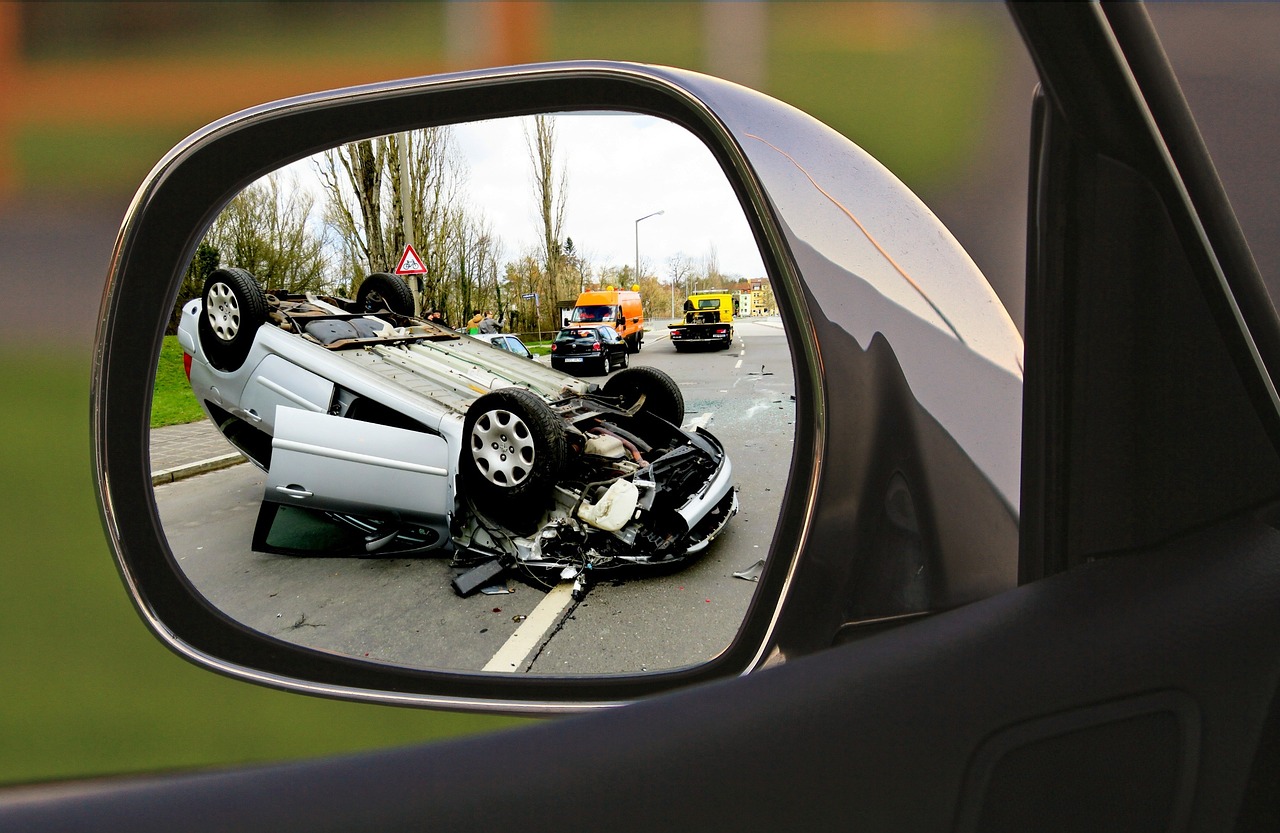
 Accidents are, unfortunately, part of life. In Arizona, vehicle accidents happen every day. In 2020 alone, there were 98,778 total crashes in the state of Arizona. While this number is lower than the number of crashes in years past, a large part of that is due to COVID-19 keeping many people at home more often than ever before.
By learning more about the facts surrounding Arizona car accident statistics, you can better understand the dangers of the road and take every precaution needed to stay safe. Knowing why accidents happen can help you to minimize the risk you face.
If you have been involved in an accident that was caused by the negligence of another party, you should consult with a car accident attorney as early on as possible. Our experienced legal team at The Law Office of Zayed Al-Sayyed are here to guide you through the legal process and ensure that you get the best possible outcome for your case.
Overview of Vehicle Crash Statistics in Arizona
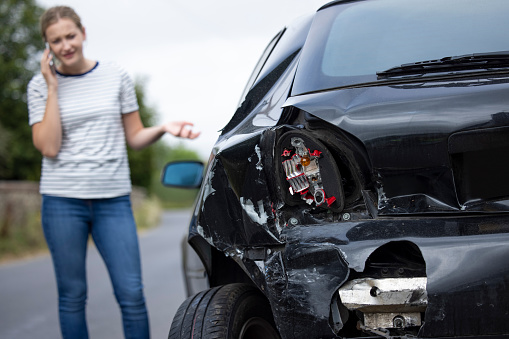 Each year, the Arizona Department of Transportation releases a comprehensive report of motor vehicle crash facts pertaining to the state. Through this report, we are able to learn a great deal about the types of accidents that take place, the impacts these accidents have, and how they can be prevented in the future.
Below is a brief overview of Arizona’s 2020 crash statistics:
- Urban – 85,244
- Rural – 13,534
- Alcohol Related – 4,506
- Pedestrian – 1,523
- Pedalcycle – 830
- Motorcycle – 2,317
- Single Vehicle – 17,766
- Multi-Vehicle – 81,012
As you can see, the majority of Arizona car accidents in 2020 took place in urban areas. This is not uncommon, as these areas have the highest populations and therefore the highest concentration of vehicles on the roads.
Crash Victim Statistics
Of the 98,778 vehicle accidents that took place in Arizona in 2020, 28,610 of them resulted in injuries and 970 resulted in fatalities. 35,155 of the total number of people injured occurred in urban crashes and 2,863 injuries were the result of an alcohol-related crash.
Alcohol continues to play a significant role in Arizona car accidents, as the statistics show us year after year. It’s important to note that alcohol is not just a prevalent cause of accidents in Arizona, but all over the country.
Here are some 2020 Arizona crash victim statistics to be aware of:
- Approximately 2.89 people were killed each day.
- Approximately 113 people were injured each day.
- 13,512 vehicle crashes involved a hit and run driver.
- Alcohol-related crashes accounted for 16.8 percent of all fatal crashes.
- 57,204 people involved in motor vehicle crashes did not have a valid driver’s license.
- Children under the age of 14 accounted for 2,104 injuries and 41 fatalities.
Fatal Accident Statistics
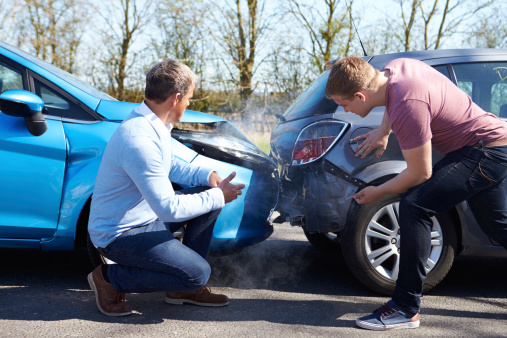 Year after year, holidays like Memorial Day, Thanksgiving, and Christmas prove to be fatal for drivers and passengers across the nation. Arizona is no exception.
In 2020, there were 11 fatal crashes on Memorial Day and 12 fatal crashes on Thanksgiving alone. Understanding the dangers of driving on holidays and the importance of driving properly at all times can help us to stay safe on the roads.
Below are some of the most notable statistics regarding fatal accidents in Arizona:
- There were 970 fatal crashes in 2020, 163 of which were alcohol-related.
- 587 fatal crashes took place in urban areas.
- 337 people were killed in speed-related crashes.
- 208 drivers involved in fatal accidents were under the influence of alcohol or drugs.
- 235 pedestrians were killed in fatal motor vehicle accidents.
- 160 people were killed in motor vehicle accidents involving motorcycles.
Types of Arizona Vehicle Accidents
As you could likely guess, alcohol and speed are two of the most significant factors in motor vehicle crashes. This is not only the case in Arizona, but all over the country. That being said, there are many other factors that come into play as well.
Below are some of the most important statistics to be aware of, regarding types of Arizona vehicle accidents in 2020:
- January was the peak month for all motor vehicle crashes.
- Friday was the peak day for all motor vehicle crashes.
- The hour between 4PM and 5PM was the peak time for all motor vehicle crashes.
- February and September were the peak months for all fatal crashes.
- Friday, February 14th (Valentine’s Day) was the peak date in 2020 for all motor vehicle crashes.
- The hour between 6PM and 7PM was the peak time for all alcohol-related motor vehicle crashes.
- Daylight was the most common time of day for accidents, accounting for 67,043 of all motor vehicle crashes.
Economic Losses from Arizona Vehicle Crashes
Many people don’t realize what an enormous impact vehicle crashes have on Arizona’s economy. Car accidents come with a tremendous cost in property damage, medical bills, and inability to work. In 2020, Arizona motor vehicle crashes accounted for $17.193 billion in total economic losses to the state.
Below are the statewide economic losses that Arizona faced in 2020 due to motor vehicle accidents:
- Fatalities – $10,057,747,147
- Suspected Serious Injuries – $1,695,536,920
- Suspected Minor Injuries – $2,443,229,556
- Possible Injuries – $2,257,534,615
- Property Damage Only – $739,034,640
Top-Rated Car Accident Attorneys in Phoenix, AZ
If you or a loved one has been involved in a motor vehicle accident in Arizona, it’s important to reach out to a licensed car accident attorney. When you work with the skilled attorneys at The Law Office of Zayed Al-Sayyed, you are guaranteed the Aggressive Compassionate Representation we are known for.
We will aggressively pursue the best achievable outcome for your case, while treating you and your loved ones with the utmost respect and compassion. Contact us today to set up a free consultation with one of our top-rated Phoenix car accident attorneys.
 por Zayed Al-Sayyed
Can a 16-Year-Old Drive with Friends in Arizona?
 One of the main perks of finally learning how to drive is being able to drive your friends around. Even the most mundane of errands can be a blast when you’re a newly licensed driver experiencing freedom and the open road for the first time ever.
This begs an important question: can a 16-year-old drive with friends in Arizona? Today, our skilled attorneys at The Law Office of Zayed Al-Sayyed will be answering that question. Whether you’re newly licensed or a seasoned driver, it’s important to understand the rules of the road.
Driver’s License Laws in Arizona
In the state of Arizona, once you graduate from a learner’s permit to a driver’s license, there is a set of restrictions you must abide by for the first six months. These restrictions are as follows:
- With some exception, you may not drive between the hours of 12 a.m. and 5 a.m.
- You are responsible for ensuring that your passengers have their seatbelt on
- Use of hand-held communication devices is strictly prohibited
- Unless your parent or legal guardian is in the passenger seat, you may only have one non-family passenger under the age of 18 in the vehicle
 For the sake of our key question ‘can a 16-year-old drive with friends in Arizona’ it’s important to pay close attention to that last item on the list. For the first six months of being a licensed driver, you may only drive with one non-family passenger under the age of 18, unless a parent or legal guardian is also with you.
So, as a 16-year-old licensed driver in Arizona, you may only drive with multiple friends after the first six months of having your license. Once you’ve gotten through those first six months without any violations, you are free to safely drive your friends around. Then, at age 18, you will be eligible to apply for your Class D driver’s license.
Penalties for Teen Driving Violations in Arizona
In the event that you get pulled over for speeding, running a stop sign or red light, or violating any of the aforementioned restrictions, you are at risk of having your driver’s license revoked. Furthermore, that six-month probationary period of restriction can be extended if you are found guilty of negligence while driving.
It is important to follow this rule regarding the number of allowed passengers as a car full of rowdy friends opens the door for distractions galore. As a new driver, it is essential that you maintain your focus on the road to ensure the safety of yourself, your passengers, and everyone else on the road.
Top Personal Injury Lawyers in Phoenix, AZ
 If you or a loved one has been involved in a car accident or gotten a ticket, the first step is to consult with a skilled Phoenix personal injury lawyer. With our dedicated team of lawyers on your case, you are guaranteed the Aggressive Compassionate Representation we are famous for.
This approach promises aggressive pursuit of the best possible outcome, as well as the utmost compassion for you and your family. Contact us today with any questions you might have or to set up a free consultation with one of our legal experts.
 por Zayed Al-Sayyed
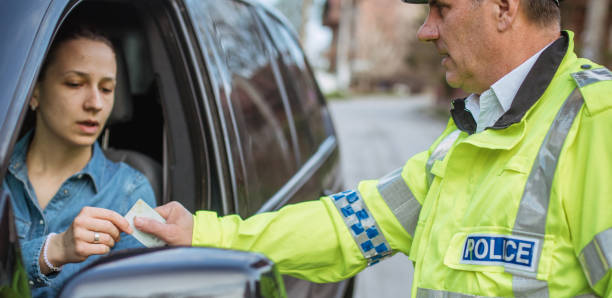
What Happens if You Get Caught Driving with a Permit By Yourself in Arizona?
 One of the first rules new drivers in Arizona learn is that you can only drive with a learner’s permit when a licensed driver over the age of 21 is with you. We get it—having a learner’s permit feels like being so close to freedom, yet so far. Still, rules are rules.
Rules like this are in place to ensure the safety of you and everyone else on the road. So, what happens if you get caught driving with a permit by yourself in Arizona? In this easy-to-read article, the skilled personal injury lawyers at The Law Office of Zayed Al-Sayyed are answering that very question.
Driving Without a License in Arizona
Oftentimes, the term “driving without a license” is attributed to individuals who own a driver’s license, but simply forgot it at home. However, this term also applies to you if you’re driving with a learner’s permit by yourself in Arizona. It also holds a more severe penalty for you, as opposed to those who own a license but left it at home.
If you have a license but simply didn’t have it on your person at the time of getting pulled over, there’s typically a small fine and a court date to prove to the judge that you are a licensed driver. On the other hand, if you have not yet been issued a driver’s license by the Arizona MVD, then the charge is considered a class 2 misdemeanor.
Consequences of Driving Without a License in Arizona
A quick ride to the store with only a learner’s permit may seem like an innocent enough offense, but the weight of a class 2 misdemeanor is heavier than many people realize. The potential consequences of being caught driving with a permit by yourself in Arizona include:
- Up to 4 months in jail
- Up to 2 years of probation
- As much as $750 in fines
- Community service
 The Importance of Driving with a Licensed Driver
If you’re a teenager with a brand new learner’s permit, having to ride with a 21-year-old may feel a lot like you’ve got a babysitter riding shotgun. The reality is that driving with a licensed driver in the car is an integral part of learning how to drive.
They are there to coach you through proper driving practices, highlight any errors for correction, and help you ultimately become a better driver. In the event of a mishap, this accompanying driver should be prepared to intervene and take control of the vehicle to avoid a potential accident.
Top Personal Injury Attorneys in Phoenix, AZ
 When you seek out The Law Office of Zayed Al-Sayyed to handle your traffic violation or car accident case, you are guaranteed the Aggressive Compassionate Representation our past clients know and love us for. This approach promises aggressive pursuit of the highest possible settlement, along with the deepest compassion for you and your family.
If you or a loved one is in need of a personal injury attorney in Phoenix, contact us today to set up a free consultation with one of our skilled legal professionals.
