


 por Zayed Al-Sayyed
¿Qué pruebas se necesitan en una reclamación por accidente de camión?
Evidence in a truck accident claim typically includes records from the trucking company, data from the vehicle’s “black box,” the official police report, and information gathered by your legal team from the accident scene. Because these cases are often complex, a comprehensive investigation is needed to prove negligence.
Key types of evidence in a truck accident claim:
 From the accident scene
- Police report: This official document contains details from the responding officer, such as initial observations, citations issued, and statements from witnesses.
- Photographs and videos: Visual documentation of the accident scene, vehicle damage, skid marks, road conditions, and any potential injuries is crucial.
- Eyewitness statements: Accounts from people who saw the accident can corroborate your version of events.
From the truck and trucking company
- Electronic Logging Device (ELD) data: Known as the “black box,” this records information about the truck’s operation, including speed, braking, steering, and engine hours. It is vital for proving hours-of-service violations or driver fatigue.
- Driver’s Qualification File (DQF): Required by the Federal Motor Carrier Safety Administration (FMCSA), this file contains records on the driver’s qualifications, training, driving history, and medical certifications.
- Maintenance and inspection records: These logs show whether the truck was properly maintained, which can prove that a mechanical failure contributed to the crash.
- Cargo and loading manifests: These documents provide details on what the truck was carrying and how it was loaded, which is important if improper loading is suspected.
- Drug and alcohol test results: Records of post-accident tests are essential for proving if impairment was a factor.

From accident victims
- Medical records: Documentation of injuries, treatments, prognoses, and expenses are necessary to prove the extent of your damages.
- Personal journals: A record of your pain and suffering, as well as the impact of the injuries on your daily life, can provide valuable evidence for your claim.
- Documentation of professional damages: Employment records, pay stubs, and tax returns can be used to prove lost wages and diminished earning capacity.
From expert analysis
- Accident reconstructionists: These experts use physical and digital evidence to scientifically recreate the accident and determine the sequence of events.
- Medical experts: A medical expert can explain ho
- w the crash caused your injuries and the long-term impact on your health.
- Economic experts: For long-term or severe injuries, an economist can calculate future financial losses.
The importance of acting quickly
Trucking companies have rapid response teams that quickly collect and control evidence after a crash. An experienced attorney can issue a spoliation letter to legally compel the trucking company to preserve critical evidence, like black box data and driver logs, that they are only required to retain for a limited time.
 por Zayed Al-Sayyed
Cómo pagar a un abogado defensor penalista
Are you facing criminal charges? Whether your charges are severe, like a felony, or minor, like a misdemeanor, it’s important to have a criminal defense attorney advocating on your behalf. With uncertainty in your case and financial situation, this can leave you wondering how to pay for a criminal defense attorney.
It’s no secret that criminal defense attorney fees can be high, especially depending on the complexity of your case. In this article, we’ll cover how to pay for a criminal defense attorney, including the factors that impact attorney costs and how to select the right attorney for your case.
Factors That Impact Criminal Defense Attorney Costs
 The average cost for a criminal defense attorney can range from $2,500 to $8,000, depending on the crime. However, cases that require more work can easily reach upwards of $10,000. This can translate to an hourly cost between $100 and $400 per hour.
There are a few different factors that can impact the cost of a criminal defense attorney. For one, the geographic location of your attorney will influence price. A New York attorney will cost more than an attorney in rural Wisconsin. Keeping your location in mind will be important.
Another factor that influences the cost of a criminal defense attorney is the attorney’s experience. An attorney with a decade of experience will charge more compared to an attorney who has just passed the bar exam.
Cómo pagar a un abogado defensor penalista
 Most attorneys offer initial consultations free of charge. This meeting helps your attorney determine if they have the expertise and availability to take on your case. If the attorney decides to move forward, they will often charge a retainer fee. This is an upfront fee to begin working on your case. In addition, you will incur bills for hours spent working on your case.
The methods you have to pay for a criminal defense attorney depend on the attorney you work with. Some attorneys will create payment plans, such as with monthly installments, while others may request upfront billing. Additionally, some attorneys will collect payment after trial. Understanding the payment method your attorney requires before signing is important. You don’t want to be switching attorneys halfway through a trial.
How to Select the Right Criminal Defense Attorney
While cost is an important factor when selecting a criminal defense attorney, it isn’t the only factor that should be considered. Instead, the experience, availability, and credentials of your attorney need to be factored into your decision. More serious crimes require a higher level of expertise. Working with the wrong attorney could be detrimental and lead to a less-than-favorable outcome. Similarly, your attorney should be licensed in the state where your case is being heard.
Attorney fees and payment structures are highly individualized, which is why it’s important to request a quote before signing for representation. To get your free quote, reach out to our team at The Law Office of Zayed Al-Sayyed today. We want to be your trusted criminal defense attorney.
 por Zayed Al-Sayyed
¿Cuánto cuesta un abogado penalista?
How much does a criminal lawyer cost? Are criminal lawyers worth the fees they charge? If you’re in legal trouble, you might have started your search for a criminal lawyer. In this article, we’ll cover how much a criminal lawyer costs, including the different types of fees you might encounter.
¿Cuánto cuesta un abogado penalista?
The cost of a criminal lawyer depends on the type of charges, the complexity of the case, and the experience of the lawyer. On average, expect to spend $5,000 to $10,000 on a criminal lawyer. This baseline estimate can increase depending on your charges. For example, a felony trial will cost more compared to work on a misdemeanor charge.
Types of Criminal Lawyer Costs
 There are a few different types of criminal lawyer costs that factor into the overall price. First is the lawyer’s hourly rate. Criminal defense attorneys usually bill by the hour. For example, if their hourly rate is $250 and they work on your case for four hours, expect to receive a $1,000 bill. The experience of your lawyer will dictate their hourly rate.
Another fee that you might incur is a retainer fee. A retainer fee is an initial payment that goes toward future legal services. Many lawyers request a retainer before they start working on your case. This gives your lawyer resources to start work and can give you some control over your spending.
Other miscellaneous charges during the process are also common. This can include court filing fees, document fees, costs for expert witnesses, and investigation costs. Your lawyer will likely defer these costs to you unless they are built into your contract.
Some criminal lawyers charge a flat fee that covers all services for your case. This is common in simpler cases where the amount of work is predictable. Before you agree to a flat fee, inquire about any additional costs and if the budgeted hours are enough to give your case an effective representation.
Is a Criminal Lawyer Worth the Price?
 Yes, criminal lawyers are worth the price. Criminal lawyers have a deep understanding of the rules and regulations surrounding your case. This helps you achieve the best outcome for your case. For example, a simple charge, like a traffic violation, can cause points off your driving record and come with stiff fines. A criminal lawyer can work with the court to get these items reduced.
In more serious cases, like felony charges, a criminal lawyer is non-negotiable. The punishments for felony charges can be severe, including jail time. A criminal lawyer can go through the facts of your case and advocate on your behalf. A strong defense is always worth the price.
Are you facing criminal charges? If so, it’s important to contact our team at The Law Office of Zayed Al-Sayyed right away. We have honest and transparent billing practices designed to give you control of your criminal lawyer costs. Reach out to one of our team members today to schedule your free consultation.
 por Zayed Al-Sayyed
How Do I Find the Best Criminal Lawyer?
How do I find the best criminal lawyer? Is it okay to go with the cheapest option? Whether you’re facing legal charges or bringing them against another party, having the proper representation can be a determining factor in your case.
This can leave you wondering how to find the best criminal lawyer for your case. In this article, we’ll cover different factors you should evaluate to find the best criminal lawyer. Remember, no two cases are the same. If you’re looking for specific advice related to your situation, contact our team at The Law Office of Zayed Al-Sayyed today.
Clear Communication
 The best criminal lawyer has clear communication from the start. When handling criminal charges, time is of the essence. You don’t want to be waiting weeks for a response. Instead, your criminal lawyer should have quick, clear communication from the initial point of contact. A criminal lawyer who takes days to respond to your initial inquiry should be avoided.
Specialization in Criminal Law
Lawyers can specialize in different areas, from family law to traffic violations. The best lawyer will have experience working in criminal law. Inquire about past cases your lawyer has handled and the outcome. If the lawyer doesn’t have any past cases in criminal law or any relevant information on their website, look elsewhere.
Verifiable Reputation
 If your case is local, a lawyer with a strong local reputation is important. They can find out important details about your case and ensure fluid communication between all parties involved. Moreover, it’s important to verify the authenticity of your lawyer. Check the state bar association to verify that their license is valid and active and read through past client testimonials. Any red flags should be explored.
Clear Fee Structure
The best lawyer isn’t always the cheapest option, but they are the most transparent. It’s not uncommon for a lawyer to tell clients one price but bill another. The right lawyer will have a strong track record of honest and upfront billing policies. This might include an estimate for their services before signing with them or a flat fee structure based on the outcome of your case. You don’t want to be blindsided by an unexpected bill.
Enthusiastic Personality
While dealing with criminal charges can be scary or even depressing, the right lawyer will be eager to learn more about the details of your case. An eagerness to take on your case often translates to more thorough due diligence and clear communication. The best lawyer will be ready and willing to take on your case. If you have any doubts about the lawyer’s availability, find another professional.
It can seem difficult to choose the right criminal lawyer. After all, the lawyer you choose will play a direct role in the outcome of your case. Reach out to our team at The Law Office of Zayed Al-Sayyed today to learn more about our team and the services we offer. We want to help you secure the best outcome possible for your criminal case.
 por Zayed Al-Sayyed
Facing Drug Charges in Arizona? Here’s How an Attorney Can Help
Arizona’s drug laws are among the strictest in the country. From mandatory minimums to felony classifications for even small amounts of controlled substances, being charged with a drug crime in this state can carry serious and lasting consequences. If you’re facing charges in Phoenix, Scottsdale, or elsewhere in Arizona, hiring an experienced Arizona drug charge attorney may be the single most important decision you make.
Whether you’re accused of simple possession, intent to sell, or trafficking, your future is at stake. The guidance of a skilled attorney can help reduce penalties, challenge unlawful police procedures, and potentially keep a conviction off your record. In this article, we’ll explore the nature of drug charges in Arizona, how the legal process works, and how your attorney can defend your rights while also protecting your immigration status, career, and reputation.
Understanding Arizona’s Drug Laws
Drug crimes in Arizona are prosecuted aggressively. The state classifies substances into different categories: dangerous drugs (such as methamphetamine, LSD, MDMA), narcotic drugs (heroin, cocaine, fentanyl), and marijuana (now partially legal for adult use). Even possessing drug paraphernalia, like a pipe or baggie, can lead to criminal charges.
Charges are based on:
- The type of drug
- The quantity in your possession
- Whether you intended to use, share, or sell the substance
- Whether it’s your first offense or you have a prior record
Possession of even a small amount of narcotics or dangerous drugs can lead to felony charges. And if you’re arrested with amounts above a certain “threshold,” prosecutors may presume you intended to sell or distribute, even if that wasn’t the case.
Benefits of Hiring an Arizona Drug Charge Attorney
If you’re facing drug charges, a qualified drug possession lawyer can significantly improve your legal position and chances of a favorable outcome. Here’s how they can help:
1. Deep Knowledge of State Drug Laws
Arizona’s laws differ from other states, and drug offenses are often tied to complex legal language. A seasoned attorney understands state-specific statutes, such as those concerning AZ sentencing laws, drug diversion programs, and pre-trial motions that could suppress key evidence.
2. Immediate Case Evaluation and Legal Strategy
A good attorney begins with a comprehensive review of your case. Were your rights violated during a search or traffic stop? Was the evidence legally obtained? Was your arrest lawful? These questions are critical to developing a strong legal defense.
Attorneys can file early motions to suppress evidence or challenge the chain of custody for seized substances. If law enforcement failed to follow proper procedures, parts, or even all of the prosecution’s case could be dismissed.
3. Custom Defense Plan
Every drug case is different. Your attorney will examine the facts to build a customized strategy. For example, if you were found in a car with drugs that didn’t belong to you, your lawyer might challenge the concept of “constructive possession.” If the lab testing was flawed, they could dispute the accuracy of the charges.
This personalized strategy could result in reduced charges, a plea bargain, or even a case dismissal.
4. Avoiding or Minimizing Jail Time
Arizona does offer some alternatives to incarceration, especially for first-time offenders. Your attorney can negotiate for diversion programs, such as drug education, community service, or probation instead of jail. In some cases, they may help you avoid a felony conviction entirely.
5. Protecting Your Criminal Record
Your criminal record can follow you for years, affecting your ability to get a job, secure housing, or even volunteer at your child’s school. A good attorney will work to keep your record clean or ensure that any charges are eligible for later dismissal or expungement under new marijuana laws or via set-aside options.
6. Assistance With Expungement Processes
Arizona allows expungement of marijuana-related convictions under Proposition 207. For other drug charges, your attorney at Al Sayyed Law may help you seek a “set-aside,” which clears many civil penalties and indicates that you’ve completed all sentencing requirements.
An experienced attorney will guide you through the eligibility criteria, gather the necessary documents, and submit petitions to the court on your behalf.
7. Coordinating Immigration Defense
If you’re a permanent resident, visa holder, DACA recipient, or undocumented immigrant, drug charges may carry immigration consequences, including deportation or denial of citizenship. A seasoned drug charge attorney will work closely with a Phoenix immigration lawyer or immigration lawyers in Arizona to structure your defense in a way that protects your legal status.
They may negotiate charges for lesser offenses that don’t trigger immigration penalties or delay proceedings until an immigration-safe resolution is reached.
Arizona Sentencing Laws: What You Should Know
Sentencing in Arizona depends on the type and quantity of the drug, prior convictions, and whether the case involved sale, trafficking, or possession. While some simple possession cases may qualify for probation, others, especially those involving narcotics or dangerous drugs, carry mandatory prison time.
Prosecutors often try to apply the harshest classification possible. For example:
- Possession of meth or heroin may be charged as a Class 4 felony
- Possession for sale (based on quantity) can be charged as a Class 2 felony
- Even paraphernalia possession can result in a Class 6 felony if tied to more serious offenses
Having an attorney negotiate sentencing terms can lead to better outcomes, including reduced charges, deferred judgments, or probation.
Diversion and Drug Court Programs
Arizona offers several drug diversion programs and drug court tracks, especially for non-violent, first-time offenders. These programs focus on treatment and rehabilitation instead of punishment.
Your attorney can help you access:
- TASC (Treatment Assessment Screening Center) programs
- Adult or Juvenile Drug Court
- Pre-trial diversion options
- Deferred prosecution agreements
Completion of these programs may result in your charges being reduced or dismissed, allowing you to avoid jail and a permanent criminal record.
Set-Aside vs. Expungement in Arizona
While Arizona doesn’t allow full expungement for most offenses, it does offer legal relief in the form of “set-aside” convictions and marijuana expungement under Proposition 207.
Marijuana Expungement (Prop 207):
If you were previously convicted of marijuana possession, transport, or paraphernalia (involving less than 2.5 oz), you may be eligible to have the conviction fully expunged.
Set-Aside Relief:
For other types of drug convictions, Arizona law allows the court to “set aside” a judgment after sentencing and probation have been completed. This legal motion removes many civil restrictions associated with the conviction and can help with employment, housing, and firearm rights.
A qualified Arizona drug charge attorney will help you assess eligibility, file the paperwork, and present your case in court to maximize the chance of relief.
Culturally Competent Legal Representation
Clients from diverse communities often seek attorneys who understand their culture, faith, and language. In Arizona, many individuals prefer working with a:
- Muslim lawyer Phoenix
- Arabic lawyer near me
- Best Arabic attorney
- Arabic accident lawyer
Choosing a lawyer who understands your background can make communication easier and provide much-needed comfort during a stressful legal process. Whether your concerns are criminal, immigration-related, or involve personal injury, these professionals offer personalized support that respects your cultural values.
Drug Charges and Related Legal Issues
Many clients facing drug charges also have related legal concerns. These may arise from the same arrest or during a police investigation. If you’re also dealing with injury, accident, or immigration complications, it helps to have a law firm that handles multiple areas of practice.
You may benefit from consulting:
- Phoenix personal injury lawyer – if your case involves harm or liability
- Best personal injury lawyer Phoenix – for wrongful injury protection
- Car accident lawyer Phoenix – if drugs were found after a traffic stop
- Phoenix truck accident lawyer
- Phoenix motorcycle accident attorney
- Pedestrian accident lawyer
- DUI attorney Phoenix – if drug charges stemmed from a DUI stop
- Immigration lawyer Phoenix – to protect visa, asylum, or green card status
A multidisciplinary team of accident lawyers in Phoenix, criminal defense lawyers, and immigration attorneys provides seamless legal protection. Contact us today to schedule a consultation and get the expert legal support you need.
Final Thoughts
If you’re facing drug charges in Arizona, don’t wait. Whether it’s a small possession charge or a serious felony, you deserve strong legal representation. A trusted Arizona drug charge attorney will protect your rights, explore alternatives to jail, and fight to minimize the long-term effects of a criminal record.
And if you’re navigating immigration concerns, injuries, or cultural sensitivities, working with a Muslim lawyer, Arabic attorney, or multi-practice law firm in Phoenix ensures you receive support tailored to your needs.
Frequently Asked Questions
Can drug charges in Arizona be dismissed?
Yes. Especially for first-time offenses, technical errors in arrest, or when diversion programs are available. An attorney may also uncover illegal search procedures or unreliable evidence.
What is the difference between set-aside and expungement?
Expungement erases the conviction; set-aside marks it as dismissed but keeps it visible. Both provide legal benefits, but only marijuana convictions currently qualify for full expungement in Arizona.
What’s the punishment for a first-time drug possession charge?
It varies, but first-timers often qualify for probation or diversion. However, drug type matters; a small amount of marijuana may receive leniency, while narcotics or meth may still be charged as felonies.
Will a drug conviction affect my immigration status?
Yes. Many drug convictions are considered “crimes involving moral turpitude” or aggravated felonies under immigration law. You need a lawyer familiar with both criminal and immigration law to protect your residency.
Do I need a lawyer if it’s “just possession”?
Absolutely. Even a minor drug charge can leave a lasting criminal record, trigger license suspension, or affect your job. Legal representation ensures the best possible outcome.
 por Zayed Al-Sayyed
What to do immediately after a car accident
Car accidents are traumatic, chaotic, and often life-changing events. In just a matter of seconds, your entire day—or even your life—can be turned upside down. Whether you’ve been rear-ended at a stoplight, t-boned at an intersection, or sideswiped during rush hour traffic, the immediate aftermath can be overwhelming and disorienting.
In these high-stress moments, your adrenaline may be pumping, and your mind may be racing with confusion, fear, or anger. That’s why it’s critical to have a clear understanding of what steps to take right after a car accident.
Acting quickly and correctly not only ensures your physical safety and well-being, but it also helps you protect your legal rights and maximize any future insurance claims or compensation you may be entitled to.
At Alsayyed Law, we help Phoenix accident victims navigate the chaos with clarity and confidence. Too often, people make common post-accident mistakes—such as admitting fault at the scene, skipping medical evaluation, or failing to document the incident properly—which can seriously impact their ability to recover damages later.
By knowing what to do and what not to do, you put yourself in the best possible position to handle the situation smartly and confidently.
In this guide, we’ll break down the essential steps to take immediately after a car accident—from ensuring safety and calling 911, to gathering evidence, seeking medical care, and notifying your insurance company. Whether the accident was minor or severe, following these steps can make a significant difference in protecting your interests.
1. Ensure Safety First
In the aftermath of a car accident, safety must be your top priority—for yourself, your passengers, and others on the road. The moments following a crash can be confusing, but staying calm and taking the right steps can prevent further harm and help you regain control of the situation.
Check for Injuries
The first thing you should do is assess whether anyone is injured. Check yourself, your passengers, and others involved in the accident. Some injuries—such as whiplash, internal bleeding, or concussions—may not show symptoms right away, so it’s important not to assume everyone is okay just because they’re able to walk or talk.
- If someone is seriously injured, do not try to move them unless there’s an immediate danger (like fire or oncoming traffic).
- Provide basic first aid if you’re able, but avoid actions that could worsen injuries.
Move to a Safe Location (If Possible)
If your vehicle is creating a hazard (such as blocking traffic or sitting in a dangerous intersection) and it’s safe to do so:
- Turn on your hazard lights to alert other drivers.
- Carefully move your vehicle to the side of the road or shoulder.
- If you can’t move the vehicle, stay inside with your seatbelt fastened and wait for help.
Remember: Never leave the scene of an accident, even if it seems minor
2. Report the Accident to Law Enforcement
After a car accident, it’s important to notify your auto insurance provider as soon as possible, even if you believe the other driver was at fault. Most insurance policies require timely reporting in order to begin processing a claim.
When speaking with your insurer, be clear, accurate, and calm. Provide only the facts about what happened, including details like the date, time, location, and any damage or injuries. Avoid guessing or offering opinions about who was responsible. You should never admit fault, even casually, as liability will be determined after a full investigation.
Once the claim is filed, the insurance company will assign a claim number and a claims adjuster to handle your case. Be sure to write down this information, as you’ll need it for all future communications.
Reporting your accident quickly, while being honest and cautious, is key to protecting your rights and ensuring your insurance claim proceeds smoothly.
3. Document the Scene Like a Pro
In the aftermath of an accident, your smartphone becomes one of your most powerful tools for gathering important evidence. Taking thorough photos and videos of the accident scene can make a big difference when proving what happened and supporting your injury or insurance claim.
Start by capturing clear images of the damage to all vehicles involved. This helps show the extent and location of impact, which is crucial for establishing fault and assessing damages. Don’t stop at the cars—photograph any visible injuries to yourself or others as soon as possible. These images provide visual proof of the harm caused by the accident.
Next, document the surrounding environment carefully. Take pictures of road signs, traffic signals, and any skid marks on the pavement. These details help reconstruct how the accident occurred and whether traffic laws or signals played a role. Also, capture the weather and lighting conditions at the time—such as rain, fog, or glare from the sun—because these factors can affect driving conditions and liability.
Make sure to photograph license plates and every vehicle involved in the accident, even those not immediately damaged but present at the scene. This will help identify all parties involved.
4. Notify Your Insurance Company
After an accident, it’s important to inform your insurance company as soon as you can. Prompt reporting helps ensure your claim is processed quickly and avoids any issues with coverage. When you contact your insurer, be honest about what happened but also be careful with how you share information.
Focus on providing clear and accurate facts about the accident, such as the time, location, and the basic details of what occurred. Avoid admitting fault or making any statements that suggest you were responsible, as liability will be determined through investigation and evidence. If you need legal assistance, criminal lawyers in Phoenix, AZ like Criminal lawyers in Phoenix, AZ are available to provide expert guidance and protect your interests.
Once you’ve reported the accident, ask for your claim number and the contact information of the insurance adjuster assigned to your case. This will be important for tracking the progress of your claim and communicating with the company.
By reporting the accident promptly and carefully, you help protect your rights and make the claims process smoother.
5. Get Immediate Medical Attention
After an accident, it’s essential to seek medical care right away—even if you feel fine initially. Many injuries, such as whiplash, internal trauma, or concussions, may not show obvious symptoms immediately and can take hours or even days to develop. Delaying medical evaluation could put your health at risk and also weaken your legal case later on.
When you visit urgent care or the emergency room, make sure to follow all the doctor’s instructions carefully. This includes attending any recommended follow-up appointments or seeing specialists if advised. Consistently following medical advice not only helps your recovery but also strengthens your personal injury claim.
6. Track Medical Costs & Keep a Recovery Journal
Accurate documentation will help you receive full compensation. Start a folder with:
- Medical bills and prescriptions
- Receipts for therapy or rehab
- Lost wage records
- Pain journal entries describing symptoms, emotional stress, and daily impact
Your story, backed by facts, creates a compelling claim for damages.
7. Stay Off Social Media
Don’t give insurance companies ammo. Avoid posting photos, updates, or commentary about the accident, your injuries, or your activities. What you say online can be twisted and used to deny or reduce your claim.
An Arabic accident lawyer recommends total digital silence about your case until it’s resolved.
8. Call a Trusted Phoenix Car Accident Attorney
Dealing with insurers alone puts you at risk of lowball settlements. At Alsayyed Law, we:
- Fight for maximum compensation
- Handle paperwork and legal deadlines
- Deal with pushy adjusters
- Build your case with expert support
We offer free consultations and no fees unless we win. Your recovery is our priority.
9. Understand Your Insurance Coverage Options
You may be entitled to compensation through:
- MedPay or PIP (your policy)
- UM/UIM (for uninsured/underinsured drivers)
- The at-fault driver’s liability insurance
We help you explore every available channel to recover medical expenses, lost income, and pain and suffering.
10. Stay Organized for the Long Road Ahead
The weeks after an accident matter just as much as the moments after. Keep your recovery on track:
- Follow your treatment plan
- Attend all legal meetings
- Maintain organized files
- Stay in close contact with your attorney
Let Alsayyed Law manage the legal stress so you can focus on healing.
Conclusion
In the aftermath of a car accident, every decision counts. The actions you take immediately can shape your physical recovery, financial stability, and legal outcome. From seeking medical care to documenting the scene and securing professional representation, each step ensures you’re not only healing, but protected. Schedule your consultation today. Let’s take the next step—together.
At Alsayyed Law, we bring experience, empathy, and relentless advocacy to every case we handle. Don’t navigate this journey alone. Let our team be your partner in seeking the justice and compensation you deserve. Schedule your consultation today. Let’s take the next step—together.
Frequently Asked Questions (FAQs)
Do I really need a lawyer if it was just a small crash?
Even minor accidents can lead to hidden injuries or unexpected expenses. Having a lawyer ensures your rights are protected and you’re not taken advantage of by insurance companies.
What if I didn’t see a doctor right after the accident?
It’s still important to seek medical attention as soon as possible. Be honest about the delay; medical documentation, even if not immediate, can still support your claim.
Can I still take legal action if the other driver was uninsured?
Yes. We can look into your uninsured/underinsured motorist (UM/UIM) coverage and explore other possible recovery options.
How much is my personal injury claim worth?
Every case is different. At Alsayyed Law, we consider your injuries, medical costs, lost wages, and emotional distress to determine a fair and realistic settlement value.
Is it too late to file a claim?
In Arizona, you typically have two years from the date of the accident to file a claim. Don’t wait. Reach out now to protect your legal options.
 por Zayed Al-Sayyed
Arizona Car Seat Laws 2025

What are the Arizona car seat laws in 2025? At what age can you move a child out of a car seat? Arizona has strict seat belt laws that look to reduce the number of fatal accidents. In this article, we’ll cover Arizona seat belt laws, including the specifics of car seat laws and which passengers are required to be buckled in.
Arizona Car Seat Laws 2025
The car seat laws in Arizona are clear. According to ARS 28-907, all children under eight years old must have an appropriate car seat or booster seat. In addition, children under the age of four must remain in a rear-facing car seat.
 There are some exceptions to the above rules depending on your child’s age and weight. Infants and toddlers under the age of two must remain rear-facing until they meet weight and height limits. Children ages two to four must remain in a restraint system until they exceed the weight limit. Children between the ages of four and eight must use a booster seat until they are old enough to fit into a seat belt properly.
Failure to abide by these regulations can come with serious fines and penalties. Violating the above guidelines results in a civil penalty of $50. When selecting your car seat, it’s important to follow the manufacturing guidelines, including weight and height restrictions.
Arizona Seat Belt Laws
Arizona also has seat belt laws that motorists must abide by. The Arizona Department of Transportation requires that passengers under the age of 16 must wear a seat belt, even if they are not driving the vehicle. Drivers are required to make sure all passengers under the age of 16 are properly wearing their seat belts.
 Adults in the front seat must also wear a seat belt, regardless of age. However, passengers over the age of 16 who are sitting in the rear of the vehicle aren’t required by law to wear a seat belt. If you have a medical exemption, you may not be required to wear a seat belt. If this situation applies to you, you should carry a doctor’s note with you at all times.
Like car seat infractions, failure to wear a seat belt can also come with fines and penalties. The penalty for violating Arizona seat belt laws comes with a $10 fine. This fine applies to everyone in the vehicle who should have been wearing a seat belt. For example, if you have three passengers who are required to wear a seat belt, your fine would be $30.
Summary
 Following Arizona seat belt laws is important, especially if you are traveling with children. If you are pulled over for violating seat belt laws, it’s important to know your rights. Be sure all passengers are following the necessary seat belt laws and that your children are facing the right direction in their car seats based on their age and weight.
If you’ve received a fine or penalty related to a seat belt violation, reach out to our team at The Law Office of Zayed Al-Sayyed today.
 por Zayed Al-Sayyed
Are Lawyers Allowed to Wear Hijab?
 Are lawyers allowed to wear hijab? What is the dress code in the courtroom? Do these laws vary by jurisdiction? Understanding the legality of religious coverings is important, regardless of whether you are a sitting judge, pursuing a law degree, or have an upcoming case. In this article, we’ll explore how the courts view hijab and the role of the court in determining appearances.
Are Lawyers Allowed to Wear Hijab?
 Yes, lawyers are allowed to wear hijab. The Supreme Court ruled that courts cannot enforce blanket removal policies based on a judge’s demeanor or veracity, to identify witnesses, to identify and avert bias, or to compel accountability. A judge can request lawyers to remove a hijab for a reasonable reason; however, most courts will protect an individual’s religious freedom.
Arizona has no specific laws preventing lawyers from wearing hijab. However, each court and judge may have differing rules and regulations that follow the Supreme Court’s ruling. Remember, the First Amendment of the Constitution protects religious freedoms, which includes religious attire and preferences.
What is the Role of the Court in Determining Appearances?
 The Supreme Court gives judges the ability to exercise “reasonable control” over the appearances in the courtroom. Most jurisdictions require lawyers to dress professionally to ensure decorum in the judicial process. There is no formal dress code, but lawyers may be asked to adjust their attire if deemed inappropriate.
Although there are no formal rules or regulations surrounding hijab color in the courtroom, industry practices suggest wearing a neutral color. Certain patterns and colors could cause distractions in the courtroom, which could result in the judge asking you to change.
Summary
Religious freedom protects lawyers’ rights to wear hijab in the courtroom. However, there are no blanket rules or regulations in place regarding hijab. Each court and judge will have the ability to express professional judgment when determining reasonable appearances. For more information about lawyer regulations and important legislation changes, check out our other posts.
 por Zayed Al-Sayyed
What is the Gun Law in Arizona?
What is the gun law in Arizona? Are you considering purchasing a weapon? Arizona is one of the few states that allows residents to conceal carry a weapon without a permit. However, there are important restrictions to be aware of. Failure to abide by these regulations can result in serious fines and penalties.
In this article, we’ll explore Arizona’s gun laws in more detail, including examples of illegal firearm use and potential consequences for breaking Arizona laws.
What is the Gun Law in Arizona?
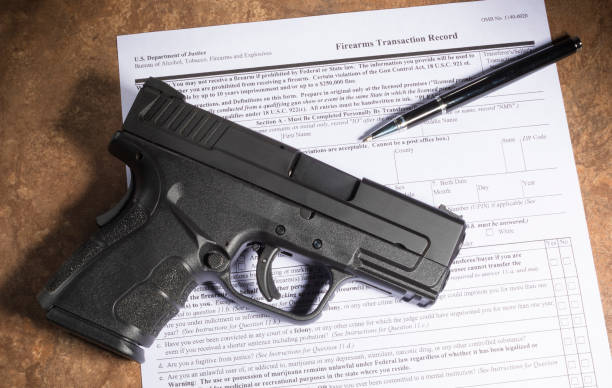 Arizona allows residents to carry a concealed weapon without a permit. In addition, Arizona doesn’t require people to register guns purchased within the state or share identifying information. This applies to the ownership, purchase, sale, and transfer of firearms, including shotguns, rifles, and handguns. Anyone who is over the age of 18 can legally own a firearm.
Additionally, firearms are permitted in your vehicle if you are at least 21 years old. If you are between the age of 18 and 20 years old, you are not permitted to have a firearm in your vehicle. It’s important to note the difference in legislation without a permit. Individuals carrying a firearm without a permit must still comply with law enforcement demands after an officer has initiated an investigation, such as a traffic stop.
Examples of Illegal Firearm Use in Arizona

Even though Arizona allows residents to carry concealed weapons with no permit, there are still restrictions to be aware of. First, you cannot carry a firearm in a restricted area, such as airports, polling stations, school grounds, and certain retail stores. Bringing a firearm on school property is a class 6 felony, with up to one and a half years in prison.
Penalties for Illegal Firearm Possession in Arizona
Illegal possession of a firearm can come with serious fines and penalties in Arizona. For one, providing a firearm to someone with a known gang conviction is considered a class 3 felony. Similarly, possession of a firearm as a prohibited possessor is a class 4 felony, which can come with up to three years of prison time. Giving a firearm or ammunition to a minor can also come with consequences.
Many of the fines and penalties for illegal firearm possession depend on the type of offense. For example, discharging a firearm in a structure can result in 21 years in prison, while concealing a firearm as a minor is considered a misdemeanor with up to $500 in fines. Firearm rules and regulations can also differ by Arizona jurisdiction, making it important to verify the laws of your ordinance.
Summary
If you’ve been charged with a firearm violation, it’s important to reach out to a qualified lawyer right away. Our team at The Law Office of Zayed Al-Sayyed can help sort through the facts of your case, suggesting strategies and solutions to solve your firearm charges. Reach out today to schedule your free consultation.
 por Zayed Al-Sayyed
What Happens If You Get into a Car Accident Without Insurance in Arizona?
What happens if you get into a car accident without insurance in Arizona? Do fines and penalties differ if you are at fault without insurance? Arizona has minimum insurance requirements for drivers. Not having the proper coverage can lead to some serious side effects, which is what we’ll discuss in this article.
Arizona’s Car Insurance Laws
Starting on July 1, 2020, all individuals driving on Arizona roadways must carry minimum insurance. This includes $25,000 of coverage for one person’s bodily injury or death in an accident and $50,000 for two or more persons. In addition, drivers must have $15,000 in insurance coverage for property damage.
Additionally, you can take out uninsured motorist and underinsured motorist coverage. These policies pay a portion of your medical bills or property damage when the other party does not have coverage. This type of policy is optional in Arizona.
The Repercussions of Driving Without Insurance
Driving without insurance can come with serious fines, penalties, and license suspension. Here’s what to expect per offense for driving without insurance:

- First Offense – The first offense will come with a $500 fine. In addition to the fine, Arizona may suspend your license, registration, and plates for up to three months.
- Second Offense – If you are caught driving without insurance for a second time within a three-year period, the fine increases to $750. Additionally, your license, registration, and plates will be suspended for six months.
- Third Offense – After three or more offenses within a three-year period, the fine increases to $1,000. Your driver’s license, registration, and plates will be suspended for one year.
With each of these offenses, you may also be required to obtain an SR-22 certificate. This document shows that you have the minimum insurance coverage according to Arizona law.
What Happens If You Get into a Car Accident Without Insurance in Arizona?
The above fines and penalties are increased when you are involved in an accident without insurance. First, the fines and penalties will apply regardless of who is at fault. For example, if someone hits your car and you don’t have insurance, you will be required to pay a minimum fine and your license might be suspended.
If the accident is your fault, you won’t have any insurance coverage to pay for damages. This means you will need to pay for these costs out of pocket. Additionally, any lawsuits brought against you will be your financial responsibility. Driving without insurance also makes it difficult to recover any type of compensation from the accident, even if you aren’t at fault.
Summary
Driving without insurance can have serious repercussions, especially if you were the at-fault party. Even if you had the proper insurance coverage, the other party’s lack of insurance can cause delays and headaches. Instead of trying to navigate the next steps after an accident without insurance on your own, contact our Phoenix car accident attorneys at The Law Office of Zayed Al-Sayyed. We can help you sort through your case to maximize your compensation.
