

 por Zayed Al-Sayyed
What Is the Riskiest Places for Bicyclists in Arizona? Dangerous Roads, Crash Statistics & Your Legal Rights
Arizona is one of the best states for year-round cycling thanks to its warm climate and extensive network of roadways and recreational paths. However, those same roads can present significant dangers for cyclists. Heavy traffic, high-speed arterial roads, busy intersections, and distracted drivers contribute to hundreds of bicycle crashes each year. While there is no official designation for the riskiest places for bicyclists in Arizona, crash statistics and transportation studies consistently point to urban intersections and major multi-lane roadways as the most hazardous places for bicyclists.
Recent national studies have also identified several Arizona cities among the most dangerous in the country for cyclists. Whether you ride for exercise, recreation, or daily commuting, understanding where crashes happen and how to avoid them can help reduce your risk of serious injury.
 Arizona Has Some of the Nation’s Most Dangerous Cities for Cyclists
A recent ConsumerAffairs study analyzing bicycle fatalities in the nation’s 100 largest cities found that Arizona had more cities ranked among the most dangerous for cyclists than any other state. While Tucson received the highest ranking among Arizona cities, Mesa, Glendale, Scottsdale, Phoenix, Gilbert, and Chandler also appeared on the list, demonstrating that bicycle safety is a statewide concern.
Riskiest Places for Bicyclists in Arizona
Arizona cities ranked for cyclist danger include:
- Tucson – #5 most dangerous city in the U.S.
- Mesa – #6
- Glendale – #8
- Scottsdale – #13
- Phoenix – #39
- Gilbert – #46
- Chandler – #48
- Tucson recorded 1.47 cyclist fatalities per 100,000 residents
- Tucson’s fatality rate is more than four times the national average
Although Phoenix ranked lower nationally, it consistently records the highest number of bicycle crashes in Arizona due to its population size and heavy traffic.
Where Do Most Bicycle Accidents Occur?
Transportation experts agree that intersections remain the most dangerous location for bicyclists. Drivers are making turns, changing lanes, entering traffic, and navigating multiple traffic signals simultaneously. Even a brief moment of distraction can lead to a devastating collision with a cyclist.
Common high-risk locations include:
- Busy signalized intersections
- Commercial shopping center entrances
- Driveways entering major roads
- Highway frontage roads
- High-speed arterial streets
- Multi-lane roadways with limited bike lanes
- Construction zones
- Areas with poor nighttime lighting
Many crashes happen because motorists simply fail to notice bicyclists until it is too late.
Arizona’s Most Dangerous Roads for Cyclists
Several roadways throughout the Phoenix metropolitan area repeatedly appear in crash reports because they combine high vehicle speeds, multiple intersections, and heavy traffic volumes. These roads are especially challenging for cyclists, even when bike lanes are present.
Phoenix
Some of the most dangerous roads include:
- Indian School Road
- McDowell Road
- Van Buren Street
- Camelback Road
- Thomas Road
- Bell Road
- Baseline Road
- Glendale Avenue
Tempe & Mesa
Cyclists should use extra caution on:
- University Drive
- Apache Boulevard
These corridors experience heavy bicycle traffic due to Arizona State University, public transportation, and nearby businesses.
Scottsdale
Higher crash risks have also been identified along:
- Scottsdale Road
- Shea Boulevard intersections
- Frank Lloyd Wright Boulevard corridor
Why Are These Roads So Dangerous?
Many of Arizona’s busiest roads were designed primarily for automobiles rather than bicycles. Wide roadways, higher speed limits, frequent driveways, and heavy turning traffic create numerous conflict points where drivers and cyclists occupy the same space.
Contributing factors include:
- Speed limits of 45–55 MPH
- Four- to six-lane roads
- Numerous commercial driveways
- Heavy turning traffic
- Limited protected bike lanes
- Large trucks and commercial vehicles
- Congested intersections
- Reduced visibility during sunrise and sunset
Higher speeds not only increase the likelihood of a crash but also make injuries significantly more severe.
 Common Causes of Bicycle Accidents
The majority of bicycle accidents are caused by driver negligence rather than cyclist error. Even experienced riders following the rules of the road can become victims when motorists fail to exercise reasonable care.
Frequent causes include:
- Distracted driving
- Texting while driving
- Failure to yield
- Left-turn collisions
- Right-hook accidents
- Speeding
- Unsafe lane changes
- Driving under the influence
- Opening vehicle doors into cyclists
- Failure to check blind spots
Arizona Bicycle Laws Every Driver Should Know
Arizona law provides important protections for bicyclists and places legal responsibilities on motorists who share the road. Understanding these laws can help determine liability after a bicycle accident.
Arizona drivers must:
- Leave at least three feet when safely passing a bicyclist.
- Wait until it is safe before passing if adequate space is unavailable.
- Yield when required by traffic laws.
- Avoid opening vehicle doors into moving traffic.
- Share the roadway safely with cyclists.
Violations of these laws may be evidence of negligence in a personal injury claim.
What Should You Do After a Bicycle Accident?
The actions you take immediately after a bicycle accident can play an important role in protecting both your health and your legal rights. Even if your injuries appear minor, seeking prompt medical treatment is critical because many serious injuries develop symptoms hours or days later.
After a bicycle crash you should:
- Call 911 immediately.
- Request a police report.
- Seek emergency medical care.
- Photograph the accident scene.
- Document your injuries.
- Preserve your damaged bicycle.
- Exchange insurance information.
- Obtain witness contact information.
- Avoid discussing fault.
- Contact an experienced bicycle accident attorney.
Common Bicycle Accident Injuries
Because bicyclists have little protection compared to vehicle occupants, even relatively low-speed collisions can result in life-changing injuries. Many victims require surgery, rehabilitation, and months away from work.
Serious injuries often include:
- Traumatic brain injuries
- Concussions
- Broken bones
- Spinal cord injuries
- Neck injuries
- Shoulder injuries
- Hip fractures
- Knee injuries
- Internal bleeding
- Severe road rash
- Permanent disabilities
Medical expenses can quickly become overwhelming without fair compensation from the responsible party.
Who May Be Liable for a Bicycle Accident?
Every bicycle accident is unique. Depending on the circumstances, more than one party may share responsibility for the collision. A thorough investigation can identify all potential sources of compensation.
Liable parties may include:
- Negligent drivers
- Commercial trucking companies
- Delivery vehicle operators
- Employers
- Government agencies
- Property owners
- Vehicle manufacturers
- Bicycle component manufacturers
An attorney can evaluate the evidence and determine who may be legally responsible.
How a Phoenix Bicycle Accident Attorney Can Help
Insurance companies often attempt to minimize bicycle accident claims by shifting blame onto the cyclist or disputing the severity of injuries. An experienced attorney understands these tactics and can build a strong case supported by medical records, witness statements, accident reconstruction experts, and other evidence.
A bicycle accident attorney can help by:
- Investigating the collision
- Gathering evidence
- Interviewing witnesses
- Reviewing surveillance footage
- Negotiating with insurance companies
- Calculating future damages
- Filing a lawsuit if necessary
- Pursuing maximum compensation
Frequently Asked Questions
Where do most bicycle accidents happen in Arizona?
Most bicycle accidents occur at busy intersections, commercial driveways, and high-speed arterial roads where vehicles frequently turn or fail to yield.
Which Arizona city is the most dangerous for cyclists?
Recent national rankings identified Tucson as the fifth most dangerous city in the United States for cyclists, with Mesa and Glendale also ranking in the top ten.
What is Arizona’s three-foot passing law?
Arizona law generally requires drivers to leave at least three feet of clearance when passing a bicyclist whenever it is safe to do so.
Can I recover compensation if I was partially at fault?
Yes. Arizona follows a pure comparative negligence system, meaning you may still recover compensation even if you were partially responsible for the accident, although your recovery may be reduced by your percentage of fault.
How long do I have to file a bicycle accident claim?
Most Arizona personal injury claims must be filed within the applicable statute of limitations, although exceptions may apply. Speaking with an attorney as soon as possible is recommended.
Contact an Experienced Phoenix Bicycle Accident Attorney
A bicycle accident can change your life in an instant, leaving you with serious injuries, expensive medical bills, lost income, and uncertainty about the future. If another person’s negligence caused your crash, you shouldn’t have to handle the financial and legal burden alone. An experienced attorney can investigate your accident, gather critical evidence, negotiate with insurance companies, and pursue the full compensation you deserve.
Why Choose The Law Office of Zayed Al-Sayyed?
- Free initial consultation
- Aggressive representation against insurance companies
- Experienced in Arizona personal injury law
- Personalized legal guidance throughout your case
- No attorney’s fees unless we recover compensation for you
Whether your bicycle accident occurred at a busy Phoenix intersection, on one of Arizona’s most dangerous roads, or anywhere else in the state, our legal team is committed to protecting your rights and helping you move forward with confidence. Contact The Law Office of Zayed Al-Sayyed today at (602) 952-9937 to schedule your free consultation and learn how we can help you pursue the compensation you deserve after a bicycle accident.
Helpful Resources:
- Arizona Department of Transportation – Arizona Motor Vehicle Crash Facts Report
- Arizona Governor’s Office of Highway Safety – Bicycle Safety
- National Highway Traffic Safety Administration – Bicycle Safety
- Centers for Disease Control and Prevention – Transportation Safety
- Arizona Legislature – Arizona Revised Statutes
 por Zayed Al-Sayyed
Arizona Bicycle Laws in 2026: What Every Cyclist Should Know
Cycling continues to grow in popularity across Arizona, especially in cities like Phoenix, Scottsdale, Tempe, Mesa, and Tucson. With more riders sharing the road than ever before, understanding Arizona bicycle laws in 2026 is essential for both safety and legal compliance. Whether you ride for exercise, commuting, or recreation, Arizona law gives bicyclists important rights while also placing responsibilities on riders.
This guide explains Arizona bicycle laws in 2026, including helmet requirements, sidewalk riding rules, e-bike regulations, the Three Foot Law, and what cyclists should know after a bicycle accident.
Are Bicycles Considered Vehicles in Arizona?
Yes. Under Arizona law, bicycles are generally treated as vehicles. This means bicyclists have many of the same rights and responsibilities as drivers of motor vehicles. Cyclists must obey:
- Traffic lights
- Stop signs
- Lane markings
- Yield laws
- Speed regulations
- Signaling requirements
At the same time, motorists must legally share the road with bicyclists and provide safe passing distance.
Arizona’s Three Foot Passing Law
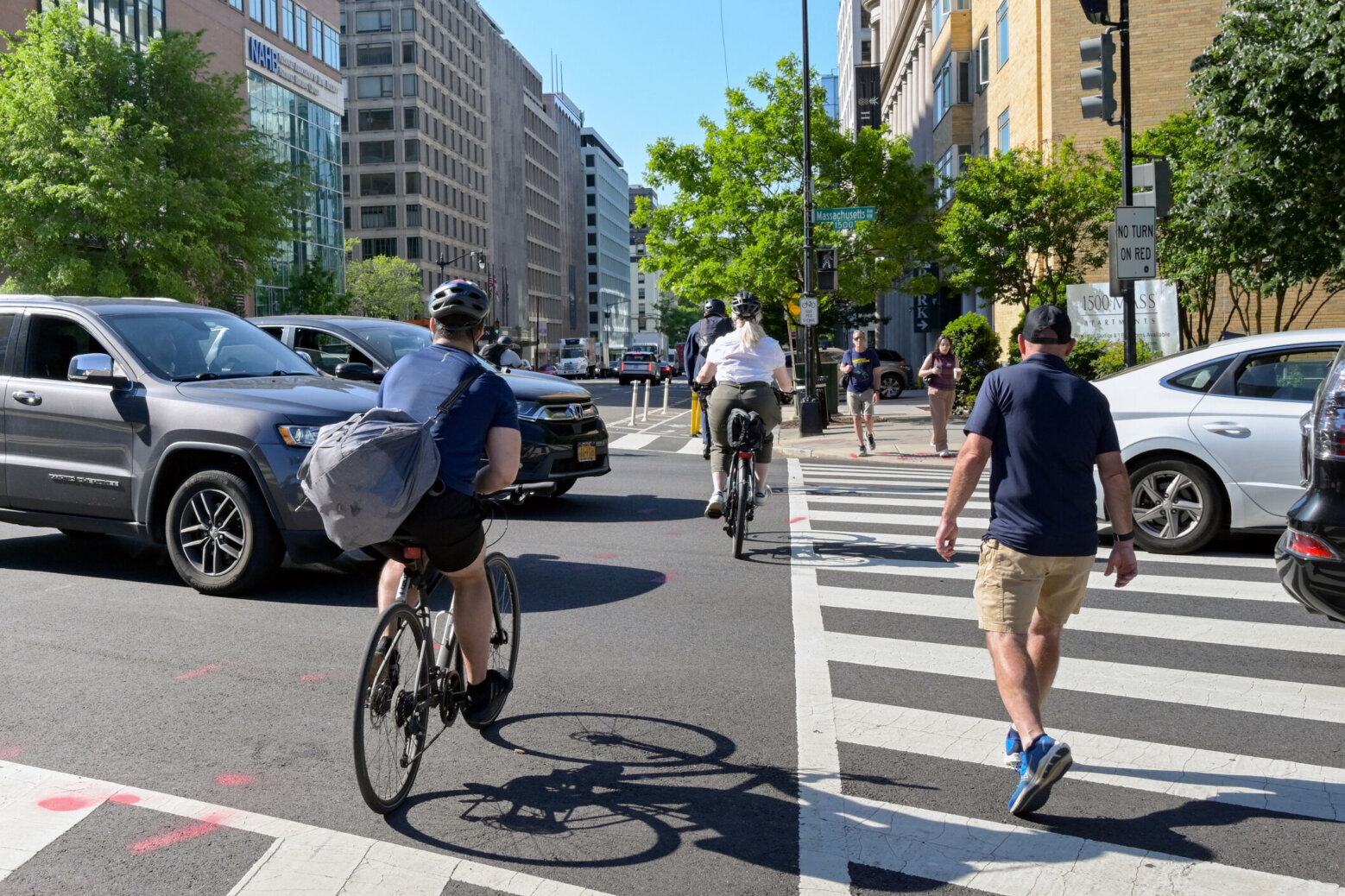
One of the most important bicycle safety laws in Arizona is the “Three Foot Law.” Arizona Revised Statute §28-735 requires drivers to leave at least three feet of space when passing a bicyclist traveling in the same direction.
Unsafe passing is one of the leading causes of bicycle accidents in Arizona, especially in busy metro areas like Phoenix and Tucson. Drivers who fail to provide enough clearance can face fines and additional penalties if a crash causes serious injury.
Where Should Bicyclists Ride on the Road?
Arizona law requires bicyclists riding slower than traffic to ride as close as practicable to the right side of the roadway. However, there are important exceptions that allow cyclists to move further into the lane when necessary.
Cyclists may legally take more of the lane when:
- Passing another vehicle or bicyclist
- Avoiding debris or road hazards
- Preparing for a left turn
- Traveling at the same speed as traffic
- The lane is too narrow for safe sharing
This is especially important because many Arizona roads do not provide enough space for a car and bicycle to safely travel side-by-side.
Arizona Bicycle Helmet Laws in 2026
Arizona does not currently have a statewide bicycle helmet law. Adults are generally not legally required to wear helmets while riding a bicycle. However, several Arizona cities and counties require helmets for minors under 18.
Local jurisdictions with helmet laws for minors may include:
- Tucson
- Pima County
- Sierra Vista
- Yuma County
- Certain e-bike ordinances in Glendale and Tempe
Even though helmets are not required statewide, safety experts strongly recommend them because helmets significantly reduce the risk of traumatic brain injuries during bicycle accidents.
Night Riding Equipment Requirements
Arizona law requires bicyclists riding at night to equip their bicycles with proper lighting and safety equipment.
Required nighttime equipment includes:
- White front light visible from at least 500 feet
- Rear red reflector visible from 50–300 feet
- Functional brakes capable of stopping the bicycle safely
Additional reflective gear and rear lighting are highly encouraged, especially when riding near traffic after sunset.

Can You Ride a Bicycle on the Sidewalk in Arizona?
Arizona state law generally allows sidewalk riding unless restricted by local city ordinances. However, the rules vary significantly depending on the city.
For example:
- Phoenix generally allows sidewalk riding unless prohibited by signs
- Tucson restricts sidewalk riding in certain areas
- Tempe has specific regulations for bikes, e-bikes, and scooters
Cyclists riding on sidewalks must always yield to pedestrians and use caution near driveways and intersections.
Arizona E-Bike Laws in 2026
Electric bicycle regulations continue evolving throughout Arizona in 2026. While Arizona state law generally treats e-bikes similarly to traditional bicycles, many cities are implementing additional local safety rules.
Recent Arizona e-bike regulations may include:
- Helmet requirements for riders under 18
- Minimum age requirements
- Restrictions for Class 3 e-bikes
- Lighting requirements for nighttime riding
- Sidewalk and multi-use path restrictions
Cities like Glendale and Tempe have already introduced stricter e-bike safety ordinances due to growing concerns about accidents and reckless riding.
Hand Signals and Safe Riding Requirements
Arizona bicyclists must use proper hand signals before turning or stopping. Common hand signals include:
- Left arm straight out for left turns
- Left arm bent upward or right arm straight out for right turns
- Left arm downward for stopping
Cyclists are also prohibited from:
- Clinging to moving vehicles
- Carrying more passengers than the bicycle is designed for
- Riding without at least one hand on the handlebars
These rules help reduce accidents and improve predictability for both cyclists and drivers.
Common Causes of Bicycle Accidents in Arizona
Many bicycle accidents occur because drivers fail to properly share the road. Common causes of Arizona bicycle crashes include:
- Distracted driving
- Failure to yield
- Unsafe lane changes
- Speeding
- Drivers entering bike lanes
- Dooring accidents
- Drunk driving
- Unsafe left turns at intersections
Intersections remain one of the most dangerous locations for Arizona bicyclists.

What Happens if a Cyclist Is Partially at Fault?
Arizona follows a pure comparative negligence system. This means injured bicyclists may still recover compensation after an accident even if they were partially at fault.
For example, if a bicyclist is found 20% responsible for an accident, their financial recovery may simply be reduced by 20%. This law can become very important in bicycle accident injury claims involving disputed liability.
Understanding Arizona bicycle laws in 2026 is important for both cyclists and motorists. As bicycle traffic and e-bike use continue increasing throughout Arizona, riders should stay informed about state laws and local city ordinances.
Following bicycle safety laws, wearing proper safety equipment, using lights at night, and riding predictably can significantly reduce the risk of serious accidents. Drivers and cyclists both share responsibility for making Arizona roads safer for everyone.
If you were injured in a bicycle accident caused by a negligent driver, speaking with an experienced Arizona bicycle accident attorney may help you better understand your legal rights and options.
Contact Phoenix Bicycle Accident Attorney Zayed Al-Sayyed Today
If you were injured in a bicycle accident caused by a negligent driver, don’t wait to learn about your legal rights. Bicycle accident claims often involve complex liability issues, insurance disputes, and serious injuries that can impact your future.
At the Law Office of Zayed Al-Sayyed, we fight to help injured cyclists recover compensation for medical expenses, lost wages, pain and suffering, and other damages. Whether your accident involved a distracted driver, unsafe passing, or a violation of Arizona bicycle laws, our team is here to help.
Call (602) 952-9937 today for a free consultation. We work on a contingency fee basis, which means you pay nothing unless we win your case. Let us protect your rights while you focus on your recovery.
FAQs About Arizona Bicycle Laws in 2026
Do Bicyclists Have the Same Rights as Drivers in Arizona?
Yes. Arizona law generally treats bicycles as vehicles, which means cyclists have the same rights and responsibilities as motorists. Bicyclists must obey traffic signals, stop signs, and other rules of the road.
Is There a Bicycle Helmet Law in Arizona?
No. Arizona does not have a statewide bicycle helmet law for adults or minors. However, some cities and local jurisdictions require helmets for riders under 18. Even when not required, wearing a helmet is strongly recommended for safety.
How Much Space Must Drivers Give Bicyclists When Passing?
Arizona’s “Three-Foot Law” requires motorists to leave at least three feet of clearance when passing a bicycle traveling in the same direction. This law helps protect cyclists and reduce the risk of collisions.
Are Bicyclists Required to Have Lights at Night?
Yes. Arizona law requires bicycles ridden after dark to have a white front light visible from at least 500 feet and a rear red reflector (or rear light) visible to approaching vehicles. Bicycles must also have functional brakes.
Can You Ride a Bicycle on the Sidewalk in Arizona?
It depends on the city. In many Arizona cities, including Phoenix, riding on the sidewalk is generally permitted unless otherwise posted. However, bicyclists must yield the right-of-way to pedestrians and exercise caution when using sidewalks.
 por Zayed Al-Sayyed
What Is the Riskiest Places for Bicyclists in Arizona? (2026 Guide)
Arizona is one of the best states for year-round cycling thanks to its warm climate and extensive network of roadways and recreational paths. However, those same roads can present significant dangers for cyclists. Heavy traffic, high-speed arterial roads, busy intersections, and distracted drivers contribute to hundreds of bicycle crashes each year. While there is no official designation for the single riskiest location in Arizona, crash statistics and transportation studies consistently point to urban intersections and major multi-lane roadways as the most hazardous places for bicyclists.
Recent national studies have also identified several Arizona cities among the most dangerous in the country for cyclists. Whether you ride for exercise, recreation, or daily commuting, understanding where crashes happen and how to avoid them can help reduce your risk of serious injury.
Arizona Has Some of the Nation’s Most Dangerous Cities for Cyclists
A recent ConsumerAffairs study analyzing bicycle fatalities in the nation’s 100 largest cities found that Arizona had more cities ranked among the most dangerous for cyclists than any other state. While Tucson received the highest ranking among Arizona cities, Mesa, Glendale, Scottsdale, Phoenix, Gilbert, and Chandler also appeared on the list, demonstrating that bicycle safety is a statewide concern.
Arizona cities ranked for cyclist danger include:
- Tucson – #5 most dangerous city in the U.S.
- Mesa – #6
- Glendale – #8
- Scottsdale – #13
- Phoenix – #39
- Gilbert – #46
- Chandler – #48
- Tucson recorded 1.47 cyclist fatalities per 100,000 residents
- Tucson’s fatality rate is more than four times the national average
Although Phoenix ranked lower nationally, it consistently records the highest number of bicycle crashes in Arizona due to its population size and heavy traffic.
Where Do Most Bicycle Accidents Occur?
Transportation experts agree that intersections remain the most dangerous location for bicyclists. Drivers are making turns, changing lanes, entering traffic, and navigating multiple traffic signals simultaneously. Even a brief moment of distraction can lead to a devastating collision with a cyclist.
Common high-risk locations include:
- Busy signalized intersections
- Commercial shopping center entrances
- Driveways entering major roads
- Highway frontage roads
- High-speed arterial streets
- Multi-lane roadways with limited bike lanes
- Construction zones
- Areas with poor nighttime lighting
Many crashes happen because motorists simply fail to notice bicyclists until it is too late.
Arizona’s Most Dangerous Roads for Cyclists
Several roadways throughout the Phoenix metropolitan area repeatedly appear in crash reports because they combine high vehicle speeds, multiple intersections, and heavy traffic volumes. These roads are especially challenging for cyclists, even when bike lanes are present.
Phoenix
Some of the most dangerous roads include:
- Indian School Road
- McDowell Road
- Van Buren Street
- Camelback Road
- Thomas Road
- Bell Road
- Baseline Road
- Glendale Avenue
Tempe & Mesa
Cyclists should use extra caution on:
- University Drive
- Apache Boulevard
These corridors experience heavy bicycle traffic due to Arizona State University, public transportation, and nearby businesses.
Scottsdale
Higher crash risks have also been identified along:
- Scottsdale Road
- Shea Boulevard intersections
- Frank Lloyd Wright Boulevard corridor
Why Are These Roads So Dangerous?
Many of Arizona’s busiest roads were designed primarily for automobiles rather than bicycles. Wide roadways, higher speed limits, frequent driveways, and heavy turning traffic create numerous conflict points where drivers and cyclists occupy the same space.
Contributing factors include:
- Speed limits of 45–55 MPH
- Four- to six-lane roads
- Numerous commercial driveways
- Heavy turning traffic
- Limited protected bike lanes
- Large trucks and commercial vehicles
- Congested intersections
- Reduced visibility during sunrise and sunset
Higher speeds not only increase the likelihood of a crash but also make injuries significantly more severe.
Common Causes of Bicycle Accidents
The majority of bicycle accidents are caused by driver negligence rather than cyclist error. Even experienced riders following the rules of the road can become victims when motorists fail to exercise reasonable care.
Frequent causes include:
- Distracted driving
- Texting while driving
- Failure to yield
- Left-turn collisions
- Right-hook accidents
- Speeding
- Unsafe lane changes
- Driving under the influence
- Opening vehicle doors into cyclists
- Failure to check blind spots
Arizona Bicycle Laws Every Driver Should Know
Arizona law provides important protections for bicyclists and places legal responsibilities on motorists who share the road. Understanding these laws can help determine liability after a bicycle accident.
Arizona drivers must:
- Leave at least three feet when safely passing a bicyclist.
- Wait until it is safe before passing if adequate space is unavailable.
- Yield when required by traffic laws.
- Avoid opening vehicle doors into moving traffic.
- Share the roadway safely with cyclists.
Violations of these laws may be evidence of negligence in a personal injury claim.
What Should You Do After a Bicycle Accident?
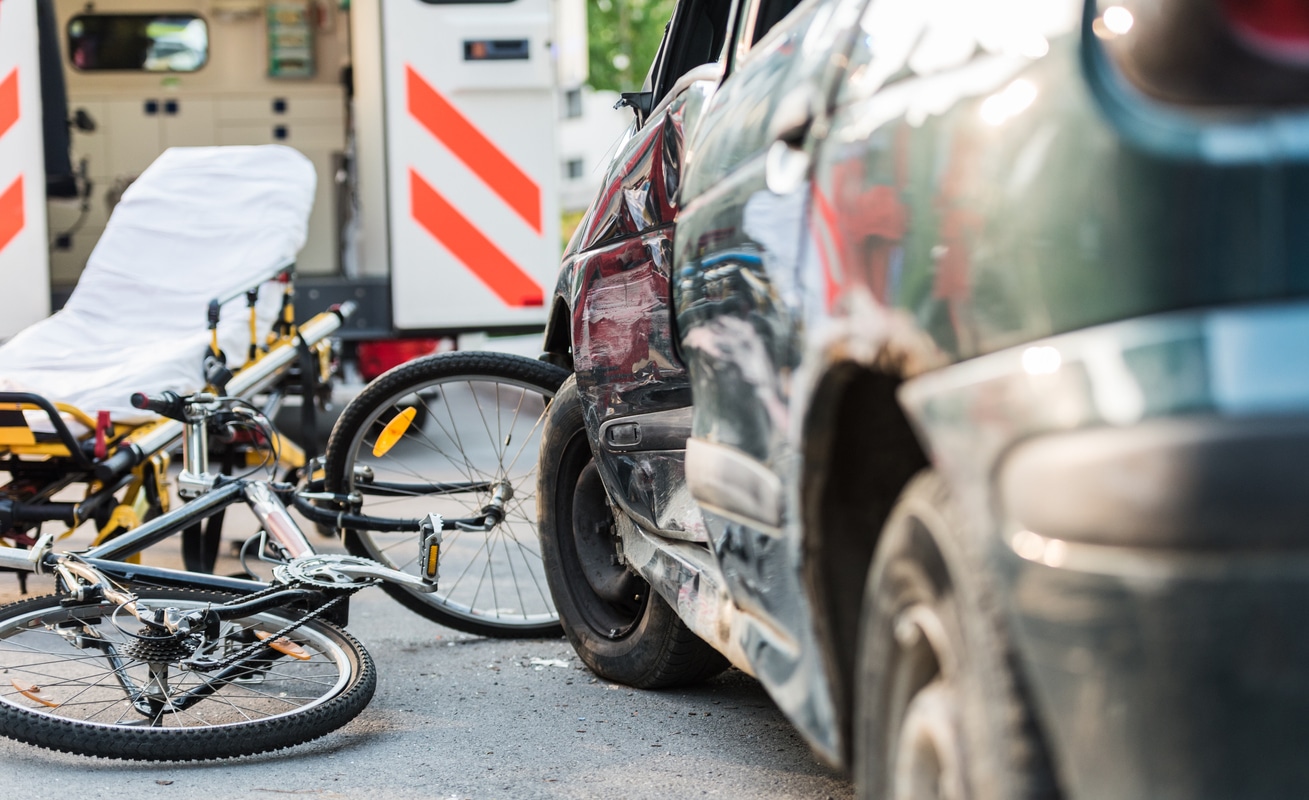
The actions you take immediately after a bicycle accident can play an important role in protecting both your health and your legal rights. Even if your injuries appear minor, seeking prompt medical treatment is critical because many serious injuries develop symptoms hours or days later.
After a bicycle crash you should:
- Call 911 immediately.
- Request a police report.
- Seek emergency medical care.
- Photograph the accident scene.
- Document your injuries.
- Preserve your damaged bicycle.
- Exchange insurance information.
- Obtain witness contact information.
- Avoid discussing fault.
- Contact an experienced bicycle accident attorney.
Common Bicycle Accident Injuries
Because bicyclists have little protection compared to vehicle occupants, even relatively low-speed collisions can result in life-changing injuries. Many victims require surgery, rehabilitation, and months away from work.
Serious injuries often include:
- Traumatic brain injuries
- Concussions
- Broken bones
- Spinal cord injuries
- Neck injuries
- Shoulder injuries
- Hip fractures
- Knee injuries
- Internal bleeding
- Severe road rash
- Permanent disabilities
Medical expenses can quickly become overwhelming without fair compensation from the responsible party.
Who May Be Liable for a Bicycle Accident?
Every bicycle accident is unique. Depending on the circumstances, more than one party may share responsibility for the collision. A thorough investigation can identify all potential sources of compensation.
Liable parties may include:
- Negligent drivers
- Commercial trucking companies
- Delivery vehicle operators
- Employers
- Government agencies
- Property owners
- Vehicle manufacturers
- Bicycle component manufacturers
An attorney can evaluate the evidence and determine who may be legally responsible.
How a Phoenix Bicycle Accident Attorney Can Help
Insurance companies often attempt to minimize bicycle accident claims by shifting blame onto the cyclist or disputing the severity of injuries. An experienced attorney understands these tactics and can build a strong case supported by medical records, witness statements, accident reconstruction experts, and other evidence.
A bicycle accident attorney can help by:
- Investigating the collision
- Gathering evidence
- Interviewing witnesses
- Reviewing surveillance footage
- Negotiating with insurance companies
- Calculating future damages
- Filing a lawsuit if necessary
- Pursuing maximum compensation
Frequently Asked Questions
Where do most bicycle accidents happen in Arizona?
Most bicycle accidents occur at busy intersections, commercial driveways, and high-speed arterial roads where vehicles frequently turn or fail to yield.
Which Arizona city is the most dangerous for cyclists?
Recent national rankings identified Tucson as the fifth most dangerous city in the United States for cyclists, with Mesa and Glendale also ranking in the top ten.
What is Arizona’s three-foot passing law?
Arizona law generally requires drivers to leave at least three feet of clearance when passing a bicyclist whenever it is safe to do so.
Can I recover compensation if I was partially at fault?
Yes. Arizona follows a pure comparative negligence system, meaning you may still recover compensation even if you were partially responsible for the accident, although your recovery may be reduced by your percentage of fault.
How long do I have to file a bicycle accident claim?
Most Arizona personal injury claims must be filed within the applicable statute of limitations, although exceptions may apply. Speaking with an attorney as soon as possible is recommended.
Contact an Experienced Phoenix Bicycle Accident Attorney
A bicycle accident can change your life in an instant, leaving you with serious injuries, expensive medical bills, lost income, and uncertainty about the future. If another person’s negligence caused your crash, you shouldn’t have to handle the financial and legal burden alone. An experienced attorney can investigate your accident, gather critical evidence, negotiate with insurance companies, and pursue the full compensation you deserve.
Why Choose The Law Office of Zayed Al-Sayyed?
- Free initial consultation
- Aggressive representation against insurance companies
- Experienced in Arizona personal injury law
- Personalized legal guidance throughout your case
- No attorney’s fees unless we recover compensation for you
Whether your bicycle accident occurred at a busy Phoenix intersection, on one of Arizona’s most dangerous roads, or anywhere else in the state, our legal team is committed to protecting your rights and helping you move forward with confidence. Contact The Law Office of Zayed Al-Sayyed today at (602) 952-9937 to schedule your free consultation and learn how we can help you pursue the compensation you deserve after a bicycle accident.
 por Zayed Al-Sayyed
Do Bicycles Have to Stop at Stop Signs in Arizona 2024?
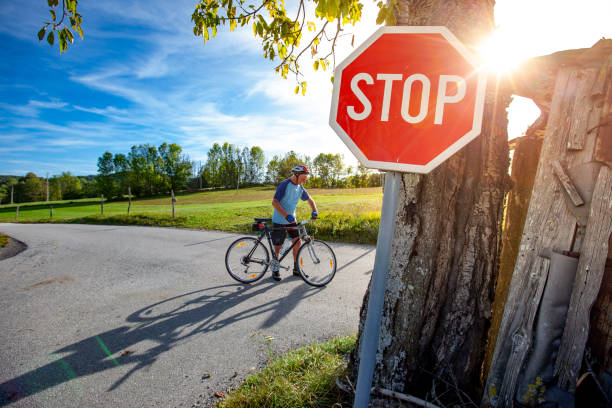 Do bicycles have to stop at stop signs in Arizona? Whether you are a leisure bike rider or a hard-core cyclist, it’s important to be aware of the Arizona riding laws and regulations you need to follow. Not only can abiding by the laws avoid tickets, fines, and penalties, but it also ensures your safety on the roadway.
In this article, we’ll cover the regulations you need to follow when crossing intersections, stop signs, and lights, helping you ride safely and in compliance with Arizona statutes.
Do Bicycles Have to Stop at Stop Signs in Arizona in 2024?
Yes, Arizona bike riders must stop at stop signs in Arizona. Arizona bike riders have the same rights as Arizona drivers, meaning you must follow all traffic directions, including stop signs. According to ARS Section 28-812, individuals riding on the shoulder or roadway are granted all rights applicable to drivers. This means if you approach a stop sign or red light, you are required to stop.
Arizona Laws for Passing Other Bicyclists
ARS Section 28-815 also outlines the legality of passing other cyclists. You can legally pass another cyclist just like a car can pass another car. Let’s say one bicyclist is traveling slowly and is on the far right of the shoulder. If there are no obstacles and you can safely pass the slow-moving cyclist, you have the legal right.
Arizona Bicycle Laws for Making Left Turns
 Arizona bicyclists are allowed to make a left turn at an intersection when it is legally allowed, meaning they have a green light or a yellow light with no oncoming traffic or obstacles. Cyclists do need to avoid other objects, like parked vehicles, pedestrians, and animals, when making a left turn.
Arizona Laws for Riding a Bicycle to Work or School
Arizona is a bike-friendly state, meaning you are permitted to commute to work or school using a bicycle. However, Arizona does regulate items you are allowed to carry while riding a bicycle. For one, you need to keep one hand on the handlebar at all times. You cannot carry anything that prevents you from holding the handlebar with one hand.
Penalties for Breaking Arizona Bike Laws
Arizona Section 28-812 also outlines penalties for breaking Arizona bike laws. For one, if you are found responsible for a civil traffic violation, you could have your driver’s license suspended or revoked. In addition, Arizona can also impose fines and penalties for breaking other bike laws. For example, riding without a headlight at night could result in a fine of around $200.
Arizona’s Bicycle Lawyer
Keeping these regulations in mind when riding your bicycle is important to avoid fines and civil charges. However, if you’ve already received a ticket or been involved in an accident while riding your bicycle, it’s important to contact a qualified Arizona attorney right away. Our team at The Law Office of Zayed Al-Sayyed wants to be your trusted attorney. Reach out today to schedule your free consultation.
 por Zayed Al-Sayyed
Do You Need a License to Ride a Bike in Arizona?
 Do you need a license to ride a bike in Arizona? Does Arizona have specific regulations for bike riders under 18? Are bike laws the same, even for motorized bikes? Before you take your bike on an Arizona roadway, it’s important you understand the safety laws Arizona has in place.
In this article, we’ll cover the Arizona bike laws you need to know, including the license requirements, additional safety measures for bike riders under 18, and how Arizona treats motorized bikes.
Is a License Required to Ride a Bike in Arizona?
 No, cyclists are not required to have a license in Arizona. Even though Arizona bike riders are required to follow many of the same yield and passing regulations as motorists, you don’t need a license to ride a non-motorized bike.
With no license requirements, Arizona bicyclists are generally not required to register their bikes or pay any taxes. However, each locality will have different requirements, making it important to check with your local department of transportation.
What Laws Are Arizona Bike Riders Under 18 Required to Follow?
Arizona bike riders under 18 must wear a helmet when operating on Arizona roadways. In addition, all riders, regardless of age, must use hand signals to show their intentions. For example, if you are turning right, you would put out your right hand to signal that is the direction you are moving.
Similarly, Arizona bike riders must have an affixed seat to sit on and at least one brake that will cause the wheel to skid. A front headlight is also non-negotiable when riding a bike at night in Arizona. Other bike laws include having one hand on the handlebar and not holding onto a vehicle.
Do Motorized Bikes Follow the Same Regulations?
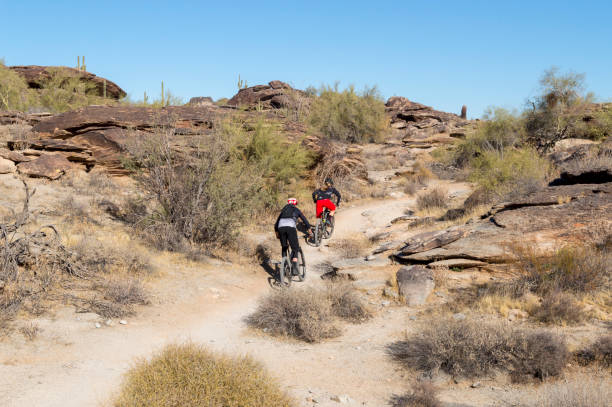 Motorized bikes follow many of the same regulations as non-motorized bikes but with a few key differences. First, the motor must have a maximum piston displacement of forty-eight cubic centimeters or less and have a maximum speed of 20 miles per hour to be classified as a normal bicycle.
Any motorized bicycles that do not fit these requirements may need to follow general motor vehicle requirements in licensing and operation. It’s also important to note that electric bicycles are also in a different category under Arizona statutes. Electric bicycles that have speeds greater than 25 miles per hour require a motorcycle license and have a different set of roadway rules.
Summary
Are you ready to go for a ride in Arizona? Arizona doesn’t require a license to ride a bike if it is non-motorized and you follow all of the safety guidelines. Even if you are careful when riding your bike, accidents can happen.
If you’ve been involved in a bike accident, contact one of our team members at The Law Office of Zayed Al-Sayyed today to schedule your free consultation. We can help you navigate the facts of your case to determine the next steps needed. Contact us today to learn more.
 por Zayed Al-Sayyed
Do Bicycles Have to Stop at Stop Signs in Arizona?
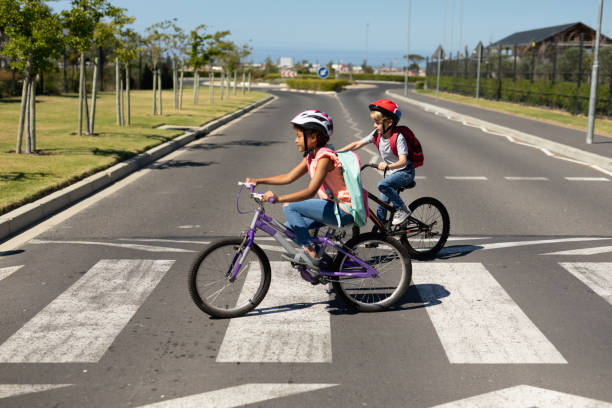 Do Bicycles Have to Stop at Stop Signs in Arizona? In some situations, Arizona bicyclists are subject to motor vehicle laws. In other instances, Arizona cyclists are given their own set of laws under Arizona Traffic Code Articles.
In this article, we’ll determine the laws Arizona cyclists need to follow, helping you stay safe and compliant on your next bike ride. If you have a question about a specific situation, contact our team at The Law Office of Zayed Al-Sayyed today to schedule your free consultation.
Do Bicycles Have to Stop at Stop Signs in Arizona?
Cyclists riding on the roadway or on the shoulder of the roadway have the same rights as Arizona drivers under Arizona Section 28-812. As a result, cyclists must come to a complete stop at stop signs and red lights. Other drivers will yield to bike riders in the same way they would another vehicle. Failure to stop at stop signs in Arizona can result in a traffic violation.
Making Left Turns
Similar to motor vehicles, bicycles operating on the main roadway can make left turns. When preparing to make a legal left turn, the same vehicle regulations apply. The bike rider must signal for the turn and obey traffic guidelines, like turn signals. If the bicyclist needs to move into the left lane to avoid an object, pedestrian, or other safety hazard, the same concepts apply.
Passing Other Cyclists
Bicyclists can pass other bicyclists if it is legally permitted on the roadway. Let’s say you are biking faster than another rider in front of you. If there are no cars or other obstacles in your way, you can move to the left and pass the cyclist. This is considered a legal pass under Arizona Section 28-815. When passing other cyclists, it’s important to understand that cars do not have to move over for you. Wait until there are no cars beside you to safely pass another cyclist.
Using a Bike to Commute
Many towns and municipalities in Arizona are bicycle-friendly. This means that it’s common for cyclists to commute to work or school using a bike. When commuting to work, be aware of the limitations of carrying items. Arizona Section 28-816 prohibits cyclists from carrying items that prevent them from keeping one hand on the wheel. Baskets and other storage compartments are permitted.
Summary
 Remember, Arizona cyclists have different requirements when riding on sidewalks and bike paths. This makes it important that you understand the regulations you are subject to. In addition, each jurisdiction and city can have other cyclist laws you need to abide by. For more information on Arizona bike laws, check out our other blog posts.
If you’ve been in an accident as a bike rider, contact our team at The Law Office of Zayed Al-Sayyed today to schedule your free consultation. We can be your trusted expert when working through the Arizona court system to recover damages or limit liability.
por Zayed Al-SayyedArizona Bicycle Laws 2024
 Bicycling is a popular outdoor activity in Arizona, from exercising to spending time with your family. Due to the climate in Arizona, bicycling can be a year-round activity. This makes it important to be aware of Arizona bicycle laws in 2024.
Whether you are a casual bike rider or an avid cyclist, we’ll cover everything you need to know about Arizona bicycle laws. Following the proper laws keeps both you and motorists safe, reducing the risk of serious accidents.
What is a Bicycle in Arizona?
According to Section 28-101(10), a bicycle is a device that is propelled by human power that a person rides on. This section further defines a bicycle as having two wheels that are more than sixteen inches in diameter. Arizona does classify racing wheelchairs, electronic assistant bikes with pedals, and tricycles as bicycles. Children’s bikes that contain small wheels are not considered bicycles.
Deciphering Arizona Bicycle Laws 2024
Arizona bicycle laws are outlined in Title 28 of the Arizona Revised Code. However, certain situations, like accidents, will draw in the state’s “common law.” Let’s go through some of the main Arizona bicycle laws.
Parent and Guardian Responsibility
Section 28-811 requires parents to make sure their children are following the laws any time they are riding bicycles on the highway or designated bicycle path.
Obeying Traffic laws
Arizona Section 28-812 makes it legal for bicycles to ride on traffic lanes if the cyclist follows the same laws as motorists. However, any traffic violations by cyclists will not result in the loss of license.
Bicycling Riding
Section 28-813 requires bicyclists to ride on a permanently affixed seat and avoid carrying more people than the bicycle is intended for. This means only one person can ride a bike at a time and riding on the handlebars is specifically prohibited.
Clinging to Vehicles
Arizona Section 28-814 makes it illegal to cling onto a moving vehicle.
 Bicycle Path Usage
Section 28-815 outlines that cyclists must ride on the right-hand curb or edge of the roadway. However, if the cyclist is keeping up with traffic, passes another vehicle traveling in the same direction, is preparing for a left turn, moves to the center lane to avoid a hazard, or the lane is too narrow to travel, the cyclist does not need to follow this rule.
Carrying Items
Arizona does allow bicyclists to carry items in a basket or bag on the bicycle under Section 28-816. Additionally, one hand can be used to carry items.
Upgrading Bicycle Equipment
Arizona Section 28-817 requires bicycles to have a brake. In addition, headlights for nighttime riding, read reflectors or lights, and sirens or whistles may also be required.
Electric Bicycles
Section 28-819 clarifies that electric bicycles and electric standup scooters are considered bicycles under Arizona law.
Summary
Are you ready to take your bike out for a spin in Arizona? If so, it’s important to keep these laws in mind. If you are facing a bicycle-related incident, contact a qualified Arizona attorney right away. Our team at The Law Office of Zayed Al-Sayyed can help you work through your options.
 por Zayed Al-Sayyed
Arizona Bicycle Helmet Laws
 Bicycling is a great way to enjoy the beautiful Arizona weather, spend time with families and friends, and get in your daily dose of exercise. However, before you put the pedal to the metal, it’s important that you’re aware of Arizona bicycle helmet laws.
Just like motorists have safety laws in place to prevent serious accidents, so do cyclists. In this article, we’ll cover the Arizona bicycle helmet laws you need to know to avoid an unexpected ticket and increase your safety.
Understanding Arizona Bicycle Helmet Laws
Arizona bicycle helmet laws date back to 1993, when Tucson required the use of helmets for cyclists under the age of 18. Soon after, other cities joined in the movement, with some jurisdictions expanding the laws to apply to motor scooters, off-road bikes, skateboards, and inline skates.
Some cities have advocated for changing legislation to require all cyclists, regardless of age, to wear a helmet, but these movements fell flat. Arizona state does not have any legislation in place requiring the use of helmets, but local jurisdictions may have other requirements Let’s explore some of the Arizona statutes in more detail.
 Arizona Section 28-813
This section of Arizona laws requires bike riders to use an affixed seat when riding. In addition, Arizona bike riders cannot carry more people than the bike is designed for. For example, you can’t have a passenger ride on the handlebars of the bike.
Arizona Section 28-814
Arizona Section 28-814 prohibits bike riders from attaching themselves to vehicles, such as holding on while the vehicle is in motion.
Arizona Section 28-815
This section outlines that there cannot be more than two riders side-by-side when on the road. This law is not applicable to bike paths.
Arizona Section 28-816
Similar to operating a motor vehicle, texting while riding a bike is not allowed. The cyclist must have at least one hand on the handlebar at all times. Local jurisdictions might have more defined laws in place for texting while riding a bike.
Arizona Section 28-817
 Riding a bike at night opens the door to added requirements under Section 28-817. For one, bicyclists must have a headlight that is visible from 500 feet attached to the front of the bike. In addition, the bike needs a reflector on the rear that is visible from 50 to 300 feet away. A light that emits red light on the rear is also required.
Summary
Following these guidelines is required when riding a bike in Arizona. However, these aren’t the only laws that you might be subject to. Individual cities and municipalities might have expanded requirements for bike riders. Understanding all of the laws you are subject to helps you maintain compliance and protects you from serious accidents.
If you were involved in an Arizona bike accident, it’s important to reach out to a qualified attorney right away. Working with a professional ensures you are maximizing the likelihood of a positive outcome. Contact the team at The Law Office of Zayed Al-Sayyed today to schedule your free consultation.
 por Zayed Al-Sayyed
What To Do After an Accident in Arizona?
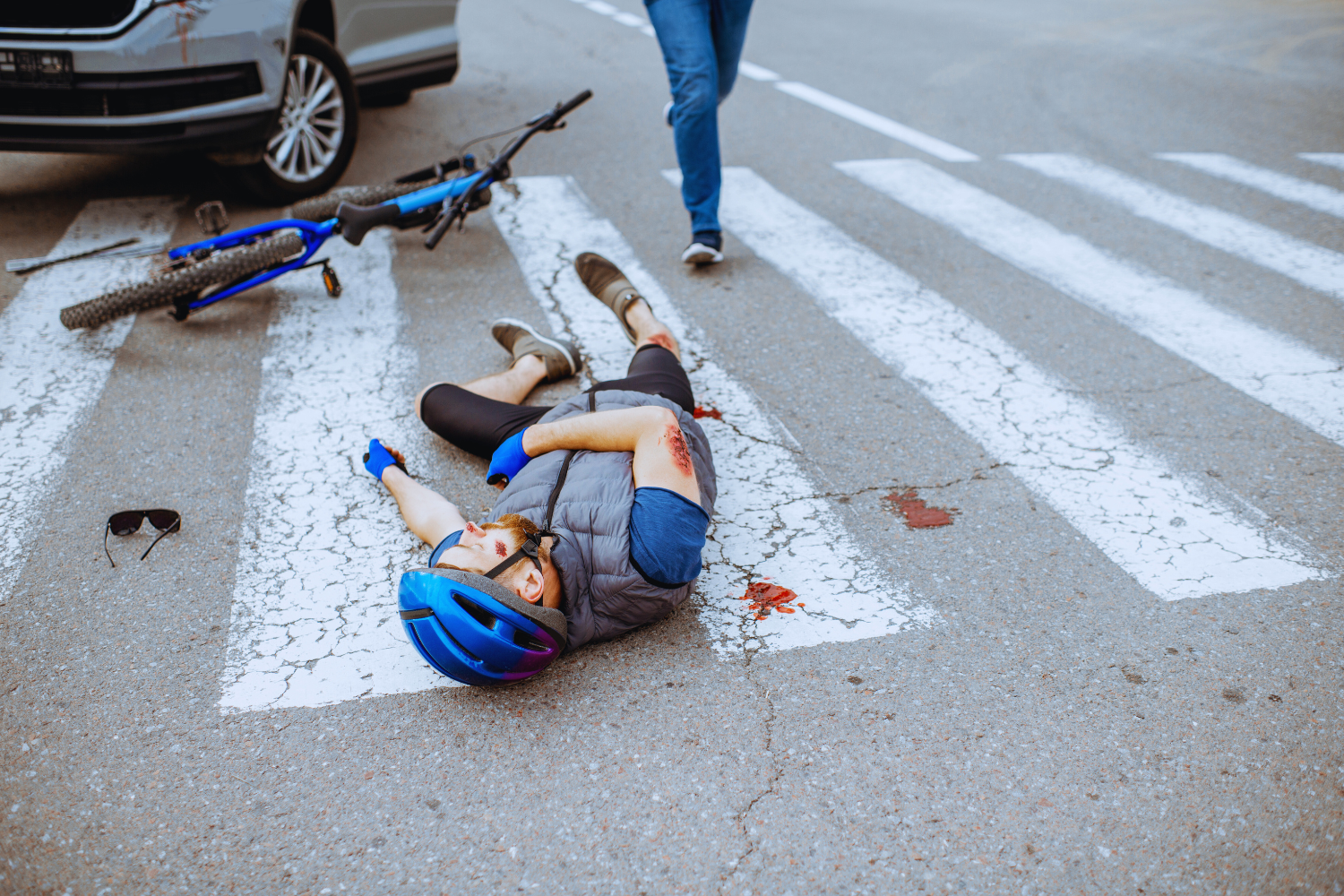
Accidents are an unfortunate part of life. If you’ve been involved in an accident, you might be wondering what happens next. With more than 120,000 motor vehicle accidents in Arizona in 2022 alone, it’s important to be aware of the steps to take following an accident.
Contact the Authorities
 The first step is to call the authorities. Even if no one appears to be physically injured, it’s best to call the police right away. Having a police officer on the scene can alleviate tension between the involved parties, facilitate a smooth insurance claim, and help verify what actually happened. Resist the urge to just “exchange information.”
When the police arrive, be upfront and honest about the situation, even if you are at-fault. Be as specific and clear as possible to help the officer understand what happened. If you don’t know the answer to the question of an officer, don’t guess. Instead, say that you don’t know.
If you are involved in a major accident and are at fault, it can be helpful to have a Phoenix car accident lawyer by your side before giving any statements.
Document Relevant Details
Once the police are called, document any relevant details about the accident. This includes pictures of the damage to both vehicles. Don’t rely on the police or the other party to take photos. Have your own evidence.
Make sure you also take video of the scene of the accident, the vehicles involved, and your surroundings. You never know what you might be able to pick up on video that could help your case later on.
In addition, take pictures of other signs, landmarks, and injuries. Remember, you cannot interfere with the police’s investigation or intrude on another party receiving medical attention. Nevertheless, document the accident to the best of your abilities.
Reach Out to Your Insurance Company
 When an accident does occur, insurance companies will most likely be involved. Arizona requires drivers to have a minimum coverage of $25,000 for one person sustaining an injury, $50,000 for two or more individuals, and $15,000 for property damage.
First, determine if you have any special coverage that can help pay for medical bills, like medpay. Medpay pays for immediate medical bills regardless of who is at fault. Before any benefits are paid out, your insurance companies will ask you questions about the accident.
Be truthful but be aware that insurance companies are generally looking for a reason to deny your claim. Like police statements, don’t give a formal statement to your insurance company without a Phoenix accident lawyer present.
Contact an Attorney
It can be difficult to keep track of all correspondence and documentation related to your accident. This is why many people enlist the help of a qualified accident attorney. Not only can your accident attorney help you communicate with the police and your insurance agent, but they can represent you in serious accidents that might require court proceedings.
Contacting an attorney is crucial if you are the injured party in an accident. Even if you are found partly at fault for the accident, you can recover damages. Contact our team at the Law Office of Zayed Al-Sayyed today to schedule your free consultation.
 por Zayed Al-Sayyed
Phoenix Bicycle Laws
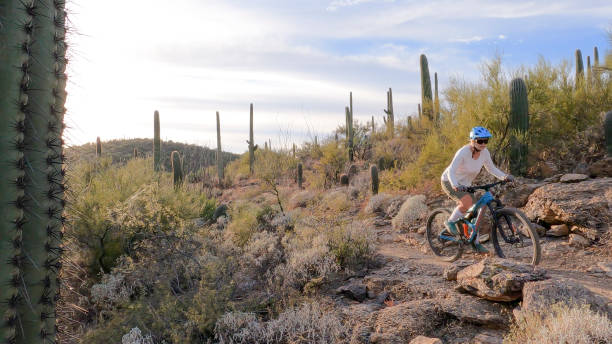 What Phoenix bicycle laws do you need to follow? Whether you are an avid cyclist or like to go for a casual stroll every now and then, it’s important to understand the Phoenix bicycle laws you are subject to. In this article, we’ll cover the definition of a bicycle and outline the main bicycle laws you need to be aware of.
Arizona’s Definition of a Bicycle
A majority of the Phoenix bicycle laws are outlined in Title 28 of the Arizona Revised Code. For legal purposes, a bicycle is viewed as a device that is propelled by human power on which a person can ride under Section 28-101(10). In addition, Arizona statutes go into detail describing that bicycles usually have two tandem wheels or three wheels in contact with the ground.
Road bikes, mountain bikes, gravel bikes, beach cruisers, and dirt bikes all fall under this definition of a bicycle. This definition of bicycles can put certain items in a gray area, like children’s bikes and electronic assistant bikes. If you think you are operating a bicycle, it’s probably considered a bicycle for legal purposes.
Understanding Phoenix Bicycle Laws
Here are the main Phoenix bicycle laws you need to be aware of:
Section 28-811
This section holds parents responsible for making sure their children are abiding by bicycle laws. This means that the parent cannot authorize their children to violate guidelines, including rules surrounding use of public roadways.
Section 28-812
This section of Arizona law outlines the legality of bicyclists riding on roadways as long as they follow the same laws as motorists. If you plan on riding on the road, you have both the right and the obligation to follow the same laws applicable to drivers; however, you cannot lose your driver’s license due to cycling-related violations.
Section 28-813
Under this section of Arizona law, bicyclists must use a permanently affixed seat and cannot carry more people than the bike is equipped for. This means that you cannot have someone sitting on your handlebars when riding your bike. Keep in mind that this law only applies when riding on a roadway. If you are riding on private property or at a skatepark, these requirements don’t apply.
Section 28-814
Section 28-814 disallows hanging onto a vehicle when riding your bike.
Section 28-815
There are situations where bicyclists don’t have the same rights and obligations as drivers, including:
- The cyclist cannot keep up with traffic.
- The cyclist is passing another cyclist going in the same direction.
- The cyclist is turning left.
- The cyclist is moving to the center or left-hand lane to avoid a hazard.
- The lane is too narrow for the cyclist to travel safely.
Section 28-816
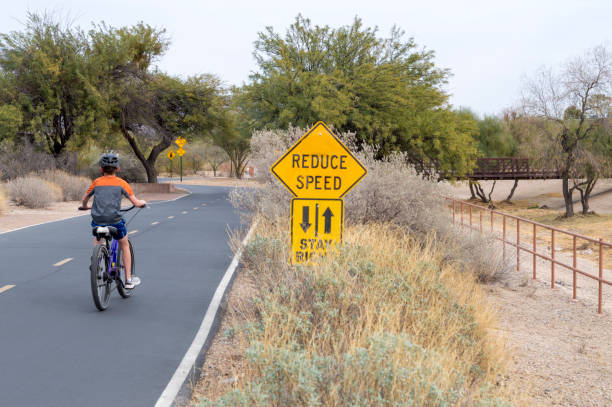
Section 28-816 allows cyclists to carry baskets, bags, or panniers if safely attached to the bike. Additionally, one hand can be used to carry items.
Section 28-817
This section requires Arizona bicyclists to have the proper brake systems, headlights for nighttime riding, read reflector or lights, sirens and whistles.
Section 28-819
This section outlines regulations for electric bicycles, solidifying that assisted bikes and pedal-operated bikes are considered bicycles under Arizona’s definition.
Summary
Understanding how these regulations impact your situation, it’s important to consult with a qualified attorney. Reach out to our team at The Law Office of Zayed Al-Sayyed today to schedule your free consultation.
