

 بقلم زايد السيد
What Are the 7 Steps of Accident Investigation?
Accidents happen every day throughout Phoenix, whether on busy roadways like I-10 and Loop 101 or at construction sites, warehouses, and workplaces across the Valley. When a serious accident occurs, understanding exactly what happened is critical for determining liability, improving safety, and protecting the rights of those involved.
Whether you’re dealing with a car accident, truck collision, workplace injury, or premises liability claim, knowing the 7 steps of accident investigation can help uncover the facts and identify what caused the incident. A thorough investigation can also play a key role in insurance claims and personal injury cases.
At The Law Office of Zayed Al-Sayyed, we understand how important accident investigations are when pursuing compensation for injured victims throughout Phoenix and Arizona.
Why Accident Investigations Matter
An accident investigation is designed to determine not only what happened, but why it happened. The goal is to identify contributing factors, preserve evidence, and prevent similar incidents from occurring in the future.
A proper investigation can:
- Determine the cause of an accident
- Identify negligent parties
- Preserve critical evidence
- Support insurance claims
- Strengthen personal injury cases
- Improve workplace and public safety
- Prevent future accidents
Without a thorough investigation, important evidence may be lost, making it more difficult to establish liability and recover compensation.

The 7 Steps of Accident Investigation
While every accident is unique, most investigations follow a structured process designed to gather facts and identify root causes.
Step 1: Secure the Scene and Ensure Safety
The first priority after any accident is protecting the safety of everyone involved.
This may include:
- Calling 911
- Providing emergency medical care
- Securing hazardous areas
- Preventing additional injuries
- Preserving the accident scene
In Phoenix accident cases, securing the scene quickly can also help preserve valuable evidence before it disappears.
Step 2: Notify Appropriate Authorities
Once immediate safety concerns have been addressed, the appropriate authorities should be notified.
Depending on the situation, this may include:
- Local law enforcement
- Emergency responders
- Employers or supervisors
- Property owners
- Insurance providers
Official reports created during this stage often become important pieces of evidence later.
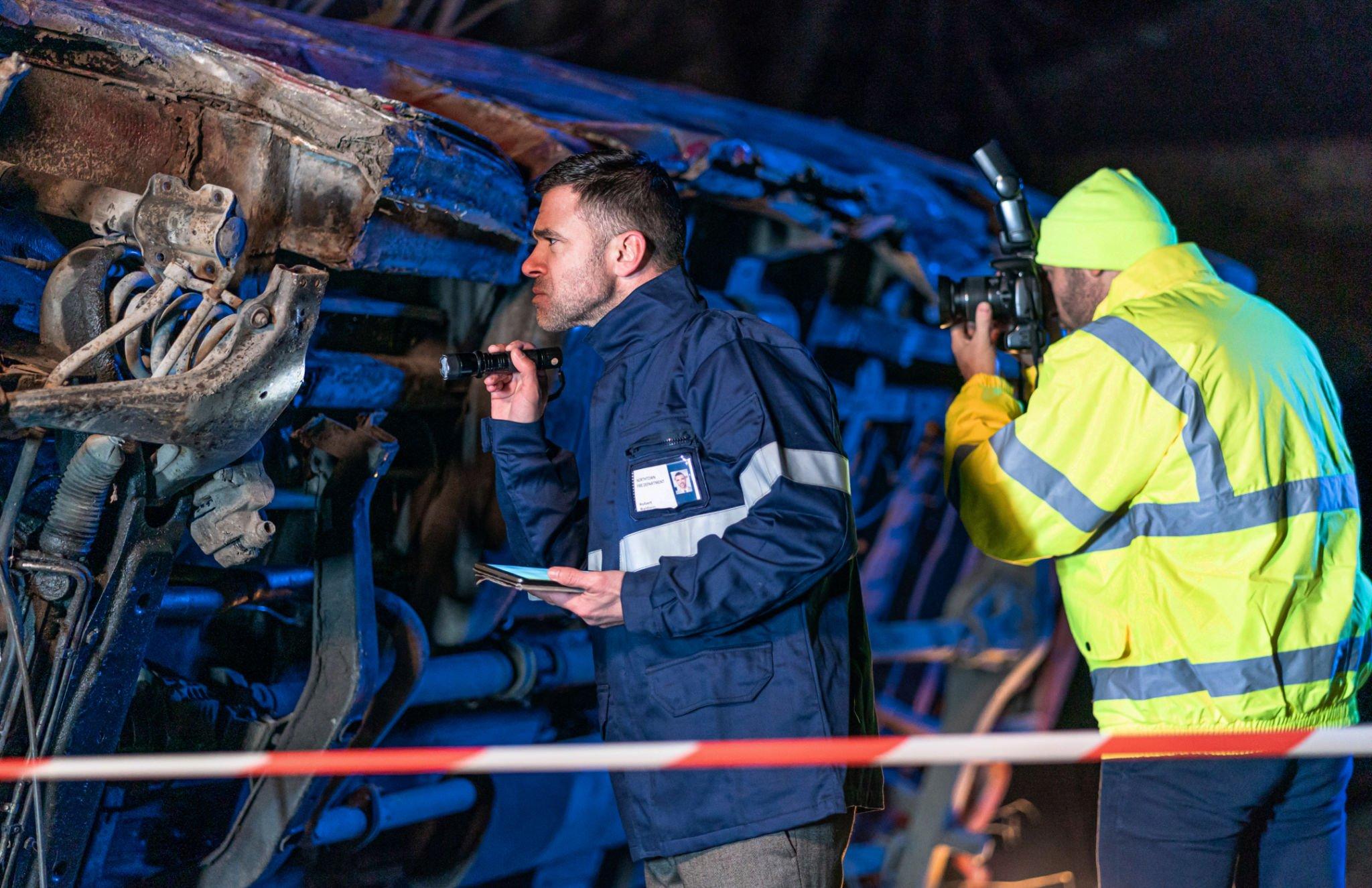
Step 3: Collect Evidence
Evidence collection is one of the most critical parts of an accident investigation.
Investigators typically gather:
- Photographs of the scene
- Videos
- Vehicle damage documentation
- Physical evidence
- Safety records
- Maintenance records
- Medical reports
- Weather and road condition information
The sooner evidence is collected, the more reliable it is likely to be.
Step 4: Interview Witnesses
Witness statements can provide valuable insight into how an accident occurred.
Investigators often interview:
- Accident victims
- Drivers
- Employees
- Bystanders
- First responders
Obtaining witness statements quickly is important because memories can fade over time.
Step 5: Analyze the Facts and Determine Root Causes
Once evidence has been gathered, investigators review the information to determine what caused the accident.
This process often involves examining:
- Human error
- Equipment failures
- Unsafe conditions
- Poor maintenance
- Inadequate training
- Violations of safety procedures
Rather than focusing solely on what happened, investigators seek to identify why it happened.
Step 6: Develop Corrective Actions
After identifying the root cause, investigators develop recommendations to reduce the likelihood of similar incidents occurring in the future.
Examples may include:
- Additional employee training
- Equipment repairs
- Updated safety procedures
- Improved maintenance schedules
- Policy changes
Corrective actions help address the underlying issues that contributed to the accident.
Step 7: Prepare a Report and Follow Up
The final step is documenting the investigation findings and implementing recommended changes.
A comprehensive accident investigation report typically includes:
- A summary of the incident
- Evidence collected
- Witness statements
- Root cause findings
- Recommended corrective actions
Follow-up is essential to ensure improvements are actually implemented and effective.
Why Identifying the Root Cause Is So Important
One of the biggest mistakes in accident investigations is focusing only on the immediate cause of the incident.
For example, if a truck driver runs a red light, the investigation should look deeper to determine whether:
- The driver was fatigued
- Hours-of-service regulations were violated
- The trucking company encouraged unsafe driving practices
- Mechanical issues contributed to the crash
Root cause analysis helps identify underlying issues that may otherwise go unnoticed.
How Accident Investigations Help Personal Injury Cases
For injury victims, accident investigations often provide crucial evidence needed to establish liability and recover compensation.
A thorough investigation can help prove:
- الإهمال
- Unsafe conditions
- Regulatory violations
- Driver error
- Employer liability
- Property owner responsibility
The stronger the evidence, the stronger the injury claim.
Contact a Phoenix Personal Injury Attorney Today
If you were injured in a car accident, truck accident, motorcycle accident, workplace accident, or another serious incident in Phoenix, a proper investigation can make all the difference in your case.
مكتب المحاماة زايد السيد
At The Law Office of Zayed Al-Sayyed, we work with accident reconstruction experts, investigators, and industry professionals to uncover the facts and build strong cases for our clients. We proudly represent injury victims throughout Phoenix and the surrounding communities.
Call (602) 952-9937 today for a FREE consultation.
Our experienced Phoenix personal injury team is ready to protect your rights and fight for the compensation you deserve.
No fees unless we win your case.
