


 por Zayed Al-Sayyed
What Kinds of Cases do Personal Injury Lawyers Handle?

It’s easy to assume that the caseload of a personal injury lawyer is somewhat self-explanatory. After all, it’s in the name. However, people often ask themselves ‘what kinds of cases do personal injury lawyers handle?’
In order for you to better understand the kinds of cases personal injury lawyers handle, the knowledgeable team at the Law Office of Zayed Al-Sayyed has prepared the following breakdown.
How to Know if You Need a Personal Injury Lawyer
There are numerous different types of personal injuries that one can sustain that would justify hiring a personal injury lawyer. Some of the most common injuries that require a personal injury lawyer are:
- Automobile accidents
- Medical malpractice
- Child daycare negligence
- Senior/assisted living negligence
- Aviation accidents
- Wrongful death cases
- Workplace-related injuries
- Assault and battery
- Emotional distress
The Two Main Categories of Personal Injury Cases
 While the types of injuries a person can sustain vary, every personal injury case falls into one of two categories: negligence and intentional tort. Let’s dive into each one to break them down.
Negligence
Negligence occurs when the personal injury is sustained as a result of an accident, without any malicious intent. Below are some of the main examples of negligence.
Automobile accidents: Cases in which an individual’s mishandling or carelessness with an automobile leads to an accident resulting in injury inflicted on another party.
Premises liability cases: Cases where one person’s failure to maintain the grounds of a home or business results in another person’s injury.
Products liability cases: Where a business or manufacturer negligently makes a defective product available to consumers, who are then injured by said product.
Intentional Tort
An intentional tort is a type of personal injury case in which the injury suffered by the victim was a result of someone’s malicious intent to inflict harm. Below are some of the main examples of intentional tort.
Assault and battery: These charges are brought on when one individual intentionally batters, strikes, or makes any kind of contact that harms another individual.
Emotional distress: The verbal berating or harassment by one party on another can be considered a personal injury and is an intentional tort.
Fraud: Fraud is a purposeful act made by an individual to secure unlawful rights or gain, while depriving the victim of their rights or gain. Fraud can result in emotional and financial damages to the victim.
False imprisonment: This is a type of intentional tort in which the victim is illegally detained or restrained by another person, resulting in physical and/or emotional distress.
Skilled Personal Injury Attorneys in Phoenix, AZ
When you partner with The Law Office of Zayed Al-Sayyed for your personal injury case, you are guaranteed our signature Aggressive Compassionate Representation. This approach guarantees aggressive pursuit of the highest possible settlement, as well as the highest level of compassion for you as our client in this harrowing time.
If you or a loved one has suffered a personal injury of any kind, contact us today to schedule a free consultation with one of our top Phoenix personal injury attorneys.
 por Zayed Al-Sayyed
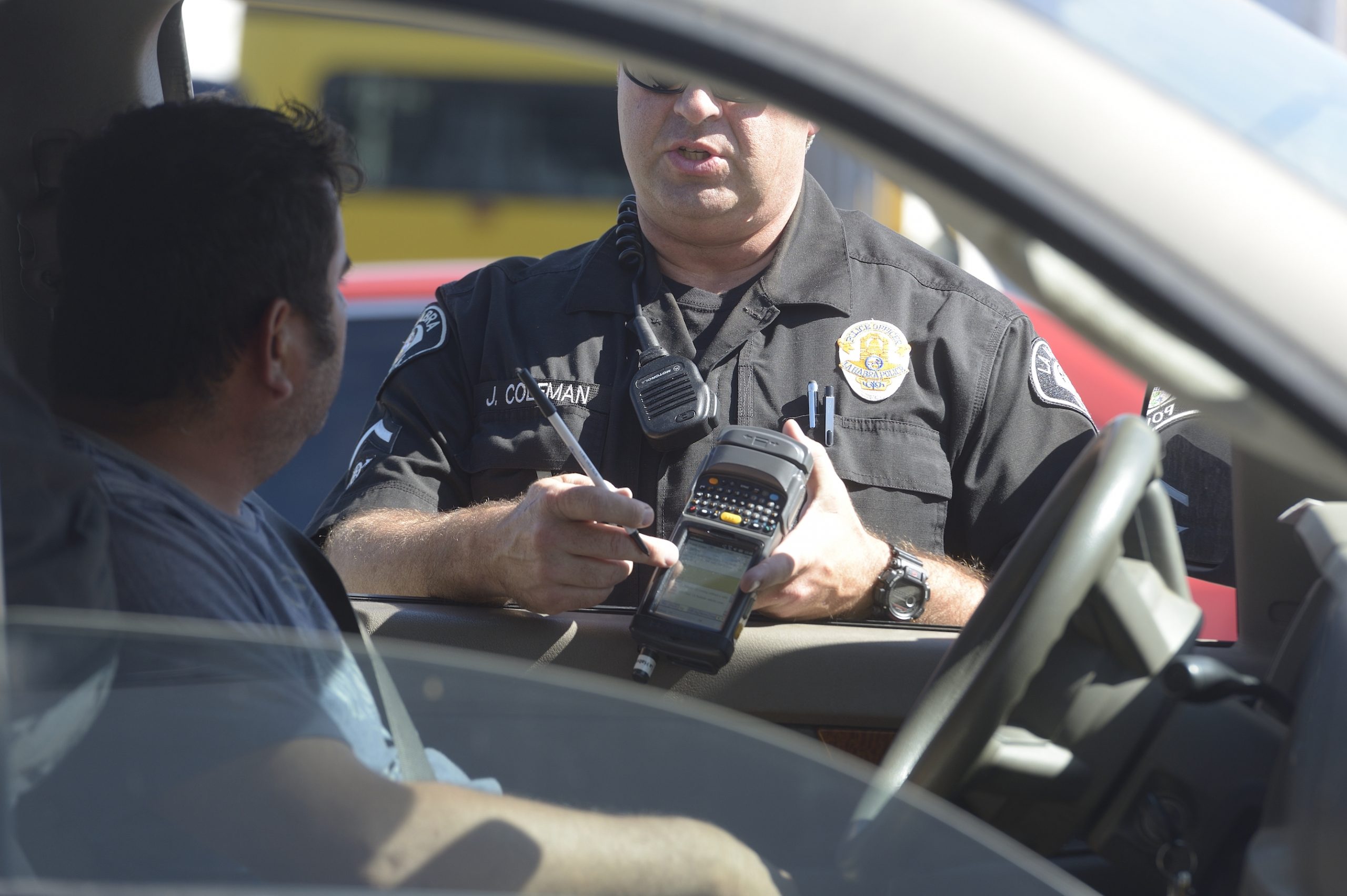
How Long Does a Suspended License Last in Arizona?
 It might seem obvious that you should not drive with a suspended license, but many people underestimate the seriousness of this offense. Driving on a suspended license in Arizona can lead to costly penalties, so it’s important to be aware of the facts.
Some of the most common offenses that result in a suspended license in Arizona are careless driving, driving without insurance, driving under the influence, and unpaid fines. One question that people frequently ask is, “how long does a suspended license last in Arizona?” Our team at The Law Office of Zayed Al-Sayyed is here to answer that.
Penalties of Driving on a Suspended License in Arizona
Knowingly driving on a suspended license in Arizona is illegal. It is a Class 1 misdemeanor. Potential consequences include prolonging your license suspension, hefty fines, a jail sentence of up to 180 days, a probation period of up to 3 years, and having your vehicle impounded for up to 30 days.
While these are solely maximum sentencing options and only a small number of cases ever result in jail time, driving with a suspended or revoked license is still clearly not a risk worth taking.
A Suspended License on Your Record in Arizona
 A license suspension will remain on your driving record for 12 months. The same applies to traffic points for road offences. Any penalties faced for a suspended license violation are civil penalties, not criminal sentences. However, the longest-lasting consequence or penalty you could expect to face is an increase in your car insurance premium.
This will be the largest cost that will come from getting caught driving on a suspended license because these increases in insurance are always long-term. In some cases, insurance companies even cancel policies purchased by people that get their licenses suspended for critical offenses.
What To Do if You are Charged with Driving on a Suspended License in Arizona
If you are charged with driving on a suspended license, the best thing you can do is get a skilled attorney. Not only can they help you contest the charges, but they will have knowledge on how you should proceed with your case.
Before you make any statements, negotiations, or court appearances, consult with a criminal defense attorney in Phoenix to understand your rights and odds. An experienced criminal defense attorney will offer the best strategies to fight the penalties or get your charges dismissed.
Top Criminal Defense Law Firm in Phoenix, AZ
 If you or a loved one are facing charges for a suspended license in Arizona, our award-winning team of attorneys can help. Whether you are hoping to contest the charge or looking to learn more about your options, an experienced lawyer can guide you through the process.
Contact us today to schedule a free consultation and find out why our clients think we are the best criminal defense law firms in Phoenix, AZ.
 por Zayed Al-Sayyed
Can You Drive Someone Else’s Car in Arizona?
 Did you ever take your mom’s car to the grocery store as a teenager? Or your girlfriend’s car to go to work when yours was in the shop? For nearly every driver, there comes a time when you might need to drive someone else’s car. Whether it was an emergency or you simply asked a favor of someone, we have all been there.
However, this begs a few questions: can you drive someone else’s car in Arizona? Is it legal? Are you covered by insurance? In this article, our team of experienced attorneys is answering all of the internet’s burning questions about driving someone else’s car.
Will the Other Person’s Insurance Cover You?
When someone loans you their car, they are basically loaning you their auto insurance along with it. If the person does not have car insurance, it’s a general rule of thumb that you should not get behind the wheel of their car. Both you and the car owner can get into a lot of trouble if you are caught driving without proper insurance coverage.
In Arizona, automobile insurance typically follows the car, rather than the driver. Unless the insurance company is particular about having a list of “named drivers” who are covered by insurance, anyone who gets behind the wheel is typically covered in the event of an accident.
There is, however, a condition. In order to be protected by insurance, the driver must have a valid driver’s license. Most auto insurance policies contain a legality known as the “omnibus clause.” This states that the policy holder’s insurance will cover any driver of their vehicle, as long as they are licensed to drive a car.
 The Omnibus Clause
Under the omnibus clause in an auto insurance policy, if a friend lets you use their car and you get into an accident where you are found to be at fault, your friend’s insurance policy will cover any damage up to the policy’s limits. Unfortunately, your friend will also be responsible for paying the deductible and any other costs not covered by the policy.
What to Check before Driving Someone Else’s Car
Before driving someone else’s car in Arizona, there are a few things you should confirm.
- The person’s insurance policy. You should confirm that the person has an existing insurance policy on their car and that in the event of any mishap, there are no restrictions against other drivers.
- Your own driver’s license and insurance policy. Make sure you have a valid driver’s license and an auto insurance policy of your own. If you do not have either, it is best that you work towards obtaining both before getting behind the wheel of any car.
- Proof of insurance and car registration should be in the vehicle. Along with your driver’s license, these are items that a police officer would ask for in the event that you get pulled over or an accident occurs. Ask the car owner to show you where to find these documents in their car, so you know exactly where to look if needed.
So, while the answer to “can you drive someone else’s car in Arizona?” is yes, it is something you should carefully consider beforehand. It’s also important to note that while insurance may cover the cost of repairs in an accident, any traffic points assigned for an accident or driving misconduct will go on your record.
Top Car Accident Attorneys in Phoenix, AZ
Here at The Law Office of Zayed Al-Sayyed, our skilled team of car accident attorneys handles each case efficiently and with compassion. After experiencing a car accident, many people become overwhelmed and end up being taken advantage of by greedy insurance companies. We don’t let that happen.
Our Aggressive Compassionate Representation ensures that you have someone who will aggressively fight for your rights, while treating you with compassion and respect. If you or a loved one has been in a car accident in Phoenix, call us today for a free consultation.
 por Zayed Al-Sayyed
Who Is At Fault in a Pedestrian Accident?
 While many auto accidents involve two vehicles colliding with one another, some also involve a collision with a pedestrian. In these cases, many people wonder who is at fault in a pedestrian accident. Unfortunately, there is no black and white answer. Oftentimes the vehicle driver is found to be at fault, but there have been plenty of instances where the pedestrian was the one at fault.
With one of the nation’s highest rates of pedestrian deaths, Arizona is not the safest state to traverse on foot. Regardless of whether or not you have been involved in a pedestrian accident, it’s important to understand how fault is determined and which damages could be recovered. Our top auto accident attorneys are here to answer any questions you might have about pedestrian accidents.
Arizona Pedestrian Accident Statistics
According to Arizona state law, the term “pedestrian” refers to anyone who is running, walking, or traveling in a wheelchair. Unfortunately, pedestrian accidents are a common issue in Arizona. Below are some of the most prominent recent statistics regarding Arizona pedestrian accidents:
- In 2018, Arizona had 3.3 pedestrian deaths per 100,000 people, which was nearly twice the national average.
- More than 50% of all fatal pedestrian crashes in Arizona occur in the road, but not in a crosswalk or intersection.
- From 2014 to 2019, Arizona has seen a 42% increase in pedestrian fatalities.
- In 2018, Arizona had the 4th highest fatality rate for pedestrians in the country, following behind New Mexico, Florida, and Louisiana.
- Between 2014 and 2019 alone, 1,202 pedestrians were killed from a collision with a vehicle.
- Every year since 1994, Arizona has ranked in the top 10 states for pedestrian deaths.
Determining Fault in Pedestrian Accidents
 Because pedestrians are very much protected by state law in the event of an accident, vehicle drivers are often found to be at fault. Pedestrians always have the right of way and vehicle drivers are expected to exercise extreme caution when coming across a pedestrian on the road. The main reason for this is that drivers have a legal responsibility to follow all traffic laws, while pedestrians have no such standards to contend with.
That being said, pedestrians are not exempt from potential fault just because they are protected by law. There are several cases in which a pedestrian could be deemed at fault in a collision, including:
- Recklessly crossing the road (running across traffic, crossing outside of a crosswalk at night, etc.)
- Being willfully impaired by alcohol or drugs
- Ignoring signs or crosswalks.
Pedestrian Accident Attorneys in Phoenix
 If you or somebody you know has been involved in a pedestrian accident and is seeking compensation for damages, it’s important to seek out a skilled pedestrian accident attorney who has experience with similar cases. At The Law Office of Zayed Al-Sayyed, our dedicated personal injury attorneys have a proven track record of success with pedestrian accident cases.
Give us a call today to schedule a FREE consultation with one of our lawyers!
 por Zayed Al-Sayyed
What Happens If You Get Hit By a Truck?
 Semi-trucks are at the center of thousands of accidents each year, causing unimaginable pain and heartache for all those involved. While we all hope to never find out what happens if you get hit by a truck, it’s important to understand what would happen.
With roughly 500,000 truck accidents taking place across the United States each year, it’s essential to be prepared. Our team of Phoenix truck accident attorneys is breaking down the important info that you should know regarding truck accidents in Arizona and what to do in the event of a truck accident.
Arizona Truck Accident Statistics
Between 2010 and 2019, the United States has seen a 42% increase in fatal crashes involving large trucks. Serving as a gateway to California, Arizona receives thousands of trucks on its highways each year. Below are some of the most staggering statistics regarding truck accidents both in the United States and in Arizona:
- In 2018, 67% of all deaths from crashes involving large trucks around the United States were passengers in other vehicles.
- The number of total vehicle crashes in Arizona was 129,750 in 2019, up by 1.6% from the year before.
- Alcohol related crashes in 2019 accounted for approximately 25% of all fatal crashes that year.
- It takes roughly 40x longer for a large truck to come to a complete stop than it does for a car.
- Motor vehicle crashes resulted in a total economic loss of $18.442 billion USD to Arizona.
- In 2019, trucks and buses were involved in 12,894 of all accidents in Arizona.
- Of those accidents, there were 2,891 injuries and 92 fatalities.
What To Do If I’m Hit By a Truck in Arizona
Truck accidents are incredibly scary situations both for those involved and for their loved ones. If you are involved in a truck accident in Arizona, it’s important to go through each of the following steps:
- Report the accident to the authorities
- Remain at the scene of the accident
- Collect any relevant information, including the truck driver’s information and vehicle details
- Get the contact information of any witnesses
Seek medical attention, even if you don’t believe yourself to be injured
- Consult with an experienced truck accident attorney
 If you’ve been injured in a truck accident due to the negligence of someone else, you may be entitled to legal compensation. By working with a skilled Phoenix truck accident attorney, you can rest assured that you have someone in your corner fighting for you to get the maximum allowable compensation. While a lawsuit won’t take back what happened, it can go a long way in helping to financially recover from the aftermath of a truck accident.
Truck Accident Attorneys in Phoenix, AZ
If you or a loved one has been involved in a truck accident, it’s important to seek out an experienced truck accident attorney to protect your rights and fight on your behalf. At The Law Office of Zayed Al-Sayyed, our award-winning team of lawyers utilizes an Aggressive Compassionate Representation strategy to aggressively fight for our clients and treat each unique case with compassion.
Contact us today for a free consultation and let’s discuss what we can do for you.
We never advise clients to call insurance company
 por Zayed Al-Sayyed
What Are the Benefits of Hiring a Personal Injury Lawyer?

A personal injury accident can be a life-altering experience. When somebody else’s negligence causes you pain and suffering, a personal injury lawyer can help you seek rightfully deserved compensation. Personal injury cases can be lengthy, complex, and downright confusing for anyone who is unfamiliar with them. For this reason and many more, it’s critical to hire an experienced personal injury lawyer to represent you.
Benefits of Hiring a Personal Injury Lawyer
While you are not required to hire a personal injury lawyer, it’s an essential step in obtaining the maximum compensation in your case. At The Law Office of Zayed Al-Sayyed, our award-winning team of personal injury lawyers has a proven record of going the extra mile for our clients.
 Before seeking legal representation, many people ask themselves: What are the benefits of hiring a personal injury lawyer? We have compiled a list of the top benefits you can expect from working with a personal injury lawyer on your case.
Here are the top 5 benefits of hiring a personal injury lawyer:
-
Personal injury lawyers improve your odds.
To put it bluntly, insurance adjusters are sharks. They will take advantage of your lack of understanding about the law and the claim process to get you a low settlement. Having an experienced personal injury lawyer fighting for you significantly improves your odds of obtaining the highest possible settlement.
-
Personal injury lawyers are experienced in all sorts of cases.
It’s very rare to approach a personal injury lawyer with a case they have never seen before. More often than not, they have dealt with similar cases in the past and can bring a wealth of relevant knowledge to the table.
-
Personal injury lawyers are determined to see you win.
Because many personal injury lawyers are only paid if you get an insurance settlement, you can rest assured that they have plenty of motivation to secure the highest possible settlement for you. When you win, they win.
-
Personal injury lawyers help you make informed decisions.
The process of filing a personal injury claim can be frustratingly long, leading to people settling for any compensation amount they are offered if they don’t know they could do better. When you work with a skilled personal injury lawyer, they will conduct a thorough investigation of your case and develop the best strategy for your unique situation.
-
Personal injury lawyers can expedite the claim process.
 When you hire an attorney immediately following your accident, they can file a personal injury claim on your behalf and get the process started while you recover. Their experience and knowledge of the law can help move the process along much quicker than if you attempted to do it on your own.
Top Personal Injury Lawyers in Phoenix
If you or somebody you know has experienced property damage or personal injury in an accident, contact us today to schedule a free consultation with one of our highly skilled personal injury attorneys and find out why The Law Office of Zayed Al-Sayyed is one of the top personal injury law firms in Phoenix, AZ.
 por Zayed Al-Sayyed
Who is at Fault in Most Motorcycle Accidents?
 Whether somebody you love owns a motorcycle or you are a rider yourself, the thought of a motorcycle accident is enough to send shivers up all of our spines. These traumatic accidents can cause irreversible damage to the lives of those involved, from painful injuries and expensive hospital bills to loss of life.
The first and most critical step in making a claim for any damages in a motorcycle accident is determining who is at fault. At The Law Office of Zayed Al-Sayyed, our experienced team of attorneys is highly skilled in motorcycle accident cases. If you or a loved one was involved in a motorcycle accident and believe you are entitled to compensation for personal injury or property damage, we are here to help.
What is the Most Common Cause of Motorcycle Accidents?
 There is a popular misconception that motorcyclists are the primary cause of motorcycle accidents. In reality, motorcycle accidents are more often the fault of passenger vehicle drivers. Because car drivers are at less risk than motorcycle drivers in the event of a collision, car drivers tend to drive more recklessly and are more likely to cause an accident. According to the National Highway Traffic Safety Administration, motorcyclists are 28 times more likely to lose their lives in a collision than those in a passenger vehicle.
Here are some of the most common causes of motorcycle accidents:
- Distracted driving
- Left-turn accidents
- Drunk driving
- Brake checking
- Reckless lane changes
While many people think that faulty motorcycle parts are common causes of motorcycle accidents, this is actually an incredibly rare occurrence. One of the best ways to avoid traumatic injuries in a motorcycle accident is wearing a helmet. In the state of Arizona, only motorcycle drivers and passengers under the age of 18 are required by law to wear a helmet. However, regardless of the law, helmets are still recommended as the best way to avoid fatal injury in accidents.
Skilled Motorcycle Accident Attorneys in Phoenix, AZ
 Here at The Law Office of Zayed Al-Sayyed, our award-winning law firm handles each individual case with diligence, compassion, and efficiency. After suffering through a motorcycle accident, it’s easy to become overwhelmed and get taken advantage of by sneaky insurance adjusters who will pretend to be your friend.
We are here to ensure that you obtain the maximum compensation available to you, without dealing with a long and stressful process. Our aggressive approach to your case and compassionate approach to working directly with you helps ensure we obtain justice for you. From start to finish, we will keep you updated every step of the way so you are never in the dark. We are experienced in motorcycle accident cases and will know exactly how to help, so you just focus on healing and let us handle the rest.
If you or somebody you know has experienced property damage or personal injury in a motorcycle accident, contact us today to schedule a free consultation with one of our skilled motorcycle accident attorneys and find out why we’re one of the top law firms in Phoenix, AZ.
 por Zayed Al-Sayyed
Arizona Motorcycle Helmet Laws
 Arizona is wildly popular among motorcyclists for its long stretches of breathtaking desert landscapes and seemingly endless sunshine. With so many motorcyclists in The Grand Canyon State, it may come as a shock to learn that there is a lot of speculation surrounding the Arizona motorcycle helmet laws.
It can be difficult to keep track, especially if you often travel between states, but it’s important to understand the motorcycle helmet laws of each state you travel to. In the neighboring state of California, everyone who rides a motorcycle must wear a safety helmet at all times. However, each state has their own specific laws pertaining to the use of helmets when riding on a motorcycle.
 The highly rated Phoenix attorneys at El bufete de abogados de Zayed Al-Sayyed are dedicated to ensuring that individuals are compensated for medical care, property damages, lost wages, and pain and suffering. In this quick guide to Arizona motorcycle helmet laws, we will break down everything you need to know if you plan on riding a motorcycle in this state.
What Are The Arizona Motorcycle Helmet Laws?
So, do you have to wear a helmet when riding a motorcycle in Arizona? Well, it depends. In the state of Arizona, only motorcycle drivers and riders under the age of 18 must wear a safety helmet by law. That being said, this law may be changing in the near future. In 2019, lawmakers introduced HB 2246, a law that would require all motorcycle riders to wear helmets, regardless of age.
 While not all motorcyclists are required to wear a helmet, Arizona state law requires all motorcycle riders to wear some form of eye protection. Even if you are over the age of 18 and are therefore not legally required to wear a motorcycle helmet in Arizona, we recommend that you wear one for your own safety. Our Phoenix motorcycle accident attorneys are incredibly familiar with how traumatic motorcycle accidents can be to all those involved.
Arizona Motorcycle Facts
 Nobody expects to get into a motorcycle accident, but it can happen at any time for a number of reasons. In the event of an accident, wearing a helmet can go a long way in reducing potential injuries. Here are some fast facts about motorcycles in Arizona, according to the Arizona Department of Transportation:
- In 2019, there were 209,719 registered motorcyclists in Arizona
- That same year, there were 170 motorcycle-related fatalities
- In the reported accidents, 14.55% of motorcycle operators wearing a helmet sustained no injuries, compared to 7.57% of motorcycle operators who were not wearing a helmet and sustained no injuries
- The risk of sustaining a head injury in a motorcycle accident can be reduced by 69% by wearing a helmet
- The risk of fatality can be reduced by 37% by wearing a helmet
Contact us today for a free consultation if you or a loved one have any questions about Arizona motorcycle helmet laws or are in need of representation for a motorcycle-related incident. Our dedicated team is here to help!
 por Zayed Al-Sayyed
When should you get a lawyer for a car accident?
 If you are dealing with the aftermath of a car accident in the Phoenix, Arizona (AZ) area, you may be wondering: should I get a lawyer involved? The truth is that car accidents are no small matter — even if significant injury or death did not occur, it is probably time to call an attorney.
The fastest way to decide if you need an attorney after a car accident is to receive a free consultation to determine if a lawyer is right for your situation. Additionally, consult the following question checklist to establish whether your accident merits further legal action:
Did serious injury or death occur?
If parties were seriously harmed or even killed in the car accident, you should contact a lawyer immediately. These accidents usually signal the beginning of a long and complicated lawsuit — one you cannot and should not handle on your own.
Serious injury cases in Phoenix, AZ often involve costly damages, and the potential risk of remaining unrepresented is far greater than the cost of hiring an attorney to represent you throughout the length of the claim.
 Are you unable to work because of injuries sustained in the accident?
If you suffered bodily harm that prevents you from returning to your job, an attorney can help you gain compensation resulting from your inability to work. This is especially true if you have suffered a permanent injury that will impact your ability to earn for the rest of your life.
Were multiple parties involved in your accident?
The more vehicles that are involved in a car accident, the more complicated insurance claims and settlements become. As these cases become increasingly complex, it is important to contact a lawyer who can help you negotiate with every party involved — you, your insurance company, the other parties, and their insurance companies.
Do you believe you were wrongly accused of being at fault for the accident?
If, in the aftermath of an accident, the police report indicated you were at fault — when you believe you were not — it is best to call a lawyer. It will not be easy to prove that you were not the party at fault in the accident by yourself. Fortunately, an attorney can help you negotiate and collect evidence that speaks to your innocence.
 Was the accident a result of negligence on the part of another party?
If the other party in the car accident was negligent in some way, you should contact an attorney. Lawyers in Phoenix, AZ can help you collect compensation based on the fact that you were injured due to the negligence of another.
Is your insurance company denying you your own coverage?
Sometimes, insurance companies act in bad faith. Even if you have insurance that covers the specific type of damages or injury you have sustained, they may not pay you for your claim — without even investigating your situation. If this occurs, it is time to call an attorney, who will help negotiate your claim and help you receive the funds you deserve.
Almost always, the answer is to pick up the phone
 These are some of the situations in which you might need an attorney after an auto accident, but the truth is that many more exist. That is why when it comes to car accidents, the answer is almost always: call a lawyer.
Getting an attorney involved from the very beginning is the best way to prevent yourself from accidentally saying or doing something that might prevent you from gaining the compensation and legal justice you deserve.
The Law Office of Zayed Al-Sayyed PLLC provides excellent service for clients in the Phoenix, AZ area who are victims of a car accident. Call or contact our legal team today for a free consultation to determine how you can gain compensation after an auto accident.
 por Zayed Al-Sayyed
What kind of cases do personal injury lawyers handle?

Even if you have — fortunately — never had to rely upon a personal injury lawyer before, you are probably familiar with them: lawyers who appear on television talking about how they have helped clients obtain compensation after they have been injured.
Unfortunately, advertisements often neglect to explain the basics of what a personal injury lawyer does for their clients — the benefits of which are numerous. What is a personal injury lawyer, and what sorts of injuries do their services cover? Is a personal injury lawyer right for you? Perhaps most importantly: what kinds of cases do personal injury lawyers handle?
Follow along for answers to all of these questions and more about personal injury lawyers and the host of services they provide.
Civil lawyers specializing in tort law
In Phoenix, Arizona (AZ), personal injury lawyers handle civil cases and specialize in a specific area known as tort law. Tort law includes private wrongs, personal injuries, car accident injuries and other types of injuries resulting from slip and falls to product liability. The main goal of a personal injury lawyer is to help the injured party — in many instances, you — obtain justice in the form of compensation for any losses suffered at the hands of another.
When it comes to personal injury, this most often means cases regarding negligence or intentional harm. Not only will personal injury lawyers seek to help their clients gain monetary compensation, but they will also work to protect clients from other sources of loss and harm that can occur alongside injury.
A list of personal injuries covered by a personal injury lawyer
The following injuries are all situations where a personal injury lawyer may become involved in Phoenix, AZ:
Some instances of personal injury
- Animal bites
- Aviation accidents
- Bicycle accidents
- Boating accidents
- Car accidents
- Construction accidents
- Daycare negligence
- Defective products
- Insurance & bad faith claims
- Legal malpractice
- Medical malpractice
- Motorcycle accidents
- Nursing home abuse
- Pedestrian accidents
- Slip and fall accidents
- Spinal cord injuries
- Truck accidents
- Wrongful death
In short: whenever one party harms another, whether in negligently or intentionally, there may be cause for a personal injury lawyer to get involved.
 Some examples of negligence are when companies create harmful and defective products, when doctors injure a patient by failing to uphold the standard level of medical care another medical professional would have provided, and when drivers fail to operate a motor vehicle in a reasonable and prudent manner so as to cause an accident.
Another type of personal injury that occurs involves intentional harm. Examples of intentional harm are injuries that result from an assault. Personal injury lawyers are also able to help injured clients obtain compensation when injuries arise from an intentional harm.
How the process of hiring a personal injury lawyer works
 A personal injury lawyer is traditionally hired when a civil action is brought against a party — such as a person or a business organization — by an injured person. Injured parties will rely on a personal injury lawyer to prosecute the case to obtain compensation for the resulting injury.
Sometimes these cases can be resolved through negotiation by the personal injury lawyer. If they cannot, the lawyer will file a lawsuit — otherwise known as a civil legal action where the plaintiff sues the defendant to obtain compensation for the resulting injury.
Have you been a victim?
If you live in the Phoenix, AZ area and think that you may be the victim of negligence or intentional harm, it is important to contact a personal injury lawyer immediately. Contact The Law Office of Zayed Al-Sayyed PLLC for excellent service and more information about your legal rights — including how you can gain compensation for your personal injury.
