

 por Zayed Al-Sayyed
The Most Dangerous Roads for Truck Accidents in Arizona
Arizona serves as one of the nation’s busiest freight corridors, with thousands of commercial trucks traveling through the state every day. Major interstates like I-10, I-17, Loop 101, Loop 202, and US-60 carry everything from consumer goods to industrial freight, making them critical transportation routes. While these highways help keep Arizona’s economy moving, they also experience a significant number of serious truck accidents due to heavy traffic, high speeds, construction, and complex freeway interchanges.
Because of their massive size and weight, commercial trucks require much longer stopping distances than passenger vehicles. Even a minor mistake by a truck driver or another motorist can quickly escalate into a catastrophic collision. Understanding where these crashes happen most often can help drivers stay alert and reduce their risk while traveling throughout Arizona.
Most Dangerous Roads for Truck Accidents in Arizona
Several highways consistently rank among the most hazardous for commercial truck crashes because of traffic volume, merging traffic, congestion, and freight activity.
Interstate 10 (I-10)
Interstate 10 is Arizona’s busiest freight corridor and one of the most heavily traveled truck routes in the Southwest. Thousands of tractor-trailers travel this interstate daily between California, Arizona, New Mexico, and Texas.
Common danger zones include:
- Broadway Curve
- Deck Park Tunnel
- I-10/I-17 Split
- Mini Stack (Loop 202 & SR-51)
- Near Sky Harbor Airport
- 43rd Avenue
- 51st Avenue
- 75th Avenue
- 99th Avenue
Heavy congestion combined with constant lane changes makes I-10 one of the highest-risk highways for serious truck accidents.
Interstate 17 (I-17)
I-17 connects Phoenix with Northern Arizona while carrying both commuter traffic and commercial freight. Rush-hour congestion and numerous merging areas create dangerous driving conditions.
High-risk locations include:
- Indian School Road
- Thomas Road
- Camelback Road
- Dunlap Avenue
- The Stack Interchange
- I-10 Connection
Truck drivers frequently encounter sudden traffic slowdowns, aggressive merging, and limited reaction time throughout this corridor.
Other High-Risk Arizona Truck Routes
Additional highways where commercial truck crashes occur regularly include:
- Loop 101
- Loop 202
- US-60 (Grand Avenue)
- SR-51 connections
- State Route 143 near Sky Harbor Airport
These roadways combine high vehicle volumes with multiple freeway interchanges, increasing the likelihood of truck-related crashes.
Phoenix’s Most Dangerous Intersections
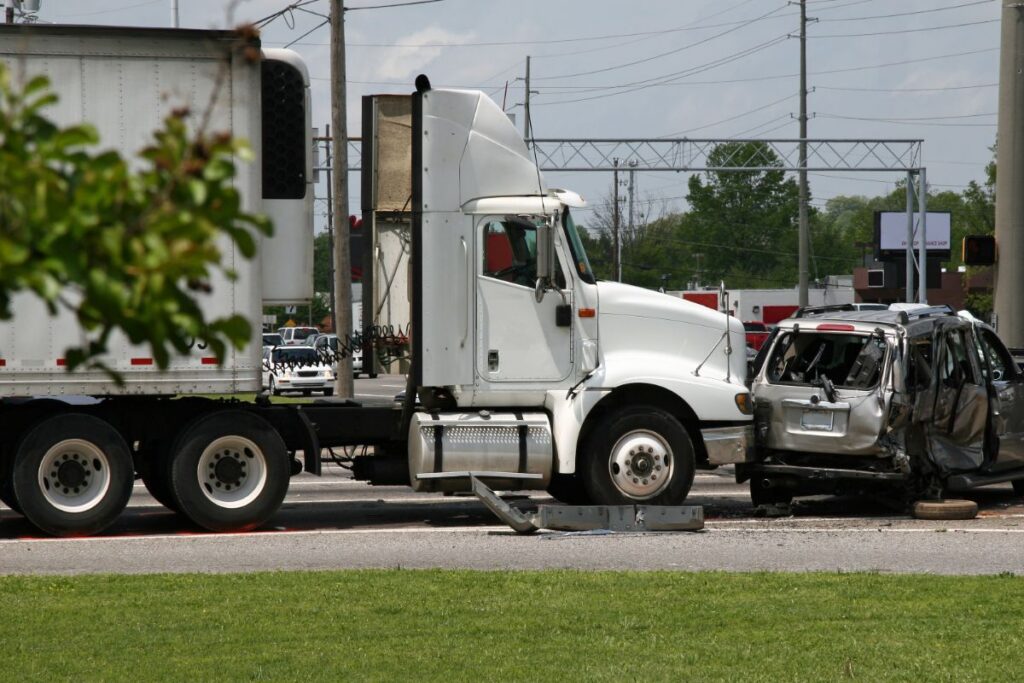
While freeways receive much of the attention, many serious truck collisions occur at busy intersections where commercial vehicles interact with commuters, pedestrians, and cyclists.
Some of the highest-risk intersections include:
- 19th Avenue & Camelback Road
- 35th Avenue & Bethany Home Road
- 67th Avenue & Indian School Road
- 43rd Avenue & Glendale Avenue
- 75th Avenue & Thomas Road
- 51st Avenue & Indian School Road
- 27th Avenue & Indian School Road
- Central Avenue & McDowell Road
- Bell Road & 35th Avenue
- Cave Creek Road & Cactus Road
Large intersections require trucks to make wide turns, stop longer distances, and navigate multiple lanes of traffic, all of which increase collision risks.
Why These Roads Are More Dangerous
Truck accidents rarely result from a single cause. Instead, they often involve several contributing factors that make Arizona’s busiest roads particularly hazardous.
The most common contributing factors include:
- Heavy commercial freight traffic
- High-speed freeway travel
- Driver fatigue
- Distracted driving
- Aggressive lane changes
- Short merge lanes
- Construction zones
- Poor visibility
- Tire blowouts caused by extreme Arizona heat
- Improperly secured cargo
- Mechanical failures
- Traffic congestion during rush hour
Arizona’s extreme summer temperatures can also contribute to tire failures, overheated brakes, and mechanical issues that increase crash risks for large commercial vehicles.
Common Types of Truck Accidents
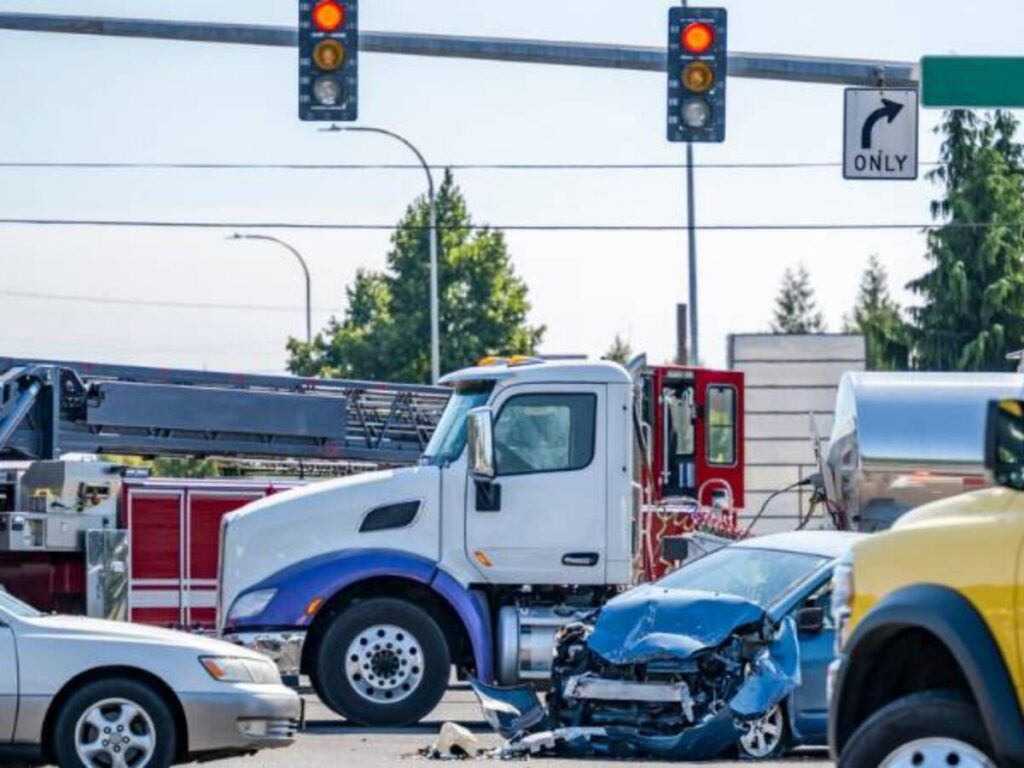
Commercial truck crashes often involve far more severe damage than passenger vehicle collisions because fully loaded tractor-trailers can weigh up to 80,000 pounds.
Common truck accident types include:
- Rear-end collisions
- Jackknife accidents
- Rollover crashes
- Wide-turn accidents
- Underride collisions
- Override collisions
- Sideswipe accidents
- Multi-vehicle pileups
- Cargo spill accidents
- T-bone collisions at intersections
These crashes frequently cause traumatic brain injuries, spinal cord injuries, fractures, internal injuries, and fatalities.
Arizona Truck Accident Statistics
Arizona continues to experience thousands of crashes involving large commercial vehicles every year. Maricopa County accounts for the majority of the state’s traffic collisions due to its large population and extensive freeway system.
Key traffic trends include:
- Maricopa County experiences over 70% of Arizona crashes.
- Phoenix remains Arizona’s busiest traffic corridor.
- Speeding continues to be a leading cause of severe crashes.
- Distracted driving remains a growing concern.
- Large urban intersections experience significant injury crashes each year.
- Commercial truck traffic continues to increase along Arizona’s major freight routes.
Safety Tips for Sharing the Road With Trucks
Drivers can significantly reduce their risk by understanding how commercial trucks operate and allowing them additional space.
Safety recommendations include:
- Stay out of truck blind spots.
- Avoid cutting in front of large trucks.
- Allow extra following distance.
- Never pass on the right during wide turns.
- Use turn signals early.
- Slow down during construction zones.
- Stay alert during heavy traffic.
- Avoid distracted driving.
- Never drive aggressively around commercial vehicles.
- Give trucks additional room during bad weather.
What Should You Do After a Truck Accident?
Truck accident claims are often much more complex than standard car accident cases because multiple parties may be responsible, including the trucking company, driver, maintenance providers, cargo loaders, or manufacturers.
If you’re involved in a truck accident:
- Call 911 immediately.
- Seek medical attention.
- Document the accident scene.
- Take photographs of all vehicles.
- Obtain witness information.
- Do not admit fault.
- Preserve medical records and repair estimates.
- Avoid speaking with insurance adjusters before understanding your legal options.
- Contact an experienced Arizona truck accident attorney as soon as possible.
Why Legal Representation Matters
Commercial trucking cases involve federal regulations, electronic logging devices, driver qualification records, maintenance logs, and corporate insurance policies. Evidence can disappear quickly if it is not preserved immediately after a crash.
An experienced attorney can investigate the collision, identify all liable parties, preserve critical evidence, negotiate with insurance companies, and pursue compensation for medical expenses, lost wages, property damage, pain and suffering, and future damages.
 Contact The Law Offices of Zayed Al-Sayyed
If you or someone you love has been injured in a truck accident anywhere in Arizona, don’t face the insurance companies alone. The Law Offices of Zayed Al-Sayyed has extensive experience helping injury victims pursue the compensation they deserve after serious commercial vehicle collisions.
Whether your accident occurred on I-10, I-17, Loop 101, Loop 202, US-60, or at one of Phoenix’s dangerous intersections, our legal team is ready to help.
Call The Law Offices of Zayed Al-Sayyed today at (602) 952-9937 to schedule your free consultation and learn how we can protect your rights after a truck accident.
Frequently Asked Questions
What is the most dangerous highway for truck accidents in Arizona?
Interstate 10 is widely considered Arizona’s most dangerous highway for truck accidents because of its heavy freight traffic, high speeds, and numerous congested interchanges.
Why are truck accidents more severe than car accidents?
Commercial trucks can weigh up to 80,000 pounds, making collisions much more likely to result in catastrophic injuries or fatalities.
Where do most truck accidents happen in Phoenix?
Many truck accidents occur along I-10, I-17, Loop 101, Loop 202, US-60, and busy intersections such as 67th Avenue & Indian School Road and 19th Avenue & Camelback Road.
What causes most truck accidents?
Driver fatigue, speeding, distracted driving, equipment failures, improper cargo loading, traffic congestion, and aggressive lane changes are among the leading causes.
Should I hire a lawyer after a truck accident?
Yes. Truck accident cases often involve multiple liable parties, federal trucking regulations, and large insurance companies, making experienced legal representation important.
How long do I have to file a truck accident claim in Arizona?
In many cases, Arizona’s statute of limitations for personal injury claims is two years, although exceptions may apply. Speaking with an attorney promptly helps protect your legal rights.
Helpful Resources:
 por Zayed Al-Sayyed
What Are the Trucking Laws in Arizona in 2026?
Commercial trucking plays a major role in Arizona’s economy, especially along major freight corridors like Interstate 10, Interstate 17, and Interstate 40. Because large commercial trucks can cause catastrophic accidents, Arizona and federal agencies enforce strict trucking laws and safety regulations designed to protect drivers and the public.
If you are a truck driver, trucking company owner, or someone injured in a truck accident, understanding Arizona trucking laws in 2026 is important. This guide explains Arizona commercial trucking regulations, Hours of Service rules, CDL requirements, truck weight limits, and safety laws that apply to commercial vehicles operating throughout the state.
Who Regulates Trucking Laws in Arizona?
Arizona trucking laws are enforced by both state and federal agencies. The primary agencies include:
- Arizona Department of Public Safety (DPS) Commercial Vehicle Enforcement Bureau
- Arizona Department of Transportation (ADOT)
- Federal Motor Carrier Safety Administration (FMCSA)
Commercial truck drivers and trucking companies operating in Arizona must comply with both Arizona state laws and federal trucking regulations.
These agencies conduct roadside inspections, weigh station checks, safety audits, and enforcement operations to ensure trucking companies follow safety laws and properly maintain commercial vehicles. (FMCSA)
What Is Considered a Commercial Vehicle in Arizona?
Arizona generally classifies a commercial motor vehicle (CMV) as a vehicle used for business purposes that meets certain weight or operational thresholds.
Commercial vehicle regulations commonly apply to:
- Vehicles over 10,000 pounds operating in interstate commerce
- Vehicles over 26,000 pounds operating intrastate
- Vehicles transporting hazardous materials
- Vehicles carrying passengers for compensation
Commercial vehicles may require special registration, permits, USDOT numbers, and compliance with FMCSA safety regulations. (Arizona Department of Transportation)
Arizona CDL Requirements in 2026
Truck drivers operating commercial vehicles in Arizona must hold the proper Commercial Driver’s License (CDL). Different CDL classifications and endorsements apply depending on the vehicle and cargo.
Common CDL endorsements may include:
- Hazardous materials (HazMat)
- Tank vehicles
- Passenger transport
- Double or triple trailers
Arizona CDL applicants must also meet federal and state requirements involving:
- DOT medical examinations
- Proof of residency
- Identity verification
- Driver training requirements
Many CDL applicants are now required to complete training through an FMCSA-approved training provider before taking CDL exams. (Arizona Department of Transportation)
Hours of Service (HOS) Rules for Truck Drivers
One of the most important trucking safety laws in Arizona involves federal Hours of Service regulations. These rules are designed to reduce fatigued driving accidents caused by overworked truck drivers.
In general, federal Hours of Service rules limit drivers to:
- A maximum of 11 driving hours after 10 consecutive hours off duty
- A 14-hour work window
- No more than 60 hours on duty in 7 days
- No more than 70 hours on duty in 8 days
Truck drivers and carriers who violate Hours of Service rules may face fines, penalties, and liability after an accident. Driver fatigue remains one of the leading causes of serious truck accidents nationwide. (FMCSA)
Arizona Truck Size and Weight Limits
Arizona trucking laws also regulate commercial truck dimensions and weight restrictions.
General Arizona commercial truck limits include:
- Maximum truck length: 65 feet
- Maximum width: 8 feet 6 inches
- Maximum height: 14 feet
- Maximum gross vehicle weight: 80,000 pounds
Trucking companies transporting oversized or overweight loads may need special permits issued through ADOT before operating on Arizona roads. (Arizona Department of Transportation)
Truck Inspection and Maintenance Laws
Federal and Arizona regulations require trucking companies to properly inspect, repair, and maintain commercial vehicles.
Commercial truck inspections often focus on:
- Brakes
- Tires
- Steering systems
- Lighting
- Coupling devices
- Mirrors
- Cargo securement
- Exhaust systems
- Windshield equipment
Arizona DPS Commercial Vehicle Enforcement officers regularly inspect trucks at weigh stations and roadside checkpoints. Trucks with dangerous defects may be placed “out of service” until repairs are completed. (Arizona Department of Transportation)

Cargo Securement Laws in Arizona
Arizona trucking laws require cargo to be properly loaded and secured to prevent shifting loads or roadway debris accidents.
Improper cargo securement can lead to:
- Jackknife accidents
- Cargo spills
- Rollover crashes
- Tire blowouts
- Multi-vehicle accidents
Both trucking companies and cargo loading companies may face liability if improperly secured cargo causes an accident.
Drug and Alcohol Testing Requirements
Commercial trucking companies must comply with federal drug and alcohol testing regulations for CDL drivers.
Testing requirements may include:
- Pre-employment drug testing
- Random drug testing
- Post-accident testing
- Reasonable suspicion testing
- Return-to-duty testing
Truck drivers operating under the influence of drugs or alcohol can face severe criminal penalties, CDL suspension, and civil liability after accidents.
Common Trucking Law Violations in Arizona
Some of the most common trucking violations investigated after Arizona truck accidents include:
- Driver fatigue
- Hours of Service violations
- Speeding
- Distracted driving
- Brake failures
- Tire defects
- Improper cargo loading
- CDL violations
- Failure to inspect vehicles
- Drug or alcohol violations
In many truck accident cases, multiple parties may be responsible, including the driver, trucking company, cargo loaders, maintenance companies, or equipment manufacturers.
Arizona Truck Accident Liability Laws
Arizona follows a pure comparative negligence system. This means accident victims may still recover compensation even if they were partially at fault for the crash.
Truck accident cases are often more complex than regular car accidents because they may involve:
- Federal trucking regulations
- Electronic logging devices (ELDs)
- Black box data
- Maintenance records
- Driver qualification files
- Trucking company safety violations
Arizona generally allows injured victims two years from the date of the accident to file a personal injury claim.
Arizona trucking laws in 2026 continue focusing heavily on roadway safety, commercial driver accountability, and compliance with federal trucking regulations. Trucking companies and drivers operating throughout Arizona must follow strict laws involving licensing, vehicle maintenance, Hours of Service rules, cargo securement, and commercial safety standards.
When trucking companies ignore these regulations, the consequences can be devastating. Understanding Arizona trucking laws can help drivers, trucking companies, and accident victims better understand their legal responsibilities and rights.
Contact Phoenix Truck Accident Attorney Zayed Al-Sayyed Today
Truck accident cases are often far more complex than standard car accident claims. Violations of federal trucking regulations, driver fatigue, improper vehicle maintenance, overloaded cargo, and trucking company negligence can all play a role in causing serious crashes. If you or a loved one has been injured in a truck accident, it is important to act quickly to protect your rights and preserve critical evidence.
Zayed Al-Sayyed and his legal team have the knowledge and resources to investigate commercial truck accidents, identify all liable parties, and pursue the maximum compensation available for your injuries. We handle cases involving semi-trucks, tractor-trailers, delivery trucks, box trucks, and other commercial vehicles throughout Phoenix and Arizona.
Call The Law Office of Zayed Al-Sayyed today at (602) 952-9937 for a FREE consultation. There are no upfront costs, and you pay nothing unless we win your case. Let us fight for the compensation you deserve while you focus on your recovery.
FAQs About Trucking Laws in Arizona in 2026
What Laws Regulate Commercial Trucks in Arizona?
Commercial trucks operating in Arizona must comply with both Arizona state laws and federal regulations established by the Federal Motor Carrier Safety Administration (FMCSA). These laws govern driver qualifications, vehicle inspections, hours-of-service limits, cargo securement, hazardous materials transportation, and commercial vehicle safety requirements. Arizona’s Department of Public Safety and ADOT actively enforce these regulations.
How Many Hours Can a Truck Driver Legally Drive in Arizona?
Most commercial truck drivers are subject to federal Hours-of-Service (HOS) rules. Generally, drivers may drive up to 11 hours after 10 consecutive hours off duty and may not drive beyond a 14-hour on-duty window. Drivers are also required to take rest breaks and comply with weekly driving limits.
Are Electronic Logging Devices (ELDs) Required for Arizona Truck Drivers?
Yes. Most interstate commercial carriers must use Electronic Logging Devices (ELDs) to record driving time and ensure compliance with Hours-of-Service regulations. ELD requirements help prevent driver fatigue and improve highway safety.
What Are Arizona’s Commercial Vehicle Inspection Requirements?
Commercial trucks operating in Arizona are subject to inspections by state and federal enforcement agencies. Inspections may include reviewing driver qualifications, vehicle maintenance records, brakes, tires, cargo securement, safety equipment, and compliance with federal motor carrier regulations. Arizona also conducts special commercial vehicle enforcement operations throughout the state.
What Happens If a Trucking Company Violates Arizona Trucking Laws?
Trucking companies and drivers who violate trucking regulations may face fines, out-of-service orders, license penalties, increased insurance costs, and potential liability in accident lawsuits. Violations involving driver fatigue, improper maintenance, overloaded trucks, or unsafe driving can also be used as evidence in a truck accident claim.
 por Zayed Al-Sayyed
How Can a Truck Accident Lawyer Help After a Serious Crash in Phoenix, AZ?
Truck accidents are among the most devastating collisions on Phoenix roads. With major highways such as I-10, I-17, Loop 101, and Loop 202 carrying thousands of commercial trucks every day, serious accidents involving semi-trucks, tractor-trailers, delivery trucks, and other commercial vehicles are unfortunately common. Because these vehicles can weigh up to 80,000 pounds, truck accidents often result in catastrophic injuries, permanent disabilities, and significant financial losses.
If you or a loved one has been injured in a truck accident, understanding how a Phoenix truck accident lawyer can help is critical to protecting your rights and pursuing the compensation you deserve.
Why Truck Accident Cases Are More Complex Than Car Accidents
Unlike a typical car accident, truck accident claims often involve multiple parties, extensive evidence, and federal regulations. Determining who is responsible for a truck crash may require investigating:
- The truck driver
- The trucking company
- Vehicle maintenance providers
- Cargo loading companies
- Truck manufacturers
- Third-party contractors
In addition, commercial trucking companies must comply with regulations established by the Federal Motor Carrier Safety Administration (FMCSA). Violations of these regulations can play a major role in proving negligence after a serious crash.
Because of these complexities, hiring an experienced Phoenix truck accident lawyer can make a significant difference in the outcome of your case.
How a Truck Accident Lawyer Helps Protect Your Rights
After a serious truck accident, trucking companies and their insurance providers often begin investigating the crash immediately. Their goal is to minimize liability and reduce the amount they pay to victims.
Having a truck accident attorney on your side ensures someone is protecting your interests from day one.
A lawyer can:
- Conduct a thorough investigation of the accident
- Preserve critical evidence before it disappears
- Identify all liable parties
- Handle communication with insurance companies
- Calculate the full value of your damages
- Negotiate aggressively for a fair settlement
- Take your case to trial if necessary
By allowing your attorney to handle the legal process, you can focus on your recovery and your family’s well-being.
Investigating the Cause of the Truck Accident
A successful truck accident claim begins with a detailed investigation. Your attorney will gather evidence to determine exactly how the crash occurred and who should be held accountable.
Important evidence may include:
- Police reports
- Accident scene photographs
- Black box data
- Electronic logging device (ELD) records
- Driver qualification files
- Maintenance and inspection reports
- Witness statements
- Surveillance footage
- Cell phone records
- Accident reconstruction reports
Preserving this evidence quickly is essential because trucking companies may only retain certain records for a limited time.
Understanding Federal Trucking Regulations
Commercial truck drivers and trucking companies are required to follow strict federal safety regulations.
These rules govern:
- Hours-of-service limitations
- Driver rest requirements
- Vehicle inspections
- Truck maintenance schedules
- Cargo loading procedures
- Driver qualifications and training
When a trucking company violates these regulations, it can provide powerful evidence of negligence. A knowledgeable truck accident lawyer knows how to uncover these violations and use them to strengthen your case.
Identifying All Responsible Parties
One of the biggest advantages of hiring a truck accident lawyer is their ability to identify every party that may be responsible for your injuries.
Potentially liable parties may include:
The Truck Driver
Drivers may cause accidents through:
- Speeding
- Distracted driving
- Fatigued driving
- Impaired driving
- Reckless driving
The Trucking Company
A trucking company may be liable for:
- Negligent hiring practices
- Inadequate driver training
- Poor supervision
- Failure to maintain vehicles
- Encouraging unsafe driving practices
Maintenance Providers
Third-party maintenance companies can be held responsible if mechanical failures contributed to the crash.
Manufacturers
Defective brakes, tires, steering components, or other vehicle parts may create liability for manufacturers.
Identifying all responsible parties helps maximize the compensation available to accident victims.
Protecting You From Insurance Company Tactics
Insurance companies are focused on protecting their bottom line—not your recovery.
Following a truck accident, insurers may attempt to:
- Blame you for the collision
- Downplay your injuries
- Question medical treatment
- Request recorded statements
- Offer quick settlements for far less than your case is worth
A Phoenix truck accident lawyer acts as your advocate and handles all negotiations on your behalf, ensuring you are not pressured into accepting an unfair settlement.
What Compensation Can You Recover?
Truck accidents often result in life-changing injuries and significant financial hardship. Depending on the circumstances of your case, you may be entitled to compensation for:
Medical Expenses
- Emergency medical treatment
- Hospital stays
- Surgeries
- Physical therapy
- Rehabilitation
- Future medical care
Lost Income
- Lost wages
- Reduced earning capacity
- Future lost earnings
Pain and Suffering
- Physical pain
- Emotional distress
- Mental anguish
- Loss of enjoyment of life
Property Damage
- Vehicle repairs
- Vehicle replacement
- Personal property losses
Long-Term Disability
Serious truck accidents can result in permanent disabilities requiring lifelong medical treatment and accommodations.
An experienced attorney will work with medical and financial experts to determine the full value of your claim.
Why You Should Act Quickly After a Truck Accident
Time is critical after a truck accident.
Important evidence can disappear, witnesses’ memories can fade, and legal deadlines can impact your ability to pursue compensation. Arizona law generally limits the amount of time you have to file a personal injury claim.
The sooner you contact a truck accident lawyer, the sooner they can begin protecting your rights and building your case.
Contact a Phoenix Truck Accident Lawyer Today
If you or a loved one has been injured in a truck accident in Phoenix, Glendale, Gilbert, Scottsdale, Peoria you do not have to face the trucking company and insurance carriers alone. Truck accident claims are complex, and having experienced legal representation can make a significant difference in the outcome of your case.
El bufete de abogados de Zayed Al-Sayyed
At The Law Office of Zayed Al-Sayyed, we fight for truck accident victims throughout Phoenix and the surrounding communities. Our team investigates serious truck crashes, identifies all responsible parties, and aggressively pursues the compensation our clients deserve.
Call The Law Office of Zayed Al-Sayyed today at (602) 952-9937 for a FREE consultation.
There are no attorney fees unless we win your case.
 por Zayed Al-Sayyed
What to Do After a Semi-Truck Accident in Phoenix, AZ (Step-by-Step Guide)
A semi-truck accident can change your life in an instant. With major highways like I-10, Loop 101, Loop 202, and I-17 running through the Phoenix metro area, commercial truck traffic is a daily reality for Arizona drivers. Unfortunately, accidents involving semi-trucks, tractor-trailers, and other commercial vehicles often result in severe injuries, significant property damage, and complicated legal claims.
If you or a loved one has been involved in a truck accident in Phoenix, knowing what steps to take immediately afterward can help protect your health, preserve critical evidence, and strengthen your injury claim.
Why Taking the Right Steps After a Truck Accident Matters
Truck accident cases are often far more complex than standard car accident claims. Multiple parties may be involved, including the truck driver, trucking company, maintenance providers, cargo loaders, and insurance carriers.
The actions you take in the hours and days following the accident can have a significant impact on your ability to recover compensation for medical expenses, lost wages, pain and suffering, and future treatment costs.
Step 1: Check for Injuries and Call 911
Your safety should always come first.
Immediately after the collision:
- Check yourself and passengers for injuries
- Move to a safe location if possible
- Call 911 and request emergency assistance
- Wait for law enforcement to arrive
Even if the accident appears minor, having a police report can be critical when filing an insurance claim or pursuing legal action.
Step 2: Seek Medical Attention Immediately
Many truck accident injuries do not show symptoms right away. Conditions such as:
- Traumatic brain injuries (TBIs)
- Concussions
- Internal bleeding
- Neck injuries
- Back injuries
- Spinal cord damage
may take hours or even days to become noticeable.
Seeking prompt medical treatment not only protects your health but also creates important documentation connecting your injuries to the accident.
Step 3: Document the Accident Scene
If your condition allows, gather as much evidence as possible before leaving the scene.
Take photos and videos of:
- Vehicle damage
- The semi-truck and trailer
- Skid marks
- Road conditions
- Traffic signs and signals
- Visible injuries
- Debris and accident surroundings
The more evidence you collect, the stronger your claim may be later.
Step 4: Exchange Information With the Truck Driver
Be sure to obtain:
- Driver’s name and contact information
- Commercial driver’s license information
- Insurance information
- Trucking company name
- Truck identification numbers
- License plate numbers
Because trucking companies are often involved in accident claims, identifying the employer is especially important.
Step 5: Gather Witness Information
Independent witnesses can provide valuable testimony regarding how the accident occurred.
If possible, collect:
- Names
- Phone numbers
- Email addresses
- Brief statements regarding what they observed
Witness accounts often become crucial evidence when liability is disputed.
Step 6: Cooperate With Police but Avoid Admitting Fault
When speaking with law enforcement:
- Provide factual information
- Answer questions honestly
- Request information on obtaining the accident report
Avoid:
- Guessing about what happened
- Speculating about fault
- Apologizing or admitting responsibility
Even a simple apology can be used against you during the claims process.
Step 7: Notify Your Insurance Company
Report the accident to your insurance provider as soon as possible.
Stick to the facts and avoid providing recorded statements beyond basic information until you fully understand your legal rights.
Truck accident investigations often uncover evidence that may not be immediately available after the crash.
Step 8: Preserve All Records and Evidence
Keep copies of:
- Medical records
- Hospital bills
- Prescription receipts
- Vehicle repair estimates
- Lost wage documentation
- Insurance correspondence
- Accident reports
These records can help demonstrate the full extent of your damages.
Step 9: Avoid Quick Settlement Offers
Insurance companies often move quickly after serious truck accidents.
An early settlement offer may seem appealing, especially if you’re facing medical bills and lost income. However, accepting a settlement too soon could prevent you from recovering compensation for future medical treatment, ongoing pain, or long-term disability.
Before signing anything, it is wise to understand the full value of your claim.
Step 10: Contact a Phoenix Truck Accident Lawyer
Semi-truck accident cases often involve federal trucking regulations, commercial insurance policies, and multiple potentially liable parties.
An experienced Phoenix truck accident attorney can:
- Investigate the crash
- Obtain trucking company records
- Secure black box data
- Preserve evidence
- Handle insurance negotiations
- Identify all responsible parties
- Pursue maximum compensation on your behalf
The sooner an attorney becomes involved, the better the opportunity to preserve important evidence that could strengthen your case.
Common Causes of Semi-Truck Accidents in Phoenix
Truck accidents throughout Phoenix and the surrounding Valley are commonly caused by:
- Driver fatigue
- Distracted driving
- Speeding
- Improper lane changes
- Overloaded cargo
- Poor truck maintenance
- Mechanical failures
- Impaired driving
Determining the exact cause of the accident is a critical part of building a successful injury claim.
Contact a Phoenix Semi-Truck Accident Lawyer Today
If you or a loved one has been injured in a semi-truck accident in Phoenix, you do not have to face the insurance companies alone. Trucking companies often have teams of investigators and attorneys working to protect their interests immediately after a crash.
At The Law Office of Zayed Al-Sayyed, we fight for accident victims throughout Phoenix and the surrounding communities. We can investigate your case, protect your rights, and pursue the compensation you deserve for your injuries and losses.
Schedule a Free Consultation Today
Don’t wait to get the legal guidance you need after a serious truck accident. Contact The Law Office of Zayed Al-Sayyed today at (602) 952-9937 for a free consultation and learn how we can help you move forward with confidence.
 por Zayed Al-Sayyed
When Should You Consult a Lawyer After a Truck Accident in Phoenix, AZ?
Truck accidents can change your life in an instant. Between serious injuries, expensive medical treatment, lost income, and insurance disputes, the aftermath of a commercial truck accident can quickly become overwhelming. One of the most important questions accident victims ask is: When should I consult a lawyer after a truck accident?
The answer is simple—as soon as possible.
Truck accident claims are often far more complicated than regular car accident cases. They involve commercial trucking companies, multiple insurance carriers, federal regulations, and large legal teams working to protect the trucking company’s interests. Consulting a Phoenix truck accident lawyer early can help protect your rights and maximize your potential compensation.
Why Timing Matters After a Phoenix Truck Accident
Phoenix is a major transportation hub with heavy commercial truck traffic traveling through I-10, I-17, Loop 101, Loop 202, and surrounding highways. When a truck accident occurs, trucking companies often launch investigations immediately.
Critical evidence may include:
- Electronic logging device (ELD) data
- Black box information
- Driver qualification records
- Maintenance logs
- Cargo loading documentation
- Dashcam footage
Without prompt legal action, important evidence could be lost, altered, or destroyed.
At the same time, insurance companies may contact you shortly after the accident with a settlement offer that is far below the true value of your claim.
Consulting a lawyer early helps ensure:
- Evidence is preserved
- Your rights are protected
- Insurance companies treat your claim fairly
- The full extent of your damages is properly evaluated
Signs You Should Contact a Truck Accident Lawyer
While every case is unique, you should speak with a truck accident attorney immediately if:
- You suffered serious injuries
- You require ongoing medical treatment
- Your injuries prevent you from working
- A loved one was killed in the accident
- Fault is being disputed
- Multiple vehicles were involved
- The trucking company denies responsibility
- An insurance company is pressuring you to settle quickly
- Your vehicle was declared a total loss
- You are unsure about your legal rights
These situations often involve substantial damages and require experienced legal representation.
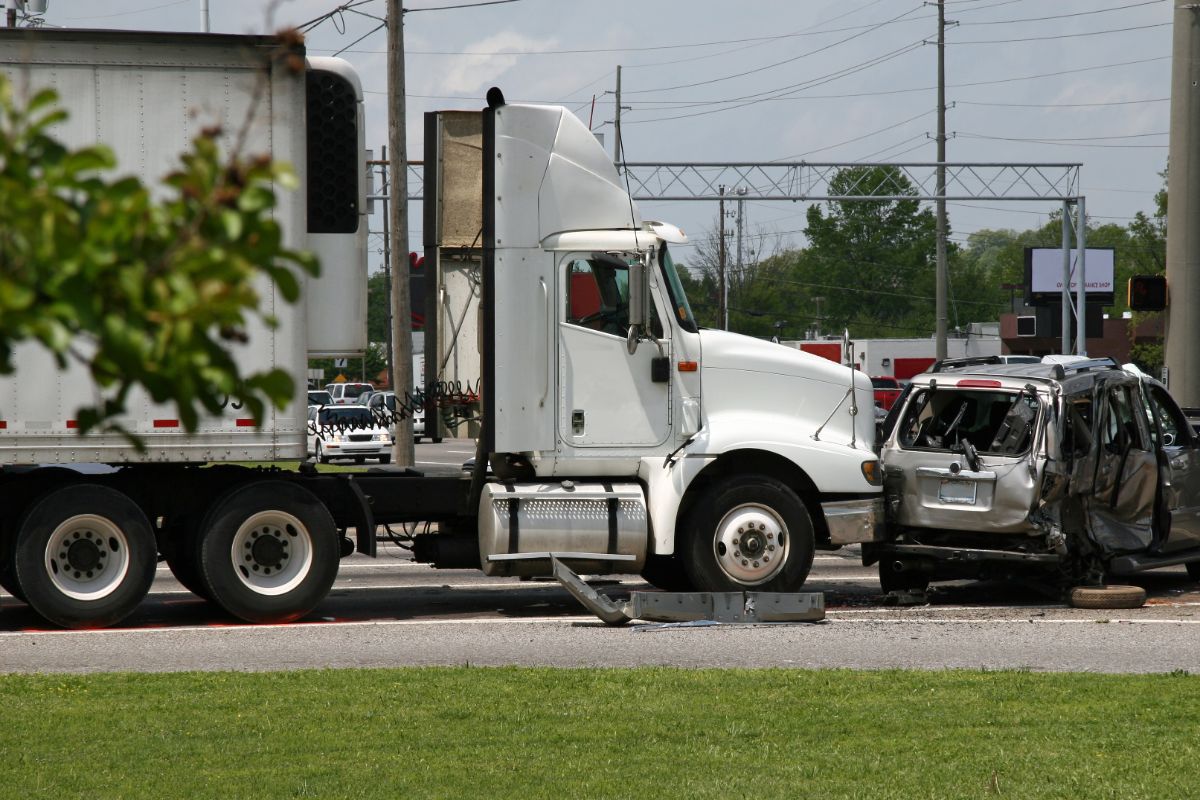
Truck Accident Cases Are More Complex Than Car Accidents
Unlike a typical vehicle collision, truck accident cases may involve multiple responsible parties, including:
- The truck driver
- The trucking company
- Maintenance contractors
- Cargo loading companies
- Vehicle manufacturers
- Third-party logistics providers
Determining liability often requires a thorough investigation and knowledge of both Arizona law and federal trucking regulations.
An experienced truck accident lawyer can identify every potentially liable party and pursue compensation from all available sources.
What Happens If You Wait Too Long?
Waiting to contact a lawyer can seriously harm your case.
Delaying legal representation may result in:
- Lost or destroyed evidence
- Missing witness statements
- Difficulty proving fault
- Lower settlement offers
- Missed legal deadlines
- Reduced compensation
Arizona law limits the amount of time you have to file a personal injury claim. Waiting too long may jeopardize your ability to recover damages altogether.
How a Phoenix Truck Accident Lawyer Can Help
An experienced truck accident attorney can begin protecting your case immediately by:
- Conducting an independent investigation
- Preserving black box and electronic logging data
- Obtaining trucking company records
- Interviewing witnesses
- Working with accident reconstruction experts
- Handling insurance company communications
- Calculating the full value of your claim
- Negotiating aggressively on your behalf
- Taking your case to trial if necessary
The earlier your lawyer becomes involved, the more opportunities they have to build a strong case.
The Best Time to Contact a Lawyer
The best time to consult a truck accident lawyer is immediately after receiving medical treatment.
Even if you believe your injuries are minor or the accident seems straightforward, truck accident claims often become more complicated as additional evidence emerges.
Early legal guidance can help you:
- Understand your rights
- Avoid costly mistakes
- Protect valuable evidence
- Maximize your compensation
Contact a Phoenix Truck Accident Lawyer Today
If you or a loved one has been injured in a truck accident in Phoenix, don’t wait to get the legal guidance you need. Trucking companies and insurance carriers begin protecting themselves immediately after a crash—you deserve someone protecting your interests as well.
At The Law Office of Zayed Al-Sayyed, we fight for truck accident victims throughout Phoenix and the surrounding communities. We understand the complexities of commercial truck accident cases and work aggressively to pursue the compensation our clients deserve.
Free Consultation Available
If you’ve been injured in a truck accident, contact The Law Office of Zayed Al-Sayyed today to discuss your case.
The Law Office of Zayed Al-Sayyed
Phone: (602) 952-9937
Serving Phoenix, Scottsdale, Mesa, Chandler, Gilbert, Tempe, Glendale, Peoria, and surrounding Arizona communities.
Call today for a FREE consultation and learn how we can help protect your rights and pursue the compensation you deserve.
 por Zayed Al-Sayyed
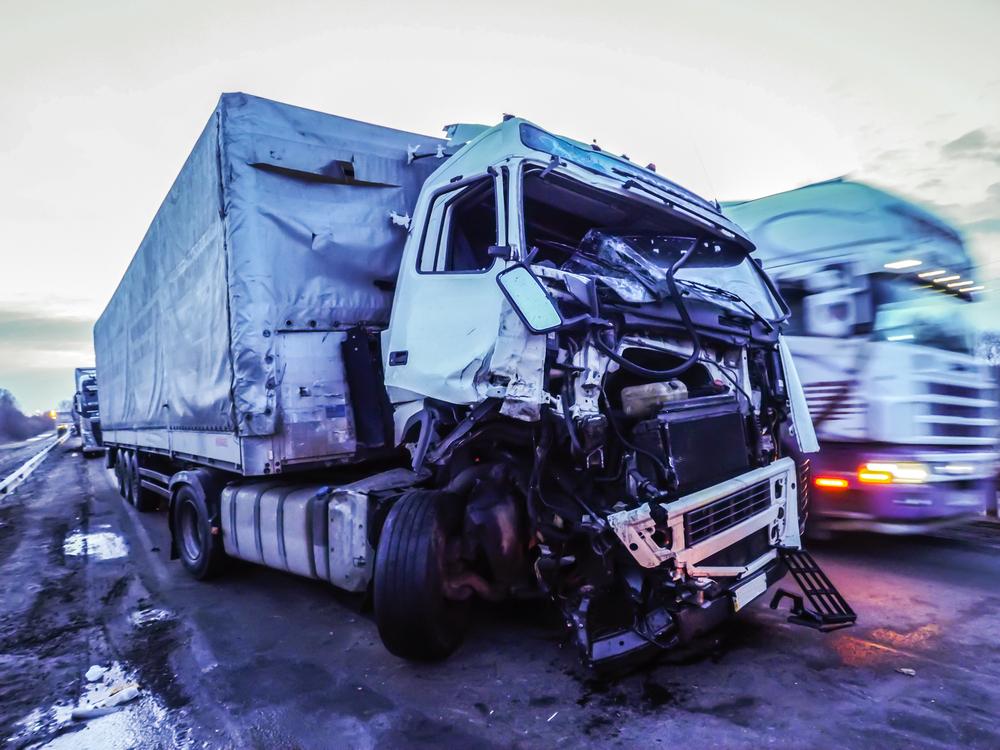
4 Laws that Affect Arizona Truck Accident Claims
Over 12,000 commercial vehicle accidents happen every year in Arizona. If you’ve been a victim of an 18-wheeler accident, there are ways to seek compensation. When you hire a truck accident lawyer in Phoenix, there are four laws they use to defend your case.
To win your case, you need a seasoned lawyer to help you navigate the complexities of injury law. Learn about these four laws and how a lawyer can help in this article.
Why You Need a Truck Accident Lawyer in Phoenix to Prove Liability
The foundation of any claim is “fault.” In Arizona, this is governed by negligence laws, but commercial cases add a layer called Vicarious Liability.
The Doctrine of Respondeat Superior
This law holds the trucking company responsible for the driver’s errors. Because truck drivers often have limited assets, whereas the trucking company has significant insurance policies. Under the legal doctrine of Respondeat Superior, an employer is held legally responsible for their employees’ actions.
Vicarious Liability
This means the company is liable for the driver’s negligence even if the company itself wasn’t present at the scene. If the driver was speeding or driving recklessly while within their scope of employment, the company is on the hook.
Multi-Party Negligence
Trucking companies operate massive supply chains. Often, the driver isn’t the only one who made a mistake. Proving liability frequently involves investigating several third-party actors.
Cargo Loaders
If a trailer is overloaded or the weight is distributed unevenly, it can cause it to “jackknife” or rollover. If a separate logistics company loaded its trailer, it may be liable for the cargo shift that led to a loss of control.
Maintenance Contractors
Many fleets outsource their repairs. If a repair was made by an independent contractor, and an accident was caused by a tire blowout or brake failure, a commercial vehicle accident lawyer will look at the maintenance logs. If a mechanic signed off on repairs that failed, they become the primary defendant in your claim.
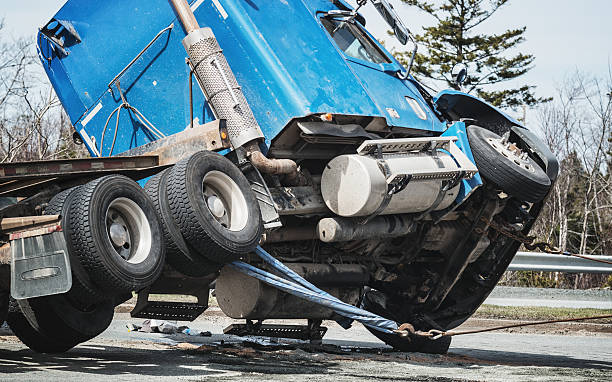
Parts Manufacturer
Yes, even the parts manufacturer for an 18-wheeler can be held liable for an accident. Something as simple as a defective steering column can shift liability to the company that manufactured it.
Negligence Per Se
In most cases, you have to prove that the other person was being careless. But in a truck vehicle accident, if the driver violates a specific law, your lawyer uses a law called Negligence Per Se to presume they were negligent.
This prevents you from having to argue about whether the driver was careful enough. Because your lawyer can prove they broke the law by driving for 14 hours straight, for example, it establishes fault in the eyes of the law.
Why A Truck Accident Attorney is The Key to Disappearing Evidence
In big cases involving an 18-wheeler, it’s not uncommon for evidence to “disappear.” A truck accident lawyer will immediately issue a Letter of Spoliation to prevent the trucking company from destroying critical data, including:
Electronic Logging Device—Could be used to prove the driver violated “Hours of Service” (HOS) regulations and worked while fatigued.
Event Data Recorder—Records speed, braking patterns, and throttle position seconds before impact.
Maintenance History—Reveals if the company knowingly sent a dangerous vehicle onto I-10 or I-17.
Important Point:
Arizona follows a Pure Comparative Fault system. This means even if you were 10% at fault, you can still recover 90% of your damages—but the trucking company’s legal team will still fight to shift blame onto you as much as possible. That’s why it’s so important to connect with an attorney who specializes in commercial accident law for your case.
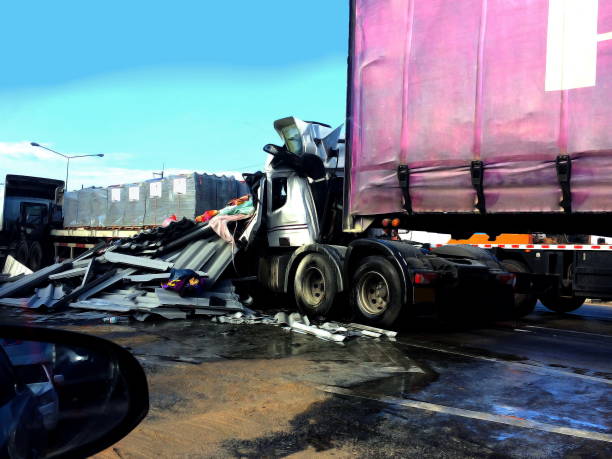
How Insurance Companies Try to Devalue Your Claim
After a crash, it’s pretty common to get a phone call from an insurance adjuster who seems incredibly kind and helpful. Don’t be fooled. Their job is to protect the trucking company and its insurance’s bank account, not yours. They’re following a strategy known as the “Three D’s”: Delay, Deny, and Defend.
What to Watch Out For:
The Friendly Recorded Statement
The adjuster may ask you to tell them your side of the story on record. They are looking for you to say something innocent. Even something like, “I’m doing okay today,” can be used against you in court.
The Lowball Quick-Cash Offer
They could offer you a paycheck within days of your 18-wheeler accident. It may seem like a good lump sum, but before you seek treatment for your injuries, it often is far less than what you need to pay for treatment. Once you sign the settlement paperwork, you can never seek more compensation.
Blaming You
Arizona is a Comparative Fault state, as we covered earlier, which means the insurance company can trick you into admitting you were even 10% responsible for the accident, and they’ll slash your payout by that much.
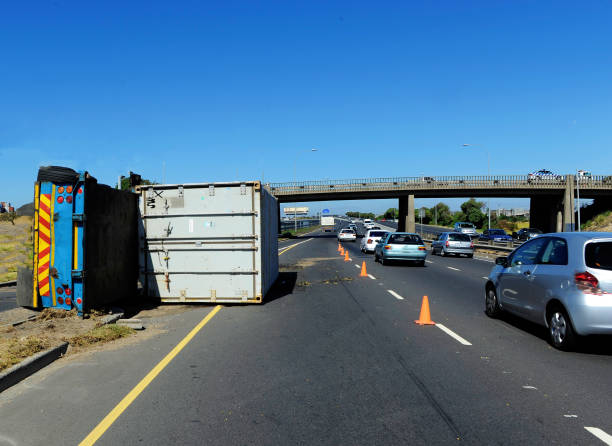
Why Time Matters for Your Case
In Arizona, the clock starts ticking on your case the moment the collision happens. While you might hear that you have “plenty of time,” truck accidents have much stricter hidden deadlines than a standard car accident.
For government trucks, for example, you have 180 days from the date of your accident to file a claim with the state, city, or county. If you miss that window, you won’t have the right to sue the government over the accident.
For accidents involving private trucking companies, Arizona law gives you two years to file a lawsuit. Keep in mind, however, most evidence for big-truck vehicle accidents disappears within weeks of the accident.
The bottom line: Don’t wait to contact a truck accident attorney about your incident. Act fast for the best chance of full compensation.
Don’t Let the Clock Run Out on Your Justice
By hiring a truck accident lawyer in Phoenix early, you level the playing field. Your attorney acts as your shield, handling aggressive insurance adjusters on your behalf.
If you’ve been involved in a commercial truck accident, we want to help. Contact our law firm and start building a case that gives you a chance at compensation for your case.
