


 por Zayed Al-Sayyed
What Happens If an Accident Is Not Reported Within 24 Hours in Phoenix, Arizona?
Car accidents happen every day across Phoenix, from busy stretches of I-10 and I-17 to local roads throughout the Valley. In the moments after a crash, it’s easy to feel overwhelmed, especially if the damage appears minor or injuries are not immediately obvious. However, failing to report an accident within a reasonable timeframe can create serious legal, financial, and insurance-related problems.
If you’ve been involved in a collision in Phoenix, understanding the consequences of delaying an accident report can help protect your rights and strengthen any future insurance or personal injury claim.
Why Reporting an Accident Quickly Is Important
After a car accident, timely reporting serves several important purposes. It creates an official record of the incident, helps preserve evidence, supports insurance claims, and can protect you if legal disputes arise later.
In Arizona, certain accidents must be reported to law enforcement, particularly when there are injuries, fatalities, or significant property damage. Even when reporting is not legally required, notifying your insurance company promptly is typically required under the terms of your policy.
The longer you wait to report an accident, the greater the risk that evidence will disappear, memories will fade, and questions about the validity of your claim will arise.
Can You Get in Trouble for Not Reporting an Accident?
Potentially, yes.
Depending on the circumstances of the crash, failing to report an accident may lead to legal consequences, insurance complications, and financial liability. The severity of those consequences often depends on factors such as:
- Whether anyone was injured
- The amount of property damage involved
- Whether law enforcement was notified
- The terms of your insurance policy
- How long you waited to report the accident
- Your Insurance Claim Could Be Denied
One of the biggest risks of failing to report an accident promptly is having your insurance claim denied.
Insurance companies rely on timely reporting to investigate accidents and determine liability. When significant delays occur, insurers may argue that:
- Evidence was lost due to the delay
- The accident details cannot be verified
- The damage occurred after the crash
- The injuries are unrelated to the accident
In some cases, a delayed report can result in reduced compensation or a complete denial of benefits.
- You May Violate Your Insurance Policy
Most auto insurance policies require policyholders to notify the insurance company promptly after an accident.
Failing to do so may:
- Jeopardize coverage
- Delay claim processing
- Lead to policy cancellation
- Affect future renewals
Even if the accident seems minor, it is usually best to notify your insurer as soon as possible.
- You Could Face Legal Penalties
Arizona drivers may face penalties if they fail to report accidents involving injuries, deaths, or substantial property damage.
Potential consequences can include:
- Traffic citations
- Fines
- Driver’s license consequences
- Additional legal complications
Reporting an accident quickly helps ensure compliance with Arizona law and protects your legal interests.
- It Becomes More Difficult to Prove Fault
Establishing fault is one of the most important parts of any car accident claim.
When an accident is not reported promptly:
- Surveillance footage may be erased
- Physical evidence can disappear
- Witnesses may become difficult to locate
- Memories become less reliable
Without strong evidence, insurance companies may dispute liability or attempt to shift blame onto you.
A timely police report often serves as valuable evidence during the claims process.
- You Could Be Responsible for More Out-of-Pocket Costs
If your insurance company denies coverage because of a delayed report, you could be left responsible for significant expenses, including:
- Vehicle repairs
- Rental car costs
- Medical bills
- Property damage
- Legal expenses
What may have started as a manageable claim can quickly become a substantial financial burden.
- Delayed Reporting Can Hurt Your Injury Claim
Many accident victims do not realize they are injured until hours or even days after a crash.
Common delayed-onset injuries include:
- Whiplash
- Concussions
- Soft tissue injuries
- Back injuries
- Internal injuries
If you wait too long to report the accident, insurance companies may argue that your injuries were caused by something other than the crash.
Prompt reporting and immediate medical treatment create a clear connection between the accident and your injuries, which can strengthen your claim.

What Should You Do After a Car Accident in Phoenix?
To protect yourself after a collision, consider taking the following steps:
Call 911
If anyone is injured or there is significant property damage, contact law enforcement immediately.
Seek Medical Attention
Even if you feel fine initially, it is important to be evaluated by a medical professional.
Document the Scene
Take photographs of:
- Vehicle damage
- Road conditions
- Traffic signs
- Visible injuries
- The overall accident scene
Gather Information
Collect:
- Driver information
- Insurance details
- Witness contact information
Notify Your Insurance Company
Report the accident as soon as possible and cooperate with any investigation.
Speak With a Phoenix Personal Injury Attorney
If you’ve suffered injuries or significant damages, consulting an attorney can help you understand your legal rights and avoid costly mistakes.
Why Acting Quickly Protects Your Rights
The days immediately following an accident are often critical to the success of your claim. Prompt reporting helps preserve evidence, strengthens your credibility, and allows insurance companies and attorneys to investigate the facts while they are still fresh.
Whether the accident seems minor or severe, delaying action can create unnecessary challenges that may impact your financial recovery.
Contact a Phoenix Car Accident Attorney Today
If you were injured in a car accident in Phoenix and are concerned about how a delayed accident report may affect your case, it’s important to seek legal guidance as soon as possible.
El bufete de abogados de Zayed Al-Sayyed
At The Law Office of Zayed Al-Sayyed, we help accident victims throughout Phoenix and the surrounding communities navigate insurance claims, investigate crashes, and pursue the compensation they deserve.
Our team understands Arizona accident laws and is committed to protecting your rights every step of the way.
Call The Law Office of Zayed Al-Sayyed today at (602) 952-9937 for a FREE consultation.
There are no fees unless we win your case.
 por Zayed Al-Sayyed
What Are the 7 Steps of Accident Investigation?
Accidents happen every day throughout Phoenix, whether on busy roadways like I-10 and Loop 101 or at construction sites, warehouses, and workplaces across the Valley. When a serious accident occurs, understanding exactly what happened is critical for determining liability, improving safety, and protecting the rights of those involved.
Whether you’re dealing with a car accident, truck collision, workplace injury, or premises liability claim, knowing the 7 steps of accident investigation can help uncover the facts and identify what caused the incident. A thorough investigation can also play a key role in insurance claims and personal injury cases.
At The Law Office of Zayed Al-Sayyed, we understand how important accident investigations are when pursuing compensation for injured victims throughout Phoenix and Arizona.
Why Accident Investigations Matter
An accident investigation is designed to determine not only what happened, but why it happened. The goal is to identify contributing factors, preserve evidence, and prevent similar incidents from occurring in the future.
A proper investigation can:
- Determine the cause of an accident
- Identify negligent parties
- Preserve critical evidence
- Support insurance claims
- Strengthen personal injury cases
- Improve workplace and public safety
- Prevent future accidents
Without a thorough investigation, important evidence may be lost, making it more difficult to establish liability and recover compensation.

The 7 Steps of Accident Investigation
While every accident is unique, most investigations follow a structured process designed to gather facts and identify root causes.
Step 1: Secure the Scene and Ensure Safety
The first priority after any accident is protecting the safety of everyone involved.
This may include:
- Calling 911
- Providing emergency medical care
- Securing hazardous areas
- Preventing additional injuries
- Preserving the accident scene
In Phoenix accident cases, securing the scene quickly can also help preserve valuable evidence before it disappears.
Step 2: Notify Appropriate Authorities
Once immediate safety concerns have been addressed, the appropriate authorities should be notified.
Depending on the situation, this may include:
- Local law enforcement
- Emergency responders
- Employers or supervisors
- Property owners
- Insurance providers
Official reports created during this stage often become important pieces of evidence later.
Step 3: Collect Evidence
Evidence collection is one of the most critical parts of an accident investigation.
Investigators typically gather:
- Photographs of the scene
- Videos
- Vehicle damage documentation
- Physical evidence
- Safety records
- Maintenance records
- Medical reports
- Weather and road condition information
The sooner evidence is collected, the more reliable it is likely to be.
Step 4: Interview Witnesses
Witness statements can provide valuable insight into how an accident occurred.
Investigators often interview:
- Accident victims
- Drivers
- Employees
- Bystanders
- First responders
Obtaining witness statements quickly is important because memories can fade over time.
Step 5: Analyze the Facts and Determine Root Causes
Once evidence has been gathered, investigators review the information to determine what caused the accident.
This process often involves examining:
- Human error
- Equipment failures
- Unsafe conditions
- Poor maintenance
- Inadequate training
- Violations of safety procedures
Rather than focusing solely on what happened, investigators seek to identify why it happened.
Step 6: Develop Corrective Actions
After identifying the root cause, investigators develop recommendations to reduce the likelihood of similar incidents occurring in the future.
Examples may include:
- Additional employee training
- Equipment repairs
- Updated safety procedures
- Improved maintenance schedules
- Policy changes
Corrective actions help address the underlying issues that contributed to the accident.
Step 7: Prepare a Report and Follow Up
The final step is documenting the investigation findings and implementing recommended changes.
A comprehensive accident investigation report typically includes:
- A summary of the incident
- Evidence collected
- Witness statements
- Root cause findings
- Recommended corrective actions
Follow-up is essential to ensure improvements are actually implemented and effective.
Why Identifying the Root Cause Is So Important
One of the biggest mistakes in accident investigations is focusing only on the immediate cause of the incident.
For example, if a truck driver runs a red light, the investigation should look deeper to determine whether:
- The driver was fatigued
- Hours-of-service regulations were violated
- The trucking company encouraged unsafe driving practices
- Mechanical issues contributed to the crash
Root cause analysis helps identify underlying issues that may otherwise go unnoticed.
How Accident Investigations Help Personal Injury Cases
For injury victims, accident investigations often provide crucial evidence needed to establish liability and recover compensation.
A thorough investigation can help prove:
- Negligence
- Unsafe conditions
- Regulatory violations
- Driver error
- Employer liability
- Property owner responsibility
The stronger the evidence, the stronger the injury claim.
Contact a Phoenix Personal Injury Attorney Today
If you were injured in a car accident, truck accident, motorcycle accident, workplace accident, or another serious incident in Phoenix, a proper investigation can make all the difference in your case.
El bufete de abogados de Zayed Al-Sayyed
At The Law Office of Zayed Al-Sayyed, we work with accident reconstruction experts, investigators, and industry professionals to uncover the facts and build strong cases for our clients. We proudly represent injury victims throughout Phoenix and the surrounding communities.
Call (602) 952-9937 today for a FREE consultation.
Our experienced Phoenix personal injury team is ready to protect your rights and fight for the compensation you deserve.
No fees unless we win your case.
 por Zayed Al-Sayyed
What to Do After a Semi-Truck Accident in Phoenix, AZ (Step-by-Step Guide)
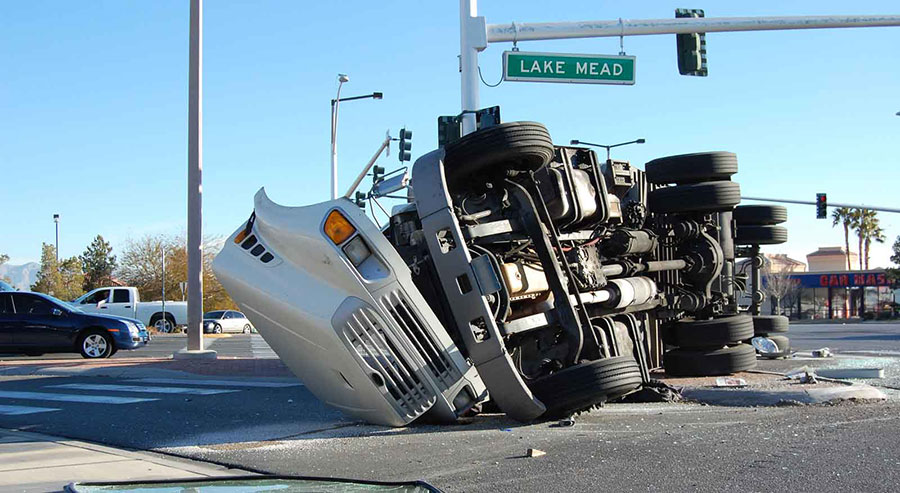
A semi-truck accident can change your life in an instant. With major highways like I-10, Loop 101, Loop 202, and I-17 running through the Phoenix metro area, commercial truck traffic is a daily reality for Arizona drivers. Unfortunately, accidents involving semi-trucks, tractor-trailers, and other commercial vehicles often result in severe injuries, significant property damage, and complicated legal claims.
If you or a loved one has been involved in a truck accident in Phoenix, knowing what steps to take immediately afterward can help protect your health, preserve critical evidence, and strengthen your injury claim.
Why Taking the Right Steps After a Truck Accident Matters
Truck accident cases are often far more complex than standard car accident claims. Multiple parties may be involved, including the truck driver, trucking company, maintenance providers, cargo loaders, and insurance carriers.
The actions you take in the hours and days following the accident can have a significant impact on your ability to recover compensation for medical expenses, lost wages, pain and suffering, and future treatment costs.
Step 1: Check for Injuries and Call 911
Your safety should always come first.
Immediately after the collision:
- Check yourself and passengers for injuries
- Move to a safe location if possible
- Call 911 and request emergency assistance
- Wait for law enforcement to arrive
Even if the accident appears minor, having a police report can be critical when filing an insurance claim or pursuing legal action.
Step 2: Seek Medical Attention Immediately
Many truck accident injuries do not show symptoms right away. Conditions such as:
- Traumatic brain injuries (TBIs)
- Concussions
- Internal bleeding
- Neck injuries
- Back injuries
- Spinal cord damage
may take hours or even days to become noticeable.
Seeking prompt medical treatment not only protects your health but also creates important documentation connecting your injuries to the accident.
Step 3: Document the Accident Scene
If your condition allows, gather as much evidence as possible before leaving the scene.
Take photos and videos of:
- Vehicle damage
- The semi-truck and trailer
- Skid marks
- Road conditions
- Traffic signs and signals
- Visible injuries
- Debris and accident surroundings
The more evidence you collect, the stronger your claim may be later.
Step 4: Exchange Information With the Truck Driver
Be sure to obtain:
- Driver’s name and contact information
- Commercial driver’s license information
- Insurance information
- Trucking company name
- Truck identification numbers
- License plate numbers
Because trucking companies are often involved in accident claims, identifying the employer is especially important.
Step 5: Gather Witness Information
Independent witnesses can provide valuable testimony regarding how the accident occurred.
If possible, collect:
- Names
- Phone numbers
- Email addresses
- Brief statements regarding what they observed
Witness accounts often become crucial evidence when liability is disputed.
Step 6: Cooperate With Police but Avoid Admitting Fault
When speaking with law enforcement:
- Provide factual information
- Answer questions honestly
- Request information on obtaining the accident report
Avoid:
- Guessing about what happened
- Speculating about fault
- Apologizing or admitting responsibility
Even a simple apology can be used against you during the claims process.
Step 7: Notify Your Insurance Company
Report the accident to your insurance provider as soon as possible.
Stick to the facts and avoid providing recorded statements beyond basic information until you fully understand your legal rights.
Truck accident investigations often uncover evidence that may not be immediately available after the crash.
Step 8: Preserve All Records and Evidence
Keep copies of:
- Medical records
- Hospital bills
- Prescription receipts
- Vehicle repair estimates
- Lost wage documentation
- Insurance correspondence
- Accident reports
These records can help demonstrate the full extent of your damages.
Step 9: Avoid Quick Settlement Offers
Insurance companies often move quickly after serious truck accidents.
An early settlement offer may seem appealing, especially if you’re facing medical bills and lost income. However, accepting a settlement too soon could prevent you from recovering compensation for future medical treatment, ongoing pain, or long-term disability.
Before signing anything, it is wise to understand the full value of your claim.
Step 10: Contact a Phoenix Truck Accident Lawyer
Semi-truck accident cases often involve federal trucking regulations, commercial insurance policies, and multiple potentially liable parties.
An experienced Phoenix truck accident attorney can:
- Investigate the crash
- Obtain trucking company records
- Secure black box data
- Preserve evidence
- Handle insurance negotiations
- Identify all responsible parties
- Pursue maximum compensation on your behalf
The sooner an attorney becomes involved, the better the opportunity to preserve important evidence that could strengthen your case.
Common Causes of Semi-Truck Accidents in Phoenix
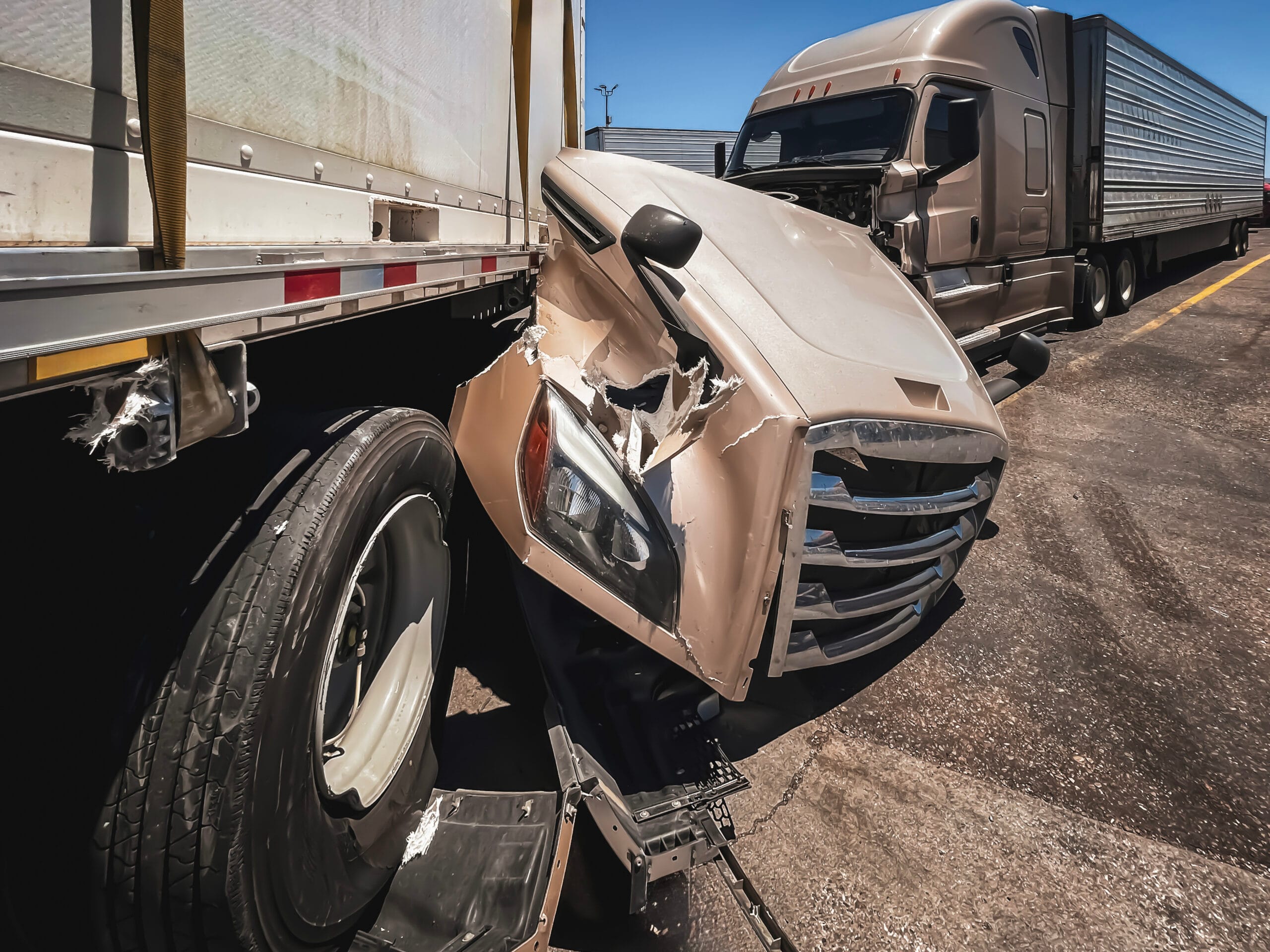
Truck accidents throughout Phoenix and the surrounding Valley are commonly caused by:
- Driver fatigue
- Distracted driving
- Speeding
- Improper lane changes
- Overloaded cargo
- Poor truck maintenance
- Mechanical failures
- Impaired driving
Determining the exact cause of the accident is a critical part of building a successful injury claim.
Contact a Phoenix Semi-Truck Accident Lawyer Today
If you or a loved one has been injured in a semi-truck accident in Phoenix, you do not have to face the insurance companies alone. Trucking companies often have teams of investigators and attorneys working to protect their interests immediately after a crash.
At The Law Office of Zayed Al-Sayyed, we fight for accident victims throughout Phoenix and the surrounding communities. We can investigate your case, protect your rights, and pursue the compensation you deserve for your injuries and losses.
Schedule a Free Consultation Today
Don’t wait to get the legal guidance you need after a serious truck accident. Contact The Law Office of Zayed Al-Sayyed today at (602) 952-9937 for a free consultation and learn how we can help you move forward with confidence.
 por Zayed Al-Sayyed
When Should You Consult a Lawyer After a Truck Accident in Phoenix, AZ?
Truck accidents can change your life in an instant. Between serious injuries, expensive medical treatment, lost income, and insurance disputes, the aftermath of a commercial truck accident can quickly become overwhelming. One of the most important questions accident victims ask is: When should I consult a lawyer after a truck accident?
The answer is simple—as soon as possible.
Truck accident claims are often far more complicated than regular car accident cases. They involve commercial trucking companies, multiple insurance carriers, federal regulations, and large legal teams working to protect the trucking company’s interests. Consulting a Phoenix truck accident lawyer early can help protect your rights and maximize your potential compensation.
Why Timing Matters After a Phoenix Truck Accident
Phoenix is a major transportation hub with heavy commercial truck traffic traveling through I-10, I-17, Loop 101, Loop 202, and surrounding highways. When a truck accident occurs, trucking companies often launch investigations immediately.
Critical evidence may include:
- Electronic logging device (ELD) data
- Black box information
- Driver qualification records
- Maintenance logs
- Cargo loading documentation
- Dashcam footage
Without prompt legal action, important evidence could be lost, altered, or destroyed.
At the same time, insurance companies may contact you shortly after the accident with a settlement offer that is far below the true value of your claim.
Consulting a lawyer early helps ensure:
- Evidence is preserved
- Your rights are protected
- Insurance companies treat your claim fairly
- The full extent of your damages is properly evaluated
Signs You Should Contact a Truck Accident Lawyer
While every case is unique, you should speak with a truck accident attorney immediately if:
- You suffered serious injuries
- You require ongoing medical treatment
- Your injuries prevent you from working
- A loved one was killed in the accident
- Fault is being disputed
- Multiple vehicles were involved
- The trucking company denies responsibility
- An insurance company is pressuring you to settle quickly
- Your vehicle was declared a total loss
- You are unsure about your legal rights
These situations often involve substantial damages and require experienced legal representation.
Truck Accident Cases Are More Complex Than Car Accidents
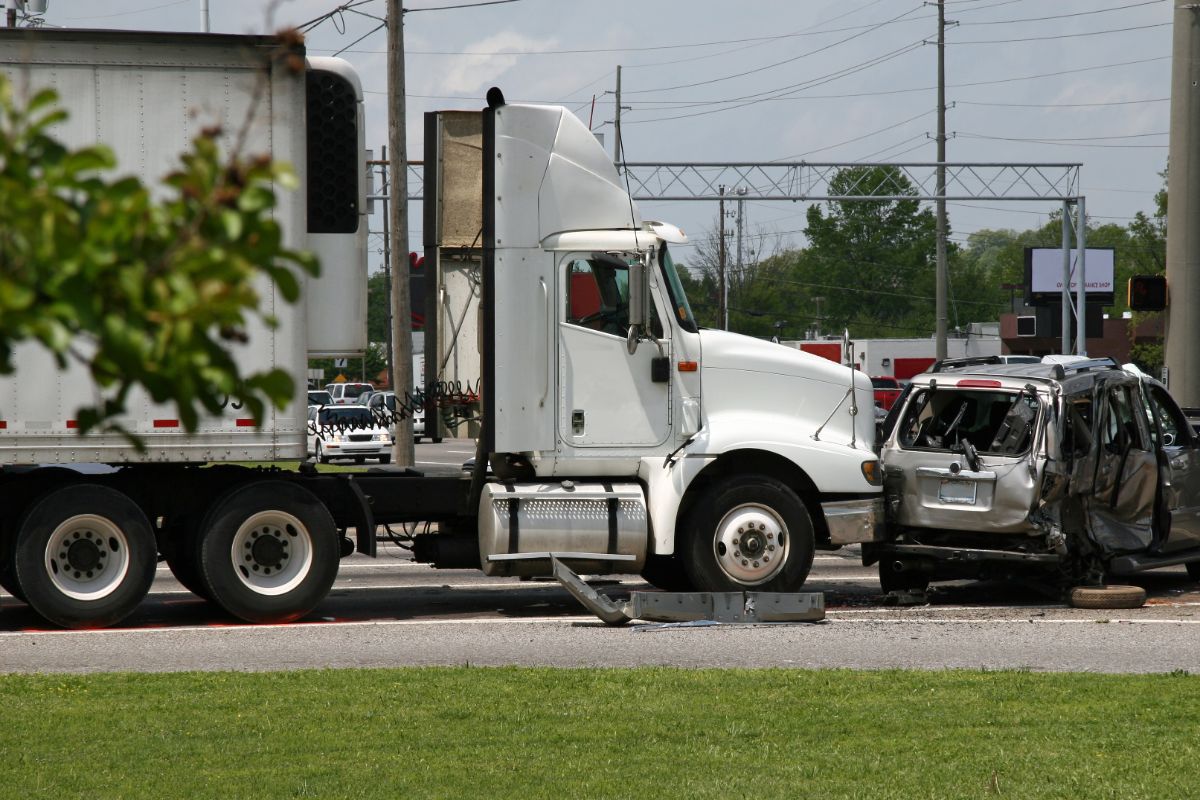
Unlike a typical vehicle collision, truck accident cases may involve multiple responsible parties, including:
- The truck driver
- The trucking company
- Maintenance contractors
- Cargo loading companies
- Vehicle manufacturers
- Third-party logistics providers
Determining liability often requires a thorough investigation and knowledge of both Arizona law and federal trucking regulations.
An experienced truck accident lawyer can identify every potentially liable party and pursue compensation from all available sources.
What Happens If You Wait Too Long?
Waiting to contact a lawyer can seriously harm your case.
Delaying legal representation may result in:
- Lost or destroyed evidence
- Missing witness statements
- Difficulty proving fault
- Lower settlement offers
- Missed legal deadlines
- Reduced compensation
Arizona law limits the amount of time you have to file a personal injury claim. Waiting too long may jeopardize your ability to recover damages altogether.
How a Phoenix Truck Accident Lawyer Can Help
An experienced truck accident attorney can begin protecting your case immediately by:
- Conducting an independent investigation
- Preserving black box and electronic logging data
- Obtaining trucking company records
- Interviewing witnesses
- Working with accident reconstruction experts
- Handling insurance company communications
- Calculating the full value of your claim
- Negotiating aggressively on your behalf
- Taking your case to trial if necessary
The earlier your lawyer becomes involved, the more opportunities they have to build a strong case.
The Best Time to Contact a Lawyer
The best time to consult a truck accident lawyer is immediately after receiving medical treatment.
Even if you believe your injuries are minor or the accident seems straightforward, truck accident claims often become more complicated as additional evidence emerges.
Early legal guidance can help you:
- Understand your rights
- Avoid costly mistakes
- Protect valuable evidence
- Maximize your compensation
Contact a Phoenix Truck Accident Lawyer Today
If you or a loved one has been injured in a truck accident in Phoenix, don’t wait to get the legal guidance you need. Trucking companies and insurance carriers begin protecting themselves immediately after a crash—you deserve someone protecting your interests as well.
At The Law Office of Zayed Al-Sayyed, we fight for truck accident victims throughout Phoenix and the surrounding communities. We understand the complexities of commercial truck accident cases and work aggressively to pursue the compensation our clients deserve.
Free Consultation Available
If you’ve been injured in a truck accident, contact The Law Office of Zayed Al-Sayyed today to discuss your case.
The Law Office of Zayed Al-Sayyed
Phone: (602) 952-9937
Serving Phoenix, Scottsdale, Mesa, Chandler, Gilbert, Tempe, Glendale, Peoria, and surrounding Arizona communities.
Call today for a FREE consultation and learn how we can help protect your rights and pursue the compensation you deserve.
 por Zayed Al-Sayyed
Can You Sue Uber After an Accident in Phoenix?
Rideshare services like Uber have become a convenient way for Phoenix residents and visitors to travel throughout the Valley. Unfortunately, Uber vehicles are involved in accidents just like any other vehicle on Arizona roads. If you’ve been injured in an Uber accident, you may be wondering whether you can sue Uber and recover compensation for your injuries.
The answer is yes, but Uber accident claims are often more complicated than traditional car accident cases. Understanding how liability works, what insurance coverage may apply, and who can be held responsible is critical to protecting your rights after an accident.
Can You Sue Uber After an Accident in Phoenix?
In some situations, you may be able to pursue compensation following an Uber accident in Phoenix. However, whether you can sue Uber directly depends on several factors, including:
- Who caused the accident
- Whether the Uber driver was logged into the app
- The insurance policies available
- Whether Uber’s actions contributed to the accident
- Whether the Uber driver’s actions contributed to the accident
Because Uber classifies its drivers as independent contractors rather than employees, the company often argues that it is not directly responsible for a driver’s negligence. However, victims can frequently pursue compensation through Uber’s insurance coverage and, in certain situations, potentially hold Uber accountable.

Understanding Uber’s Insurance Coverage
One of the most important factors in an Uber accident case is determining the driver’s status at the time of the crash.
Driver Was Offline
If the driver was not logged into the Uber app, Uber’s insurance generally does not apply. In these situations, the driver’s personal auto insurance policy is usually responsible for covering damages.
Driver Was Logged In but Waiting for a Ride Request
When an Uber driver is available for rides but has not yet accepted a trip, Uber provides limited liability coverage, including:
- Up to $50,000 for bodily injury per person
- Up to $100,000 for bodily injury per accident
- Up to $20,000 for property damage
Driver Accepted a Ride or Had a Passenger
If the driver accepted a ride request or was transporting a passenger at the time of the accident, Uber’s insurance coverage may provide up to $1 million in liability protection.
This coverage can be critical for victims who suffer serious injuries requiring extensive medical treatment.
Who Can File a Claim After an Uber Accident?
Several parties may be entitled to compensation after an Uber accident, including:
Uber Passengers
Passengers injured while riding in an Uber vehicle often have strong claims because they typically bear no fault for the accident.
Other Drivers
If an Uber driver causes an accident that injures another motorist, the injured driver may pursue compensation through the applicable insurance policies.
Pedestrians and Cyclists
Pedestrians and bicyclists struck by an Uber driver may also be eligible to recover damages for their injuries.
Uber Drivers
Uber drivers who are injured by another negligent motorist may also have legal options for recovering compensation.
Can Uber Be Sued Directly?
While many claims involve Uber’s insurance coverage rather than the company itself, there are situations where Uber may potentially face direct liability.
Examples may include:
- Negligent hiring practices
- Failure to conduct proper background checks
- Retaining dangerous drivers on the platform
- Failing to remove drivers with a history of safety violations
These cases are more complex and often require extensive investigation by an experienced personal injury attorney.
What Compensation Can You Recover?
Victims injured in Uber accidents may be entitled to compensation for both economic and non-economic damages.
Medical Expenses
Compensation may include:
- Emergency room treatment
- Hospital bills
- Surgeries
- Physical therapy
- Rehabilitation
- Future medical care
Lost Income
If your injuries prevent you from working, you may be able to recover compensation for:
- Lost wages
- Reduced earning capacity
- Future lost income
Pain and Suffering
Serious accidents often result in significant physical pain and emotional distress. Arizona law may allow compensation for:
- Physical pain
- Mental anguish
- Emotional suffering
- Loss of enjoyment of life
Property Damage
If your vehicle or personal property was damaged during the accident, those losses may also be recoverable.
What Should You Do After an Uber Accident?
The steps you take immediately after an accident can significantly impact your case.
- Call 911
Always report the accident and request medical assistance if anyone is injured.
- Seek Medical Attention
Even if your injuries appear minor, some conditions may not become apparent until hours or days later.
- Gather Evidence
Collect:
- Photos of the accident scene
- Vehicle damage
- Road conditions
- Visible injuries
- Obtain Contact Information
Get information from:
- The Uber driver
- Other drivers involved
- Witnesses
- Report the Accident Through Uber
Use the Uber app to document the incident and create a record of the crash.
- Preserve Records
Keep copies of:
- Medical records
- Bills
- Insurance correspondence
- Ride receipts
- Accident reports
- Speak With an Attorney
Uber accident claims often involve multiple insurance companies and complicated liability issues. An attorney can help protect your rights and maximize your compensation.

How Long Do You Have to File a Claim in Arizona?
Arizona generally provides accident victims with two years from the date of the accident to file a personal injury lawsuit.
Failing to take legal action before the deadline may result in losing your right to recover compensation. Because evidence can disappear and witnesses may become difficult to locate, it is important to act quickly after an accident.
Why Uber Accident Cases Are More Complicated
Unlike traditional car accident claims, Uber accidents often involve:
- Multiple insurance carriers
- Commercial and personal insurance policies
- Questions regarding driver status
- Corporate liability issues
- Independent contractor classifications
These factors can make obtaining fair compensation significantly more challenging without experienced legal representation.
Contact a Phoenix Uber Accident Attorney Today
If you were injured in an Uber accident in Phoenix, you should not have to face insurance companies alone. Whether you were a passenger, another driver, a cyclist, or a pedestrian, you may have the right to pursue compensation for your injuries and financial losses.
El bufete de abogados de Zayed Al-Sayyed
Our team is committed to helping accident victims throughout Phoenix and the surrounding communities. We investigate Uber accident claims, identify all available sources of compensation, and aggressively fight for the results our clients deserve.
Call The Law Office of Zayed Al-Sayyed today at (602) 952-9937 for a FREE consultation.
 por Zayed Al-Sayyed
What to Do After an Uber or Lyft Accident in Phoenix: Rights and Insurance Explained
Uber and Lyft have changed the way people travel throughout Phoenix and Arizona, but rideshare accidents can quickly become complicated when injuries occur. Unlike regular car accidents, Uber and Lyft crashes often involve multiple insurance policies, corporate coverage questions, and disputes between insurance companies. If you were injured in an Uber or Lyft accident, understanding your legal rights is critical.
At The Law Office of Zayed Al-Sayyed, PLLC, we help accident victims throughout Phoenix pursue compensation after serious rideshare accidents involving Uber and Lyft drivers.
Why Uber & Lyft Accident Claims Are More Complicated
Rideshare accident claims are often more difficult than traditional car accident cases because liability depends on what the rideshare driver was doing at the time of the crash. Insurance coverage changes depending on whether the driver:
- Was offline and not using the app
- Was logged in waiting for a ride request
- Was actively transporting a passenger
- Was driving to pick up a passenger
If the Uber or Lyft driver was actively transporting a passenger or on the way to pick someone up, up to $1 million in liability coverage may apply. However, insurance companies often dispute which policy should pay first, causing delays and frustration for injured victims.
Common Causes of Uber and Lyft Accidents in Phoenix
Rideshare drivers spend long hours navigating busy streets throughout Phoenix, Scottsdale, Mesa, Chandler, and surrounding Arizona cities. Many Uber and Lyft accidents happen because of:
- Distracted driving from GPS and rideshare apps
- Driver fatigue from extended driving hours
- Sudden stops or unsafe pickups
- Speeding to complete more rides
- Heavy traffic and congested intersections
- Inexperienced rideshare drivers
Phoenix rideshare accidents frequently occur near airports, downtown entertainment districts, major freeways, and high-traffic nightlife areas.

What To Do After an Uber or Lyft Accident
After a rideshare accident, taking the right steps can protect both your health and your injury claim.
Important Steps After a Rideshare Crash
- Call 911 immediately
- Seek medical attention right away
- Take photos and videos of the accident scene
- Obtain witness information
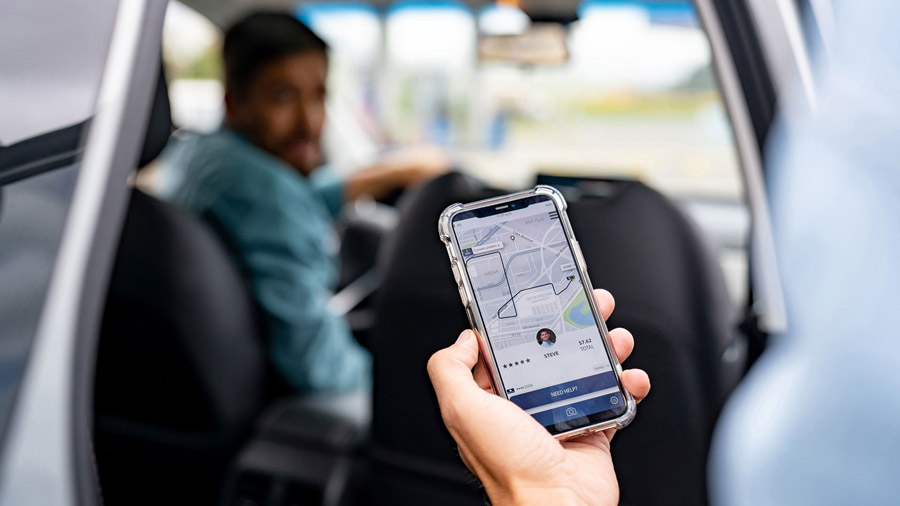
- Save screenshots from the Uber or Lyft app
- Request a copy of the police report
- Avoid giving recorded statements to insurance adjusters
- Contact an experienced Phoenix rideshare accident lawyer
Even if injuries seem minor at first, symptoms can worsen days later. Prompt medical treatment also creates important documentation for your claim.
Who Can Be Injured in a Rideshare Accident?
Uber and Lyft accidents can affect many different people, including:
- Uber and Lyft passengers
- Drivers of other vehicles
- Pedestrians
- Cyclists
- Motorcyclists
- E-scooter riders
Passengers are rarely considered at fault, which may strengthen injury claims involving rideshare collisions.
Compensation Available After an Arizona Rideshare Accident
Victims injured in Uber or Lyft accidents may be entitled to compensation for both financial and emotional losses.
Damages May Include:
- Medical expenses
- Future medical treatment
- Lost wages
- Loss of future earning capacity
- Pain and suffering
- Emotional distress
- Property damage
- Wrongful death damages
Arizona follows a pure comparative negligence system, meaning injured victims may still recover compensation even if partially at fault for the accident.
Why You Should Speak With a Phoenix Rideshare Accident Lawyer
Uber and Lyft accident cases often involve aggressive insurance companies attempting to minimize payouts or shift blame between multiple policies. Important rideshare evidence such as app activity, GPS records, and electronic trip data can disappear quickly if not preserved.
An experienced rideshare accident attorney can help investigate the crash, identify all available insurance coverage, and negotiate for maximum compensation on your behalf.
If you were injured in an Uber or Lyft accident in Phoenix or anywhere in Arizona, The Law Office of Zayed Al-Sayyed, PLLC is here to help.
Contact a Phoenix Uber accident lawyer or Lyft accident lawyer Today
The Law Office of Zayed Al-Sayyed, PLLC represents injury victims throughout Phoenix and surrounding Arizona communities. If you were injured in a rideshare accident, contact our office today for a consultation.
Call (602) 952-9937 or visit https://thezlawyer.com
 por Zayed Al-Sayyed
How Much Is My Lyft Accident Claim Worth? (Arizona 2026 Guide)
If you were injured in a Lyft accident in Phoenix or anywhere in Arizona, one of the first questions you may have is: How much is my Lyft accident claim worth? The answer depends on several key factors, including the severity of your injuries, who was at fault, and how much insurance coverage is available. Unlike standard car accident claims, Lyft cases often involve multiple insurance policies and higher coverage limits, which can significantly impact the value of your case.
There is no fixed amount for a Lyft accident claim because every case is different. Some claims may settle for a few thousand dollars, while others can reach six or even seven figures. In general, the more serious and long-lasting your injuries are, the higher your potential compensation. Medical expenses, lost income, and the long-term impact on your quality of life all play a major role in determining how much your claim may be worth.
Another important factor is Lyft’s insurance coverage. When a driver is actively transporting a passenger or on the way to pick one up, Lyft provides up to $1 million in liability coverage. This higher limit is one of the main reasons Lyft accident claims can be worth more than typical auto accident cases. However, determining which insurance policy applies—and how much it will pay—can be complex, especially when multiple parties are involved.
What Damages Can You Recover?
A Lyft accident claim is designed to compensate you for both financial losses and the personal impact of your injuries.
- Medical expenses, including future treatment and rehabilitation
- Lost wages and reduced earning capacity
- Pain and suffering
- Emotional distress and loss of enjoyment of life
In more serious cases, compensation may also include long-term disability or permanent injury damages.
What Factors Affect Your Claim Value?
Several factors determine how much your Lyft accident claim may be worth.
- Severity of your injuries and length of recovery
- Total medical costs and future care needs
- Whether you missed work or lost earning potential
- Who was at fault and how clearly liability can be proven
- Available insurance coverage, including Lyft’s policy
The stronger the evidence and the more serious the injury, the higher the potential value of your claim.

Why Lyft Accident Claims Can Be Higher
Lyft accident claims are often worth more than standard car accident claims because of the unique insurance structure and multiple sources of compensation.
- Lyft provides up to $1 million in liability coverage during active rides
- Multiple insurance policies may apply to one accident
- Cases may involve more than one at-fault party
While this can increase the value of a claim, it also makes the process more complex and often requires careful legal strategy.
Speak With a Phoenix Lyft Accident Lawyer
If you were injured in a Lyft accident, understanding the value of your claim is critical before accepting any settlement. Insurance companies often make early offers that do not reflect the full extent of your damages.
The Law Office of Zayed Al-Sayyed helps accident victims throughout Phoenix evaluate their claims, handle insurance negotiations, and pursue maximum compensation.
Call today for a consultation:
(602) 952-9937
Frequently Asked Questions
What is the average Lyft accident settlement?
Settlement amounts vary widely, but they can range from a few thousand dollars for minor injuries to six or seven figures for serious cases.
Does Lyft insurance increase my claim value?
Yes. Lyft provides up to $1 million in coverage during active rides, which can significantly increase the amount available for compensation.
What is the biggest factor in claim value?
The severity of your injuries is typically the most important factor in determining how much your claim is worth.
Can I still recover compensation if I was partially at fault?
Yes. Arizona follows a comparative negligence rule, which allows you to recover damages even if you share some responsibility.
How can I maximize my Lyft accident claim?
Seek medical treatment, document your injuries, gather evidence, and speak with an experienced attorney before accepting any settlement.
 por Zayed Al-Sayyed
What to Do After a Lyft Accident Arizona (2026 Guide)
If you are involved in a Lyft accident in Phoenix or anywhere in Arizona, knowing what to do immediately after the crash can make a major difference in your health, your claim, and the amount of compensation you recover. Rideshare accidents are more complex than typical car accidents because they often involve multiple insurance policies, app-based liability rules, and corporate coverage layers. Taking the right steps early helps protect your rights and strengthens your case from the start.
One of the most important factors in a Lyft accident is the driver’s status in the app at the time of the crash. Insurance coverage changes depending on whether the driver was offline, waiting for a ride request, or actively transporting a passenger. If the driver was not using the app, their personal insurance applies. If they were waiting for a ride, limited Lyft coverage may apply. If the driver was on an active ride or heading to pick up a passenger, Lyft provides up to $1 million in liability coverage. This tiered system is what makes rideshare accident claims more complicated—and often more valuable—than standard auto accident cases.
Because multiple insurance companies may be involved, disputes are common. Insurance providers may attempt to shift responsibility, delay claims, or offer lower settlements. Determining which policy applies and proving liability requires proper documentation, evidence, and legal strategy. This is why taking the correct steps after the accident—and speaking with an experienced attorney early—can significantly impact the outcome of your case.
Steps to Take After a Lyft Accident
Taking immediate action after a crash helps preserve evidence and supports your injury claim.
- Call 911 and seek medical attention, even if injuries seem minor
- Request a police report to document the accident
- Take photos of the vehicles, injuries, and surrounding area
- Collect driver information and witness contact details
- Report the accident through the Lyft app
How Liability Is Determined
Liability in a Lyft accident depends on who caused the crash and what the driver was doing at the time.
- If the Lyft driver caused the accident, their insurance or Lyft’s coverage may apply
- If another driver is at fault, their insurance may be responsible for damages
- If coverage is insufficient, uninsured or underinsured motorist coverage may apply
- In some cases, multiple parties may share responsibility
Understanding liability is critical because it directly affects how much compensation may be available.

Why Lyft Accident Claims Are More Complex
Lyft accident cases involve more than just determining fault. The presence of multiple insurance policies and corporate protections adds layers of complexity that can affect your claim.
- Coverage depends on the driver’s app status at the time of the crash
- Multiple insurance companies may be involved in one case
- Insurers may dispute which policy is responsible
- Evidence may include app data such as GPS and ride activity
Because of these factors, many accident victims face challenges when trying to recover full compensation on their own.
Speak With a Phoenix Lyft Accident Lawyer
If you were injured in a Lyft accident, it is important to act quickly and understand your legal options before speaking with insurance companies. Proper legal guidance can help you determine liability, navigate complex insurance issues, and pursue the compensation you deserve.
The Law Office of Zayed Al-Sayyed represents accident victims throughout Phoenix and the surrounding areas, helping clients handle rideshare accident claims with confidence.
Call today for a consultation:
(602) 952-9937
Frequently Asked Questions
What should I do immediately after a Lyft accident?
You should call 911, seek medical attention, document the scene, gather information, and report the accident through the Lyft app.
Who pays for damages in a Lyft accident?
It depends on fault and the driver’s app status. Coverage may come from the driver’s personal insurance, Lyft’s policy, or another driver’s insurance.
Can multiple insurance policies apply?
Yes. Lyft accidents often involve multiple policies, which can make claims more complex.
Do I need a lawyer after a Lyft accident?
Because rideshare accidents involve multiple insurers and liability issues, working with an attorney can help protect your rights and maximize your compensation.
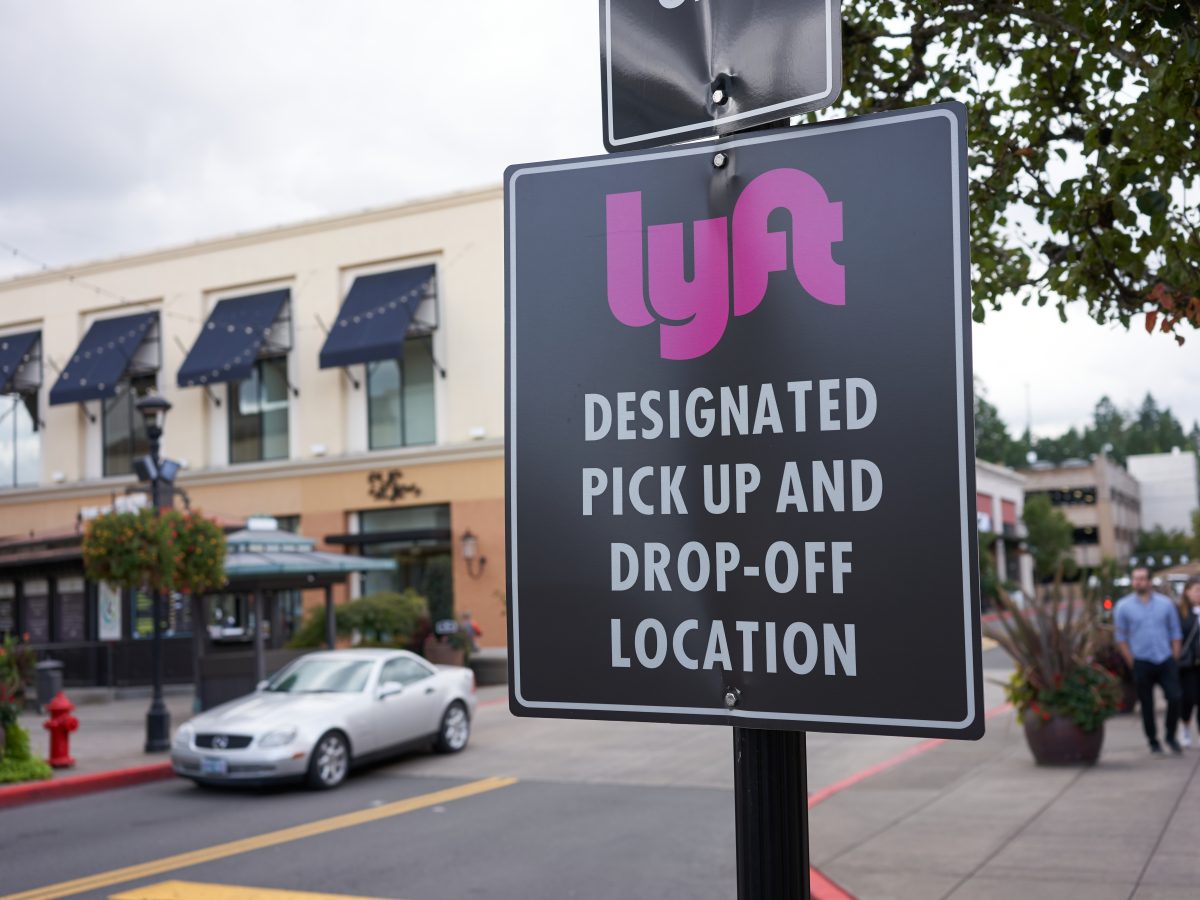 por Zayed Al-Sayyed
Lyft Accident Lawsuit Arizona
If you were injured in a Lyft accident in Arizona, you’re likely dealing with more than just a typical car crash. Rideshare accidents involve multiple insurance policies, corporate legal teams, and complex liability rules that can directly impact how much compensation you receive. In 2026, understanding how these cases work is critical—especially if you’re in Phoenix or the surrounding areas.
Why Lyft Accident Lawsuits Are More Complex
Unlike standard auto accidents, Lyft claims involve:
- The driver’s personal insurance
- Lyft’s corporate insurance policy
- App-based data (GPS, ride status, timestamps)
- Legal protections tied to independent contractor status
Because of this, determining liability is not always straightforward. Lyft may attempt to limit responsibility depending on what the driver was doing at the time of the crash.
How Insurance Works in Arizona Lyft Accidents
One of the most important factors in any Lyft accident lawsuit is the driver’s status in the app at the time of the collision.
Coverage Breakdown:
- App OFF:
Only the driver’s personal insurance applies - App ON (waiting for a ride):
Limited coverage typically includes:
-
- $50,000 per person
-
- $100,000 per accident
-
- $20,000 property damage
- Active Ride (passenger in vehicle or en route):
Lyft provides up to $1 million in liability coverage
This structure is what makes Lyft accident cases unique—and often more valuable than standard claims.
What to Do After a Lyft Accident in Arizona
Taking the right steps immediately after a crash can significantly impact your case.
- Call 911 and Get Medical Help
Your safety comes first. Even if injuries seem minor, documentation is critical.
- Report the Accident
Use the Lyft app to file an accident report. This officially starts the claims process.
- Gather Evidence
- Photos of vehicles and injuries
- Driver and witness information
- Screenshots of your ride details
- Seek Medical Attention
Medical records are key evidence when calculating damages.
- Speak With an Attorney
Rideshare claims often involve multiple insurers and legal defenses. Having representation helps protect your claim value.
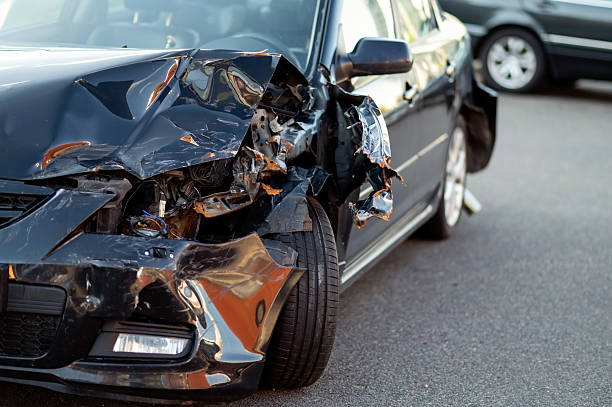
How Much Is a Lyft Accident Lawsuit Worth?
Settlement values vary widely depending on the severity of the injury and available insurance coverage.
Typical Settlement Ranges:
- Minor injuries: $10,000 – $75,000
- Moderate injuries: $50,000 – $300,000+
- Serious injuries: $300,000 – $1 million+
- Catastrophic injuries: $1 million – $10 million+
High-value cases often involve:
- Traumatic brain injuries
- Spinal cord damage
- Permanent disability
- Wrongful death
Lyft’s $1 million policy during active rides is a major reason these cases can reach higher settlement amounts.
How Lyft and Insurance Companies Defend These Claims
Lyft and its insurance partners often:
- Dispute liability
- Delay claims to reduce payouts
- Offer low initial settlements
- Use app data to challenge your case
Because of this, many claims require strong negotiation—or even litigation—to reach fair compensation.
Timeline of a Lyft Accident Lawsuit
Every case is different, but here’s a general timeline:
- File insurance claim
- Investigation and evidence collection
- Settlement negotiations
- Lawsuit (if necessary)
Timeline:
- Simple claims: a few months
- Complex cases: 1+ year
Why Hiring a Lawyer Matters
Without proper legal guidance, it’s easy to:
- Accept a low settlement
- Miss key evidence
- Misunderstand insurance coverage
An experienced attorney can help:
- Prove liability
- Maximize compensation
- Handle negotiations with Lyft’s insurers
Frequently Asked Questions
Who pays after a Lyft accident in Arizona?
It depends on the driver’s app status. Lyft’s insurance only applies when the driver is actively using the app.
Can I sue Lyft directly?
In most cases, claims are filed against insurance policies, but lawsuits may involve Lyft depending on the situation.
How long do I have to file a claim in Arizona?
Arizona generally allows 2 years from the date of the accident to file a personal injury claim.
A Lyft accident lawsuit in Arizona can be complex, but understanding how insurance coverage, liability, and settlement values work puts you in a stronger position. Taking the right steps after an accident—and getting the right legal help—can make a significant difference in the outcome of your case.
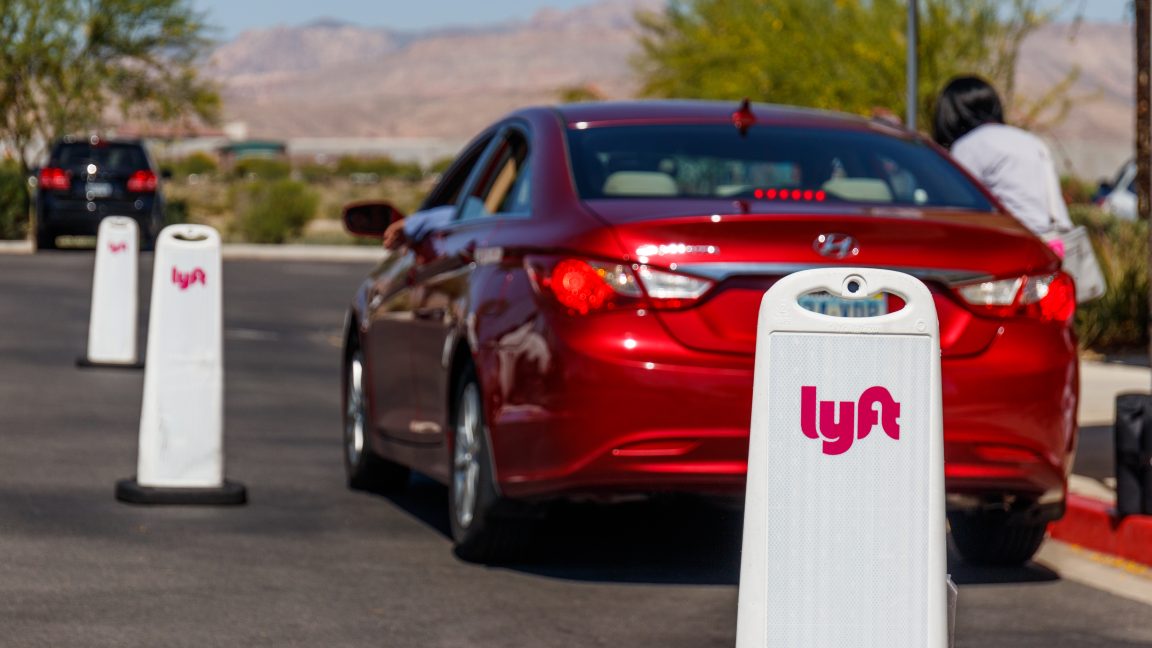 por Zayed Al-Sayyed
Lyft Insurance Explained (2026 Guide for Arizona Drivers & Passengers)
Understanding Lyft insurance is essential if you are involved in a rideshare accident in Arizona. Unlike traditional auto insurance, Lyft uses a tiered coverage system that changes depending on the driver’s activity in the app. This structure determines which policy applies, how much coverage is available, and ultimately how much compensation you may be able to recover after an accident. Whether you are a passenger, driver, or another motorist, knowing how Lyft insurance works can help you protect your rights and avoid costly mistakes.
Lyft’s insurance coverage is not active at all times. When the driver is not using the app, only their personal auto insurance applies. Once the app is turned on, limited liability coverage may apply while the driver is waiting for a ride request. The highest level of protection becomes available when the driver is actively en route to pick up a passenger or during a ride. During this phase, Lyft provides up to $1 million in third-party liability coverage, which is one of the main reasons rideshare accident claims can result in higher settlements compared to standard car accidents. You can review Lyft’s official policy details here: https://www.lyft.com/driver/insurance
For passengers, Lyft insurance typically provides the strongest protection available. If you are injured during an active ride, you may be covered not only by Lyft’s liability policy but also by uninsured or underinsured motorist coverage, which applies if another driver does not have sufficient insurance. However, even with this protection, claims can become complicated because multiple insurance companies may be involved, and each may attempt to limit their financial responsibility. Determining which policy applies—and in what order—is often one of the most challenging aspects of a Lyft accident claim.
Lyft Insurance Coverage Breakdown
Lyft insurance operates in different phases depending on driver activity, and each phase has specific coverage limits:
- App OFF:
The driver’s personal auto insurance is solely responsible for any damages - App ON (waiting for a ride request):
Limited liability coverage typically applies:
-
- $50,000 per person for bodily injury
-
- $100,000 per accident
-
- $20,000 for property damage
- En Route or Active Ride:
Lyft provides up to $1,000,000 in liability coverage, along with potential uninsured/underinsured motorist protection (depending on state law requirements)
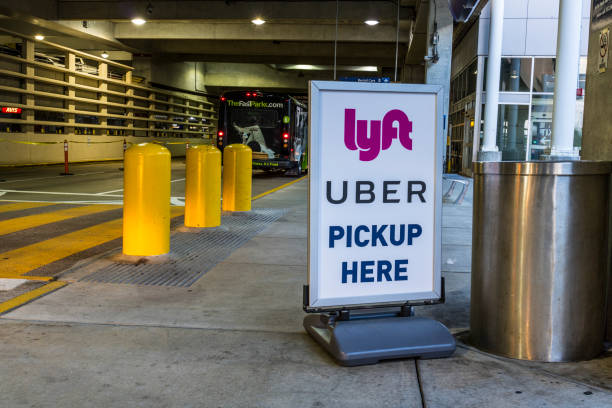
Key Insurance Factors That Affect Your Claim
Even though Lyft provides significant coverage, there are important limitations and risks that can impact your case:
- Coverage may be contingent, meaning it only applies after the driver’s personal insurance is used
- There may be coverage gaps during the waiting period before a ride is accepted
- Insurance companies often dispute liability or delay claims
- Multiple policies may apply, making the claims process more complex
Frequently Asked Questions
Does Lyft insurance cover passengers?
Yes. Passengers are typically covered by Lyft’s $1 million liability policy during active rides, along with additional protections such as uninsured/underinsured motorist coverage (depending on state law requirements).
What happens if the Lyft driver is not using the app?
If the app is off, Lyft provides no coverage. The driver’s personal insurance policy is responsible for any damages.
Can multiple insurance policies apply to one accident?
Yes. Lyft accidents often involve multiple policies, including the driver’s personal insurance, Lyft’s coverage, and another driver’s insurance if they are at fault.
Why are Lyft insurance claims more complicated?
Because coverage depends on app status and multiple insurers may be involved, determining liability and securing full compensation can be more complex than a typical car accident claim.
How much insurance does Lyft provide?
Lyft provides up to $1 million in liability coverage during active rides, but lower limits apply when the driver is waiting for a ride request.
